
In today’s bustling modern society, ancient villages stand as time-honored sanctuaries preserving authentic rural life. The five UNESCO-listed Chinese villages span diverse landscapes—from the Loess Plateau’s valleys and Jiangnan’s water towns to southwest Fujian’s mountains and northern Guangdong’s foothills. Each exudes unique traditional vitality, serving as both architectural treasures and living cultural gene pools carrying national memories. Whether you’re a culture explorer or a pastoral scenery lover, their profound history and simple customs promise an unforgettable journey.
Preview: Quick Glance at the Core Highlights of 5 World Heritage Ancient Villages
Want to quickly grasp the core charm of the 5 world heritage ancient villages? The following overview table integrates key information of each village to help you plan your trip according to your preferences:
Tianluokeng Village, Nanjing, Fujian
Location: Southwest Fujian
Core Features: Hakka Tulou cluster “Four Dishes and One Soup”, a wonder of defensive architecture
Must-experience Highlights: Exploring the interior of Tulou, experiencing Hakka cuisine
Best Tour Season: Spring (March-May), Autumn (September-November)
Wangkou Village, Wuyuan, Jiangxi
Location: Northeast Jiangxi
Core Features: Huizhou-style water town, thousand-year-old commercial port, a palace of brick and wood carving art
Must-experience Highlights: Visiting Yu’s Ancestral Hall, exploring ancient bluestone slabs, taking photos of rapeseed flowers
Best Tour Season: Spring (March-April for rapeseed flowers), Autumn (October-November for maple leaves)
Zhangbi Ancient Castle, Pingyao, Shanxi
Location: Loess Plateau
Core Features: Military ancient village from the late Sui to early Tang Dynasty, three-dimensional defensive system above and below ground
Must-experience Highlights: Exploring the tunnels, appreciating the murals in Wanfo Hall, experiencing Loess Plateau folk customs
Best Tour Season: Summer (June-August), Autumn (September-November)
Kaiping Diaolou and Villages, Guangdong
Location: Pearl River Delta
Core Features: Carrier of overseas Chinese hometown culture, defensive architecture integrating Chinese and Western styles
Must-experience Highlights: Visiting Ruishi Building, listening to overseas Chinese hometown stories, wandering around ancient villages
Best Tour Season: Suitable all year round, an excellent choice for avoiding cold in winter (December-February)
Hongcun Village, Huangshan, Anhui
Location: Southern Anhui
Core Features: Huizhou-style ancient village with ox-shaped layout, a poetic water town “Village in Paintings”
Must-experience Highlights: Taking photos of the morning scenery at Moon Marsh, appreciating carvings in Chengzhi Hall, experiencing Wupeng boat on South Lake
Best Tour Season: Spring (March-May), Autumn (October-November for maple leaves)
Each world heritage ancient village has its own unique charm, whether it is the solidity of Hakka Tulou, the elegance of water town commercial ports, or the fortitude of military castles. Next, we will walk into these ancient villages one by one to explore the stories and customs hidden in their bricks and tiles.
Tianluokeng Village, Nanjing, Fujian: The Hakka World in Tulou
Deep in the mountains of southwest Fujian, the 5 Tulou buildings in Tianluokeng Village have become a iconic symbol of Hakka architecture with their unique layout of “Four Dishes and One Soup”. The soul of this world heritage ancient village lies in the thick loess walls and circular buildings. During the Ming and Qing dynasties, to resist foreign enemies and natural disasters, the Hakka people built Tulou as high as tens of meters using local soil, bamboo strips and lime, which are not only solid and durable but also have dual functions of residence and defense.
Core Experience Guide
- Architectural Exploration
Step into the core area of the “Four Dishes and One Soup” tulou cluster. Climb up the tulou to overlook the integrated scenery of the tulou group and green mountains and waters, and experience the unique spatial feeling brought by the circular corridors and courtyards.
- Cultural Immersion Experience
Visit the Hakka elders in the village to listen to the legends of tulou construction and migration history. Try hands-on activities like sun-drying grains and weaving bamboo baskets, and feel the simplicity of Hakka farming life.
- Hakka Cuisine Tasting
Enter a tulou homestay to taste specialty dishes such as stuffed tofu and tulou bacon, paired with home-brewed rice wine, and experience the profound heritage of Hakka food culture.
- Hakka Folk Custom Observation
During festivals, watch performances like Hakka folk song duets, dragon and lion dances, and feel the vibrant vitality and inheritance charm of Hakka culture.
- Tulou Handicraft Study
Follow craftsmen to learn Hakka bamboo weaving and tulou model making. Make souvenirs by yourself and understand the ingenuity and wisdom of traditional crafts.
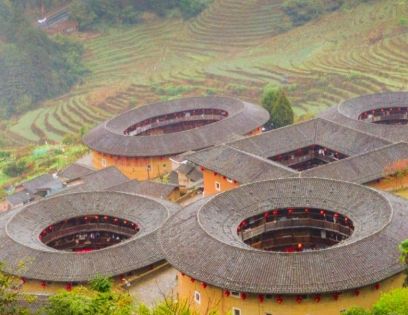
Tianlukeng Village in Fujian Tulou Group
Wangkou Village, Wuyuan, Jiangxi: The Old Dream of Huizhou Merchants by the Water
The Le’an River flows through the village, not only bringing the elegant temperament of Wangkou Village but also creating its prosperous years as a “thousand-year-old commercial port”. Founded in the Northern Song Dynasty, this ancient village, located at an important water-land transportation hub, became a major cargo distribution center in northeast Jiangxi during the Ming and Qing dynasties. The caravans and merchant ships of Huizhou merchants converged here, leaving numerous exquisite Huizhou-style buildings and profound commercial port cultural heritage.
Travel Highlight Analysis
Ancient Architecture Exploration: Visit Yu’s Ancestral Hall, admire the exquisite “Three Carvings” art (brick carving, wood carving, stone carving), and the vivid figures, flowers and birds patterns tell the past glory of Huizhou merchants in detail;
- Water Leisure: A Peaceful Journey in a Painting
Stroll the Le’an River’s flagstone paths, where white-walled Huizhou houses reflect in clear waters like a flowing ink painting. Drift downstream on a bamboo raft, with breezes brushing your face and riverside scenery slowly passing by. Leave the hustle behind and embrace the poetic tranquility of “traveling in a painting”.
- Four-Season Views: Capture Seasonal Village Beauty
Spring Charm: Golden rapeseed flowers bloom against traditional architecture, with sweet scents filling the air—every photo is a pastoral masterpiece.
Autumn Splendor: Forests blaze red and gold, setting off the ancient village in a vivid tapestry of Huizhou’s autumn hues.
- Folk Culture Immersion: Feel Huizhou’s Warmth
During festivals like Mid-Autumn Festival and Spring Festival, enjoy melodious Huizhou opera at old stages or learn to make rice dumplings and cakes with villagers. Skip superficial sightseeing and dive into authentic Huizhou traditions for unforgettable memories.
- Tea & Nostalgia: Savor the Millennium Port’s Legacy
Sit by the window in a riverside teahouse, sip mellow Wuyuan Mingmei tea, and listen to the owner’s tales of Wangkou’s past as a busy commercial port. Watch bamboo rafts glide by and let yourself unwind in the slow rhythm of this Jiangnan village.

Wangkou Village in Wuyuan, Jiangxi
Zhangbi Ancient Castle, Pingyao, Shanxi: The Military Code Under the Loess
Different from the gentle elegance of Jiangnan water towns, Zhangbi Ancient Castle is hidden deep in the Loess Plateau, exuding a strong military atmosphere. Founded in the late Sui and early Tang dynasties, this ancient village is located at a strategic military pass and has been a battleground for military strategists in successive dynasties. It has gradually formed a three-dimensional defensive system of “above-ground maze and underground tunnels”, known as a “military miracle on the Loess Plateau”.
In-depth Tour Key Points
Defense Exploration: Enter the three-story underground tunnels, explore complete facilities such as observation ports, shooting holes, grain depots and wells, and personally feel the military wisdom of the ancients; climb the above-ground city wall to overlook the maze-like street layout of the ancient castle;
- Art Appreciation: Visit Wanfo Hall, admire the colorful and vivid murals in the hall, and feel the charm of ancient painting art;
- Folk Custom Experience: Communicate with local villagers, experience traditional lifestyles such as spinning and grain drying, and taste special Loess Plateau foods such as pasta and jujube cakes;
- Military Experience: Participate in ancient castle offensive and defensive scenario experience activities (provided by some scenic spots), wear traditional military costumes, understand ancient military defense strategies, and enhance the interactivity of the tour;
- Ancient Architecture Trace: Visit ancient temples and opera stages in the village, observe the detailed craftsmanship of adobe architecture, and feel the in-depth integration of ancient architecture and the natural environment on the Loess Plateau.
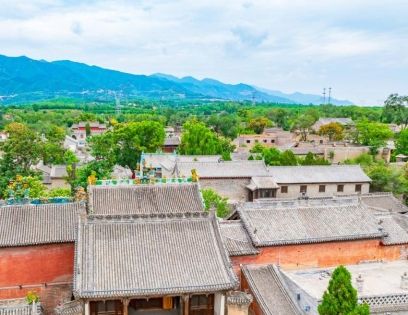
Zhangbi Ancient Fort in Pingyao, Shanxi
Kaiping Diaolou and Villages, Guangdong: The Chinese-Western Harmony of Overseas Chinese Hometown
Modern Kaiping emigrants returned home to build unique Diaolou, integrating Western and Lingnan architectural styles to resist bandits and floods, making them vivid carriers of overseas Chinese culture.
Architecture Appreciation: Visit famous Diaolou buildings such as Ruishi Building and Mingshi Building, admire the perfect integration of Roman columns, Gothic spires and Lingnan bricks and tiles, and feel the unique charm of “mixed-race architectural art”
Cultural Root-Seeking: Enter the interior of Diaolou, visit cultural relics such as Western clocks and phonographs brought back by overseas Chinese in the past, and listen to their hardships of going out into the world and deep affection for their hometown
Village Wandering: Wander around the ancient village, watch the blue brick and black tile dwellings set against the lush banyan trees, and feel the century-old vicissitudes and simple customs of the overseas Chinese hometown
Food Experience: Taste local overseas Chinese specialty foods such as eel rice, Magang goose, and Chikan tofu dumplings, and feel the unique flavor of the integration of Chinese and Western food cultures
Souvenir Selection: Visit overseas Chinese culture stores in the village, select special souvenirs such as Diaolou models and reprinted overseas Chinese remittance documents, and keep the memory of overseas Chinese hometown culture
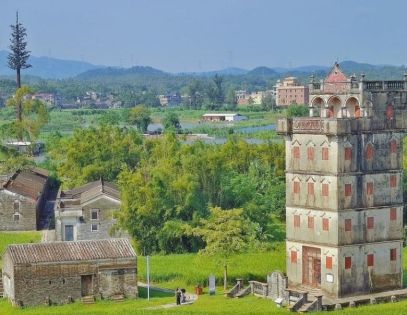
Kaiping Diaolou and Villages in Zhaoqing, Guangdong
Hongcun Village: The Huizhou Water Rhythm in Painting
“The most fascinating place in life, never dreamed of Huizhou”. Hongcun is an outstanding representative of Huizhou ancient villages. Founded in the Southern Song Dynasty, this ancient village is famous for its unique “ox-shaped layout” in the world – the crisscrossing water ditches in the village are like “ox intestines”, the Moon Marsh is like an “ox stomach”, and the South Lake is like an “ox belly”. It introduces living water into every household, which not only solves the domestic water needs of villagers but also beautifies the living environment, achieving the reputation of “village in painting”.
Poetic Travel Experience
Morning Scenery Photography: Rush to Moon Marsh in the early morning to photograph the stunning scene where the water surface is as calm as a mirror and the reflection of dwellings and the sky blends, freezing the most classic picture of Hongcun;
- Ancient Architecture Appreciation: Visit Chengzhi Hall, admire the essence of Huizhou-style architecture, and the exquisite wood carvings and gilded paintings witness the wealth and taste of Huizhou merchants;
- Water Town Experience: Walk along the water ditches, watch villagers wash yarn and vegetables by the water to feel the original ecological village life; take a Wupeng boat on South Lake to enjoy the poetic scene where the lake scenery and the ancient village set off each other;
- Painting Experience: Visit artists’ studios or art training centers in the village, observe the creation of watercolor paintings and oil paintings, feel the artistic atmosphere of Hongcun as a “sketching paradise”, and you can also experience simple landscape sketching to freeze the beauty of the ancient village;
- Huizhou Food Exploration: Walk into local old restaurants, taste special foods such as stinky mandarin fish, hairy tofu, and Huizhou crisp cakes, and match with a cup of Huizhou Maofeng tea to feel the unique charm of Huizhou food culture through taste buds.

Hongcun in Huangshan, Anhui
The Common Essence and Contemporary Value of World Heritage Ancient Villages
These 5 world heritage ancient villages share the core of “cultural inheritance and ecological symbiosis”, embodying ancient wisdom and guiding contemporary protection and development.
Ecological Symbiosis: Harmonious Coexistence with Nature
The Tulou in Tianluokeng Village is built against the mountains, adapting to the mountain terrain to resist cold; the water ditches in Hongcun are recycled to realize optimal resource allocation; the adobe architecture of Zhangbi Ancient Castle is integrated with the Loess Plateau, saving building materials while integrating into nature. The perfect integration of these architectures and the environment is a vivid interpretation of the ancient philosophical thought of “harmony between man and nature”.
Cultural Inheritance: Living Historical Gene Pool
The exquisite “Three Carvings” craftsmanship of Huizhou in Wangkou Village has been passed down from generation to generation, and the old craftsmen continue the essence of Huizhou merchant culture through carving; the overseas Chinese hometown culture in Kaiping has been preserved through Diaolou architecture and folk customs, becoming a spiritual home for overseas Chinese to seek roots; the living habits and food culture of the Hakka people have been passed down from generation to generation in Tianluokeng Village, making traditional folk customs glow with lasting vitality.
Contemporary Value: The Balanced Path of Protection and Development
Today, these ancient villages adhere to development in protection and inheritance in development. Through scientific and reasonable tourism planning, more people are encouraged to enter and understand ancient villages. This not only brings new vitality to ancient villages but also makes the seeds of traditional culture take root and germinate in more people’s hearts, realizing the dual improvement of cultural value and economic value.
To make your ancient village trip smoother and more in-depth, we have sorted out detailed practical guides, providing you with comprehensive references from precautions to itinerary planning.
Precautions
- Respect Folk Customs: Strictly abide by local customs and habits, and do not disturb the normal life rhythm of villagers; if you need to enter private dwellings for a visit, be sure to obtain the owner’s consent in advance and avoid taking random photos of villagers’ living scenes;
- Protect Cultural Relics: Ancient architectures have a long history and fragile structures. Climbing and touching cultural relics and ancient architectural components are strictly prohibited; do not litter or scribble at will, and jointly protect the ecological environment and historical style of ancient villages;
- Safety First: The underground tunnels of Zhangbi Ancient Castle are narrow and humid. Pay attention to your steps and avoid crowding when visiting; the roads in water towns are slippery, especially on rainy days, so be careful not to fall; some ancient villages have undulating terrain, so wearing comfortable walking shoes is more appropriate;
- Keep Quiet: The overall atmosphere of ancient villages is quiet. Try to lower your voice when visiting, do not make noise, and avoid affecting the life of villagers and the visiting experience of other tourists;
- Standardize Fire Use: Most ancient village buildings are made of bricks and wood with poor fire resistance. Carrying open flames into ancient buildings is strictly prohibited; do not burn garbage at will to eliminate fire hazards.
Itinerary Suggestions
Regional Combined Tour: Tianluokeng Village in Fujian can be visited in combination with other famous Tulou in Nanjing (such as Zhencheng Building and Chengqi Building), and it is recommended to arrange 1-2 days; Wangkou Village in Wuyuan can be visited with Wuyuan ancient village group (Likeng, Xiaoqi, etc.), and it is recommended to stay for 2-3 days to deeply feel Huizhou culture;
- Accommodation Choice: Priority is given to local homestays, such as Huizhou homestays in Hongcun and Tulou homestays in Tianluokeng Village, which can not only experience the original ecological life but also taste authentic food;
- Seasonal Planning: Choose the season according to your interests. Choose spring if you like flower seas, autumn if you like colored leaves, and Kaiping Diaolou in winter if you want to escape the cold.
These 5 villages listed on the UNESCO World Heritage List are living carriers of Chinese traditional culture and spiritual habitats during travel. Entering here, you can not only appreciate the unique architectural wonders but also touch the cultural temperature precipitated by time.
Whether you are a traveler who loves cultural exploration, a photographer obsessed with light and shadow, or a leisure vacationer yearning for the countryside, these ancient villages will bring you an unforgettable travel experience with their simplicity and profoundness. Why not pack your bags and walk into these time secrets, letting the charm of ancient villages warm your journey.