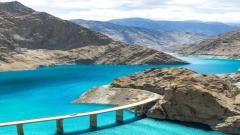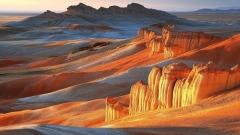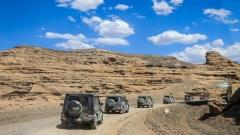

When you first hear about “Xinjiang Temperature”, you may imagine extreme scenes of scorching deserts or frozen snow-capped mountains. However, when you actually set foot on this vast region that occupies one-sixth of China’s territory, you will find that “Xinjiang Temperature” is far more than just a numerical value of air temperature—it is the coolness of grasslands in the early morning, the blazing heat of Gobi deserts in the afternoon, the comfort of oases at dusk, and above all, the fiery hospitality of the local people. For foreign travelers, understanding Xinjiang’s temperature is the key to planning a safe, comfortable, and surprising journey.
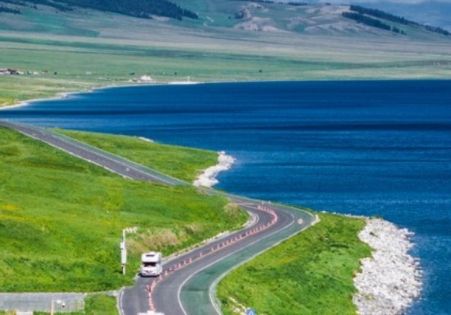
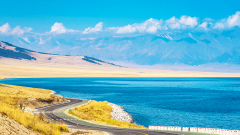
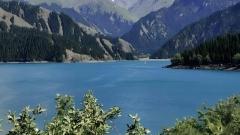
Sayram Lake
Geography & Climate: Diverse Landforms Shape a Complex Temperature Pattern
Located in the northwest border of China, the Xinjiang Uygur Autonomous Region borders eight countries and covers an area of over 1.6 million square kilometers. As a typical temperate continental arid climate due to its deep inland location far from oceans, Xinjiang is characterized by intense sunlight, scarce precipitation, and high evaporation. However, the most striking features are its significant day-night temperature differences and distinct seasonal temperature changes.
Taking Urumqi, the regional capital, as an example: in summer (June to August), daytime temperatures often reach 30 to 35°C, occasionally exceeding 40°C, but nighttime temperatures can drop sharply to 15 to 20°C, so a light jacket is essential. Winter (December to February) is cold and dry, with an average daily temperature of -10 to -15°C, and even as low as -30°C in the Altay region in northern Xinjiang. However, southern Xinjiang, such as Kashgar and Hetian, is relatively mild in winter due to its lower latitude and basin terrain that blocks cold air, with daytime temperatures often above 0°C.
Notably, Xinjiang spans over 2,000 kilometers from east to west, with significant north-south differences. Northern Xinjiang, north of the Tianshan Mountains, is cool in summer and freezing in winter, ideal for summer resorts and skiing. Southern Xinjiang, south of the Tianshan Mountains, is dry and hot, but features fragrant fruits and pleasant temperatures in autumn. Turpan in eastern Xinjiang is known as China’s “Hottest Place”, where summer temperatures often exceed 45°C, yet its underground karez system and cool night breezes make life resilient.
Xinjiang’s Temperature by Season & Best Travel Times
Spring (March to May): Thawing Awakening & Blooming Flowers
Xinjiang remains chilly in March, especially with unmelting snow in northern Xinjiang. But by April, apricot blossoms in the Ili River Valley bloom like snow, making places such as Huocheng and Turgen a paradise for photographers. Daytime temperatures range from 10 to 20°C during this period, with cool nights, so a windproof jacket is recommended. Kashgar Old City in southern Xinjiang feels particularly warm under the spring sun, with temperatures mostly between 15 to 25°C, perfect for strolling through the old streets.
Summer (June to August): Longest Days & Lush Grasslands
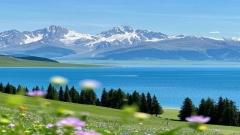
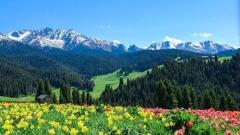
This is the golden season for travel in Xinjiang. Starting from June, alpine grasslands such as Nalati, Bayanbulak, and Kalajun enter their prime viewing period, with lush green grass and flocks of cattle and sheep. Although daytime temperatures are high, the grasslands’ higher altitude ensures a comfortable feeling, ranging from 20 to 30°C. Sun protection and hydration are crucial due to low air humidity and intense ultraviolet (UV) radiation. While Turpan is hot, the Grape Valley is shaded by dense greenery and cool at night, making a half-day trip feasible. At this time, “Xinjiang Temperature” showcases its passionate side—generous sunshine paired with a leisurely pace of life.
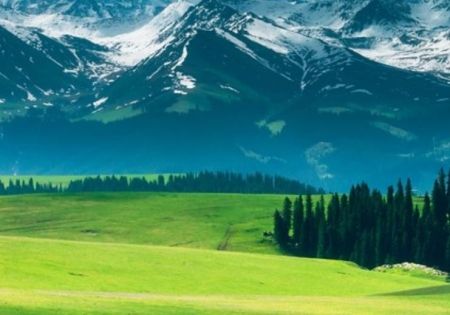
Karakun Grassland
Autumn (September to October): Golden Days & Optimal Temperatures
September is widely recognized as the best month to visit Xinjiang. The forests along Kanas Lake in northern Xinjiang turn into a riot of colors, with golden and fiery red hues blending together. The average daily temperature ranges from 10 to 20°C, with large day-night differences but no piercing cold. In southern Xinjiang, poplar forests along the Tarim River turn fully yellow in mid-to-late October, creating a dreamlike scene. The climate is stable during this period, with clear skies and little rain, warm days and cool nights, making it ideal for outdoor activities and long-distance driving. Many foreign travelers describe the “Xinjiang Temperature” during this time as a cup of warm milk tea—not too hot, not too cold, just right.
Winter (November to February): Ice & Snow Fairy Tale & Serene Grandeur
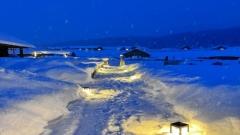
Winter in Xinjiang may seem quiet, but it is actually full of surprises. The Altay region is globally recognized as the “birthplace of human skiing”. Ski resorts such as Jiangjun Mountain and Koktokay International Ski Resort offer dry snow quality and diverse slopes, attracting numerous international skiing enthusiasts. Heavenly Lake (Tianchi) near Urumqi freezes like a mirror in winter, paired with snow-capped mountain backdrops, resembling a fairyland. Although temperatures are low, indoor heating is sufficient, and there are fewer tourists, allowing for an in-depth experience of local festival cultures, such as preparations for the Uygur Nowruz Festival. The “Xinjiang Temperature” in winter is cold, but people’s hearts are warm—a cup of steaming fu tea or a plate of freshly baked samsa is enough to dispel the chill.
“Xinjiang Temperature” in Culture: Beyond Climate
“Xinjiang Temperature” not only refers to meteorological data but also embodies the daily life and hospitality of diverse ethnic groups. Xinjiang is a multi-ethnic region where 56 ethnic groups, including Uygur, Han, Kazakh, Hui, and Kyrgyz, coexist harmoniously. Whether you walk into a bazaar in Kashgar, a teahouse in Yining, or a herdsman’s yurt in Altay, you will always be greeted with “Yaxshimusen” (Hello) and warm invitations.
In southern Xinjiang, Uygur families often entertain guests with polo (hand-grabbed rice), roast whole lamb, and fresh fruits. They believe that “guests are God’s gifts”, so no matter how high or low the temperature is, their hospitality never fades. Kazakh herdsmen in northern Xinjiang open their yurts during migration seasons, allowing travelers to experience nomadic life such as making milk tea and playing the dombra. This humanistic “Xinjiang Temperature” is often more unforgettable than the actual air temperature.
Pratical Travel Tips: Adapting to Xinjiang’s Temperature
For foreign travelers, adapting to Xinjiang’s temperature requires the following preparations:
- Layering clothing: Due to significant day-night temperature differences, the “onion dressing method” is recommended—moisture-wicking inner layer, insulating middle layer, and windproof outer layer. Even in summer, a thin down jacket or fleece is necessary to cope with temperature drops in mountainous areas or at night.
- Sun protection and moisturization: Xinjiang has strong UV radiation and dry air. It is advisable to bring SPF50+ sunscreen, lip balm, moisturizing cream, and sunglasses.
- Respecting local climate rhythms: Avoid prolonged outdoor activities during the high-temperature period in the afternoon in summer; confirm road conditions for ice before departure in the morning in winter; spring and autumn are suitable for exploration throughout the day.
- Noting time zone differences: Xinjiang uses Beijing Time, but its actual daily schedule is about two hours later than eastern China. Local “noon” is often around 14:00, and restaurants and shops open later. Please consider this when planning your itinerary.
In addition, Xinjiang’s tourism infrastructure has been greatly improved in recent years. All major scenic spots have clear English signs, airports and railway stations provide multilingual services, and many homestays and travel agencies have English-speaking guides. Foreign travelers can explore with confidence without excessive worries about language or safety issues.
Embrace the True “Xinjiang Temperature”
Xinjiang’s temperature is never monotonous. It may be a climate test with a 20°C difference between morning and night, or a bowl of hot soup offered by a stranger; it hides in the heat waves of Flaming Mountain and shimmers in the morning light of Tianshan’s snow-capped peaks. For foreign travelers, understanding and embracing “Xinjiang Temperature” is the key to unlocking this treasure trove of culture and nature.
Whether you pursue magnificent scenery, exotic customs, or simply want to experience a completely different pace of life, Xinjiang will respond to your expectations with its unique “temperature”. When planning your trip, don’t forget to adjust your equipment according to the season, but more importantly, bring an open heart to feel the human warmth beyond the temperature numbers. After all, the true “Xinjiang Temperature” ultimately lies in the sincere encounters between people.