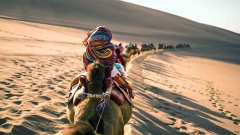

On the map of Xinjiang, Hami holds a prestigious title: the “Eastern Gateway.” For centuries, whether it was ancient merchant caravans on the Silk Road or modern high-speed trains crossing Eurasia, Hami has served as the first welcoming embrace of the Western Regions. It is more than just the home of the world-famous Hami melon; it is a miraculous land where Yardang landforms, alpine grasslands, and Uyghur royal heritage intertwine.
If you are seeking a profound experience that escapes the crowds—a journey across deserts and through lush oases—Hami is an indispensable piece of your Xinjiang travel puzzle.
Echoes of Royalty — The Cultural Aesthetics of Hami King’s Palace
To understand Hami’s history, one must begin at the Hami King’s Palace (Hami Hui Wang Fu).
A Fusion of Architectural Styles
The palace was the residence and administrative center of the hereditary Hami Kings during the Qing Dynasty. Its architecture is unique, masterfully blending traditional Han Chinese wooden structures with Islamic glazed tile decorations.
-
Visual Highlights: Inside the palace, you will find pavilions with carved beams and painted rafters sitting harmoniously alongside prayer halls with painted domes. This cultural collision is the ultimate proof of Hami’s status as a Silk Road hub.
-
The Royal Mausoleum: Adjacent to the palace is the Mausoleum of the Hami Kings. Its massive green glazed dome shimmers under the blue sky, with intricate interior decorations that showcase the highest level of regional artistry.
Mars on Earth — The Dahai Dao Yardang Landform
For high-end road trip enthusiasts and photography lovers, Dahai Dao is Hami’s most captivating destination.
The Last Wilderness Frontier
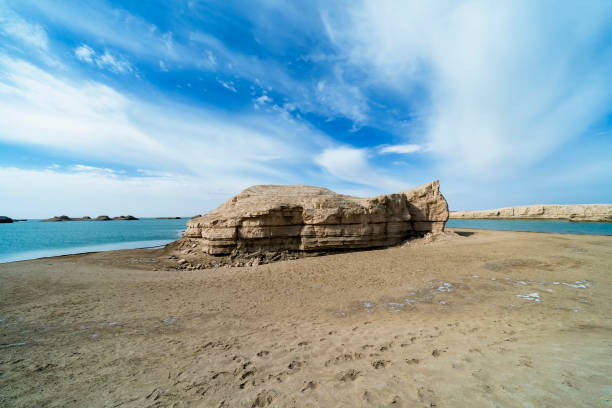
Dahai Dao was an ancient Silk Road path between Dunhuang and Hami. It hosts one of the largest Yardang landform clusters in the world. Wind-eroded earth mounds shaped like giant warships, medieval castles, and mythical beasts are scattered across the boundless desert.
-
An Ultimate Experience: This area is often called “the place on Earth that looks most like Mars.” Imagine camping among these ancient formations under a sky free of light pollution, staring at the Milky Way in absolute silence. It is a luxury that no five-star hotel can provide.
-
Drone Perspective: This is a paradise for aerial photography. From above, the Yardangs reveal flowing lines and rhythmic patterns—a masterpiece created by nature over millions of years.
Greenery of the East Tianshan — Barkol Grassland
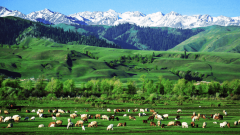
Hami is not just about deserts; its other side is the lush, water-rich alpine pastures of the Tianshan Mountains.
Barkol Grassland: Serenity in the North
Barkol is one of Xinjiang’s three major grasslands. Unlike the bustling Nalati, Barkol retains a sense of primitive tranquility.
-
Barkol Ancient City: This historic city wall stands alongside the vast pastures, witnessing the history of border settlements since the Han Dynasty. Walking through the grass with snow-capped mountains in the distance and sheep grazing nearby, you feel the slow, steady pulse of time.
-
Barkol Lake: This high-altitude saltwater lake acts as a mirror, reflecting the white peaks. It is a cool summer sanctuary and a silver-wrapped wonderland in winter.
East Tianshan Scenic Area: Four Seasons in One Mountain
Known as “Little Switzerland,” this area transitions from vast Gobi deserts at the foot of the mountain to spruce forests in the middle and eternal snow at the summit. In just one hour of driving, you can experience the changing of all four seasons.
The Sweet Code of Hami — More Than Just Melons
The Royal Legacy of the Hami Melon
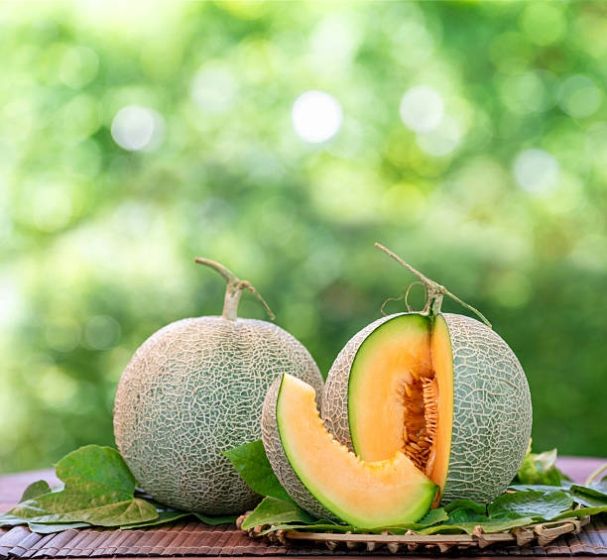
During the Qing Dynasty, Hami melons were sent as tributes to the Emperor. Thanks to the intense sunlight and dramatic temperature swings between day and night, the melons here have an incredibly high sugar content.
-
The Hami Melon Festival: Every July, the city celebrates its namesake fruit. Hundreds of varieties are displayed, and the air is filled with a honey-like aroma—the iconic scent of this desert oasis.
Intangible Heritage — Hami Muqam
Hami offers more than just visual and gustatory delights; it is also a feast for the ears. Hami Muqam is a pearl of Uyghur traditional art and has been inscribed on the UNESCO Intangible Cultural Heritage list.
Singing of the Soul
Unlike the Twelve Muqams of Southern Xinjiang, Hami Muqam retains more ancient and cheerful melodies. Watching a performance in a local folk village while tasting fresh melons offers a deeper understanding of the local people’s love for life.
Hami is more than just a name; it is a cultural symbol carrying sweetness, desolation, majesty, and warmth. It is the starting point of the Western Regions and a sanctuary for those seeking peace.
Whether you are looking for fragments of history in the Gobi or chasing freedom on the grasslands, Hami welcomes you with open arms and the spirit of the “Eastern Gateway.”