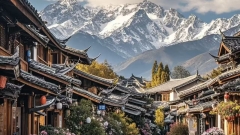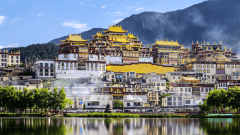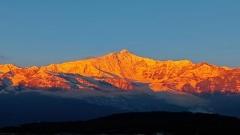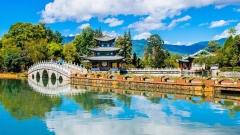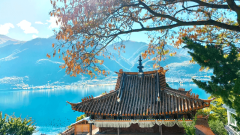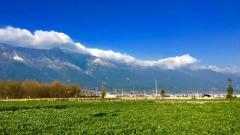

If Tibet is a destination for the soul, Dali is a sanctuary for the heart. From June to August, while most of China is sweltering under a heatwave, Dali remains a refreshing oasis with temperatures hovering around 20°C. In summer, the waters of Erhai Lake turn a deep sapphire, the rice fields in Xizhou become a vibrant emerald, and the clouds over the Cangshan Mountains shift in a mesmerizing dance. Traveling to Dali in summer isn’t about rushing from one landmark to another; it is the ultimate art of “wasting time” beautifully.
Erhai Lake: Finding Your Private Arc of Azure
In summer, circling Erhai Lake is a mandatory ritual, but deep-travel enthusiasts avoid the crowded tour bus routes.
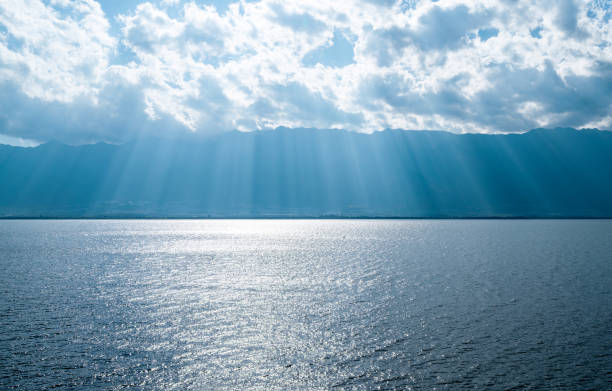
We recommend the Ecological Corridor on the West Bank (Haixi). During summer, motor vehicles are prohibited here, making it perfect for a leisurely walk or a bicycle ride. Start your morning at the S-Curve in Panxi Village. As the morning sun glistens on the rippling water, the silent reflection of the Cangshan Mountains creates a surreal, mirror-like vista.
-
Pro Tip: Book a designer boutique stay in Shuanglang or near Longkan Wharf. These are the premier spots for watching the sunrise over the lake. On a summer night, open a bottle of local rose wine on your lakeside terrace and listen to the waves—this “ocean-view freedom” is the true essence of a Dali summer.
The Green Sea of Xizhou: Stepping into a Studio Ghibli Fairytale
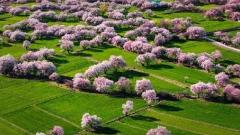
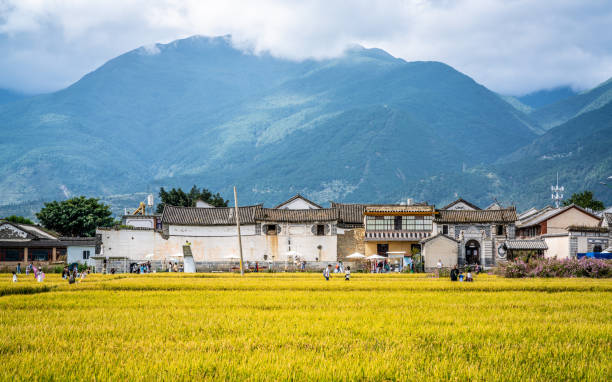
From June to August, the most moving shade of green in Dali isn’t on the mountains, but in Xizhou Ancient Town. This is when the rice paddies reach their most lush and vibrant peak.
-
Immersive Experience: Walk past the historic Bai-style “Corner Buildings,” and the horizon will suddenly open up to a vast sea of green. Follow the narrow paths through the fields, where white-walled, gray-tiled traditional homes are nestled amidst the waving rice. We suggest taking a photo by the famous red wall of The Linden Centre or finding a quiet cafe hidden in the fields. Holding a latte while listening to summer cicadas and watching the “rice waves” move with the wind is a healing experience that recharges your soul.
-
Cultural Depth: Xizhou is the cradle of Bai commercial culture. Try your hand at Zhoucheng Tie-Dyeing, using local indigo to create your own blue-and-white fabric—a piece of Dali’s color to take home with you.
Cangshan Mountain: From the Mundane to the Cool Clouds
In the height of summer, Cangshan Mountain serves as Dali’s natural air conditioner. When the old town feels slightly warm in the afternoon, the mountain air is as crisp as autumn.
-
High-Altitude Route: Take the Ximatuan Cableway. It ascends from the base to over 3,900 meters, taking you through dense forests, alpine rhododendrons, and remnants of Quaternary glaciers. In summer, the waters of Ximatuan (Wash Horse Pond) are crystal clear, often shrouded in a celestial mist.
-
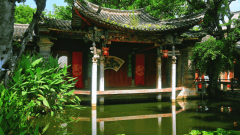
The Serenity of Jizhao Temple: If you prefer a lower altitude, visit Jizhao Temple at the foot of the mountain. Known as the “Most Beautiful Nunnery,” its courtyards are filled with succulents instead of traditional incense. Having a simple vegetarian lunch here under the shade of ancient trees is the ultimate way to decompress.
Shaxi Ancient Town: A Journey Through the Tea Horse Road
If your schedule allows, dedicate two days to Shaxi, located about two hours from downtown Dali.
-
The “Slow Life” Plan: This was once the only surviving market town on the ancient Tea Horse Road. In summer, the Hei Hui River flows quietly, and the cobblestones of Yujin Bridge are polished to a shine by centuries of history. In Shaxi, you don’t need a map. Wander into a local bookstore or sit under the old locust tree by the ancient stage. Without the hustle of Dali’s main streets, Shaxi offers a profound sense of stillness, perfect for travelers seeking deep meditation.
Planning Your Summer Dali Itinerary: Strategic Advice
To ensure your June–August trip is flawless, consider this planning logic:
-
Embrace the “Slow”: The spirit of Dali is in the pause. We recommend spending 2 nights by Erhai Lake, 1 night in Xizhou or the Old Town, and 1 night in Shaxi.
-
Sun and Chill: The UV rays are intense despite the cool breeze, so sun protection is vital. Conversely, after a summer rain, temperatures can drop to 15°C, so always pack a light jacket.
-
Beat the Crowds: Summer is peak season. Book popular boutique stays at least a month in advance. Visit famous spots before 8:00 AM or after 6:00 PM for the best lighting and the fewest crowds.
-
The Rain Factor: July and August are the rainy months, but it usually consists of brief showers followed by double rainbows. Don’t be discouraged by a rainy forecast—the sea of clouds over Cangshan after a rain is the most spectacular sight of the year.
Summer in Dali is more than just a holiday; it is a lifestyle. Standing by the lake, letting the moist breeze brush your face, you will realize that life was always meant to be this light.