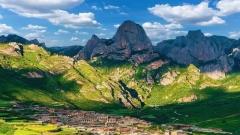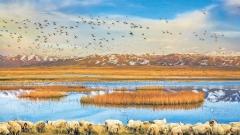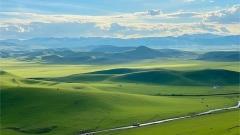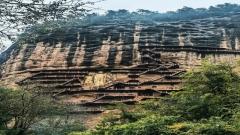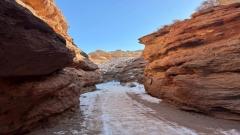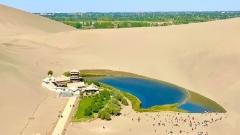

Mentioning summer travel, Qinghai always emerges as a dream summer retreat and photographer’s paradise in the minds of countless travelers, thanks to its refreshing coolness, crystal-clear azure skies, and vast, boundless landscapes. However, for international tourists planning a visit in August, the weather here is far from being simply summarized as “comfortably cool.” At this time, Qinghai is in a critical season where its weather is most dynamic and its scenery most richly layered. It might gift you the surprise of a double rainbow arching across the sky after rain, or it could present the challenge of a sudden temperature drop with wind and rain. Gaining a deep understanding of the complex character of Qinghai’s August weather is the essential first step in planning a safe, enjoyable, and rewarding plateau journey.
The Panorama of August Weather in Qinghai: Why is this the “Most Colorful Yet Most Demanding” Season?
In stark contrast to the scorching summer of eastern China, the main theme of Qinghai in August is coolness and variability. With an average altitude exceeding 3,000 meters, even at the height of summer, daytime highs in most areas typically range between 15°C to 25°C (59°F to 77°F), offering a perfectly comfortable escape from the heat. However, the so-called “Qinghai-Tibet Plateau climate” is not a single experience; its core characteristics are significant diurnal temperature swings, sudden weather shifts, and pronounced regional differences.
Under the midday sun, you might only need a light shirt; but as the sun sets or during overcast, rainy periods, temperatures can plummet, making it feel like you’ve experienced two different seasons in a single day. More importantly, August is Qinghai’s transition period from summer to early autumn and one of the year’s most concentrated periods for precipitation. Meteorologically, there’s a saying “late August to early September,” indicating a significantly higher probability of heavy rain and strong convective weather during this time.
August 2025 is particularly special. Meteorological data indicates that the average precipitation across Qinghai province this August is approximately 34.7% higher than the same period in normal years, ranking as the second-highest in the past decade. Frequent rainfall has led to saturated soil moisture, especially in the northeastern regions, meaning a correspondingly increased risk of geological hazards. Therefore, for this year’s August journey, while anticipating stunning landscapes, placing “safety preparedness” at the core of your planning is even more crucial.
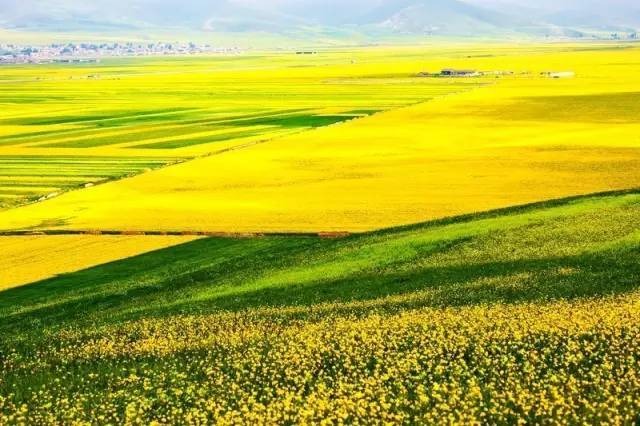
Rapeseed fields near Qinghai Lake
In-Depth Analysis of Climate Risks: Not Just Rain, but a Chain of Challenges
The weather challenges in Qinghai during August form an interlinked chain. Understanding this connectivity is paramount.
Frequent and Concentrated Precipitation: Rainfall is no longer a brief interlude but can evolve into prolonged periods of consecutive rainy days. Its characteristics are wide impact areas and long duration, which not only directly affect outdoor itineraries but also lay the groundwork for secondary disasters.
Risk of Chain-Triggered Secondary Disasters: This is the most critical aspect requiring vigilance for August travel in Qinghai. Sustained heavy rainfall has brought soil moisture content near saturation. Any new rainfall can become “the last straw,” easily inducing:
Flash Floods: In mountainous gully areas, short-duration heavy rain can cause stream water levels to rise abruptly.
Landslides and Debris Flows: The risk is extremely high along road sections near slopes and cliffs.
Road Disruptions and Traffic Hazards: Heavy rain reduces visibility and makes roads slippery. Mountain roads may be temporarily blocked due to these hazards.
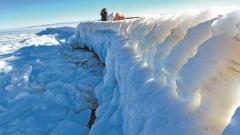
Pronounced Cooling and Extreme High-Altitude Weather: In late August, cold air activity becomes more frequent in Qinghai. A single heavy precipitation event can be accompanied by a temperature drop of 6-10°C (10.8-18°F) or even more. In high-altitude areas like the Qilian Mountains and Southern Qinghai, snowfall in August is not unheard of, with some regions even potentially experiencing frost. This poses a serious test for travel gear.
Regional Weather Guide and Landscape Forecast: How Should You Plan Your Itinerary?
Qinghai is vast, and different regions offer distinctly different weather and landscape experiences in August. Below is a detailed analysis of the main travel areas:
Northeastern Core Region
Xining, Haidong, Haibei (Menyuan, Qilian), Hainan (Qinghai Lake, Gonghe) :The most meteorologically complex zone in the province. Concentrated area of high risk for torrential rain. Frequent, high-intensity precipitation. Highest risk of geological hazards (landslides, debris flows). Noticeable cooling.
Qinghai Lake: The lakeside scenery takes on a unique charm with post-rain clouds and mist, but views are obstructed during storms. Menyuan Rapeseed Flowers: Nearing their end in August, transitioning to barley fields and grassland scenery. Qilian Mountains: “Switzerland of the East” landscapes, but mountain weather is highly changeable; you may encounter sudden showers or even snowfall.
Closely monitor rainstorm and geological hazard risk warnings (Yellow, Orange, Red levels) issued by the Qinghai Provincial Meteorological Bureau. Avoid traveling to mountainous or river valley areas during warning periods.
Southern Qinghai Plateau Region
Golog, Yushu (Three-Rivers-Source Region) : High altitude, low temperatures. Prone to prolonged rainy weather with lengthy precipitation periods. Snowfall is possible in high-altitude mountain pass areas.
Landscapes like Anyemaqen Snow Mountain and Nianbaoyuze (periphery) appear more vast and sacred. However, road conditions are relatively tougher, and weather impacts are amplified.
Focus on preventing road muddiness and poor accessibility due to continuous rain. Prepare your warmest clothing (down jacket essential) for near-winter conditions.
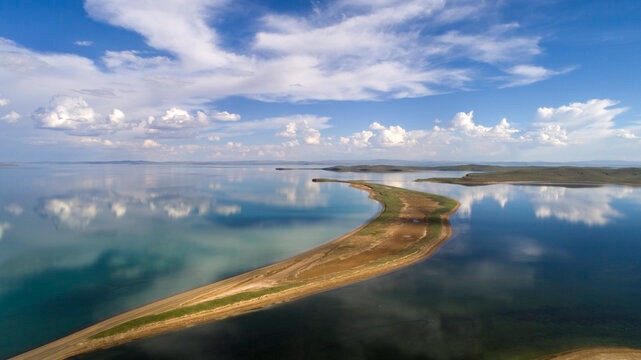
Ngoring Lake under the blue sky and white clouds
Qaidam Basin Region
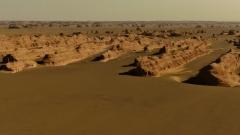
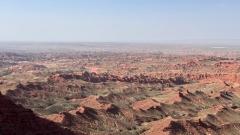
Haixi Prefecture (Golmud, Dachaidan, Mangya) : Relatively dry, less precipitation than the east. However, strong convective weather (thunderstorms, strong winds) is prominent; short-duration sandstorms may occur. Extreme diurnal temperature variation.
Scenic spots like Emerald Lake, Watery Yadan, and Devil’s Eye are less affected by weather, offering fantastic views on clear days. However, crosswinds on the Gobi can affect driving safety.
Wind and sand protection gear is important. Check vehicle condition, drive cautiously, especially on highways and during windy conditions.
Huangnan & Other Areas
Huangnan (Kanbula), Xunhua, etc: Similar to the northeast, part of the concentrated precipitation zone. High risk of torrential rain and geological hazards. |
Kanbula National Forest Park is enchanting with mist after rain, but mountain roads are steep and risks multiply post-rainfall.
Adopt safety precautions equivalent to those for the Northeastern Core Region. Never underestimate flash flood risks.
Exclusive Safety and Comfort Strategies for International Tourists
Faced with complex weather, thorough preparation is the cornerstone of a worry-free journey.
Pre-Trip Preparation & Packing List: Think Like a Local
Information Preparation:Download a reliable weather app for China or follow official meteorological channels. Don’t just check the temperature; pay close attention to warning information (for rainstorms, thunderstorms, geological hazards, flash floods).
Follow official Qinghai cultural tourism platforms (e.g., “Smart Travel Qinghai”) for updates on scenic area conditions and official travel advisories.
Clothing & Gear: Follow the “layering principle” to cope with “four seasons in a day.”
Base Layer: Moisture-wicking, quick-dry underwear.
Mid Layer: Fleece jacket or lightweight down jacket (Essential!).
Outer Layer: Windproof and waterproof hiking jacket (far more practical than a simple raincoat).
Extras: Warm hat, gloves (crucial for high-altitude areas), comfortable, waterproof hiking shoes.
Health & Protection:
Altitude Sickness: Consider preventive medication like Rhodiola rosea after consulting a doctor. Upon arrival, avoid strenuous activity, alcohol, and ensure ample rest. Carry a portable oxygen canister (available in Xining).
Sun Protection: SPF 50+ sunscreen, sunglasses, and a wide-brimmed hat are indispensable due to intense UV radiation.
Medication: Pack cold/flu medicine, gastrointestinal medication, pain relievers, and personal prescription drugs.
On-the-Go Strategies: Flexibility and Alertness are Paramount
Self-Driving & Chartered Vehicles:
Proactive Risk Avoidance: Upon receiving a Yellow or higher geological hazard or flash flood warning, immediately adjust your itinerary. Avoid mountainous areas, gullies, and riverbeds.
Safe Driving: Slow down in rain, steer clear of cliff-side or waterside road sections. If encountering road collapse or deep flooding ahead, turn back decisively—no risks.
Communication Plan: Cell signals may be lost in mountains. Download offline maps in advance and inform family/friends of your route.
Outdoor Activities:
Camping: Absolutely avoid setting up camp on riverbanks, in valleys, or at mountain bases. Choose elevated, open, official campsites.
Hiking & Photography: Inform others of your route and set a safe turn-back time. If you notice water turning muddy or hear unusual sounds of falling rocks, evacuate to higher ground immediately.
Culture & Environment: Respect local customs and religious beliefs. Qinghai’s ecosystem is fragile. Carry out all trash and do not disturb wildlife (be especially mindful that marmots may carry plague risks).
How China Dragon Travel Safeguards Your August Qinghai Journey
Under such complex and variable climatic conditions, choosing a travel partner deeply familiar with the region and rich in experience is key to minimizing risks and maximizing the value of your experience. With years of expertise in Qinghai, China Dragon Travel has developed a systematic safety assurance and emergency response framework specifically designed for August’s unique weather:
Dynamic Weather Monitoring & Proactive Itinerary Adjustment
Our itinerary planners and fleet leaders monitor official warnings from the Qinghai Meteorological Bureau and Transport Department in real-time during the journey. We do not rigidly stick to the original plan but possess the capability for “proactive flexible adjustment.” For example, if forecasts indicate a high risk of heavy rain on the eastern shore of Qinghai Lake the next day, we proactively adjust the schedule to less-affected areas like the Qaidam Basin or cultural sites in the city, avoiding risk zones at the source.
Team of Experienced Local Driver-Guides
Our drivers are not just chauffeurs; they are “weather interpreters” and “safety observers.” They know every alternative route, can perceive subtle shifts in weather through cloud formations and wind direction, and make professional judgments promptly. They will clearly advise passengers when it’s unsuitable to disembark or where to pass through quickly, serving as your most reliable guide during the trip
Enhanced Service Guarantees
Vehicle Assurance: We use high-clearance, 4WD off-road vehicles or commerical vans throughout the journey, which undergo regular, strict maintenance to ensure safety on slippery roads.
Standard Emergency Supplies: Each vehicle is routinely equipped with emergency oxygen canisters, altitude sickness medication, tire chains (for high-altitude snow), a first-aid kit, and ample water and high-energy food.
Accommodation Contingency Plans: We prioritize accommodations located in safe, accessible areas to facilitate quick regrouping or secure shelter in place during extreme weather.
Responsible Travel Experience Design
We firmly believe that the most beautiful scenery requires the safest arrival. Our route designs proactively avoid undeveloped “wild” spots and geologically high-risk sections, instead focusing on in-depth exploration of both classic and lesser-known experiences that ensure safety while showcasing Qinghai’s grandeur. In our view, a reliable itinerary is far more valuable than one that seems “adventurous.”
August in Qinghai uses its most dramatic weather to showcase the real and majestic vitality of the plateau to the world. The clouds, rain, wind, and snow here are not obstacles to travel but vital chapters in its magnificent epic. As long as you come with sufficient understanding, make thorough preparations, and choose trustworthy companions, then—whether it’s the double rainbow over Qinghai Lake after rain or the crystal-clear starry sky above the Qilian Mountains after a snowstorm—this land will bestow its most awe-inspiring, most pure beauty upon you without reservation.
China Dragon Travel sincerely invites you to begin your August Qinghai journey in a wiser, more unhurried manner. Let our professionalism safeguard your adventure as we together unveil the lesser-known yet soul-stirring alternative face of “Magnificent Qinghai” during the rainy season.