
How can you explore Mount Emei without battling endless crowds and truly soak up its ethereal beauty and profound spiritual charm? Most travelers follow the same cookie-cutter itinerary, rushing to snap quick photos at iconic landmarks like the Golden Summit and Wannian Temple amid throngs of tourists, missing the mountain’s most intimate and enchanting details. Spanning over 154 square kilometers, Mount Emei is far more than its famous spots—it boasts countless hidden valleys, ancient temples tucked away in forests, and immersive cultural experiences waiting to be discovered. This comprehensive guide shares practical off-peak tips, clever reverse itineraries, deep cultural activities and secret scenic spots to help you enjoy a relaxed, fulfilling trip and find inner peace amid the misty mountains and flowing streams.
Choose the Right Time: Enjoy Mount Emei Without the Crowds
Prioritize Weekdays to Escape Weekend Crowds
Weekdays are hands down the best time to visit Mount Emei if you want to avoid crowds. Visitor numbers plummet by at least 50% from Monday to Thursday compared to weekends, especially at popular spots like the Golden Summit and Qingyin Pavilion. You’ll be able to take unobstructed photos, wander through temples at your own pace, and listen to the sound of birds and streams without the constant hum of tourist chatter. If you can only travel on weekends, aim to catch the very first sightseeing bus up the mountain on Saturday morning, or arrive on Sunday afternoon after most day-trippers have left. This will help you skip the peak crowds that flood the scenic area from Saturday midday to Sunday midday, when even the widest trails can feel cramped and chaotic.
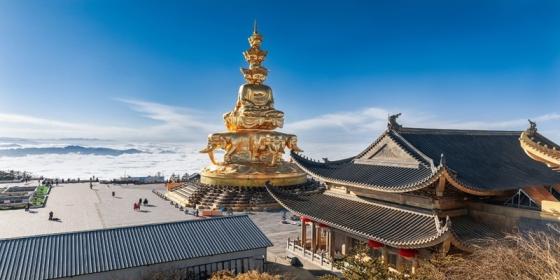
Golden Summit, Mount Emei
Seize the Golden Hours of the Day for Solitude
Within a single day, early morning and late evening are the golden windows for experiencing Mount Emei’s quiet magic. Between 6 a.m. and 8 a.m., the scenic area is nearly deserted. The air is crisp and fresh, filled with the scent of pine and wildflowers, and the only sounds are birds chirping and leaves rustling in the gentle breeze. You can watch the sun rise over the jagged mountain peaks and see the thick mist slowly lift from the valleys, revealing layers of green hills that stretch to the horizon. After 5 p.m., most day-trippers have boarded their buses back to the city, and the mountain returns to its peaceful, unspoiled state. The golden sunset casts a warm, amber glow over the ancient temple roofs and rolling hills, making it the perfect time for a leisurely walk or quiet meditation by a mountain stream.
Visit in Winter or Spring for Fewer Crowds and Better Experiences
While many travelers believe summer and autumn are the best seasons to visit Mount Emei, winter and spring actually offer far better experiences with significantly fewer tourists. In winter, the mountain is transformed into a magical winter wonderland, covered in a thick, sparkling blanket of snow. Visitor numbers drop to just one-third of the peak summer season, so you can enjoy the snow-covered landscapes without jostling for space at viewpoints or waiting in long lines for cable cars. Hot spring visits are also far more pleasant in winter—you won’t have to share the pools with dozens of strangers, and you can soak in the warm, mineral-rich waters while watching soft snowflakes fall around you. Spring, from March to April, is another excellent time to visit. The mountain comes alive with vibrant blooming azaleas that paint the hillsides pink and purple, and the weather is mild and comfortable, with temperatures ranging from 10°C to 20°C, perfect for long hikes. With far fewer tourists than summer, you can explore the trails and temples at a relaxed pace and truly connect with nature.
Reverse Itineraries: A Clever Way to Beat the Crowds
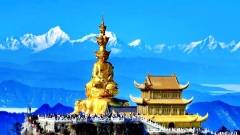
Most standard Mount Emei itineraries start at Baoguo Temple at the foot of the mountain, take a sightseeing bus up to Qingyin Pavilion, then Wannian Temple, and finally the Golden Summit. While this route is convenient and covers all the main attractions, it’s also the most crowded, with thousands of tourists following the exact same path every day. To avoid the masses and have a more peaceful experience, try a reverse itinerary—starting from the top of the mountain and working your way down. This simple change will put you ahead of the crowd and let you enjoy the most popular spots when they’re almost empty.
Full Reverse Itinerary: For Deep Travelers with Ample Time
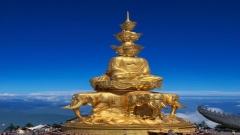
The full reverse itinerary is ideal for travelers who have two full days and want to experience the best of Mount Emei without the crowds. On the first day, catch the earliest possible sightseeing bus directly to Leidongping, which departs at around 6 a.m. from Baoguo Temple. Then take the cable car up to the Golden Summit. Arriving this early means you’ll have the Golden Summit almost to yourself—you can watch the breathtaking sunrise over the sea of clouds, explore the magnificent Ten-Faced Samantabhadra Statue and Huazang Temple, and take stunning photos without any photobombers ruining your shots. After a simple lunch at one of the restaurants on the Golden Summit, take the cable car back down to Leidongping, then hike down to Elephant Washing Pool. This scenic hiking trail is rarely crowded, and you’ll pass through lush, ancient forests, spot playful wild monkeys swinging from the trees, and see rare alpine plants along the way. Spend the night at the temple at Elephant Washing Pool, where you can experience the simple, peaceful life of Buddhist monks, eat a traditional vegetarian dinner, and listen to the evening bells echo through the mountains.
On the second day, start early from Elephant Washing Pool and hike down through Yuxian Temple, Jiulao Cave, and Hongchunping to Qingyin Pavilion. This is widely regarded as one of the most beautiful hiking trails in Mount Emei, with towering ancient trees overhead and clear, gurgling streams running alongside the path. You’ll encounter almost no other tourists on this stretch, so you can take your time to admire the scenery, stop to listen to the sounds of nature, and take photos whenever you want. In the afternoon, explore Qingyin Pavilion and the dramatic One-Line Sky gorge, then take the sightseeing bus back down to Baoguo Temple to end your unforgettable trip.
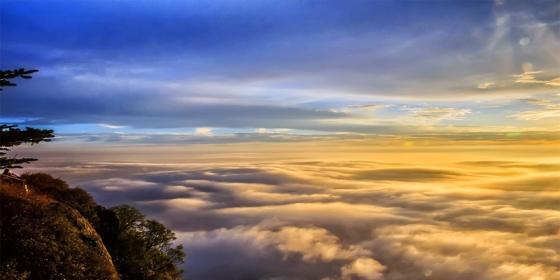
Cloud Sea, Mount Emei
Semi-Reverse Condensed Itinerary: Great for Time-Crunched Travelers
If you only have one day or limited time, you can still avoid the worst of the crowds with a semi-reverse itinerary. Start by taking the sightseeing bus directly to Wannian Temple and explore the temple first. Wannian Temple is one of the oldest and most important temples in Mount Emei, with a history dating back over 1,600 years. Then hike down to Qingyin Pavilion—this downhill hike is easy and scenic, taking about 45 minutes, and you’ll be going against the flow of most tourists, who hike uphill from Qingyin Pavilion to Wannian Temple. This means you’ll have the trail almost to yourself. After visiting Qingyin Pavilion and One-Line Sky, take the sightseeing bus up to the Golden Summit. By the time you arrive at the Golden Summit, most day-trippers will have already left, so you can enjoy the panoramic views and explore the attractions without the crowds. This itinerary allows you to see all the main highlights of Mount Emei while skipping the busiest parts of the standard route.
Beyond Checklists: Deep Experiences to Truly Understand Mount Emei
Mount Emei is more than just a collection of scenic spots—it’s a UNESCO World Heritage Site with over 2,000 years of cultural and spiritual history, and there are many immersive experiences that will help you connect with its soul. Instead of just rushing from one landmark to the next checking items off a list, take the time to participate in these activities and create lasting, meaningful memories.
Zen Meditation Retreat: Experience Serene Temple Life Away from the Hustle
One of the most unique and transformative experiences Mount Emei has to offer is a short-term Zen meditation retreat at one of its ancient temples. Many temples, including Wannian Temple, Baoguo Temple, and Elephant Washing Pool Temple, offer 1-2 day retreats for visitors of all backgrounds, regardless of religious belief. During the retreat, you’ll live alongside the monks, following their daily schedule: waking up early for morning prayers, eating simple, delicious vegetarian meals prepared by the temple, practicing meditation in the quiet temple halls, and helping with light chores like gardening or cleaning. This is a rare opportunity to disconnect from the constant noise and stress of modern life, quiet your mind, and gain a deeper understanding of Buddhist philosophy and culture. Even if you’re not religious, the peaceful atmosphere and slow, intentional pace of temple life will leave you feeling refreshed, centered, and rejuvenated.
Soothing Hot Springs: Unwind Amid Stunning Mountain Scenery
No trip to Mount Emei is complete without a visit to its famous hot springs. The mountain is rich in geothermal resources, with natural hot springs that have been used for their healing properties for centuries. There are many hot spring resorts and guesthouses scattered throughout the area, ranging from luxury resorts with multiple pools and spa facilities to small, family-run guesthouses with private hot spring tubs. In winter, soaking in a warm, mineral-rich hot spring while surrounded by snow-covered mountains and listening to the sound of a nearby stream is an absolutely unforgettable experience. While the large, popular resorts are convenient, we recommend seeking out smaller, hidden hot spring guesthouses in the villages around the mountain. These hidden gems offer a more intimate and peaceful atmosphere, with lower prices (usually around 100-200 RMB per person) and far fewer crowds. You can relax in the natural hot spring waters for hours, letting all your worries and tiredness melt away.
Tea Tasting & Culture: Savor the Unique Flavors of Emei Tea
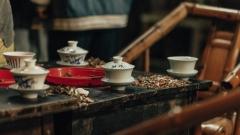
Mount Emei is one of China’s most famous tea-producing regions, and it’s the birthplace of Zhuyeqing Green Tea, a premium green tea known for its delicate, fresh flavor and beautiful, needle-like appearance. The mountain’s high altitude, misty climate, and fertile soil create the perfect conditions for growing high-quality tea. Many tea plantations on the mountain offer authentic tea culture experiences for visitors. You can tour the lush tea plantations, learn about the entire process of growing and processing tea leaves from local farmers, and even try your hand at picking tea yourself during the harvest season (spring and early summer). Afterward, you can sit down with a local tea master in a traditional tea house, overlooking the tea fields, and taste a cup of freshly brewed Zhuyeqing Tea. The tea master will explain the history and culture of tea in Mount Emei, and teach you how to properly brew and appreciate this exquisite tea. Some plantations also offer elegant tea ceremony performances, which are a beautiful way to experience the art of Chinese tea culture.
Hiking Adventures: Explore Mount Emei’s Untamed Wilderness
For outdoor enthusiasts, Mount Emei offers a wide range of hiking trails, from easy, leisurely walks along paved paths to challenging, multi-day mountain climbs. Beyond the popular hiking routes that most tourists take, there are many lesser-known trails that lead to hidden valleys, cascading waterfalls, and breathtaking panoramic viewpoints. The Ten Thousand Buddha Summit hiking trail, for example, is a 3-kilometer trail from the Golden Summit to the highest point of Mount Emei. This trail is well-maintained but rarely crowded, and it offers stunning views of the entire mountain range as you hike. The back mountain hiking trails are another great option—they’re more rugged and less developed, so you can experience the raw, untamed beauty of Mount Emei’s wilderness. Always wear comfortable, sturdy hiking shoes and bring plenty of water and snacks, as there are few facilities on these lesser-known trails.
Hidden Gems of Mount Emei: Beautiful Spots Most Tourists Miss
While the Golden Summit, Wannian Temple, and Qingyin Pavilion are certainly worth visiting, some of Mount Emei’s most beautiful and magical spots are hidden away from the main tourist routes. These secret places are quiet, unspoiled, and offer a glimpse into the mountain’s true natural and spiritual beauty that most visitors never get to see.
Elephant Washing Pool: Serene Moonlit Nights and Quiet Contemplation
Elephant Washing Pool is one of the most underrated and peaceful spots in Mount Emei. Located at an altitude of 2070 meters in the middle of the mountain, it gets its name from the ancient legend that Samantabhadra Bodhisattva washed his white elephant here before ascending to enlightenment. The temple at Elephant Washing Pool is simple and elegant, with traditional wooden architecture and a small, clear pool in the courtyard. The area is surrounded by ancient cedar trees and lush vegetation, and it’s incredibly quiet—you can hear a pin drop during the week, when almost no tourists visit. It’s also widely considered the best place in Mount Emei to watch the moon. On clear, starry nights, the bright moonlight reflects off the surface of the pool, creating a magical and serene atmosphere that’s perfect for quiet contemplation and meditation.
Hongchunping Temple: A Forest Oxygen Bar with Misty Morning Magic
Hongchunping Temple is another hidden gem tucked away in the dense forests of Mount Emei. Located at the foot of Tianchi Peak, it’s named after the thousand-year-old Hongchun tree that stands majestically in front of the temple. The temple itself is a masterpiece of traditional Chinese architecture, with beautifully carved wooden beams, colorful murals, and many precious cultural relics and stone tablets inside. The surrounding forest is a natural oxygen bar, with fresh, clean air that’s rich in negative ions—perfect for a leisurely walk and deep breathing. One of the most famous and enchanting sights at Hongchunping is “Hongchun Morning Rain”. On misty mornings, the mountain is covered in a thin, ethereal layer of fog, and tiny droplets of water fall gently from the leaves of the ancient trees, creating a dreamlike, fairy-tale atmosphere that will take your breath away.
Yuxian Temple: A Secluded Sanctuary with Ethereal Energy
Yuxian Temple, also known as Fairy Encounter Temple, is the most mysterious and secluded temple in Mount Emei. Located below Jiulao Cave, deep in the mountains, it’s named after the legend that a weary traveler once met an immortal here who granted him wisdom and longevity. The temple is very small, with only a few simple rooms and a tiny courtyard, but it’s surrounded by towering green mountains and clear, gurgling streams, creating a peaceful and ethereal atmosphere that feels like a world apart. Almost no tourists visit Yuxian Temple, so you can sit quietly in the courtyard for hours, listening to the sound of the stream and the wind in the trees, and feel the deep spiritual energy of the mountain. It’s the perfect place to escape the hustle and bustle of the tourist trails and find a moment of true peace and solitude.
Ten Thousand Buddha Summit: Panoramic Views and Unmatched Natural Wonders
Ten Thousand Buddha Summit is the highest point of Mount Emei, standing at an impressive 3099 meters above sea level. While it’s officially open to tourists, it’s much less crowded than the Golden Summit because it’s only accessible by hiking—there’s no cable car or road leading to the top. The 3-kilometer trail from the Golden Summit to Ten Thousand Buddha Summit is well-maintained and relatively easy, with a gentle slope and beautiful views of the mountain range along the way. From the summit, you can enjoy unobstructed panoramic views of the entire Mount Emei Scenic Area, with rolling green hills stretching as far as the eye can see. You’ll also have a much better chance of seeing Mount Emei’s famous natural wonders—like the sea of clouds, sunrise, and Buddha’s halo—than you would at the crowded Golden Summit. Standing at the top of the mountain, surrounded by endless clouds and peaks, you’ll feel like you’re on top of the world.
Essential Tips to Avoid Pitfalls and Ensure a Smooth Trip
Now that you know how to explore Mount Emei off the beaten path, here are some practical, essential tips to help you avoid common pitfalls and make your trip as smooth, safe, and enjoyable as possible.
Monkey Safety Tips: How to Avoid Unwanted Encounters
Many travelers have had unpleasant experiences with the wild macaque monkeys in Mount Emei, but with the right precautions, you can easily avoid being harassed. First and foremost, never carry plastic bags or transparent bags—monkeys are extremely attracted to them and will immediately try to grab them, thinking they contain food. Avoid wearing bright, colorful clothing or shiny accessories, as these can also draw their attention. Never feed the monkeys under any circumstances—this makes them more aggressive and teaches them to associate humans with food. Don’t make direct eye contact with monkeys, as they may interpret this as a threat or a challenge. If a monkey tries to grab your belongings, don’t panic, scream, or fight back—slowly back away and let the monkey take the item. If you are scratched or bitten by a monkey, go to the nearest medical station in the scenic area immediately for proper wound treatment and vaccination.
Accommodation Hacks: Book Ahead to Avoid Scams
Don’t fall for the scams of the aggressive touts who try to lure you into hotels and guesthouses at the entrance of the scenic area. These establishments are almost always overpriced, with poor conditions and bad service. Instead, book your accommodation online in advance through reputable travel platforms, and choose a location that’s convenient for your itinerary. If you want to experience the unique temple accommodation, be sure to call the temple directly and make a reservation well in advance—temple rooms are very limited and often book up quickly, especially during peak seasons. Temple accommodation is simple and basic, with shared bathrooms and no frills, but it’s clean, affordable (usually around 150-300 RMB per night), and offers an unforgettable experience of mountain temple life.
Food Guide: Skip Tourist Traps for Authentic Emei Cuisine
Avoid eating at restaurants right outside the main scenic spots—they’re usually overpriced, serve mediocre, mass-produced food, and often have poor hygiene standards. Instead, head to the city center of Emei City outside the scenic area, or visit local farmhouses in the villages around the mountain, for authentic, delicious Emei cuisine at reasonable prices. Some must-try local dishes include Emei tofu pudding (a silky, savory tofu dish with spicy sauce), snow konjac braised duck (a hearty dish made with local snow konjac and tender duck), and Emei eel shreds (a spicy, flavorful stir-fry made with fresh eel). These dishes are made with fresh, local ingredients and have unique, bold flavors that you won’t find anywhere else.
Transportation Tips: Choose Official Vehicles and Drive Safely on Mountain Roads
Never take unlicensed “black cabs” or private cars offered by touts—they charge exorbitant prices (often 2-3 times the official rate) and are not insured or regulated, making them unsafe. The official sightseeing buses and public buses in the scenic area are affordable, reliable, and safe, with fixed routes and schedules. If you’re driving to Mount Emei, be extra careful on the mountain roads. The roads are narrow, winding, and have many sharp turns and steep slopes, so drive slowly and stay alert at all times. Always obey the traffic rules, keep a safe distance from other vehicles, and be prepared for sudden changes in weather conditions—fog and rain are common in the mountains, and they can reduce visibility significantly.
Travel at Your Own Pace to Truly Appreciate Mount Emei
There is no one “right” way to visit Mount Emei; the best itinerary fits your schedule, interests and travel style. Instead of rushing to check off landmarks, slow down, wander off the beaten path and truly connect with its natural and spiritual beauty—whether meditating in an ancient temple at dawn, hiking through a misty forest or soaking in a hot spring under stars. If you don’t want to plan, book a customized tour with China Dragon Travel; their local guides know hidden spots and handle all details. We hope this guide inspires you to plan an unforgettable off-peak trip, filled with peace, beauty and lasting wonder.