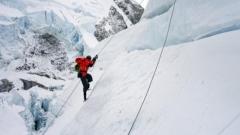

Located in the northwestern heart of Nagqu, Baingoin sits at the core of the northern Tibetan Plateau, linking sacred lakes, endless grasslands, and ancient nomadic routes. With an average elevation of 4,745 meters, this highland county remains largely untouched by mass tourism. Instead of crowded attractions, travelers encounter crystal-clear lakes, sweeping plains, snow-capped mountains, and the enduring rhythm of pastoral life. For those seeking authenticity and vast open landscapes, Baingoin is not merely a stop along the way, but a destination that invites time, patience, and deeper exploration.
Transportation Guide of Baingoin
Reaching Baingoin requires careful transportation planning due to its plateau location. Choose based on your schedule and budget, and prioritize altitude sickness prevention by slowing your pace throughout the journey.
External Transportation
Chartering a car or joining a group tour is highly recommended. Departing from Lhasa City, the 480-kilometer journey takes 8-9 hours, passing through Damxung County and Nyenchen Tanglha Mountains Viewpoint. Traverse the Northern Tibet Grassland, stopping anytime to capture snow-capped peaks, grasslands, and yak herds while acclimating to the altitude. Charter fees vary by vehicle type: off-road vehicles (e.g., Prado, Tank 300) cost RMB 1,200-1,500 per day, ideal for groups to share costs and flexibly explore hidden spots; sedans are cheaper (RMB 800-1,000 per day) but may struggle on rough roads. Note: No direct trains connect Nagqu to Baingoin, and public buses are not recommended—they offer infrequent schedules, long travel times, and no stops for sightseeing.
Internal Transportation
Baingoin County spans a vast area with scattered attractions and mostly dirt roads, making public transport impractical. Charter a car in the county seat: round-trips to core attractions like Bamu Lake or Nam Co’s northern shore cost RMB 500-800 per day. Local drivers know the roads, best photo spots, and local customs, ensuring a hassle-free trip. For remote destinations like Qiangtang Nature Reserve or Seling Co’s outskirts, confirm road conditions in advance, carry emergency gear (e.g., snow chains), and obtain a border pass (available in your hometown or Lhasa) to avoid itinerary disruptions.
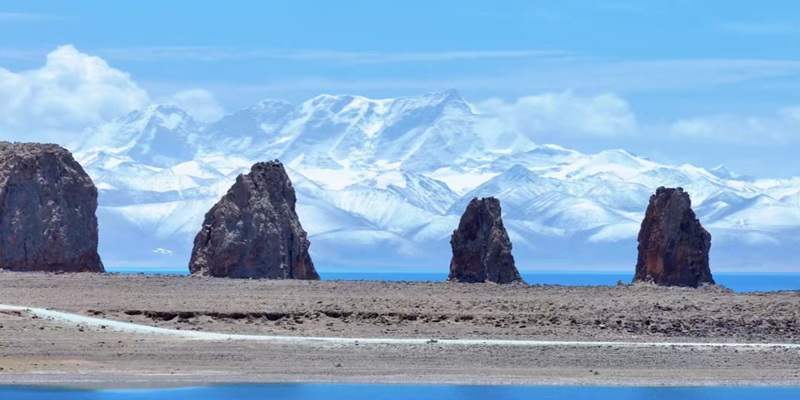
Baingoin
Best Time to Visit Naqu Baingoin
The prime travel window is June to September—Northern Tibet’s most comfortable season. Daytime temperatures range from 5℃ to 20℃, with lush green grasslands dotted with wildflowers, yaks, sheep, and nomadic tents. Afternoon showers are short-lived, leaving the sky crystal clear, grasslands greener, and snow-capped mountains glowing in the sun. Lucky visitors may witness rainbows arching over lakes and grasslands.
May and October are also excellent choices. In May, the grassland awakens with tender green shoots, contrasting beautifully with unmelting snow-capped mountains and blue lakes. With fewer tourists, it’s perfect for those seeking tranquility. October brings autumn’s golden hues, blending with azure lakes, white snow, and clear skies—ideal for photography. Temperatures drop to -5℃ to 15℃, but sunny weather and sufficient sunshine make it enjoyable with proper warmth.
Warning: November to March is harsh winter, with temperatures below -20℃, closed scenic areas, icy roads, and lower oxygen levels (higher altitude sickness risk). Only professional adventurers should visit; regular travelers are advised to avoid winter to ensure safety.
Recommended Must-See Attractions in Naqu Baingoin
Baingoin’s attractions blend natural splendor and cultural depth, from sacred lakes to grasslands, heritage sites, and intangible cultural heritage. Plan your itinerary to experience its unique charm.
Northern Shore of Nam Co: The Enchanted Holy Elephant Tianmen
A signature Baingoin attraction, Nam Co’s northern shore retains its primitive, vast beauty. Holy Elephant Tianmen, located in Qinglong Township (60km from the county seat), is a stunning natural rock formation resembling a giant elephant drinking from the lake. Reopened in October 2024 with upgraded ecological protection (protective railings and designated viewing platforms), it requires advance booking via the “Youzangyou” mini-program 3 days prior (ticket: RMB 100 per person, including shuttle bus).
The journey to Holy Elephant Tianmen offers panoramic views of grasslands and winding lake shores, where sky and water merge into a seamless blue. Dawn brings mist-shrouded serenity, while dusk paints the landscape golden—perfect for photographers. Respect local customs: do not step on Mani Stone Mounds or Prayer Flags, avoid swimming in the lake, and take all trash with you.
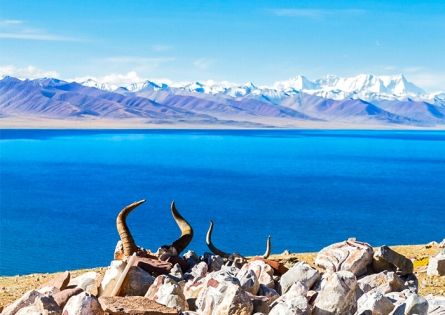
Namtso
Seling Co (Baingoin Section): The Dynamic Beauty of a Plateau Sacred Lake
Tibet’s largest saltwater lake, Seling Co spans Baingoin, Shenza, and Nyima counties. Its crystal-clear waters shift colors with weather and light—azure, emerald, and deep blue—like a giant gem in the grassland. Steeped in religious legend (linked to Padmasambhava), it’s revered by local herders.
The surrounding plateau wetlands are a haven for rare wildlife. In summer, black-necked cranes, bar-headed geese, Tibetan wild asses, and Tibetan gazelles thrive here, creating harmonious scenes of nature and animals. Visit on sunny days for optimal light, use telephoto lenses to photograph wildlife from a distance, or capture aerial views of the lake’s winding shores and salt formations. Note: Strictly avoid entering restricted areas; trespassing may result in fines. Do not disturb wildlife.
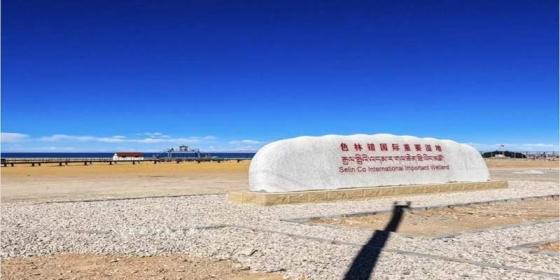
Seling Co
Bamu Lake: A Hidden Gem
Known as Nam Co’s “sister lake,” Bamu Lake is a free, lesser-known sacred lake in Pubao Town. Its clear blue waters, winding shores, and surrounding grasslands and snow-capped mountains offer tranquility away from crowds.
July to August brings vibrant purple Meconopsis blooms, creating a fairy-tale scene with the lake, grasslands, and snow. At night, it’s an ideal stargazing spot—far from light pollution, the Milky Way shines brightly, perfect for long-exposure astrophotography. Hike along the shore (in groups) and dress warmly, as lake breezes are strong.
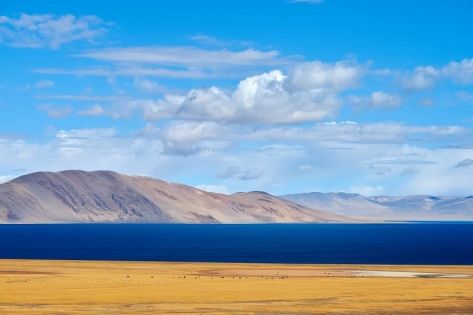
Bamu Lake
Baingoin Grassland: Vast Poetry of Northern Tibet
A core landscape running through Baingoin County, Baingoin Grassland is an expansive, pure, and healing part of the Northern Tibet Grassland. Stretching to the horizon, it blends green grass, blue sky, white clouds, and snow-capped mountains, with gentle breezes carrying the scent of grass and yak milk.
Experience authentic nomadic life: enter yurts to taste butter tea and tsampa, and listen to herders’ stories. Summer’s Horse Racing Festival is a grand celebration—watch horse racing, archery, and traditional dances, or join in horse riding and camping. Camp under the stars with warm tents and sleeping bags for a unique experience.
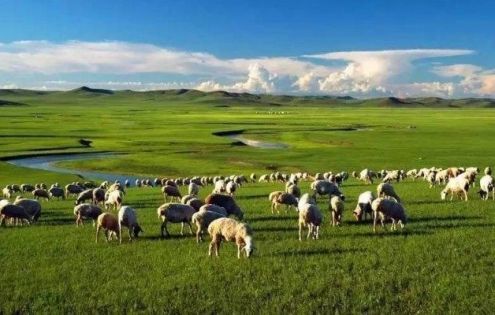
Nyima Xoeqen: Intangible Cultural Heritage Charm
A national-level Intangible Cultural Heritage, Nyima Xoeqen originated in Nyima Township. “Nyima” means “sun” in Tibetan—young herders traditionally danced to celebrate harvests and festivals, expressing daily life (e.g., sheep grazing) through graceful movements and singing.
Dancers wear colorful Tibetan costumes and headdresses, performing to melodious Tibetan music. The art form has evolved, blending tradition with modern themes. Visit Nyima Township for a chance to watch performances and immerse yourself in Northern Tibet’s cultural heritage.
Naqu Baingoin Accommodation Guide
Accommodation is basic but functional, concentrated in the county seat (more convenient for dining and acclimation). Scenic area accommodations are sparse and simple.
Budget-Friendly Options
Ideal for cost-conscious travelers: mid-range hotels/guesthouses in the county seat (RMB 200-300 per night). Rooms include beds, desks, water heaters, and electric blankets. Some offer free Tibetan-style breakfast (tsampa, butter tea, porridge, steamed buns). Conveniently located near main roads, with nearby restaurants and supermarkets.
Unique Experience Stays
For adventure seekers: Holy Elephant Tianmen Starry Sky Tents (RMB 100 per person) include electric blankets and basic oxygen supplies (bring sleeping bags and toiletries). Enjoy stargazing and sunrise views. RV Camping (RMB 2,000 per night) offers private bathrooms and lake-view skylights—perfect for families or couples (book 1 week in advance).
Luxury Comfort Stays
For those prioritizing comfort: high-end hotels like Nam Co Holiday Hotel and Baingoin Hotel (RMB 600-800 per night). Equipped with air conditioning, humidifiers, and medical oxygen concentrators to ease altitude sickness, plus 24-hour hot water, free breakfast, and shuttle services. Ideal for travelers with health concerns or high accommodation expectations.
Naqu Baingoin Food Guide
Tibetan cuisine dominates—rich, warming, and anti-altitude sickness—with a few Sichuan restaurants available.
Must-Try Tibetan Staples
- Butter Tea: Made from yak milk, butter, and tea, this savory drink warms the body and relieves altitude sickness. Pair with tsampa.
- Tsampa: A staple of roasted barley flour mixed with butter and warm water—chewy, filling, and energy-boosting.
- Ginseng Fruit Rice: Sweet and glutinous, made with potentilla anserina, butter, and sugar—popular at festivals.
Featured Meats
- Air-dried Yak Meat: A portable delicacy—salted and air-dried to preserve flavor. Chewy and savory, ideal for snacks or gifts.
- Tibetan Hot Pot: Simmered with yak bone broth, fresh yak meat, mutton, wild mushrooms, and vegetables. Dip in Tibetan sauces—warm and delicious. Try Qinglong Tibetan Restaurant or Basang Restaurant (RMB 60-80 per person).
- Roasted Mutton: Tender Tibetan mutton roasted to crispy perfection with salt and cumin. Enjoy whole roasted lamb at Horse Racing Festival night markets with highland barley wine.
Featured Dairy Products
- Yak Yogurt: Thick, tangy, and unsweetened—pair with honey to aid digestion and relieve altitude-related stomach issues.
- Milk Residue Cake: Fried with milk residue, roasted barley flour, and butter—crispy, sweet, and fragrant. Available in markets and supermarkets.
Dining Tips
- Restaurants cluster along main roads in the county seat (reasonable prices); scenic area food is expensive (e.g., tomato and egg noodles cost RMB 40 per bowl). Bring snacks like self-heating rice.
- Limit highland barley wine consumption—alcohol worsens altitude sickness.
- Some restaurants only accept cash; carry enough RMB.
Travel Tips: Smooth Journey in Baingoin
Altitude Sickness Prevention
- Take Rhodiola 7 days in advance to acclimatize.
- After arrival, avoid strenuous exercise (running, jumping). Rest, drink plenty of water, and eat fruits and vegetables.
- Carry emergency supplies: oxygen cylinders, glucose oral solution. Seek medical help in the county seat for severe symptoms.
Warm Clothing
Drastic day-night temperature differences require warm layers: down jackets, jackets, thick sweaters, thermal underwear, scarves, hats, gloves, and snow boots. Even in summer, bring warm clothes for mornings and evenings.
Ecological Protection
- Respect the fragile ecosystem: do not step on grasslands, pick flowers, disturb wildlife, or litter.
- Strictly prohibit entering Qiangtang Nature Reserve’s restricted areas (fines: RMB 100-5,000 for trespassing).
Cultural Respect
- Ask permission before photographing herders, temple statues, Prayer Flags, or Mani Stone Mounds.
- Remove hats and remain quiet in temples; do not touch artifacts.
- Be polite to locals and avoid sensitive topics.
Other Notes
- Book accommodation and charters in advance.
- Carry ID and border passes (checkpoints are common).
- Protect against strong UV rays: bring sunscreen, sunglasses, and hats.
- Download offline maps—mobile signal is weak in remote areas.
- Pack common medicines: cold medicine, fever reducers, stomach remedies, and motion sickness pills.
Traveling Deeper into Northern Tibet Through Baingoin
The true appeal of Baingoin lies in its wholeness rather than any single landmark. From the remote northern shore of Lake Namtso and the immense expanse of Siling Co, to the rolling grasslands and living traditions of local herders, Baingoin presents northern Tibet in its most genuine form. Traveling here offers insight into a land where nature, belief, and daily life remain closely intertwined, revealing the profound scale and quiet depth of the plateau.
Due to its high altitude and remote location, visiting Baingoin requires careful planning and local knowledge. Working with an experienced travel team helps ensure a journey that is safe, well-paced, and culturally respectful. China Dragon Travel specializes in customized routes across Nagqu and northern Tibet, assisting travelers in exploring regions like Baingoin with confidence, comfort, and a deeper understanding of the land they traverse.