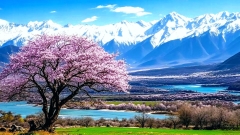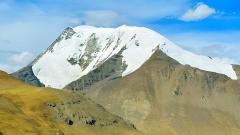

Where are the best photography locations in Tibet? When is the ideal time to capture the golden sunrise over the Potala Palace, the majestic north face of Mount Everest, or the mirror-like reflections of sacred alpine lakes? Known as the “Roof of the World,” Tibet offers a breathtaking blend of dramatic landscapes, spiritual heritage, and pristine wilderness. However, the region’s high altitude and rapidly changing light conditions demand careful planning.
Nature Locations for Photography in Tibet
Mount Everest
- Best Spots: Rongbuk Monastery, the world’s highest-altitude monastery, faces Everest directly and is the premier location for classic Everest shots. Gyawu Pass offers a panoramic view of five 8,000-meter peaks, making it an excellent spot for capturing Everest and the surrounding mountains.
- Best Season: September to October offers the most stable weather and highest visibility. Spring (April to May) is also a good time. Winter is severely cold, and Everest Base Camp may be closed; travel is not recommended.
- Best Time: The golden summit, or “Golden Mountain,” can be photographed from 30 minutes before sunrise to one hour after sunrise; the period from 30 minutes before to just after sunset is also suitable. At night, far from light pollution, the Everest area is an excellent location for star photography.
- Equipment Recommendations: A telephoto lens (200mm or more) for close-ups of Everest; an ultra-wide-angle lens (14-24mm) for star photography; a tripod is essential in low-light conditions.
Mount Kailash
- Best Spots: Mount Kailash Base Camp is the best location for a front panorama of the sacred mountain. Various passes along the kora route offer different angles. The shores of Lake Manasarovar provide a classic composition with the sacred mountain and sacred lake in the same frame.
- Best Season: Summer and autumn (June to October) offer relatively mild weather and open kora routes, making it the best time for photography. Winter has deep snow, and the kora route is closed.
- Best Time: The mountain is illuminated by the morning sun, appearing golden-red, within the first hour after sunrise; the light is softest from 30 minutes before to just after sunset.
- Equipment Recommendations: A wide-angle lens (16-35mm) for expansive shots of the mountain and its surroundings; a telephoto lens (70-200mm) for close-ups and details.
Namtso Lake
- Best Spots: Tashi Dor Peninsula is the classic spot for panoramic shots combining the lake, snow mountains, and the peninsula. There are multiple pull-offs along the highways around the lake for different angles.
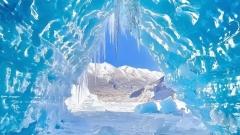
- Best Season: In spring (April to mid-May), the lake is deep blue, and the mountains have thick snow, creating pure images. Summer (June to September) has mild weather with wildflowers blooming by the lake. In winter, the lake freezes, offering unique blue ice formations.
- Best Time: The light is soft, and the lake’s color is most saturated before 10 AM; the golden sunset on the mountains and lake can be captured in the late afternoon. At night, the starry sky is brilliant, making Namtso an excellent spot for star photography.
- Equipment Recommendations: A wide-angle lens (16-35mm) for panoramic lake shots and star photography; a polarizing filter can reduce water reflections and enhance color saturation.
Yamdrok Lake
- Best Spots: The Gangbala Pass viewpoint (4950m) overlooks the serpentine river course of Yamdrok Lake. The near-water viewing platform is good for close-up shots with yaks and sheep by the lake. Lulila Viewpoint offers a wide, open panorama. Ritode Temple, on a peninsula tip, provides a unique composition of the lake surrounding the temple.
- Best Season: The lake is a brilliant blue in summer, contrasting with the blue sky and white clouds. Autumn offers the richest color layers. In winter, the lake may freeze, creating blue ice formations.
- Best Time: The lake’s colors are most vivid in the morning when the sun shines from the east; mountain reflections can be captured in the afternoon; the light is softest 30 minutes before sunset.
- Equipment Recommendations: A 24-70mm standard zoom lens is suitable for lake panoramas; a polarizing filter is essential for reducing water surface reflections.
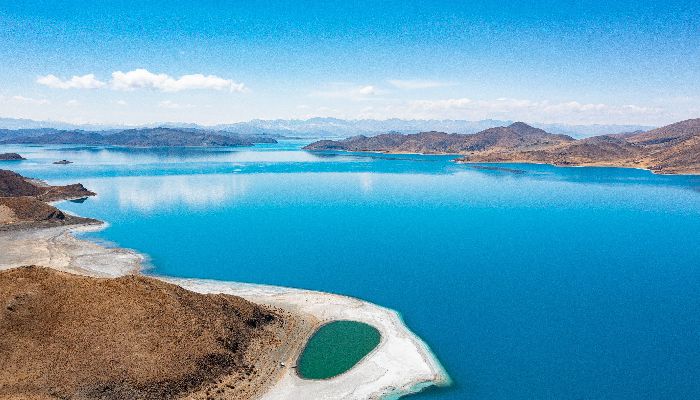
Yamdrok Lake in Tibet
Cultural Locations for Photography in Tibet
Potala Palace
- Best Spots: The Yaowangshan Viewing Platform captures the front of the Potala Palace. The mirrored floor tiles on the east side of Potala Palace Square can create a perfect architectural reflection. The lake at the north gate of Zongjiao Lukang Park offers a serene composition of the palace and weeping willows.
- Best Time: The light is softest, and the golden roof shines under the morning sun within the first hour after sunrise; the transition between golden sunset and blue hour can be captured from 30 minutes before to 30 minutes after sunset. For night shots, use the water accumulation or mirrored tiles in Potala Palace Square for reflections.
- Equipment Recommendations: A 24-70mm standard zoom lens is recommended for palace panoramas; a 70-200mm telephoto lens is needed for details and distant elements. A tripod is essential for night photography.
Barkhor Street
- Best Spots: Barkhor East Street and Barkhor South Street are the most crowded sections for the kora, suitable for capturing the dynamic movement of pilgrims and circumambulators. The third floor of the Makye Ame restaurant is a classic spot for photographing the crowds on Barkhor Street with a distant view of the Potala Palace.
- Best Time: The light is softest between 5:00 and 6:00 PM, creating atmospheric silhouettes of the kora crowds. Pilgrims are most concentrated in the early morning, suitable for photographing the kora rituals when the light from the east creates strong facial contours.
- Equipment Recommendations: A 50mm prime lens is excellent for street photography with a natural perspective close to the human eye. A 70-200mm telephoto lens can capture details and compress the background without disturbing subjects.
Jokhang Temple
- Best Spots: The golden roof of Jokhang Temple overlooks the Barkhor Street panorama. The temple square is suitable for photographing pilgrims performing prostrations. The second-floor platform captures details of the golden roof and prayer wheels with rich light and shadow.
- Best Time: The golden roof is brilliantly lit from 9:00 to 11:00 AM, the best time for exterior shots. Pilgrims are most concentrated in the square from 7:00 to 8:00 AM, ideal for religious ceremonies. The warm evening light is good for temple silhouettes against the surroundings.
- Equipment Recommendations: A 16-35mm wide-angle lens is suitable for temple panoramas and wide square scenes. A 24-70mm standard zoom lens is for golden roof details and portraits. Interior lighting is dim; a large aperture lens (f/1.4 or f/2.8) with higher ISO is recommended, avoiding flash.
- Note: Photography is prohibited inside the Jokhang Temple. Maintain a respectful distance from pilgrims, avoiding interference with their religious activities. Be careful with your equipment on the windy golden roof area.
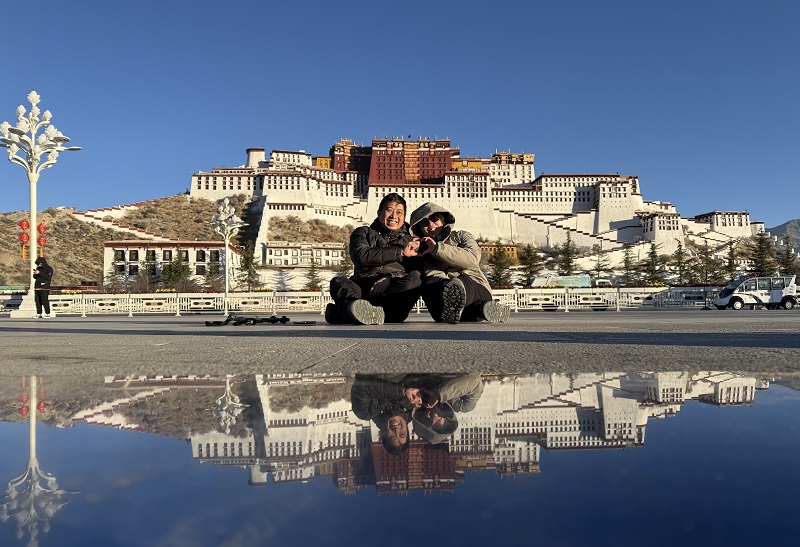
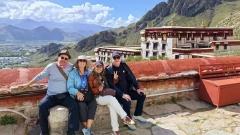
Potala Palace Tourist Photos
Photography for Ruins in Tibet
Zanda Earth Forest
- Best Spots: The top of the Guge Kingdom ruins is the best vantage point to overlook the entire Zanda Earth Forest, capturing the classic composition of the forest and ruins together. Within the ravines, you can take photograph of the interplay of the earth forest and light and shadow, moving along the valley to capture different angles of the columnar formations.
- Best Season: May to October offers suitable weather, with autumn providing the softest light and richest colors. Winter is severely cold with some road closures; travel is not recommended.
- Best Time: The earth forest appears golden-red with strong contrast between shadows and highlights within the first hour after sunrise; the colors are most saturated and layered from 30 minutes before to just after sunset.
- Equipment Recommendations: A wide-angle lens (16-35mm) for panoramas and open landscapes; a telephoto lens (70-200mm) for capturing details of the columnar formations and light/shadow contrasts. A polarizing filter can reduce atmospheric scattered light and enhance color saturation.
Guge Kingdom Ruins
- Best Spots: The top of the ruins is best for panoramas, including both the earth forest and ruins in the frame; a wide-angle lens shows the open view. The middle terrace captures the relationship between the残墙 of the palace area and the earth forest; a medium-telephoto lens compresses the space.
- Best Season: May to October offers suitable weather, with autumn providing the best light. Winter is severely cold, and the ruins may be closed due to snow.
- Best Time: The east-facing walls are bathed in warm tones within the first hour after sunrise; the west side is dyed golden-red from 30 minutes before to just after sunset, the best time for photos. Noon sun is harsh with excessive contrast.
- Equipment Recommendations: A wide-angle lens (16-35mm) for panoramas and open views; a telephoto lens (70-200mm) for capturing details like remaining walls textures and remnants of Buddha halls. For interior light and shadow shots within the ruins, a 50mm prime lens with a large aperture can create a shallow depth of field effect.
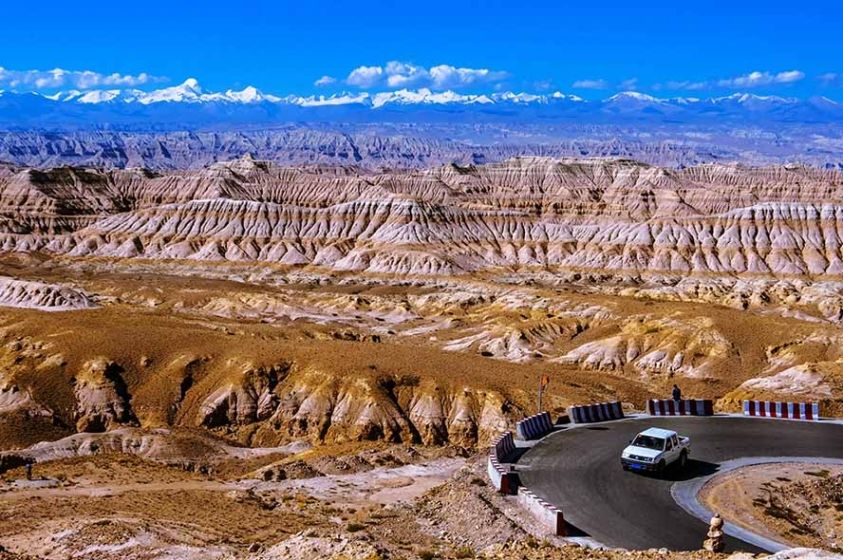
Zanda Earth Forest
Tips for Photography in Tibet
- Equipment Protection: Camera battery life decreases significantly in cold, high-altitude conditions. Carry at least three spare batteries, keeping them close to your body (e.g., in an inner jacket pocket) to maintain warmth. When moving from the cold outdoors into a warm vehicle or tent, condensation can form on your camera and lens. Seal your gear in a plastic bag and allow it to acclimate gradually before opening to prevent moisture from entering the body.
- Shooting Time: Light in Tibet is intense, with harsh contrast at midday making it unsuitable for shooting. The golden hours are the first hour after sunrise and the last hour before sunset, when the light is soft and colors are saturated.
- Photography Etiquette: Always ask for permission before photographing Tibetan people. Do not use flash inside temples. Respect local religious beliefs and do not touch religious facilities without permission.
- Altitude Sickness Prevention: Allow 1-2 days to acclimate upon first arriving on the plateau before starting your photography itinerary. Avoid strenuous running or jumping. Carry portable oxygen canisters and glucose; rest and replenish promptly if feeling unwell.
Plan Your Ultimate Tibet Photography Adventure
Tibet is a dream destination for photographers, where every frame reveals a story of nature, faith, and timeless beauty. From the golden glow over Mount Everest to the serene waters of Namtso and Yamdrok Lakes, and from the grandeur of the Potala Palace to the mystique of Mount Kailash, the region offers unparalleled visual inspiration. With proper preparation and the right timing, you can capture some of the most extraordinary images on Earth.
For a seamless and rewarding photography journey, partnering with a professional travel agency is essential. China Dragon Travel provides expert guidance, customized itineraries, and reliable support, ensuring you explore Tibet safely and capture its most breathtaking moments with confidence.