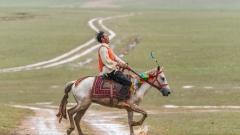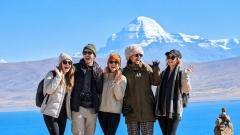

Can you take photos freely in Tibet? Are cameras allowed inside monasteries? Do you need permission to photograph local Tibetans? These are among the most frequently asked questions by photographers planning a journey to the Roof of the World. Tibet is a land deeply rooted in spirituality, where improper photography may disrupt religious practices or intrude upon personal privacy. More than technical skill, respectful awareness is the key to successful photography here.
Regulations for Photography in Religious Sites
Tibetan temples are sacred places for Buddhist practice and pilgrimage, fundamentally different from ordinary tourist attractions. The following details the key photography regulations at Tibetan religious sites, helping you record the solemnity and beauty of this land of faith while staying compliant.
- No Photography Inside Temple Halls: Most areas inside temple halls prohibit photography. This protects murals and statues from flash damage and shows respect for religious beliefs. If you need to photograph, first obtain permission from temple staff and strictly follow their instructions.
- No Flash Photography: Even in areas where photography is permitted, using a flash is strictly prohibited. Strong light accelerates the oxidation of mural pigments, causing irreversible damage to thousand-year-old artifacts.
- Avoid Close-ups of Buddha Statues: Even in outer open areas, avoid pointing your lens directly at the face of Buddha statues. In Tibetan Buddhism, statues are seen as sacred embodiments; casual close-ups are considered disrespectful.
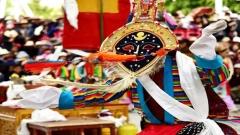
- No Close-ups of Puja Details: If encountering a puja or religious ceremony, remain quiet and do not disturb the proceedings. If you wish to photograph, stand at a distance using a telephoto lens and avoid taking close-ups of monks’ faces.
- Photography Etiquette: Remove hats and sunglasses upon entering temple grounds. This is basic etiquette and a necessary attitude before taking photos.
Photographing religious sites doesn’t necessarily require close-ups or dramatic angles. Pressing the shutter with reverence can capture truly evocative images. Please adhere to the rules above to avoid being asked to leave a religious site due to inappropriate photography.
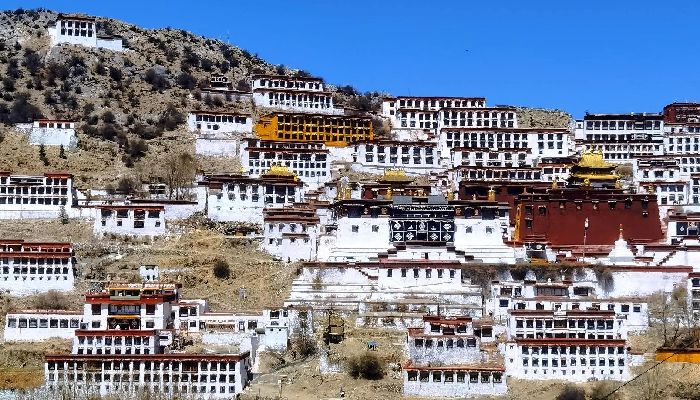
Ganden Monastery
Etiquette for Tibetan’s Photography
For Tibetan compatriots, being photographed is not always taken for granted; many in remote areas might even consider it an intrusion. Therefore, follow certain boutiques when photographing Tibetans.
- Build Trust: You can use a smile, a greeting, or a brief conversation to explain that you are documenting Tibetan culture and life. When subjects are willing to cooperate, the resulting images will be filled with trust and ease, creating truly moving photographs.
- Ask for Permission: Always obtain consent before photographing a Tibetan. Many elderly Tibetans consider unsolicited photography offensive. Ask first. If they smile back or nod, you may proceed. If they shake their head or turn away, stop immediately; do not follow or take candid shots.
- Maintain Distance: Even with consent, avoid getting the lens too close to their face. Tibetans are generally reserved; an invasive distance can cause discomfort. Use a medium-telephoto lens (70-200mm) from 2-3 meters away, ensuring image quality without invading personal space.
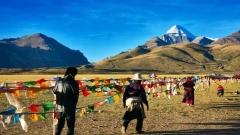
- Respect Customs: Devotees circumambulating or prostrating are in a state of focused religious practice. Pointing the lens directly at them can disturb their activities and easily lead to conflict. Start by taking photos from the side or of their backs; try for frontal shots only after they seem more at ease.
- Avoid Candid/Secret Photography: Never photograph Tibetans without their knowledge or follow them to take pictures. This invades personal privacy and could be misinterpreted as malicious, causing unnecessary conflict.
A stolen, unapproved shot, no matter how perfect the composition, lacks a crucial soul. As a photographer, you should try to make them understand your intention before taking a photo. Only when the subject is willing to cooperate will the frame be filled with trust and ease.
Rules for Restricted Zones in Tibetan Border Areas
Tibet borders several countries, resulting in extremely strict border management. Sensitive locations like border checkpoints, military facilities, and border posts are off-limits for photography. Understanding and adhering to border photography restrictions is a basic bottom for every photographer in Tibet.
- No Photography in Border Zones: Parts of Tibet are designated border management zones (e.g., areas around Everest Base Camp, Ngari Prefecture near the border). These areas have clear “No Photography” signs. Do not photograph border checkpoints, military facilities, border posts, or patrol personnel. Violators risk equipment confiscation, fines, or even legal liability.
- No Photography at Checkpoints: Roadside public security and border checkpoints all prohibit photography. Put your camera in your bag when passing a checkpoint; do not take pictures from inside or outside the vehicle. Some checkpoints require visitors to surrender phones/cameras for inspection; violations carry severe consequences.
- No Photography at Transport Hubs: Airports, train stations, and long-distance bus stations in Tibet prohibit casual photography for security reasons. Ask staff for permission if you need to take photos.
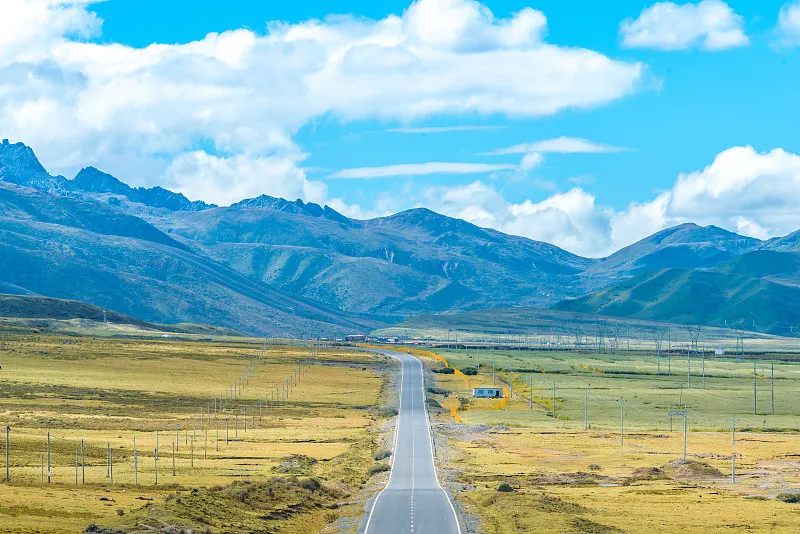
- No Photography of Key Bridges/Tunnels: Key bridges and tunnels on major roads like the G318 National Highway also prohibit photography. These are critical infrastructure targets; photographing them could cause misunderstandings.
- No Photography in Border Villages: Villages, pastures, and settled nomad points in Tibet’s border areas also prohibit casual photography. These areas house many border residents. Photographing village panoramas, nomad migration routes, or border grazing lands without permission could be misinterpreted as spying on border defense information.
As a responsible photographer, you should know which sensitive areas your itinerary passes through and proactively put your camera away when approaching checkpoints or border posts. When unsure whether an area allows photography, the safest approach is to ask your guide or local staff.
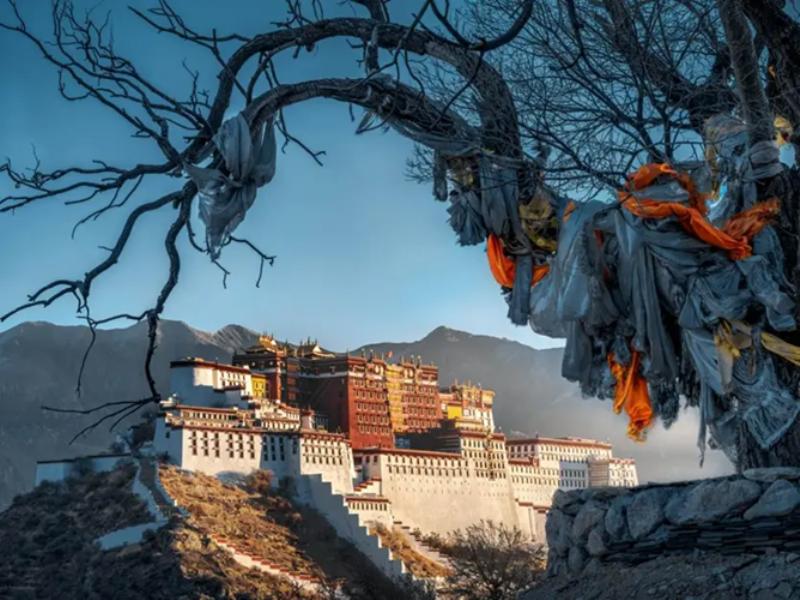
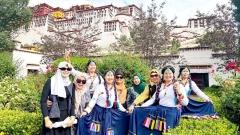
Potala Palace
Equipment Maintenance for Tibet Photography
- Sand and Dust Protection: Wind speeds are high in Tibet. When changing lenses, turn your back to the wind and work quickly. Carry a blower and lens cleaning pen to remove dust from body crevices, but avoid wiping the lens with clothing or tissue to prevent scratching the coating.
- Preventing Condensation: When moving from the cold outdoors into a warm vehicle or tent, condensation can form on the camera and lens surface. Place the gear in a sealed plastic bag and allow it to acclimate before taking it out, preventing moisture from entering the body. Never wipe a fogged lens forcefully, as this can leave streaks or scratch the coating.
- Cold Protection: Temperatures are very low around sunrise; metal camera parts can stick to skin. Wear windproof gloves to avoid direct contact and frostbite. Before storing a camera exposed to cold for long periods, wipe frost or sweat from the body to prevent ice from damaging electronic components.
- Equipment Maintenance: A medium-weight tripod with a weight hook is recommended. Hang your camera bag or a stone bag from the hook for stability. In cold temperatures, wipe old lubricant from the tripod joints and replace with low-temperature specific lubricant. After each use, wipe sand, dust, frost and moisture from the leg tubes with a dry cloth to prevent ice from damaging the locking mechanisms.
Capture Tibet Responsibly and Respectfully
In Tibet, the most powerful photographs are those taken with understanding and reverence. From sacred monasteries to devoted pilgrims, every subject tells a story shaped by centuries of faith and tradition. By respecting local customs and adhering to regulations, photographers can create compelling images that reflect both the beauty and the spirit of the region.
For a seamless and enriching photography experience, partnering with a trusted travel expert is highly recommended. China Dragon Travel offers professional guidance, customized Tibet tours, and reliable logistical support, ensuring you explore responsibly while capturing the most authentic and breathtaking moments of your journey.