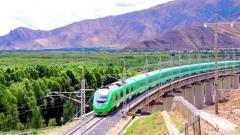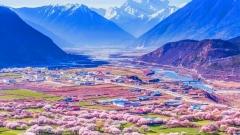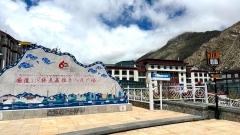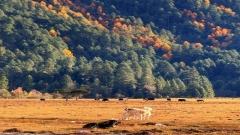

When people think of Tibet, images of snow-capped peaks, vast plateaus, and high-altitude deserts often come to mind. Yet in southeastern Tibet, there is a completely different landscape—lush, green, and unexpectedly gentle. Lulang Forest (Lulang Linhai), located in Nyingchi Prefecture, is one of the best places to experience this lesser-known side of Tibet.
With rolling alpine meadows, dense spruce forests, drifting clouds, and traditional Tibetan villages, Lulang offers a softer, more pastoral version of the Tibetan Plateau. This guide provides a comprehensive overview of what to see, when to visit, how to get there, and how to plan your trip efficiently.
Where Is Lulang Forest?
Lulang Forest is situated about 70 km east of Nyingchi City (Bayi Town) and approximately 460 km from Lhasa, along the scenic Sichuan–Tibet Highway (G318). The area sits at an altitude of around 3,300 meters, making it relatively moderate compared to other Tibetan destinations.
Because of its location in southeastern Tibet, Lulang benefits from a more humid climate influenced by the Indian Ocean monsoon. This is what allows forests, meadows, and rivers to thrive—earning the region its nickname: “Switzerland of Tibet.”
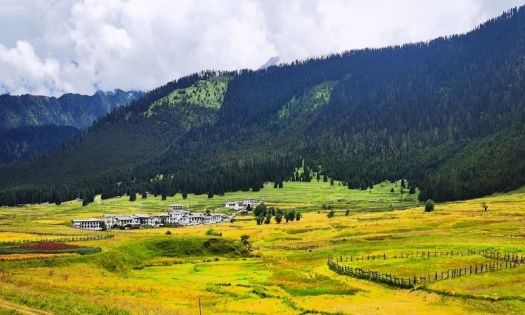
Lulang Forest Sea
What Makes Lulang Forest Unique?
Unlike the stark landscapes of central Tibet, Lulang is defined by layers of greenery.
The name “Lulang” loosely translates to “Dragon King Valley,” and the terrain lives up to its poetic meaning. Dense spruce and fir forests stretch across the hillsides, while open pastures are dotted with grazing yaks and wooden Tibetan houses.
Clouds often drift low across the valleys, creating a dynamic scene where visibility changes by the minute. On clear days, the distant peaks of the Himalayas—especially Namcha Barwa (7,782 m)—can be seen rising dramatically above the forested landscape.
This combination of forest, meadow, snow mountain, and village life is what sets Lulang apart from other destinations in Tibet.
Top Things to Do in Lulang Forest
Walk Through the Lulang Alpine Meadows
The open grasslands are one of the most accessible and visually striking parts of Lulang. In spring and summer, the meadows turn bright green, often dotted with wildflowers and grazing livestock.
This is not a place for intense hiking; instead, it’s ideal for slow walks, photography, and simply taking in the scenery.
Visit Lulang Forest Viewing Platform
The official viewing platform provides a panoramic perspective over the forest and valley. It’s one of the best spots to appreciate the scale of the landscape, especially when clouds roll through the hills.
Early morning or late afternoon tends to offer the best light conditions.
Experience Local Tibetan Village Life
Scattered throughout Lulang are small Tibetan villages with wooden houses and traditional architecture. Visiting these areas offers insight into daily life in southeastern Tibet, which differs noticeably from that in Lhasa or Shigatse.
Some guesthouses also provide homestay experiences, allowing travelers to engage more deeply with local culture.
Try Lulang Stone Pot Chicken
Lulang is famous for its stone pot chicken, a local specialty cooked in traditional pots made from soapstone. The dish uses local free-range chicken, mountain spring water, and medicinal herbs, resulting in a rich yet delicate flavor.
It’s widely considered a must-try dish when visiting the area.

Stone Pot Chicken
Best Time to Visit Lulang Forest
Lulang is a year-round destination, but each season offers a different experience.
Spring (April–May):
Fresh greenery begins to emerge, and the landscape gradually comes to life
Summer (June–August):
Peak season with lush forests, wildflowers, and comfortable temperatures; occasional rain and mist add atmosphere
Autumn (September–October):
The best time for clear views; forests display subtle color changes, and visibility of Namcha Barwa improves
Winter (November–March):
Fewer visitors and occasional snow; quieter but less vibrant scenery
For most travelers, late spring to autumn is the ideal window.
How to Get to Lulang Forest
From Lhasa
The most common route is traveling overland from Lhasa to Nyingchi and then onward to Lulang.
By car or tour vehicle:
Approximately 7–9 hours depending on road conditions and stops
Many travelers include Lulang as part of a multi-day itinerary along the G318 highway.
From Nyingchi
From Bayi Town (Nyingchi’s main hub), Lulang is about a 1.5-hour drive. This makes it suitable for a day trip, although staying overnight allows for a more relaxed experience.
Where to Stay in Lulang
Accommodation options in Lulang are limited but steadily improving.
You’ll find a mix of boutique lodges, Tibetan-style guesthouses, and mid-range hotels. Many properties are designed to blend with the natural surroundings, often featuring wooden interiors and mountain views.
Staying overnight is highly recommended, as it allows you to experience both morning mist and evening light, which are key highlights of the area.
Travel Tips for Visiting Lulang Forest
Altitude in Lulang is moderate by Tibetan standards, but visitors should still allow time to acclimatize, especially if arriving from lower elevations.
Weather can change quickly, so bringing layers and rain protection is essential. Roads are generally in good condition, but travel times can vary due to mountain terrain.
Foreign travelers must obtain a Tibet Travel Permit and typically need to visit as part of an organized tour.
Is Lulang Forest Worth Visiting?
If your image of Tibet is limited to high-altitude deserts and monasteries, Lulang will feel like a completely different world. It offers a rare combination of green landscapes, accessible altitude, and cultural authenticity.
For photographers, nature lovers, and travelers seeking a quieter side of Tibet, Lulang Forest is not just worth visiting—it’s often one of the most memorable parts of a Tibet journey.
Planning Your Lulang Forest Trip
Lulang works best when integrated into a broader eastern Tibet itinerary, particularly routes connecting Lhasa, Nyingchi, and Bomi.
Because of permit requirements and transportation logistics, many travelers choose to book through a local agency. China Dragon Travel offers customized Tibet tours that include Lulang Forest, covering permits, transportation, accommodation, and guided experiences—making the planning process significantly easier.
With the right timing and itinerary, Lulang Forest reveals a side of Tibet that many travelers don’t expect—but won’t forget.