
I hadn’t updated for a few days—not because I was slacking, but because Tibet really put me through it.
Before the trip, my schedule was packed—trail races, events, nonstop movement. By the time I landed in Lhasa, my body was already drained. On the second day, I caught a mild cold with a low fever. After forcing myself to recover, I still went ahead and completed the Mount Kailash kora in a single day due to limited time.
To be honest, it wasn’t an easy decision.
On top of that, this year is the Year of the Horse. Locals say the number of pilgrims could jump from a few hundred thousand to over a million. After the official opening on April 25, crowds will surge.
So this guide focuses on the most practical and critical advice first, with more details to be added later.
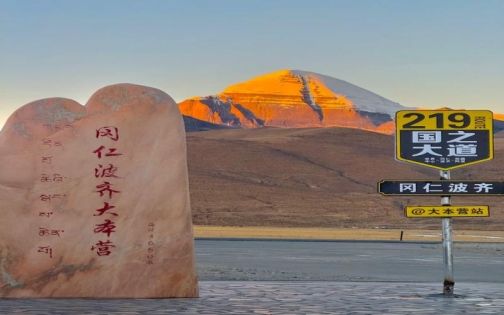
Mount Kailash
1. Reality Check: It’s Much Harder Than You Think
Many people treat Mount Kailash as a “trekking route.” That’s misleading.
- Total distance: ~52 km
- Average altitude: above 4,700 m
- Highest point: Dolma La Pass (~5,630 m)
- Toughest section: ~1,000 m elevation gain within 6 km before the pass
What does that mean?
👉 The intensity rivals beginner-level high-altitude mountaineering
Compared to places like western Sichuan or Yunnan:
- Less vegetation
- Thinner oxygen
- Stronger winds
- More intense UV exposure
You’ll clearly feel:
The same altitude hits harder here
Even many local Tibetans use oxygen when crossing Dolma La.
2. Time Planning: Don’t Gamble on Your Fitness
This is often overlooked, but crucial.
Recommended:
- Acclimatization in Darchen: at least 1–2 days
- Buffer days: 1–2 extra days for weather or altitude issues
Why?
- Altitude sickness is unpredictable
- Weather changes fast
- Once things go wrong, recovery is difficult
Most failures aren’t due to lack of ability—but tight schedules.
3. One-Day vs 2–3 Day Kora: Honest Advice
I’ve done it in one day twice:
- Last year: high-altitude endurance training
- This year: simply no time
But here’s the truth:
👉 Unless you’re specifically trained, don’t do it in one day
Better options:
✔ 2-Day Plan (Most common)
- Day 1: Darchen → Dirapuk (~20 km)
- Day 2: Dirapuk → Dolma La Pass → Darchen
✔ 3-Day Plan (Experience-focused)
- Slower pace
- Better altitude adaptation
- More meaningful experience
This route isn’t about “finishing fast”—it’s about experiencing the journey.
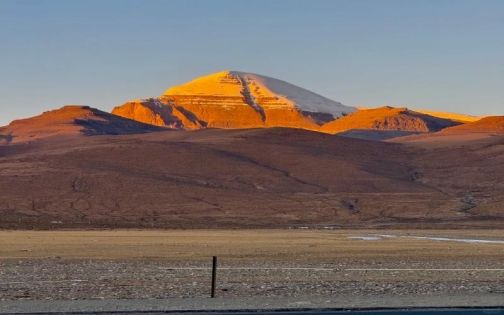
Mount Kailash
4. Weather Changes Everything
This is rarely emphasized enough.
- Sunny: manageable, even enjoyable
- Wind + snow + cold: extreme difficulty
This year, I faced:
- Constant strong winds
- Rapid heat loss
- Dramatically increased fatigue
Result:
👉 Better acclimatization, but a much harder experience
In short:
Mount Kailash isn’t a fixed difficulty—it depends on the weather
5. Early Season (April–May) Warnings
If you’re going right after opening:
Be aware:
- Temperatures are still very low
- Winds are strong
- Snow and ice remain at the pass
Essential gear:
- Anti-slip hiking boots
- Microspikes/crampons (highly recommended)
- Windproof face protection + warm hat
- Gloves (don’t skip these)
My mistakes this time:
- Inadequate hat → head numb from wind
- No gloves → hands nearly frozen
- Insufficient layers → felt like walking in a snowstorm
Don’t underestimate the wind—it’s the real challenge.
6. Practical Gear & Common Mistakes
🎒 Backpack
- 20L is enough
- Keep it light (weight at altitude = exhaustion)
🚫 What NOT to do
- Don’t carry large water bottles (>600ml)
Plenty of supply points—extra weight isn’t worth it - Avoid cooked meals on the mountain
Risky for your stomach - Don’t eat heavily before the pass
No rescue options up there
✅ Must-have items
- Energy bars (bring more than you think)
- Glucose / electrolyte powder
- Knee support (essential for descent)
- Sunglasses (UV is intense)
- Wet wipes (no washing facilities)
- Shell jacket (no need for heavy down)
- Heat packs
⚠️ Common mistakes
- ❌ Bringing extra clothes → useless (no shower, little sweating)
- ❌ Overpacking → drains energy
- ❌ Underestimating food fatigue → instant noodles get old fast
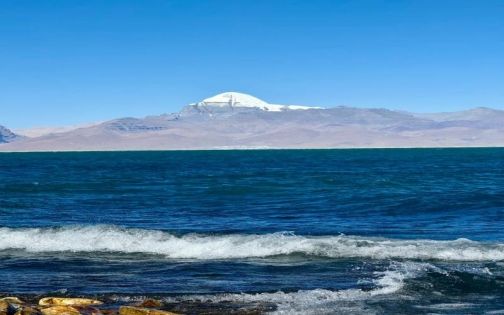
Mount Kailash
7. Altitude Sickness: Don’t Push Through
The biggest risk here isn’t injury—it’s altitude sickness.
Symptoms:
- Headache
- Nausea
- Rapid heart rate
- Weakness
What to do:
- Slow down
- Take in sugar regularly
- Stop if needed
Reality check:
👉 This is not a place to rely on willpower alone
8. Costs & Crowds in 2026
After reopening:
- Accommodation prices rising (500 → 1500 RMB)
- More crowded routes
- Busier supply stations
Tips:
- Book early
- Start early or off-peak
- Be mentally prepared
9. What This Journey Really Means
Before coming, many think:
It’s about scenery.
After finishing, you realize:
👉 It’s more of an inner journey
Not the most beautiful route
But truly unique
Not easy—but very real
You’ll face:
- Physical limits
- Emotional shifts
- Conversations with yourself
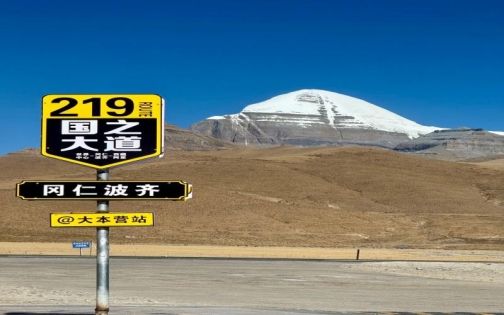
Mount Kailash
10. A Personal Reflection
I used to think:
Growth meant climbing higher, conquering peaks.
Now I see:
Real growth is about letting go
- Letting go of fear of loss
- Letting go of control
- Letting go of the need to be “right”
This journey won’t give you answers
But it brings you closer to yourself