When Is the Best Time to Visit the Hexi Corridor?
Many travelers automatically plan their trips to Northwest China during the summer holidays.
However, if your destination is the Hexi Corridor—covering Dunhuang, Zhangye, and Jiayuguan—spring (March to May) is actually one of the best times to visit.
During this period, the harsh winter cold has already passed, while the summer tourist peak has not yet arrived. The result is a travel experience that feels far more relaxed: fewer crowds, beautiful scenery, pleasant temperatures, and a slower travel rhythm.
More and more travelers are discovering that spring is the perfect time to explore this historic section of the Silk Road.
Here are 8 reasons why March to May is an ideal season to visit the Hexi Corridor.
Reasons to Visit the Hexi Corridor Between March and May
1. The Weather Is Perfect
Spring offers some of the most comfortable temperatures of the year in the Hexi Corridor.
From March to May, daytime temperatures usually range between 10°C and 25°C (50°F–77°F).
Compared with summer—when desert temperatures can easily exceed 35°C (95°F)—spring weather is much more pleasant.
Typical conditions include:
-
Warm sunshine during the day without intense heat
-
Cool mornings and evenings that are still comfortable
-
Desert sand that isn’t scorching hot
This climate is ideal for outdoor activities such as walking on sand dunes, visiting historical sites, or watching sunsets in the desert.
2. Fewer Crowds and a Better Travel Experience
The most famous attractions in the Hexi Corridor are located in Dunhuang and Zhangye, including:
-
Mogao Caves
-
Mingsha Mountain and Crescent Lake
-
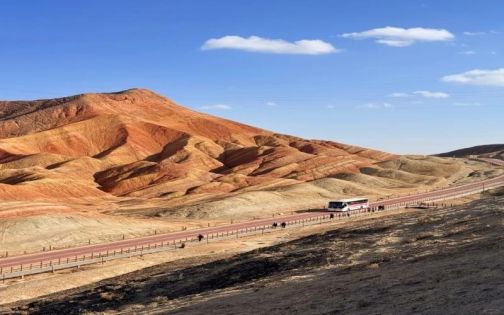
Zhangye Rainbow Danxia
During July and August, these places can become very crowded.
In spring, the experience is completely different:
-
Visiting the Mogao Caves feels more relaxed
-
Sand dunes at Mingsha Mountain are not overcrowded
-
Observation platforms at Danxia are much quieter
The charm of Northwest China lies in its vastness and silence.
When there are fewer people, the landscape truly reveals its natural character.
3. Unique Spring Landscapes
Spring in the Hexi Corridor offers a rare and beautiful combination of landscapes:
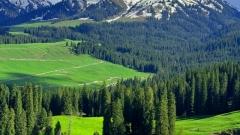
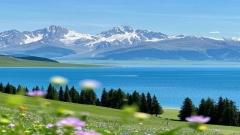
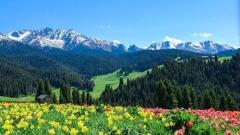
Snow-capped mountains + desert + fresh greenery
From March to April, the snow in the Qilian Mountains has not fully melted.
At the same time, vegetation in the desert begins to sprout.
You may see scenes like this:
-
White snow mountains in the distance
-
Fresh green grasslands in the foreground
-
Vast desert and Gobi landscapes in between
This layered scenery is something you rarely see in the summer.
4. Ideal Lighting for Photography
For photographers, spring is one of the best seasons to visit the region.
Why?
-
Clear and transparent air
-
Cleaner skies with fewer clouds
-
Softer sunlight
At Zhangye Rainbow Danxia, spring light enhances the colors of the rock formations.
At Mingsha Mountain, gentle sunlight creates beautiful shadows and curves across the sand dunes.
That is why many photographers prefer visiting the area in spring or autumn.
5. Lower Travel Costs
Another big advantage of spring travel is better value for money.
Many attractions are still in the off-season during March:
-
Entrance tickets are often discounted
-
Seniors may receive free admission
-
Hotel prices are significantly lower
In Dunhuang, many high-quality hotels cost around 200–300 RMB per night during the off-season.
During peak summer months, prices can easily double or even triple.
6. Outdoor Activities Are More Comfortable
Many of the most exciting experiences in Dunhuang take place in the desert, such as:
-
Camel riding
-
Sand sliding
-
Desert off-road vehicles
-
Desert camping
In summer, desert sand becomes extremely hot.
In spring, conditions are much better:
-
Sand is not burning hot
-
Sunlight is less intense
-
Waiting lines are shorter
Even families with children or elderly travelers can enjoy these activities comfortably.
7. A More Peaceful Historical Atmosphere
The Hexi Corridor is not only about landscapes—it is also a historic corridor of the Silk Road.
Important historical sites include:
-
Jiayuguan Fortress
-
Yumen Pass
-
Yangguan Ancient Pass
When visited in spring with fewer tourists, these places feel more solemn and atmospheric.
Standing among the ancient walls and vast deserts, it is easy to imagine scenes described in classical Chinese poetry:
“A lone plume of smoke rises straight in the desert,
The long river reflects the round setting sun.”
The frontier spirit of ancient China feels especially vivid here.
8. Local Food Without Long Waits
One small but pleasant benefit of traveling in spring is that restaurants are less crowded.
During peak tourist months, popular restaurants often have long queues.
In spring, dining is much easier and more relaxed.
Must-try foods in Dunhuang include:
-
Apricot peel tea
-
Donkey meat yellow noodles
-
Sauteed beef with desert chives
-
Lamb braised flatbread
Service is faster and the experience often feels more authentic.
The Ideal Travel Pace in the Hexi Corridor
The Hexi Corridor is not a place meant for rushed sightseeing.
Instead, it is best experienced slowly:
-
Take time to appreciate the murals in the Mogao Caves
-
Walk along the ancient walls of Jiayuguan Fortress
-
Watch the sunset across the endless Gobi Desert
Spring travel allows you to enjoy this slow rhythm without the pressure of crowds.
You can:
-
Listen carefully to guides at historical sites
-
Wait patiently for the best light at Danxia
-
Watch an entire desert sunset without rushing
This relaxed pace is part of what makes traveling in Northwest China so memorable.
Best Time of Year to Visit the Hexi Corridor
Here is a simple seasonal guide:
March–April
Very few tourists, lower prices, great for peaceful travel.
May
Comfortable weather and ideal conditions for most travelers.
Early June
Still possible to avoid peak crowds.
Late June – August
Peak season with large crowds, higher prices, and hotter weather.
September – October
Another excellent season with pleasant temperatures.
November – February
Winter off-season: fewer tourists and lower prices, but colder weather.
If possible, March to May is one of the most rewarding times to visit.
Useful Travel Tips
1. Learn Some History Before Your Trip
The beauty of the Hexi Corridor lies deeply in its history.
Recommended documentaries include:
-
Hexi Corridor
-
Dunhuang
-
Digital Dunhuang
Hiring a guide or renting an audio guide at historical sites will greatly enhance your experience.
2. Reserve Mogao Caves in Advance
The Mogao Caves require advance reservations.
Important reminders:
-
Book tickets ahead of time
-
Arrive on time for your scheduled entry
-
Late arrivals may not be allowed to enter
It is best to reserve at least several days in advance.
3. Must-See Attractions
If you have limited time, prioritize these locations:
Dunhuang
-
Mogao Caves
-
Mingsha Mountain & Crescent Lake
Zhangye
-
Rainbow Danxia Landform
-
Pingshanhu Grand Canyon
Sunan
-
Mati Temple Grottoes
These represent the highlights of both the natural landscapes and cultural heritage of the Hexi Corridor.
4. Transportation: Consider Hiring a Car
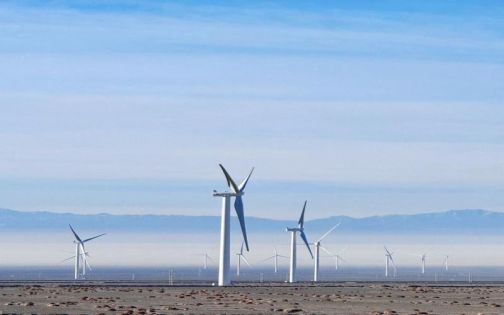
Distances in the Hexi Corridor are very large.
Travel between major sites can involve:
-
200 km
-
300 km or more
Public transportation is limited, so hiring a private car or joining a small tour group is often the easiest option.
5. Sun Protection and Hydration Are Essential
Northwest China has a dry climate and strong UV radiation.
Bring:
-
Sunscreen
-
Sunglasses
-
A windproof jacket
-
Moisturizing skincare products
Even in spring, midday sunshine can be quite strong.