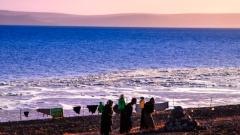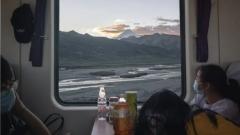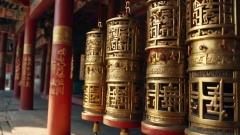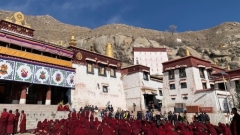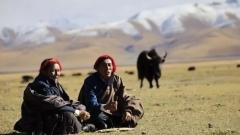

Yamdrok Yongcuo, commonly known as Yamdrok Lake, is one of the three sacred lakes in Tibet. Meaning “Turquoise Lake” in Tibetan, it sits at an altitude of 4,441 meters, meandering between the mountains at the northern foot of the Himalayas. The best time to visit Yamdrok Lake directly determines the viewing experience, with May to October recognized as the golden period—boasting pleasant climate, vibrant scenery, and the perfect chance to feel the lake’s vitality and grandeur. Mastering travel tips for this period allows you to avoid harsh weather and capture the lake’s most stunning moments. Below, we pinpoint the best time to visit Yamdrok Lake by combining seasonal characteristics, time-specific skills and practical tips.
Seasonal Analysis of the Best Time to Visit Yamdrok Lake
Yamdrok Lake’s climate is significantly influenced by the plateau environment, offering distinct scenery in each season. May to October stands out as the best time to visit due to its mild climate, stable weather and lush landscapes. Travelers can choose different seasons within this period based on preferences—whether favoring vibrant greenery or autumn scenery with perfect light, each promises unique travel memories.
Spring (May-June): A Poetic Time of Rebirth
Yamdrok Lake is brimming with spring vitality from May to June. As the start of the best time to visit, every view exudes fresh poetry. Key highlights and travel tips are as follows:
- With mild weather, few clouds and excellent visibility, there are fewer tourists, allowing you to enjoy the peaceful spring lake scenery leisurely—it is the ideal start to the best time to visit Yamdrok Lake. The gentle wind on the plateau makes it suitable for strolling along the lakeside, immersing yourself in the spring breath and pure atmosphere of the sacred lake.
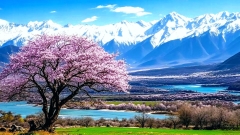
- Snow melts and vegetation revives, with clear light blue lake water forming a poetic pastoral picture with wildflowers along the shore and wandering cattle and sheep. The soft and fertile meadows by the lake let you take original plateau spring photos effortlessly, full of atmosphere.
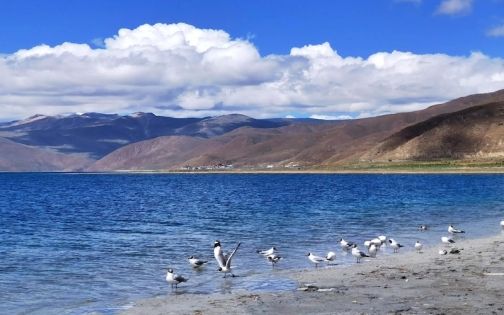
- The lake is dotted with migratory birds, combining viewing pleasure with bird-watching. It is necessary to keep warm in the morning and evening and take sun protection measures on the plateau. Bringing a pair of binoculars is recommended to clearly watch water birds like yellow ducks and swans playing, and feel the harmonious beauty of man and nature.
Summer (July-August): A Cool Sanctuary of Lush Greenery
In midsummer, Yamdrok Lake is surrounded by greenery. Though in the rainy season, it remains one of the best times to visit—offering both cool refuge and stunning lake views. Key details for travel are as follows:
- Boasting rich green layers and an average daily temperature of 10-20℃, it is a natural summer resort and one of the best times to visit Yamdrok Lake. The dense vegetation by the lake effectively blocks part of the sunlight, making strolling here cool and comfortable, far away from the summer heat of the city.
- It is recommended to travel in the morning to avoid fog. Suitable for a lakeside tour to explore Tibetan villages and interact closely with the lake water and yaks. The traditional Tibetan dwellings in the villages are simple and distinctive; you can taste butter tea and experience the authentic Tibetan lifestyle.
- The rainy season brings short showers. Remember to carry rain gear, and drivers should exercise caution on wet roads after rain. The air becomes extremely fresh after rain, and a light mist often lingers over the lake surface, resembling a fairyland—it is the perfect time to take hazy photos.
Autumn (September-October): A Peak Season for Photography with Perfect Light
Autumn is widely recognized as the best time to visit Yamdrok Lake, with light and colors reaching their peak—especially ideal for photography enthusiasts. Core highlights and travel suggestions are as follows:
- In the dry season, the weather is sunny with few clouds, featuring soft light and extremely high visibility. It is the acknowledged best time to visit Yamdrok Lake, offering peak photography results. Without redundant fog obstruction, you can clearly capture the detailed layers of the lake water and snow-capped mountains with excellent color reproduction.
- The lake water shows a gradient from light to deep blue, forming a magnificent autumn scene with golden grasslands and snow-capped mountains. When the gentle wind blows, the meadows ripple, echoing with the sparkling lake surface—every random shot is a stunning plateau autumn photo.
- Morning and evening are golden hours for photography. Luri La Viewpoint allows you to capture the stunning sunrise and sunset scenes. It is recommended to arrive half an hour in advance to secure a spot and bring a tripod to freeze the extreme beauty of Yamdrok Lake amid light changes.
It should be noted that winter is not a regular best time to visit Yamdrok Lake, suitable only for travelers seeking niche and extreme experiences. Specific characteristics are as follows:
- Not a regular best time to visit Yamdrok Lake, it is only suitable for experienced plateau travelers pursuing niche experiences. There are very few tourists in winter, allowing you to enjoy the tranquility of the sacred lake alone without crowd interference, and immerse yourself in the purity of the snowy world.
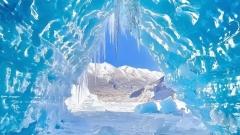
- The lake surface freezes to form a unique blue ice landscape, resembling a fairy-tale snow world with snow-capped mountains—it is an excellent time to take blue ice photos. The ice is thick enough for safety; you can touch the blue ice up close in designated areas and feel its crystal texture.
- The climate is extremely cold and road conditions are complex. It is necessary to take thorough cold protection measures, equip vehicles with snow chains, and avoid mountain closure periods. It is recommended to travel by four-wheel drive vehicle and carry warmers, thermos cups and other items to cope with discomfort caused by low temperatures.
Yamdrok Lake
In Daily Light: The Best Time to Visit Yamdrok Lake
In addition to seasonal choices, the time of day also affects the viewing experience of Yamdrok Lake. Morning, evening and night each have their own characteristics. Mastering the light characteristics of different periods can enhance your travel experience and accurately capture the most beautiful moments during the best time to visit Yamdrok Lake.
Morning (7-9 AM): A Fairy-Tale Moment with Wispy Mist
Morning is a fairy-tale time during the best time to visit Yamdrok Lake, where wispy mist and the rising sun weave a stunning scene. Key skills for viewing and photography are as follows:
- With a calm lake surface and lingering mist, the rising sun gilds the snow-capped mountains and lake water, creating a quiet and sacred atmosphere—it is the most fairy-tale moment during the best time to visit Yamdrok Lake. The wispy mist flows slowly with the wind, making the scenery indistinct, as if breaking into a paradise.
- Gangbala Pass Viewpoint is an excellent photography spot, offering a panoramic view of Yamdrok Lake and winding roads with rich layers. Located at a high altitude, you should move slowly when taking photos to avoid altitude sickness caused by strenuous exercise, and take wind protection measures at the same time.
- Arrive early to secure a shooting position and keep warm to avoid missing the scenery before the mist disperses. The wispy mist usually fades after 9 AM; grasping the time difference allows you to capture the limited beauty of mist and rising sun intertwined.
Evening (5-7 PM): A Romantic Hour of Golden Sunset Over Snow Mountains
Yamdrok Lake has a natural romantic filter in the evening, making it the best time to capture warm moments during the best time to visit. Key viewing points are as follows:
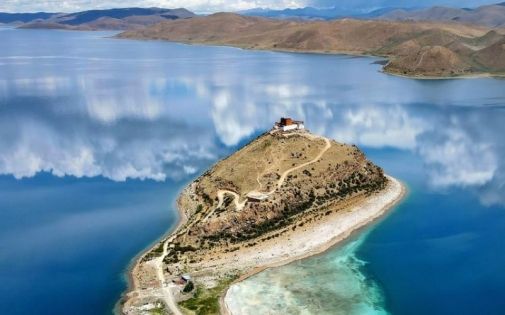
- The setting sun dyes the lake and snow-capped mountains red, with Ri To Monastery reflecting in the lake center, forming a romantic and beautiful scene—it is the warmest moment during the best time to visit Yamdrok Lake. The afterglow of the setting sun lasts for a short time; you need to adjust your photography equipment in advance to accurately freeze the beautiful moment.
- Luri La Viewpoint and the area around Ri To Monastery are preferred photography spots to capture the magnificent golden sunset over snow mountains. The lake water around Ri To Monastery is clear, reflecting the temple and the setting sun, boasting high atmosphere and photo quality.
- The temperature drops sharply in the evening. Add clothes in a timely manner, plan the return route in advance, and avoid driving on mountain roads at night. The winding mountain roads have many bends and poor visibility at night; it is recommended to start the return journey one hour before sunset to ensure travel safety.
Yamdrok Lake
Night (After 8 PM): A Quiet Date with a Brilliant Starry Sky
For stargazers, night is also one of the best times to visit Yamdrok Lake, where the vast galaxy mirrors the sacred lake. Key preparations for travel are as follows:
- With minimal light pollution, the Milky Way is clearly reflected in the lake—it is one of the best times to visit Yamdrok Lake for stargazers. The Milky Way is at its best in the middle of the night; paired with the lake reflection, it allows you to take stunning starry sky photos full of impact and atmosphere.
- 4 Viewpoint Campsite is an excellent choice to immerse yourself in the vast atmosphere of “galaxy reflecting the sacred lake.” The campsite has basic supporting facilities and can provide simple supplies; you can sit around with companions to watch the starry sky at night, offering an excellent experience.
- Bring professional photography equipment and thick warm clothing, abide by camping regulations, and stay away from dangerous areas near the lake. It is recommended to use a star lens for shooting, and choose down jackets and fleece-lined non-slip boots as warm clothing to cope with the low temperature at night on the plateau.
Pitfall Guide: Essential Travel Tips
Choosing the best time to visit Yamdrok Lake requires not only understanding seasonal and daily characteristics but also avoiding travel mistakes and planning according to personal needs to get the best travel experience. Below are practical tips to help you accurately grasp the best time to visit Yamdrok Lake.
Avoid Bad Weather: Choose the Right Travel Time
Avoiding bad weather is crucial to choosing the best time to visit Yamdrok Lake. You can also optimize your itinerary by combining characteristic activities. Key points are as follows:
- When choosing the best time to visit Yamdrok Lake, avoid heavy rainfall in summer and heavy snow closure in winter, prioritizing sunny weather. Sunny weather not only ensures a good viewing experience but also reduces the probability of altitude sickness, improving overall travel comfort.
- Unique folk activities are held around Tibetan New Year. Those who want to experience Tibetan culture can travel during this period. During the activities, you can watch characteristic performances such as Tibetan opera and horse racing, feel the strong Tibetan festival atmosphere, and enrich the travel connotation.
- Be sure to check the weather forecast and road conditions in advance to ensure safety and viewing effects. You can follow local cultural and tourism official WeChat accounts to get real-time information, avoiding itinerary disruptions caused by weather or road conditions and being fully prepared.
Combine Travel Needs: Customize Your Itinerary
Within the core golden period of May to October, you can accurately match the best time to visit Yamdrok Lake according to your travel needs and customize your itinerary:
- Within the core period of May to October, choose according to your needs: family trips are suitable for May-June/September-October, and photography trips for September-October. Family trips focus on comfort and safety, with mild climate in these two periods; photography focuses on the perfect autumn light for better photo quality.
- For a balance between crowd levels and scenery, choose July-August to enjoy greenery and avoid the heat. Though it is the peak tourist season, Yamdrok Lake is vast; reasonable route planning can help you avoid crowds, balancing viewing and summer cooling needs.
- If time permits, take an in-depth lakeside tour and visit nearby attractions such as Ri To Monastery and Pumoyong Tso to enrich your itinerary. The lakeside route offers diverse scenery, allowing you to explore Yamdrok Lake from different angles; connecting surrounding attractions makes the trip more cost-effective.
Take Plateau Protection Measures: Ensure a Smooth Trip
Regardless of which period you choose as the best time to visit Yamdrok Lake, plateau protection and respect for local customs are key to ensuring a good travel experience. Specific precautions are as follows:
- Prepare anti-altitude sickness supplies in advance, move slowly to adapt to Yamdrok Lake’s high altitude environment, and keep warm in the morning and evening. Anti-altitude sickness supplies can include Rhodiola rosea and glucose oral liquid; avoid strenuous exercise to let your body gradually adapt to the plateau environment.
- Respect Tibetan customs: swimming in Yamdrok Lake is strictly prohibited, circumambulate the lake clockwise, and do not step on prayer flags or move mani piles. These customs carry the beliefs of Tibetans; abiding by them is not only a respect for local culture but also a manifestation of civilized travel.
- Learn about ticket information in advance: No. 1 Viewpoint costs 60 yuan, Ri To Monastery costs 20 yuan, and most other viewpoints are free or charge a small parking fee. Tickets can be purchased on-site or booked in advance on some platforms to save queuing time and improve travel efficiency.
Embark on a Journey to Yamdrok Lake: Capture the Best Moments
The best time to visit Yamdrok Lake is the May-October golden period, with stable climate and vibrant scenery. Spring’s vitality, summer’s greenery and autumn’s light each charm, suiting both family travelers and photography lovers.
Master the tips here, plan your itinerary wisely, and prepare well to embrace Yamdrok Lake’s beauty. May this plateau sacred lake leave an unforgettable memory in your heart.