
Everyone has a deep complex for Tibet, a sacred and pure place at the top of thousands of magnificent mountains and the source of thousands of clear rivers that countless travelers must visit in life. The first step to this pure land brings much entanglement: By Plane or Train to Tibet? Some prefer planes for quick access to sunny Lhasa; others love trains to witness amazing plateau landform changes. Both have obvious pros and cons. Below, we analyze them in detail to help you choose easily for a wonderful and unforgettable Tibet trip.
Two Ways to Enter Tibet: Core Differences at a Glance
By Plane or Train to Tibet? The key difference is efficiency vs. experience: planes are fast and convenient for tight schedules; trains offer immersive experiences with gradual altitude adaptation and scenic views for ritual-pursuing travelers. Below is a detailed comparison to help you choose.
Time Comparison: Planes Save Time, Trains Take Longer
For most mainland travelers, time is the primary consideration when choosing transportation to Tibet. The time difference between the two methods is very obvious, which can be flexibly chosen according to the length of their own holidays.
- By Plane to Tibet: There are direct flights to Lhasa from many major cities in China (Chengdu, Chongqing, Beijing, etc.). The direct flight time is mostly between 2.5 hours and 4 hours. Taking Chengdu as an example, the shortest direct flight to Lhasa is only 2 hours and 20 minutes. Even with the time for going to and from the airport and security check and waiting for the flight, the whole journey will not exceed 8 hours, and you can reach Lhasa in one day, which can save a lot of travel time and focus more energy on traveling in Tibet.
- Transfer Option: There are connecting flights in some cities. The ticket price is more affordable, but the total time will increase, mostly more than 10 hours, suitable for travelers with limited budget and relatively ample time.
- By Train to Tibet: At present, there are 7 cities in China that can reach Lhasa directly, namely Beijing, Shanghai, Chengdu, Chongqing, Lanzhou, Xining and Guangzhou. The total time of direct trains varies greatly. The shortest is from Xining to Lhasa, about 21 hours, the longest is from Guangzhou to Lhasa, about 53 hours, and from Chengdu to Lhasa, it takes about 35 to 40 hours.
- Travel Characteristics: Most of them need to stay overnight (1 to 2 nights). Although it takes a long time, it can avoid the fatigue of long-distance flights and gain a unique travel experience.
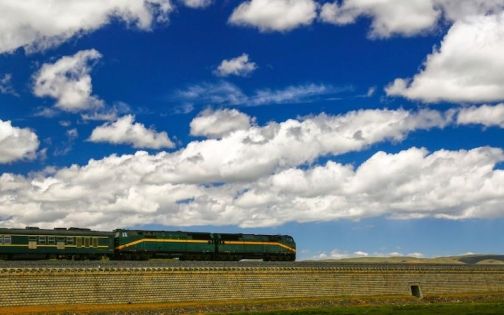
Changtang Plateau
Budget Comparison: Choose According to Your Needs for Better Value
Budget is also an important factor for travelers to choose transportation to Tibet. The ticket prices of planes and trains are greatly affected by seasons and booking time. On the whole, each has its own advantages and can be flexibly selected according to their own budget.
- By Plane to Tibet: The ticket price fluctuates greatly, affected by the peak and off-season of tourism. For details, see the table below.
- By Train to Tibet: The ticket price is relatively stable with little fluctuation, mainly divided into three types of seats: hard seat, hard sleeper and soft sleeper. For details, see the table below.
| Way to Enter Tibet | Core Ticket Price Range | Additional Cost Description |
| Plane | 800-1500 yuan in peak season, 350-600 yuan in off season | 30-150 yuan for transportation from airport to urban area |
| Train | About 300 yuan for hard seat, 400-700 yuan for hard sleeper, 600-1000 yuan for soft sleeper | No transfer fee |
Physical Adaptation Comparison: Trains Are Easier to Adapt To
The average altitude of Tibet is more than 4000 meters. Altitude sickness is a problem that all travelers must face. By Plane or Train to Tibet? Different transportation methods have different impacts on the body’s adaptation to the plateau altitude, which is especially suitable for reference by travelers with weak physical fitness and first-time visitors to Tibet.
- By Train to Tibet: This is the most recommended way to adapt to altitude sickness, because the train to Tibet will gradually climb the altitude along the Qinghai-Tibet Railway, giving the body enough time to adjust and adapt. Taking the Qinghai-Tibet Railway as an example, the train departs from Xining, the altitude gradually rises from 2261 meters, passes through Golmud 2808 meters, Nagqu 4513 meters, and finally reaches Lhasa 3650 meters. The whole altitude climb takes about 20 hours, and the body can gradually adapt to the change of oxygen content, effectively reducing the probability of altitude sickness.
- Train Facilities: All trains entering Tibet are equipped with diffuse oxygen supply systems, and some carriages are also equipped with independent oxygen outlets. If mild altitude sickness symptoms occur, you can inhale oxygen in time to relieve them, with relatively high comfort.
- By Plane to Tibet: It belongs to rapid altitude increase. Travelers directly fly from the plain to Lhasa with an altitude of 3650 meters. The body has no buffer time, the oxygen content drops suddenly, and the probability of altitude sickness is relatively high. Especially for travelers with weak physical fitness and first-time visitors to Tibet, it is easier to have discomfort symptoms such as headache, dizziness, chest tightness and shortness of breath.
- Plane Response: Take altitude sickness medicine 1 week in advance. After landing, avoid strenuous exercise, drink more water and ensure rest. Most people can adapt smoothly. In addition, oxygen supply equipment is also available on the plane, and you can ask the crew for help at any time.
Scenery Comparison: Planes Offer Magnificence, Trains Offer Immersion
When traveling to Tibet, the scenery along the way is also an important part of the trip. Planes and trains can bring completely different scenery experiences, which can be chosen according to your own preference for scenery.
- By Plane to Tibet: You can overlook the magnificent scenery of the Qinghai-Tibet Plateau from a high altitude. After passing through the clouds, the continuous snow-capped mountains, vast grasslands and blue lakes come into view. Especially for flights in the early morning or evening, the sun shines on the snow-capped mountains, golden and dazzling, shocking people’s hearts.
- Plane Viewing Skills: For flights from Chengdu, Chongqing and Xi’an to Lhasa, if you choose the right seat (left window seat), you can also see famous landscapes such as Gongga Snow Mountain and the Himalayan Mountains.
- Disadvantages of Plane Viewing: The time for viewing scenery is short, and you can’t stay. You can only take a quick look and can’t taste it carefully.
- By Train to Tibet: It can be called a “mobile observation deck”. The scenery along the way is constantly changing, and you can immersive experience the great changes of landforms from plains to plateaus, which is an experience that planes can’t replace.
- Highlights Along the Train: The scenery along the Qinghai-Tibet Railway is the most classic. Starting from Xining, you can see the blue of Qinghai Lake, the Gobi desert of Qaidam Basin, the majesty of Kunlun Mountains, the vastness of Hoh Xil in turn. If you are lucky, you can also see rare wild animals such as Tibetan antelopes and wild yaks, and then the grandeur of Tanggula Mountains and the vastness of Northern Tibet Grassland. Every section of the journey has different surprises.
- Advantages of Train Viewing: The train will slow down at key viewing sections to facilitate travelers to take photos as a souvenir, allowing you to appreciate the magnificent scenery of Tibet in advance on the way to Lhasa.
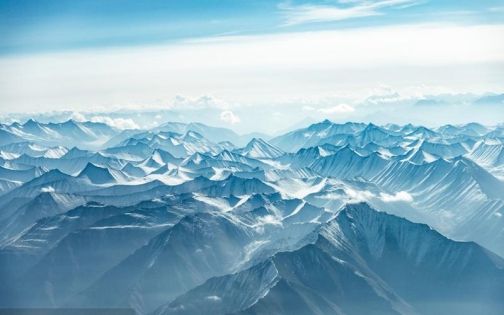
Himalaya mountains view from the airplane
Choose the Right Way to Enter Tibet Precisely: No Wasted Effort
After understanding the core differences between the two ways to enter Tibet, many travelers will still be entangled. In fact, combining their own group characteristics, they can make a choice quickly. Below, we give precise recommendations on transportation to Tibet for different groups of people to help you avoid entanglement and easily start your Tibet trip.
Groups Suitable for Entering Tibet by Plane
Entering Tibet by plane focuses on speed and convenience, suitable for travelers with tight schedules and good physical fitness, including the following categories:
- Office workers and students with short holidays: This group of people has limited holidays, mostly only 5 to 7 days. Choosing to enter Tibet by plane can save a lot of round-trip time, and spend more time visiting core scenic spots such as Lhasa, Nyingchi and Yamdrok Lake, avoiding wasting precious travel time due to long-distance trains.
- Travelers with good physical fitness and plateau travel experience: This group of travelers has strong adaptability to the plateau environment. Even if the altitude rises rapidly, they can cope with altitude sickness smoothly. Choosing to enter Tibet by plane can reduce travel fatigue and start the Tibet trip quickly.
- Travelers pursuing comfort and convenience: The seats on the plane are spacious, you can rest at any time, and the whole journey takes a short time. You don’t need to stay overnight on the train, which can maximize the comfort of the trip. It is suitable for travelers who don’t like long-distance rides and pay attention to travel experience.
- Travelers with relatively ample budget: Although the air ticket price is relatively high in the peak season, it can save time cost, and avoid problems such as difficulty in buying train tickets and long-distance bumps. It is suitable for travelers with ample budget who give priority to efficiency and comfort.
Groups Suitable for Entering Tibet by Train
Entering Tibet by train focuses on immersive experience, suitable for travelers with ample time, pursuing a sense of travel ritual and weak physical fitness, including the following categories:
- First-time visitors to Tibet and travelers with weak physical fitness: This group of travelers is not familiar with the plateau environment and has poor physical adaptability. Choosing to enter Tibet by train can gradually adapt to the altitude change, effectively reduce the probability of altitude sickness, and avoid serious altitude sickness caused by rapid altitude rise by plane, which affects the travel experience.
- Travelers with ample time and love slow travel: This group of travelers has a long holiday, mostly more than 10 days. They are not in a hurry to reach Lhasa, but enjoy the process of rushing to the destination more. The scenery along the train to Tibet can enrich the journey and bring a unique slow travel experience.
- Travelers with limited budget: The train ticket price is relatively stable and affordable, especially hard seats and hard sleepers. It is suitable for students, backpackers and other travelers with limited budget. It can not only save transportation costs, but also gain a unique travel experience.
- Photography enthusiasts: The scenery along the train to Tibet is magnificent and diverse. Landscapes such as Hoh Xil, Kunlun Mountains and Northern Tibet Grassland are excellent materials for photography. The design of the train slowing down for viewing allows photography enthusiasts to capture more wonderful moments and gain a lot of photographic works.
Transportation Suggestions for Special Groups Entering Tibet
In addition to the above two groups, there are some special groups. The choice of transportation to Tibet needs extra caution. The specific suggestions are as follows:
- Elderly people and children: Elderly people over 60 years old and children under 12 years old have relatively weak physical fitness and high risk of altitude sickness. It is recommended to enter Tibet by train first, and it is recommended to choose hard sleeper or soft sleeper to ensure rest. At the same time, do a good job in altitude sickness prevention in advance and carry necessary medicines. If the elderly have basic diseases such as hypertension and heart disease, it is not recommended to enter Tibet alone. It is best to be accompanied by family members and consult a doctor in advance.
- Travelers with severe motion sickness or airsickness: Travelers with severe motion sickness are not recommended to choose long-distance trains. They can give priority to entering Tibet by plane to reduce discomfort caused by long-distance bumps; travelers with severe airsickness are recommended to enter Tibet by train to avoid airsickness caused by high-altitude flight. At the same time, they can take motion sickness or airsickness medicine in advance to do a good job in protection.
Practical Skills for Entering Tibet: Make the Journey Smoother
No matter whether you choose to enter Tibet by plane or train, mastering some practical skills can make the journey smoother and more comfortable, and reduce unnecessary troubles. Below, we have sorted out practical skills for the two ways to enter Tibet for your reference.
Practical Skills for Entering Tibet by Plane
- Air Ticket Booking: Book air tickets 15 to 30 days in advance to get a more preferential price, especially in the off season, there are many special tickets; try to choose daytime flights, which can enjoy the scenery of the Qinghai-Tibet Plateau from a high altitude, and after landing, the light is sufficient, which is convenient to go to the urban area, and can observe the physical state in time to avoid ignoring altitude sickness symptoms at night.
- Seat Selection: For travelers who want to enjoy the scenery, choose a window seat. For flights from Chengdu, Chongqing and Xi’an to Lhasa, give priority to the left window seat, which has the opportunity to see Gongga Snow Mountain and the Himalayan Mountains; for travelers with airsickness, choose a seat near the wing to reduce discomfort caused by plane bumps; for travelers who want to get up and move around conveniently, choose an aisle seat.
- Altitude Sickness Prevention: Take altitude sickness medicine such as Gaoyuan’an 1 week in advance; avoid strenuous exercise after landing, don’t run, jump or carry heavy objects, first go to the hotel to rest for 1 to 2 hours, drink more water and eat light food, avoid drinking alcohol and eating too greasy food; carry a portable oxygen cylinder with you. If mild altitude sickness symptoms occur, you can inhale oxygen in time to relieve them.
- Transportation After Arrival: Lhasa Gonggar International Airport is about 60 kilometers away from the urban area. After arrival, you can choose airport bus, taxi or online car-hailing to go to the urban area. The airport bus ticket price is about 30 yuan, directly to the Civil Aviation Administration in the urban area, taking about 1 hour; the taxi ticket price is about 150 yuan to 200 yuan, and you can go by carpool, taking about 40 minutes to 1 hour. The specific price can be negotiated with the driver.
Practical Skills for Entering Tibet by Train
- Train Ticket Booking: Train tickets (especially sleepers) are tight in peak season (Jun-Oct). Book 30 days in advance via 12306; prioritize Xining-departure trains and hard sleeper lower berths.
- Travel Preparation: Bring a thick coat for temperature differences, plenty of water and snacks (dining car is pricey), plus a portable oxygen cylinder and anti-altitude sickness medicine.
- Scenery Viewing Along the Way: Learn key viewing stations (Yuzhu Peak, Hoh Xil, etc.) in advance; the train slows down there for photos. Protect the environment.
- Response to Altitude Sickness: Mild symptoms (headache, dizziness) can be relieved by oxygen, water and rest. For severe symptoms (difficulty breathing), contact the conductor promptly.
Frequently Asked Questions: Eliminate Worries About Entering Tibet
Many first-time travelers to Tibet will have some questions when choosing transportation to Tibet. Below, we have sorted out several common questions and answered them one by one to help you completely eliminate worries and easily choose the way to enter Tibet.
Question 1: Will I definitely get altitude sickness when entering Tibet by plane?
Not necessarily. Altitude sickness varies by person. With advance anti-altitude sickness medicine, rest and plenty of water after landing, most people can adapt well.
Question 2: Will I not get altitude sickness when entering Tibet by train?
No. Trains lower the risk, but mild altitude sickness may still occur due to weak fitness or fatigue. It can be relieved by oxygen and rest.
Question 3: When entering Tibet in peak season, which is easier to buy tickets, plane or train?
Air tickets are easier to buy. Train tickets (especially sleepers) sell out fast in peak season, while flights are more available with advance booking.
Question 4: Which way is safer to enter Tibet with the elderly and children?
Trains are safer. They allow gradual altitude adaptation and have complete services to handle discomfort for the elderly and children.
Question 5: What are the catering and accommodation conditions when entering Tibet by train?
Good. Accommodation includes hard seat, hard sleeper and soft sleeper; a dining car is available, or you can bring your own snacks.
The Best Choice Is the One That Suits You
In fact, there’s no absolute good or bad choice between plane and train to Tibet—it depends on your time, budget, fitness and travel preferences. Choose a plane for tight schedules, good fitness and convenience; opt for a train for ample time, weak fitness and an immersive scenic experience.
Whichever way you choose, Tibet’s scenery and customs will bring an unforgettable experience. Transportation is just the start—make full preparations, choose what suits you, and embrace this sacred land with awe.