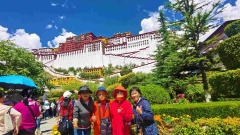

In winter, Tibet becomes a snow-covered secret land in December’s low temperatures, and its weather is key to your travel experience. Unlike rainy, humid summers, December Tibet features unique cold, dry and sunny climates. By day, the sun bathes the plateau, with blue skies and white snow complementing each other beautifully; by night, cold air descends. For winter visitors, understanding December Tibet’s weather details helps avoid weather-related troubles and better enjoy the stunning winter plateau scenery. Below we combine regional weather differences, climate impacts and travel strategies to offer detailed travel references.
Overall Characteristics of Tibet’s Weather in December: Cold and Sunny as the Main Tone
Tibet is in the period of prevailing winter winds in December, and the weather varies significantly across regions due to topographical influences. The core weather characteristics can be explained in detail as follows:
- Temperature Characteristics: Generally cold with large temperature differences between day and night. The average temperature in most parts of Tibet ranges from -10℃ to 5℃; areas with high altitudes such as Nagqu and Ngari have lower temperatures, which can drop below -20℃; relatively warm river valley areas such as Lhasa and Xigaze occasionally have a maximum daytime temperature of around 10℃, presenting an experience of “warm days and cold nights”.
- Precipitation Characteristics: It is the dry season, with very little precipitation in all regions. Rain and snow are rare, and the monthly precipitation is generally less than 5 millimeters. Most areas are dominated by sunny weather.
- Wind Characteristics: Northwest winds prevail, with an average wind speed of 2-4 meters per second; areas with high altitudes such as around Namtso Lake and mountain passes have stronger winds, occasionally with 6-7 level strong winds, requiring key protection.
- Sunshine and Ultraviolet Rays: Abundant sunshine, with an average daily sunshine duration of 6-8 hours and strong ultraviolet rays. Sun protection should be paid attention to even in cold weather.
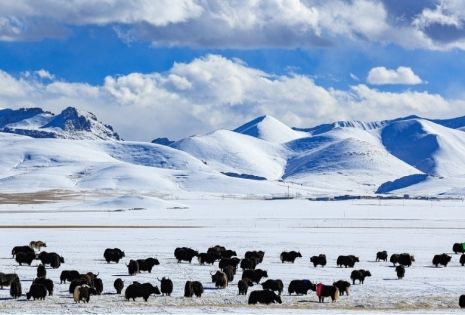
Namtso
Weather Differences Across Various Regions of Tibet in December: More Accurate Understanding by Region
Tibet has a vast territory and a large altitude span. The weather in various regions in December shows obvious regional differences. Tourists can understand by region according to their destinations to prepare for the trip more accurately. The following are the detailed weather conditions of major tourist areas in Tibet in December:
Lhasa’s Weather in December: Warm River Valley, Dominated by Sunny Days
As the political and cultural center of Tibet, Lhasa is located in the Lhasa River Valley, a tributary of the Yarlung Zangbo River, with an altitude of about 3650 meters. The weather in December is relatively mild, making it one of the preferred destinations for traveling to Tibet in winter. The average temperature in this area in December ranges from -2℃ to 8℃. During the day, the sun is abundant, and the noon temperature can rise to around 10℃, making outdoor activities more comfortable; at night, the temperature drops sharply, with the minimum temperature reaching below -10℃ and the temperature difference exceeding 15℃.
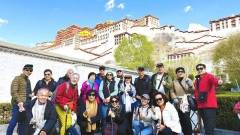
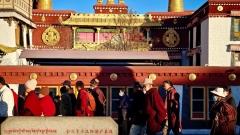
There is almost no rain or snow in Lhasa in December. Sunny weather accounts for more than 90% of the month, the air is dry, and the wind force is small, with an average wind speed of 2-3 meters per second. At this time, the Potala Palace looks more solemn against the white snow, and the sun in the Jokhang Temple Square is warm and pleasant, which is very suitable for urban sightseeing and cultural experience activities.
Xigaze’s Weather in December: Slightly Colder Than Lhasa, Sunny and Less Cloudy
Xigaze has an altitude of about 3850 meters, slightly higher than Lhasa, and the weather in December is slightly colder than that in Lhasa. The average temperature ranges from -4℃ to 6℃, the maximum daytime temperature is about 8℃, and the minimum nighttime temperature can reach -12℃, with a significant temperature difference between day and night. In terms of precipitation, there is almost no rain or snow in Xigaze in December, and sunny weather accounts for about 85% of the month. There are occasional slight dust weather, but it has little impact on travel.
In terms of wind force, the average wind speed in Xigaze in December is 3-4 meters per second. In high-altitude areas such as Everest Base Camp, the wind force can reach 5-6 levels, increasing the cold feeling. Tourists planning to go to Everest need to pay close attention to wind changes and take good windproof and warm-keeping measures.
Nagqu’s Weather in December: Extremely Cold and Dry, Strong Wind
Nagqu is located on the Northern Tibet Plateau with an altitude of about 4500 meters, making it one of the coldest areas in Tibet in December. The average temperature in this area in December ranges from -15℃ to -2℃, the maximum daytime temperature is only about 0℃, and the minimum nighttime temperature can drop below -25℃, with frequent extreme cold weather. At the same time, Nagqu has strong winds in December, with an average wind speed of 4-5 meters per second and frequent 6-7 level strong winds. The dry and cold wind increases the cold feeling, making it a difficult destination for traveling to Tibet in winter.
Nagqu is also dominated by sunny weather in December with little precipitation. However, the strong cold wind and low temperature have high requirements on tourists’ physical quality and equipment. It is not recommended for ordinary tourists to go alone except for experienced travelers.
Nyingchi’s Weather in December: Warm Winter Land in Tibet, Humid and Less Cold
Nyingchi is located in southeastern Tibet, affected by the warm and humid air current from the Indian Ocean, with a relatively low altitude (about 2900 meters in the urban area). It is the warmest and most humid area in Tibet in December, known as “Tibet’s Jiangnan”. The average temperature in this area in December ranges from 2℃ to 12℃, the maximum daytime temperature can reach around 15℃, and the minimum nighttime temperature is about 0℃, with a relatively small temperature difference and high comfort.
Precipitation in Nyingchi in December is slightly more than that in other parts of Tibet, but the monthly precipitation is still less than 10 millimeters, mostly intermittent light rain or slight frost, which has little impact on travel. The air humidity is relatively high, the dry feeling is not obvious, and the vegetation is mostly evergreen, forming a sharp contrast with the snow-covered scenery in other areas, which is suitable for tourists who like warm environments.
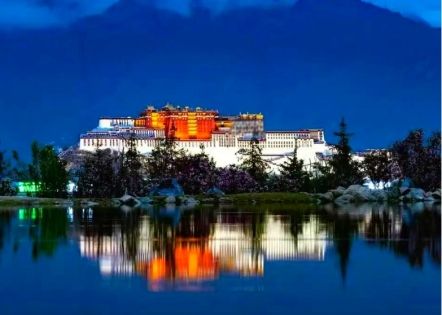
Potala Palace
Impact of Tibet’s Weather in December on Travel: Comprehensive Analysis of Advantages and Disadvantages
Although Tibet’s weather in December is mainly cold and dry, it has unique advantages and disadvantages for travel. Tourists can make reasonable plans according to their own needs:
Travel Advantages Brought by the Weather
- Many Sunny Days and Transparent Vision: In December, sunny weather accounts for more than 80% of most areas in Tibet, with no fog interference and excellent vision. Whether taking photos of scenic spots such as the Potala Palace and Everest, or admiring the plateau starry sky, you can get an excellent experience. It is a golden season for photography enthusiasts.
- Few Tourists and Comfortable Experience: The cold weather makes December the off-season for tourism in Tibet. There are few tourists in major scenic spots, no need to wait in line, and you can visit and tour at a leisurely pace; the prices of tourism resources such as hotels and vehicles are low, with high cost performance.
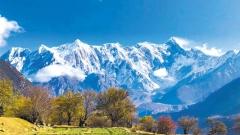
- Unique Winter Scenery: Tibet in December is covered with white snow, forming a unique snowy scenery. The red walls and white snow in Lhasa, the snow-covered Everest, the frozen surface of Namtso Lake, etc., are all stunning scenery that cannot be experienced in other seasons.
Travel Challenges Brought by the Weather
- Low Temperature Easily Causes Discomfort: Extremely low temperatures can easily lead to colds, frostbite and other problems. Especially for tourists who first arrive at the plateau, low temperatures may also aggravate altitude sickness and affect the travel experience.
- Icy Roads in Some Areas: In December, some mountain roads and lakeside roads in Tibet are prone to icing, making the roads slippery. This places high safety requirements for self-driving or chartered travel, and careful driving is required.
- Restricted Itineraries in High-Altitude Areas: The weather in high-altitude areas such as Nagqu and Ngari is extremely bad in December, and some scenic spots may be closed, which restricts itinerary arrangements. It is necessary to confirm the opening status of scenic spots in advance.
Practical Travel Guide for Coping with Tibet’s Weather in December
In view of the characteristics of Tibet’s weather in December, tourists need to make full preparations in terms of clothing and equipment, physical care, and itinerary planning to ensure a smooth and comfortable trip:
Clothing and Equipment: Layered Warmth, Priority to Windproof
Tibet’s weather in December is cold with strong winds. The choice of clothing should follow the principle of “layered warmth, windproof and waterproof”. The specific suggestions are as follows:
- Inner Layer: Choose breathable and sweat-absorbent quick-drying clothes and pants to avoid cold caused by sweat soaking the clothes. You can prepare 2-3 sets for replacement.
- Middle Layer: Wear warm sweaters, fleece jackets or down vests to enhance the warmth effect. It is recommended to choose styles that are easy to put on and take off for the middle layer to adapt to the large temperature difference between day and night.
- Outer Layer: Equip with a thick windproof and waterproof down jacket and windproof pants. The fill power of the down jacket is recommended to be more than 800 grams. The windproof pants should be made of wear-resistant and waterproof materials to resist strong winds and a small amount of rain and snow.
- Accessories: Hats, scarves, gloves and snow boots are essential. Choose hats that can cover the ears. It is recommended to prepare two pairs of gloves (thin touch-screen gloves and thick windproof gloves). Snow boots should be non-slip, warm and high-top to avoid frostbite and slipping of the feet.
Physical Care: Anti-Dry, Sun Protection and Altitude Sickness Prevention
Tibet’s weather in December is dry with strong ultraviolet rays, and low temperatures may aggravate altitude sickness. Physical care needs to focus on the following points:
- Anti-Dry: Carry moisturizer, lip balm and hand cream, apply them in time every day to avoid dry and cracked skin and lips; carry an insulated water cup with you and drink more than 2000 milliliters of warm water every day to replenish body moisture.
- Sun Protection: Choose high-factor sunscreen with SPF50+ and PA+++ or above, apply it before going out every day, and reapply it regularly; wear sunglasses and sun protection scarves to avoid strong ultraviolet rays from damaging the skin and eyes.
- Altitude Sickness Prevention: Take drugs such as Rhodiola rosea to prevent altitude sickness 1-2 weeks in advance; avoid strenuous exercise and rest more when first arriving at the plateau; carry emergency items such as altitude sickness medicine and oxygen tanks. If severe altitude sickness symptoms occur, seek medical attention in time or evacuate to low-altitude areas.
- Frostbite Prevention: Avoid long-term exposure of the skin to cold air during outdoor activities. If initial frostbite symptoms such as numbness of hands and feet and red and swollen skin appear, relieve them in a warm environment in time and apply frostbite cream.
Itinerary Planning: Comply with the Weather and Adjust Flexibly
Combined with the characteristics of Tibet’s weather in December, itinerary planning should focus on safety and comfort. The suggestions are as follows:
- Choose the Right Destination: For tourists who first arrive at the plateau or are afraid of cold, priority should be given to relatively warm areas such as Lhasa and Nyingchi; experienced travelers can try the Lhasa-Xigaze-Everest route, but it is necessary to confirm the opening status of Everest Base Camp and road conditions in advance.
- Arrange the Itinerary Rhythm Reasonably: Avoid long-distance continuous traveling. It is recommended that the daily travel distance should not exceed 300 kilometers; focus outdoor activities on the warm daytime hours and minimize going out at night.
- Pay Attention to the Weather Forecast: Download the local weather forecast app in advance, check the weather conditions of the destination and the driving route every day, and adjust the itinerary in time if encountering bad weather such as strong winds and icing.
- Choose the Right Mode of Transportation: Self-driving tourists need to drive a four-wheel drive vehicle and equip with emergency items such as anti-skid chains and first-aid kits; for chartered travel, choose a formal travel agency to ensure that the driver has rich experience in driving on the winter plateau.
Recommended Special Travel Experiences Under Tibet’s Weather in December
Although Tibet’s weather in December is cold, the unique climatic conditions have also created a variety of special travel experiences worthy of tourists’ experience:
- Lhasa Sunbath: The noon sun in Lhasa in December is warm. You can find a place to sunbathe in Jokhang Temple Square or Potala Palace Square, feel the warmth of the plateau sun, communicate with local believers, and experience a slow life.
- Namtso Frozen Lake Exploration: The surface of Namtso Lake is completely frozen in December, forming a magnificent frozen lake scenery. Unique ice cracks will also appear on the ice surface, shining brightly in the sun, making it an excellent place for taking photos. However, it should be noted that Namtso has a high altitude and extremely strong winds in December, so strict windproof and warm-keeping measures are required.
- Nyingchi Warm Secret Land Tour: Nyingchi’s weather in December is warm with evergreen vegetation. You can go to scenic spots such as Basum Tso Lake and Lulang Forest Sea to admire the winter scenery of “Tibet’s Jiangnan” and experience a warm experience completely different from the snowy land of Northern Tibet.
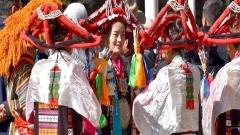
- Tibetan New Year Celebrations: If the itinerary coincides with the Tibetan New Year (usually from late December to January of the next year), you can experience the unique Tibetan New Year celebrations in Lhasa, feel the local folk culture, celebrate the New Year with local people, and experience a strong festive atmosphere.
Frequently Asked Questions About Tibet’s Weather in December: Must-Know Answers for Tourists
Q: Is Tibet’s weather so cold in December that it will affect altitude sickness?
A: It will have a certain impact. The low-temperature environment will increase the body’s burden and may make the symptoms of altitude sickness more obvious. It is recommended to reduce strenuous exercise when first arriving at the plateau, take good warm-keeping measures to avoid colds, and carry emergency items such as altitude sickness medicine and oxygen tanks. If severe discomfort occurs, seek medical attention in time.
Q: Will it snow in Tibet in December? Will it affect travel?
A: Tibet is in the dry season in December, and rain and snow are extremely rare. Most areas are dominated by sunny weather, which basically does not affect travel. It is only necessary to pay attention that some high-altitude mountain passes or mountain roads may be icy due to low night temperatures, and careful driving with anti-skid chains is required.
Q: Is sun protection still needed when traveling to Tibet in December with such strong sunshine?
A: Yes. The air in the Tibet plateau is thin, and the ultraviolet penetration is extremely strong. Although the temperature is low in December, the sunshine duration is sufficient, and strong ultraviolet rays may still cause skin burns, tanning, and even damage to the eyes. It is recommended to wear sunglasses and sun protection scarves, and apply high-factor sunscreen with SPF50+ and PA+++ or above.
Q: The weather varies greatly across various regions of Tibet in December. How to choose a destination?
A: For tourists who are afraid of cold or first arrive at the plateau, priority should be given to relatively warm areas such as Lhasa and Nyingchi. The average temperature in Nyingchi in December can reach 2℃ to 12℃, with high comfort; experienced travelers can choose the Lhasa-Xigaze-Everest route, but it is necessary to confirm the opening status of Everest Base Camp and road icing conditions in advance; high-altitude areas such as Nagqu and Ngari are not recommended for ordinary tourists due to extremely bad weather.
Q: How should I prepare clothes for traveling to Tibet in December to cope with the local weather?
A: It is necessary to follow the principle of “layered warmth, windproof and waterproof”. The inner layer should be breathable and sweat-absorbent quick-drying clothes and pants, the middle layer should be matched with warm sweaters or fleece jackets, and the outer layer should be a thick windproof and waterproof down jacket with a fill power of more than 800 grams and windproof pants; in terms of accessories, hats that can cover the ears, thick windproof gloves and non-slip high-top snow boots are essential. You can additionally prepare a pair of thin touch-screen gloves to facilitate the use of electronic devices.