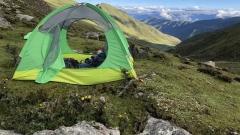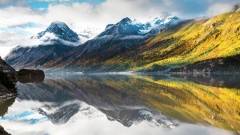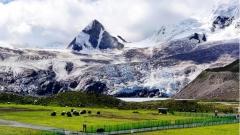

As warm winds gently sweep across the vast land of China, mountains and rivers usher in their vibrant and charming season of the year. From the delicate peach blossoms against the majestic plateau snow-capped mountains to the tender grasslands’ first green, from Xinjiang’s quiet river valley apricots to Sichuan’s ancient Tibetan village pears, every beautiful scenery hides a wonderful spring surprise. This carefully compiled guide gathers four core travel destinations, briefly introducing their unique attractions, best visiting times, convenient transport, comfortable accommodation and practical tips, helping every traveler easily plan pleasant trips and deeply experience different regional spring customs.
Tibet in Spring: The Miracle of Peach Blossoms Against Snow-Capped Mountains
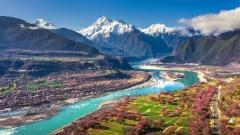
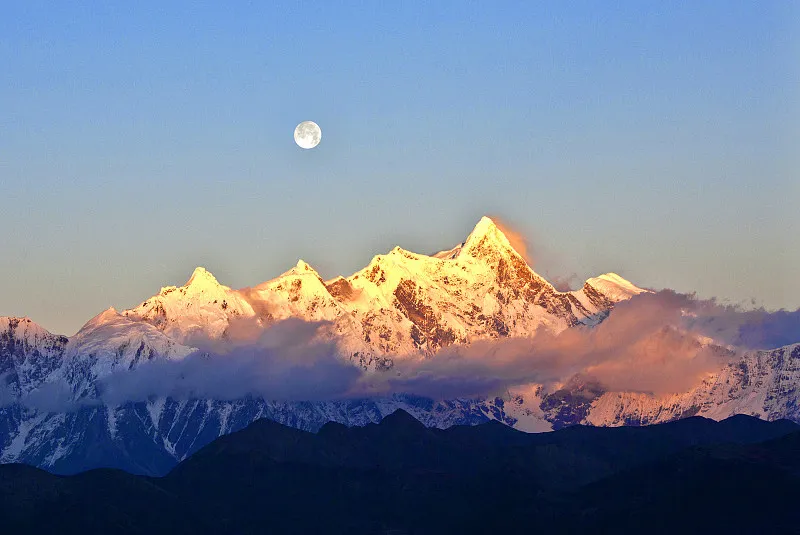
Spring in Tibet starts with Nyingchi’s first peach blossoms. Unlike the delicate southern ones, Tibet’s peach blossoms grow on the snow-capped plateau, accompanied by grand snow-capped mountains and clear rivers. They blend plateau grandeur with spring tenderness, making peach blossoms against snow-capped mountains a iconic spring scene and top choice for visiting Tibet in spring.
Core Attractions: Three Major Peach Blossom Resorts in Nyingchi
Known as Tibet’s “Jiangnan”, Nyingchi is the main peach blossom destination. It has numerous snow-capped mountain-adjacent peach forests, each unique and perfect for self-driving or hiking.
- Bodui Peach Blossom Valley: China’s largest peach blossom valley (nearly 60km), with 200,000+ wild peach trees (avg. 360 years old) in 9 villages. Randomly growing, they form a unique scene with glaciers and snow-capped mountains; peak: late March-mid April, like a natural paradise.
- Gala Village: Nyingchi’s “First Peach Blossom Village” (10km from downtown on National Highway 318), surrounded by mountains and the Nyang River. 1,253+ century-old peach trees bloom late March-early April (25-day peak), hosting the Peach Blossom Festival and offering great panoramic photo spots.
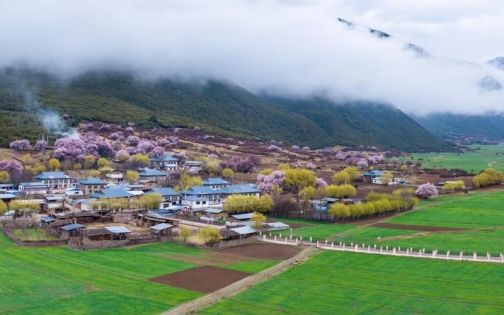
- Galang Village: Located in Bomi, surrounded by peach forests and clear Galang Lake reflecting snow-capped mountains, peach blossoms and ancient castles. Its peak flowering period is slightly later than Gala Village (early-mid April). Morning mist shrouds the peach forest, making it a paradise for slow travel.
Nyingchi
Practical Travel Guide for Tibet
- Best Visiting Time: Late March to mid-April. At this time, peach blossoms are in peak bloom, snow-capped mountains are partially melted, offering magnificent scenery, and the temperature is comfortable for traveling.
- Transportation Guide: Fly to Lhasa Gonggar Airport, then transfer to a bus/high-speed train to Nyingchi (4-5 hours). Self-driving or chartered cars are recommended for convenience, with stunning scenery along National Highway 318.
- Accommodation Recommendations: Downtown Nyingchi has various hotels; for a flower sea view, choose Tibetan homestays near Gala/Bodui Villages (150-300 RMB per person per night) with snow-capped mountain views.
- Notes: Nyingchi’s altitude is ~2,900m; prevent altitude sickness by taking medicine in advance and avoiding strenuous exercise. Bring thick coats, sunscreen and sunglasses for large day-night temperature differences.
Tibetan Characteristic Experiences
- Integration of Religion and Nature: Go to Qingduo Monastery to overlook the panoramic view of the peach blossom valley, feel the perfect integration of Tibetan Buddhist culture and natural scenery, and calm your mind in piety and beauty.
- Riverbank Leisure Experience: Walk along the Nyang River, enjoy the beautiful scenery of peach blossoms reflected in the river, get close to the nomadic life of Tibetan compatriots, and feel the simplicity and leisure of Tibet.
- Tibetan Food Tasting: Taste local characteristic foods such as butter tea, Tibetan fragrant pork and stone pot chicken. Every bite contains Tibetan flavor, allowing your taste buds to also feel the spring taste of Tibet.
Xinjiang in Spring: The Romance of Apricot Blossoms Blanketing River Valleys
Spring in Xinjiang lies in the apricot blossoms of the Ili River Valley. Every April, tens of thousands of mu of pink and white apricots bloom freely in Turgen, Daxi Valley and other places, covering valleys and river banks against snow-capped mountains and green grass. Blown by the wind, they fall like pink snowflakes, making it a romantic must-visit for flower lovers.
Four Must-Visit Apricot Blossom Spots in Ili
Apricot blossoms in the Ili River Valley are widely distributed. Among them, Turgen Apricot Blossom Valley is the most famous. In addition, the apricot blossoms in Daxi Valley, Huocheng and Xinyuan also have their own charms, which can be visited according to your own itinerary.
- Turgen Apricot Blossom Valley: The world’s largest primitive wild apricot forest (30,000 mu), with apricots layered in valleys against meadows and snow-capped mountains. Peak: April 9-15; sunrise/sunset views are stunning.
- Daxi Valley Apricot Blossom Valley: Huocheng County’s wild apricots, mixed with apple/pear blossoms. Peak: late March-early April; a several-kilometer flower sea ideal for casual visits and photos.
- Xinyuan County Apricot Forest: Dense artificial apricot trees around downtown, with pastoral views. Peak same as Turgen, perfect for time-limited tourists.
- Huocheng Apricot Blossom Valley: Adjacent to lavender fields, pink apricots reflect green wheat. Peak: early-mid April; quiet, ideal for pastoral photos.
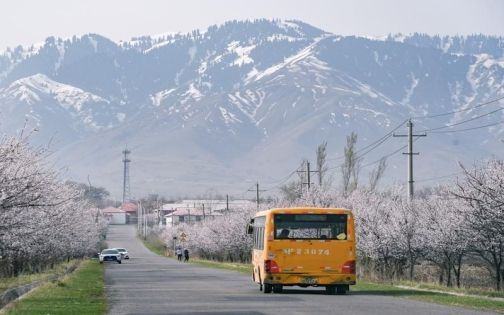
Spring in Yili
Travel Guide for Ili, Xinjiang
- Best Time: Late March-mid April; Turgen’s peak is only ~10 days. Check real-time flower info on Yili Local Treasure beforehand.
- Transport: Fly to Urumqi/Yining, transfer to high-speed train/shared car/chartered car (500 RMB/day) to Turgen for sunrise photos.
- Accommodation: Yurts (200 RMB, no private toilet) in Turgen; Xinyuan hotels (≥300 RMB/night), book 1 month in advance.
- Notes: Ticket 40 RMB (half-price for elderly/students), mandatory shuttle 10 RMB; bring cash/offline maps, sunscreen and thin coat.
Xinjiang Customs Experiences
- Nomadic Life Experience: Taste Kazakh milk tea at 10 RMB a cup in the herdsmen’s yurts in the scenic spot, immerse yourself in the nomadic life of local herdsmen, and experience the unique folk customs.
- Horse Riding in the Flower Sea: Ride a horse to visit the apricot blossom valley, 150 RMB per hour. Negotiate the price in advance to avoid temporary price increases. Gallop in the flower sea and enjoy the spring romance to the fullest.
- Sunset Scenery Shooting: Go to Sunset Slope in the evening to enjoy the shocking beauty of apricot blossoms gilded by the setting sun, matched with the distant snow-capped mountains, full of atmosphere, and easily take blockbuster photos.
- Xinjiang Food Tasting: Taste local characteristic foods such as hand-grabbed rice, baked buns and pulled noodles, deeply feel the unique food culture of Xinjiang, and meet the taste buds’ needs.
Sichuan-Tibet Elegance: The Poetry of Pear Blossoms Covering Tibetan Villages
Spring in Sichuan lies in western Sichuan’s Tibetan villages. From mid-March to early April, Danba, Jinchuan and surrounding areas are covered by tens of thousands of mu of snow-white pear blossoms, which set off unique Tibetan dwellings, watchtowers and snow-capped mountains, forming a stunning hundred-mile flower sea. It is an ideal destination to experience Tibetan culture and spring beauty.
Core Pear Blossom Spots in Western Sichuan
Western Sichuan’s pear blossoms are mainly in Danba and Jinchuan Counties, with three top spots: Jiaju, Zhonglu Tibetan Villages and Jinchuan River Valley, each with slightly different peak flowering periods for a consecutive tour.
- Jiaju Tibetan Village: Known as China’s most beautiful village, low-altitude with pear blossoms blooming mid-March to late March. Over 200 Tibetan houses nestle in the flower sea, with Viewing Platform 3 offering panoramic views, perfect for morning photography.
- Zhonglu Tibetan Village: Slightly higher altitude, peak flowering late March to early April. It boasts terraced pear blossoms and ancient watchtowers, ideal for photographers, with sunset and starry sky photo opportunities.
- Jinchuan River Valley: Adjacent to Danba, peak flowering mid-March to mid-April. A 100-kilometer pear blossom tunnel lines the river, offering shocking large-scale scenery and panoramic photo spots.
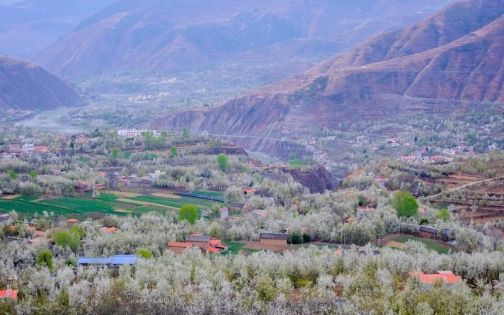
Jinchuan River Valley
Sichuan-Tibet Tibetan Village Travel Tips
- Best Time: Mid-March to mid-April, with peaks for Jiaju (Mar 20-30), Zhonglu (Mar 23-Apr 2) and Jinchuan (Mar 20-Apr 10).
- Transport: Fly to Chengdu, then drive (5.5-6 hours) or take a bus to Danba; local travel by taxi or rural bus.
- Accommodation: Tibetan homestays (100-200 RMB/person/night) near villages, or hotels in Danba downtown (around 300 RMB/night).
- Notes: Jiaju ticket 50 RMB (2-day valid), Suopo Watchtower ticket 30 RMB; prepare snow chains for self-driving, respect local customs.
Leisure Experiences in Tibetan Villages
- Tibetan Family Life Experience: Experience tsampa making and drink butter tea at Gesang’s home in Zhonglu Tibetan Village, get close to the simplicity and warmth of Tibetan family life, and deeply understand Tibetan culture.
- Secret Hiking and Flower Viewing: Hike to the secret place of Kaka Village, walk for 20 minutes to the abandoned watchtower, and enjoy the uninhabited flower sea alone with pure scenery and high photo quality.
- Leisure Tea Tasting and Relaxation: Spend 20 RMB to taste tea and listen to music in the Cloud Tea House, stay away from the hustle and bustle, heal your body and mind, and enjoy a moment of peace and tranquility in the spring scenery.
- Night View and Food Tasting: Walk in the Tibetan village in the evening, enjoy the quiet night view of pear blossoms and Tibetan houses, and taste spring limited foods such as sour noodle pieces, Tibetan-style roast meat and pear blossom cakes.
Northwest Wilderness: The Surprise of Waking Grasslands and Turning Blue Lakes
Spring in the northwest starts with the grasslands’ first green. From April to May, Qilian Grassland, Qinghai Lake and Chaka Salt Lake gradually wake up. Grasslands turn from withered yellow to green, lakes thaw to bright blue, reflecting distant snow-capped mountains and gobi. It blends northwest grandeur with spring vitality, ideal for wilderness-loving tourists.
Four Must-Visit Attractions in Northwest China in Spring
Northwest spring scenery focuses on Qinghai and Gansu. The four key attractions—Qilian Grassland, Qinghai Lake, Chaka Salt Lake and Emerald Lake—range from grasslands to lakes, each unique and connectable into an essential spring tour route.
- Qilian Grassland: One of China’s six most beautiful grasslands, turning green late April-early May. Tender green meadows cover slopes against Qilian Snow Mountains, with few spring tourists, ideal for feeling its vastness and horse riding.
- Qinghai Lake: China’s largest inland lake, thawing in spring to bright blue. From April-May, wild flowers bloom and migratory birds return. Visit the free southern herdsmen’s path to avoid crowds and take photos.
- Chaka Salt Lake: Known as the “Mirror of the Sky”, spring is its golden season with few tourists. Ice thaws April-May, white salt flats reflect sky and clouds; wear bright clothes for better reflection photos.
- Da Qaidam Emerald Lake: Nicher than Chaka, with moderate spring water levels and colorful (dark/light green, bright blue) waters reflecting gobi. Perfect for aerial photography to capture its gorgeous colors.
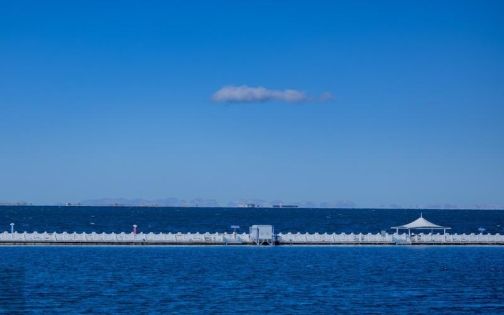
Qinghai Lake
Practical Travel Tips for Northwest China
- Best Time: April-May. Grasslands wake, lakes turn blue, with only 30%-40% of peak tourists, comfortable 10-20℃ average temperature for hiking and photography.
- Transport: Fly to Xining, then self-drive (9-day tour) or take a chartered car/local group. Scenic spots are far apart; plan the itinerary reasonably.
- Accommodation: Xining has various hotels; Qinghai Lake has tent/lake view homestays (200-400 RMB/person); Qilian has Tibetan homestays (150-300 RMB/person); Da Qaidam has express hotels (200 RMB/person), book in advance.
- Notes: Bring thick coats/windbreakers for large day-night temperature differences; sunglasses/scarves for Chaka’s strong wind; drive carefully in snowy areas; book Mogao Grottoes tickets in advance, no photography.
Northwest Wilderness Experiences
- Grassland Galloping Experience: Ride a horse on Qilian Grassland, feel the pride of galloping on the grassland, accompanied by the tender green meadows and distant snow-capped mountains, and enjoy the freedom of the northwest wilderness to the fullest.
- Salt Lake Characteristic Experience: Experience walking on the salt flats and taking a small train at Chaka Salt Lake, enjoy the beautiful scenery of the “Mirror of the Sky”, and wear bright clothes to take reflection blockbusters.
- Sunset Scenery Appreciation: Enjoy the sunset by Qinghai Lake in the evening, watch the setting sun dye the lake water golden red, reflecting with the distant snow-capped mountains and grasslands, and the scenery is extremely shocking.
- Food and Culture Experience: Taste local characteristic foods such as Qinghai old yogurt and hand-grabbed mutton, visit Ta’er Monastery, appreciate the three major art masterpieces of murals, appliqué and butter sculpture, and feel Tibetan Buddhist culture.
China Spring Travel Tips
In spring China, from the snow-capped plateau to the northwest wilderness, every place hides unique spring beauty. Tibet’s peach blossoms, Xinjiang’s apricots, Sichuan’s pear-blossom Tibetan villages and the northwest’s grasslands and lakes each have their charms. Whether you love flower seas, Tibetan customs or wilderness grandeur, you can find your ideal spring spot.
General Travel Tips
- The temperature difference between day and night is large in spring. Bring thick coats, sunscreen and other items to do a good job in sun protection and warmth preservation.
- It is the peak season for flower viewing, so you need to book tickets and accommodation in advance; plan the route and check the vehicle status before self-driving.
- Respect the customs and habits of ethnic minorities in Tibet, western Sichuan, Xinjiang and other places, and travel politely.
- There may be snow and mud on some sections. Pay attention to preventing altitude sickness in high-altitude areas and bring necessary daily medicines.
Spring is short, but the beauty is worth it. While the warm wind is just right and the sun is not harsh, pack your bags and embark on this date with mountains, rivers and blossoms. Walk into spring in China, feel the spring customs of different regions, and leave your own spring travel memories. Whether you are traveling alone, with a partner, or with your family, these spring destinations can bring you different surprises and touches.