

Standing by the Yangtze River, as the breeze ripples the water, if a grayish-black figure leaps out suddenly, arcing gracefully into the waves, it must be the Chinese Yangtze River Dolphin—the “smile angel” of the Yangtze greeting you. As the unique flagship species of the Yangtze Basin, it boasts a naturally upturned mouth and carries the ecological memories of the mother river. Latest scientific data shows its population has reached 1,249, a 23.4% increase from 2017, achieving a historic rebound. Today, from Gezhouba in Yichang to Bali River in Anqing, these lively creatures appear more frequently, witnessing the Yangtze’s ecological recovery and offering precious chances to connect with nature.
The Chinese Yangtze River Dolphin: A Wise Creature in the Yangtze
Many visitors are charmed by the dolphin’s “smile” at first sight, unaware of the unique physiology and survival wisdom behind it. Belonging to the Phocoenidae family, it has no dorsal fin, with a streamlined body covered in smooth grayish-black skin. Adult dolphins are about 1.5 to 2.2 meters long and weigh 100 to 220 kilograms, looking adorable. Their “smile” isn’t an expression of joy but a natural physical feature from an upturned snout—yet this innate affability warms every visitor’s heart.
As freshwater dolphins, their survival ability exceeds imagination. With an IQ equivalent to a 6-year-old child, they can accurately judge water safety, one reason they’ve gradually approached human activity areas in recent years. Lacking external ear flaps, they use sharp hearing to capture underwater sound waves, locating prey precisely in turbid waters. Feeding on small fish, they need about 5 kilograms of food daily. Thanks to the 10-year fishing ban, the recovery of Yangtze fish resources has made foraging easier for these aquatic diners.
More touching is their family values. Volunteers often observe mother-calf pairs staying close—calves remain by their mothers’ sides for over a year, learning to forage and avoid dangers. In Anqing’s Bali River waters, dozens of dolphins gather every breeding season, humorously called a “dating party” by volunteers. Frequent sightings of calves are direct proof of the growing population. These warm details make the Chinese Yangtze River Dolphin more than a species name, but a heartfelt ecological companion for visitors.
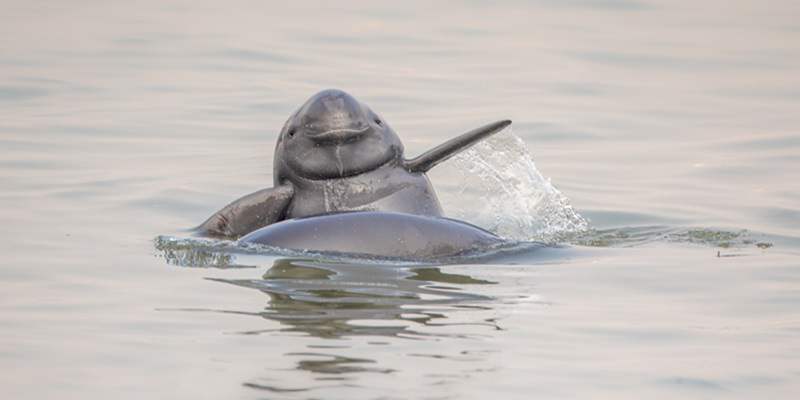
The Chinese Yangtze River Dolphin
Population Recovery: An Ecological Miracle from Endangerment to Common Sight
The Chinese Yangtze River Dolphin, now easily spotted by visitors, faced extinction over a decade ago. Scientific data in 2006 showed only about 1,800 individuals, dropping to 1,012 in 2017 and being listed as critically endangered by the IUCN. Back then, chemical plants lined the Yangtze, discharging sewage directly; overfishing depleted fish resources, squeezing the dolphins’ living space. Jiang Meng, Secretary-General of the Nanjing Yangtze River Dolphin Conservation Association, recalled the air reeking of chemicals, the river as turbid as muddy soup, and photographing a dolphin was harder than climbing a mountain.
The turning point came with the full implementation of the Yangtze River Protection Strategy. On January 1, 2021, the 10-year fishing ban in key Yangtze waters took effect, with hundreds of thousands of fishermen retiring to give aquatic life room to recover. Coastal regions demolished illegal docks, treated chemical pollution, and restored wetlands to build safe habitats. During the construction of Tongling Yangtze River No.3 Bridge, three dolphin-listening systems were installed to detect echolocation signals—construction paused immediately if dolphins approached, minimizing disturbance.
These efforts yielded remarkable results. 2023 data from the Ministry of Agriculture and Rural Affairs showed the population reaching 1,249, stabilizing at over 1,240 in 2025 despite slight fluctuations, marking a historic rebound. From Anqing, Anhui to Nanjing, Jiangsu, and Yichang, Hubei to Yueyang, Hunan, the once-rare dolphins are now familiar to residents and visitors. In the Tongling Freshwater Dolphin Reserve, the number increased from 4 to 60, a 50% growth. At Nanjing’s Xiaguan Riverside Scenic Belt, dolphins often play at dusk, attracting tourists to stop and take photos. This ecological miracle is a vivid practice of harmonious coexistence between humans and nature, creating excellent opportunities for visitors to get close to the dolphins.
Dolphin Watching Along the River: Guide to Five Top Spots
For visitors eager to meet the Chinese Yangtze River Dolphin, choosing the right spot and time is crucial. They inhabit a wide range, from the Yangtze mainstream to tributary lakes like Poyang and Dongting, each offering unique experiences. Based on volunteer data and visitor feedback, here are five recommended spots:
- Anqing Bali River: Known as China’s No.1 Dolphin Bay, it’s the confluence of the Yangtze mainstream and Poyang Lake. Over 100 square kilometers of mid-river islands divide the waterway, forming the Zhangbei Waterway with no large ships—an ideal habitat. Over 500 dolphins gather here from late November to early December, with many calves during the March-April breeding season. Li Yong, a 64-year-old volunteer, has filmed nearly 100 hours of dolphin videos and enthusiastically guides visitors. Early morning or dusk is best, as calm waters increase dolphins’ breathing frequency.
- Yueyang Dolphin Bay Scenic Area, Hunan: Hailed as the most beautiful dolphin bay on the Yangtze, it’s the birthplace of “protecting the clear waters of the Yangtze.” Covering 107 hectares, the scenic area integrates reeds, sandbars, and river views, recreating the scene of “sky and water merging into a vast blue” described in the “Tale of Yueyang Tower.” The on-site scientific research and rescue base allows visitors to observe recovering dolphins. Monitoring shows over 1,600 dolphin activities daily in Junshan Island waters, with about 50 resident dolphins and 4-6 frequent calves. Well-equipped, it’s perfect for family trips—reed-covered springs complement leaping dolphins beautifully.
- Yichang, Hubei: A top spot in the upper Yangtze. The riverbank downstream of Gezhouba Dam, with gentle currents and abundant food, is a concentrated activity area. The Dolphin Square is a popular check-in spot, featuring stainless steel dolphin sculptures and ripple patterns on the ground, with stunning light effects at night. Visitors can scan QR codes to use binoculars. Senior photographers recommend Xiba Observation Deck, offering views of both dolphins and the magnificent Gezhouba Dam. Sunny afternoons are ideal for shooting, as sunlight makes dolphins’ black backs stand out.
- Xiaguan Riverside Scenic Belt, Nanjing, Jiangsu: An urban dolphin paradise. The 80-plus square kilometers of waters from Zhongshan Wharf to Yangtze River Bridge is designated as a provincial nature reserve. Once an industrial coastline, it has been restored to a waterfront park with 18 tributaries meeting water standards and leading forest coverage in Jiangsu. Dusk is the best time—sunset gilds the river, and dolphins leaping against the sunset create a breathtaking scene. The nearby Dolphin Bookstore offers unique cultural and creative products, allowing visitors to learn about conservation stories after watching dolphins.
- Hukou County, Jiujiang, Jiangxi: The core dolphin watching area in the Poyang Lake Basin. From September to March, falling water levels trigger frequent fish migrations, attracting many dolphins to feed. On the river embankments, visitors often see dolphins playing around fish schools, spouting water or diving. Local fishermen-turned-ecotourism operators offer guide services, leading visitors to high-frequency activity areas and increasing success rates.
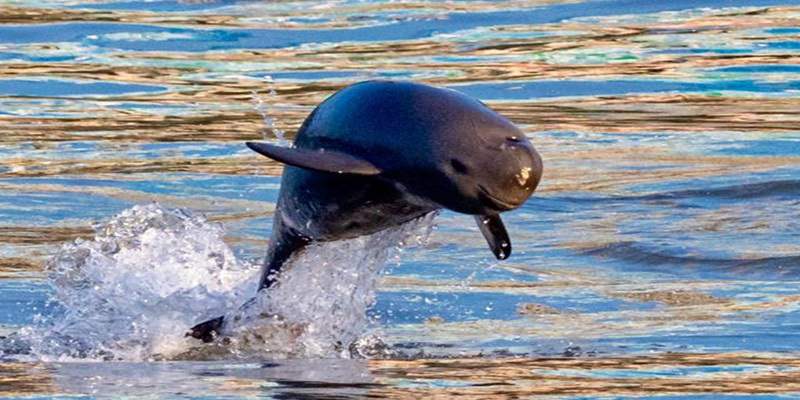
The Chinese Yangtze River Dolphin
Responsible Dolphin Watching: A Must for Protecting the Smile
The return of the Chinese Yangtze River Dolphin is hard-won. While enjoying the experience, every visitor should be an ecological protector. Inappropriate behavior may disturb these sensitive creatures—mastering responsible watching etiquette is crucial. Xu Jianli, a volunteer in Wuhan’s Xinzhou District, reminds that although dolphins have adapted to human activities, maintaining an appropriate distance is key to harmonious coexistence.
First, keep quiet—avoid loud noises or megaphones. Dolphins have extremely sharp hearing; harsh sounds can scare them away. Follow on-site guidelines, don’t chase their tracks, and lower voices when spotting mother-calf pairs to avoid interfering with calves’ learning. Second, never feed or throw garbage into the river. Human food can cause indigestion, and plastic waste is life-threatening—volunteers have found dolphins injured by plastic ropes, a heartbreaking sight.
For photography, avoid close-range drone use. Drone propeller noise and lights disrupt dolphins’ lives, and many reserves ban drones in core areas. Use telephoto lenses on the shore for clear shots without disturbance. Additionally, abide by reserve rules, don’t enter closed areas, and don’t interfere with scientific monitoring equipment to jointly protect their habitat.
Many spots have volunteer service stations—visitors can participate in popular science activities, learn more about conservation, or join temporary patrols. Over 200 students from Anqing Caohu Primary School’s Dolphin Protection Team promote conservation through paintings and essays, inspiring every visitor. Responsible dolphin watching is not only about protecting the dolphins but also cherishing the Yangtze’s ecological achievements, ensuring this ecological smile lasts forever.
From an endangered species to a common sight in river bays, the Chinese Yangtze River Dolphin’s rebound is a vivid footnote to the Yangtze’s ecological recovery. When you encounter this smile by the river, you feel not only the cuteness of nature but also the warmth of harmonious coexistence. For a smooth and fulfilling dolphin watching trip, choose the exclusive routes of China Dragon Travel. With years of experience in Yangtze ecotourism, they take you to top spots with professional guides explaining conservation stories, letting you deeply understand the significance of Yangtze protection while enjoying the scenery. It’s believed that more Chinese Yangtze River Dolphins will ride the waves in the future, showing the most touching ecological smile to every visitor.