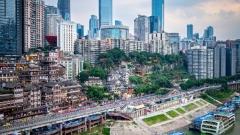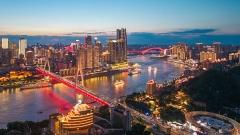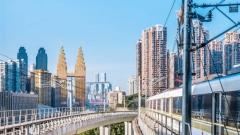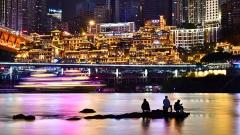

For many travelers planning to visit Chongqing, choosing between the off-season and peak season is often a key factor influencing the experience and budget. Like most tourist cities, Chongqing’s tourism industry has distinct peak and off-seasons. Opting to visit this magical mountain city during the off-season not only allows you to avoid crowds and enjoy a more leisurely pace of sightseeing but also enables significant savings on transportation, accommodation, and entrance tickets. This article helps you understand Chongqing’s tourist off-season periods, and offers an off-season-specific travel guide, allowing you to deeply experience Chongqing’s unique charm with a more economical budget.
Chongqing Off-Season Travel Periods
To plan an off-season trip, it’s essential first to understand the fluctuation cycles of tourist crowds in Chongqing. The seasonality of Chongqing’s tourism is primarily influenced by climate, holidays, and student vacations.
- Winter: Typically extending from December to early February of the following year, this is Chongqing’s most characteristic off-season. Temperatures are lower, and the weather is often cloudy, rainy, or foggy. However, during this time, there are very few tourists, attractions are quiet, and prices are at their annual low. It’s important to avoid the Spring Festival Golden Week, usually a 7-day period in late January or early February. The influx of returning travelers and short-term tourists during Spring Festival instantly shifts Chongqing into peak-season mode.
- Spring-Summer and Autumn-Winter Transitions: Namely March to April and November, these two periods are considered “shoulder seasons” or “mini off-seasons.” The weather becomes warmer or pleasantly cool, but major holidays have not yet arrived. March-April may have occasional spring rain, while November is rich with autumn atmosphere. Tourist numbers are much lower than in peak season, and prices are relatively reasonable, making it an excellent choice for those seeking a balance between comfort and value.
If you want to experience ultimate value and tranquility, prioritize December, January, and February (post-Spring Festival). If you prefer more comfortable weather while still enjoying affordable prices, then March, April, and November are good choices. Compared to the long holidays of Labor Day (May 1st) and National Day (October 1st), these periods do not see nationwide travel rushes, and Chongqing’s major attractions are not overcrowded, with lower prices across the board, offering higher travel value.
Chongqing Off-Season Travel Costs
Major Transportation Costs
Visiting Chongqing during the off-season is the golden period for saving on major transportation expenses. Whether choosing flights, high-speed rail, or regular trains, prices during this time offer significant advantages compared to the peak season, with ample ticket availability and more flexible itinerary planning.
- Flights: Round-trip tickets from cities like Beijing, Shanghai, Guangzhou, and Shenzhen to Chongqing Jiangbei International Airport generally range from RMB 600 to 1,200 during the off-season. If booked 1-2 months in advance or by choosing flights on Tuesdays or Wednesdays, you can often find discounted tickets for RMB 400-800.
- High-Speed Rail / Bullet Trains: From first-tier cities, prices for bullet trains or high-speed rail to Chongqing vary by city. Taking Shanghai as an example, second-class high-speed rail tickets cost approximately RMB 580-670, while second-class bullet train tickets are around RMB 580-650. Opting for overnight sleeper trains can further save on accommodation costs. Departing from surrounding provincial capitals is even more affordable; for instance, the bullet train from Chengdu to Chongqing costs only RMB 95-105, from Wuhan approximately RMB 220-240, and from Xi’an about RMB 250-270.
It is recommended to monitor flight prices 30-60 days in advance and set price alerts on platforms like Ctrip and Fliggy. If direct flight prices are high, consider connecting through cities like Chengdu, Xi’an, or Guiyang, combining “flight + high-speed rail” for a potentially more economical option. It’s also advised to check individual airline websites or official accounts for the latest discount information.
Chongqing Off-Season Itinerary
For an off-season trip to Chongqing, it is recommended to schedule at least seven days. During this time, you can avoid bustling crowds and have a more leisurely and in-depth experience of the cultural and natural landscapes Chongqing has to offer.
- Day 1:Arrival & City Area: Optionally explore near your hotel. In the evening, head to Jiefangbei Pedestrian Street to soak in the Chongqing atmosphere and find popular local eateries around Bayi Road Food Street for a cost-effective dinner.
- Day 2:Old City Culture & Classic Landmarks: Visit the Chongqing China Three Gorges Museum and view the exterior of the People’s Great Hall. Stroll along Zhongshan Fourth Road, then proceed to Liziba Station to see the light rail passing through the building.
- Day 3: Hongya Cave: Admire the stilted buildinglandscape. Meals can be arranged flexibly nearby.
- Day 4: Artistic Old Streets: Visit the Eling No.2 Factory Cultural and Creative Park and explore the Nanshan Botanical Garden.
- Day 5: Hot Spring Relaxation & Outskirts Tour: Head to a hot spring resort to enjoy half a day at the hot springs, then proceed to Wulong Tian Sheng San Qiao (Three Natural Bridges).
- Day 6: Morning: Optionally visit Ciqikou Ancient Town. Afternoon: Return to Hongya Cave to appreciate Chongqing’s culturalfeatures and night views.
- Day 7: Pack your luggage and head to the airport or train station for your return journey.
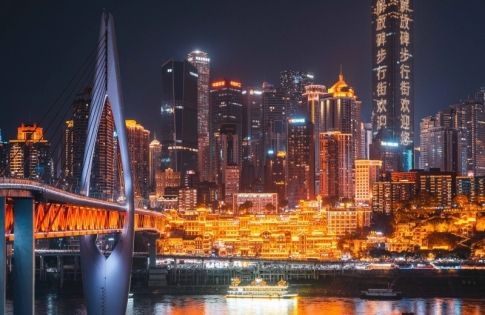
Hongyadong River View
Off-season tourist attraction fees in Chongqing
Paid Attractions During Off-Season
Visiting Chongqing during the off-season not only offers tangible ticket price discounts but also spares you the hassle of long queues. The following selected paid attractions offer particularly good value during the off-season:
- Yangtze River Cableway: Single trip RMB 20, round trip RMB 30. Queue times during the off-season usually do not exceed 15 minutes (can reach over 2 hours in peak season).
- Nanshan One Tree Hill Observation Deck: Ticket RMB 30. Offers excellent night views, and the observation platform has sparse crowds during the off-season.
- Huguang Guild Hall: Ticket RMB 25. The ancient architectural complex is even quieter during the off-season, suitable for photography and cultural immersion.
- Chongqing Zoo: Ticket RMB 25 (includes the Giant Panda Pavilion). Animals are more active during the off-season, enhancing the viewing experience.
- Two Rivers Cruise (Sightseeing Experience): Base ticket price during off-season is approximately RMB 70-120, negotiable on-site or available as discounted e-tickets.
Free Attractions During Off-Season
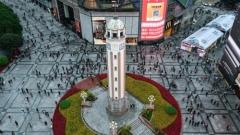
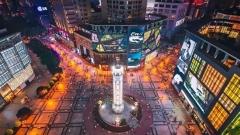
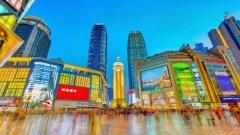
- Jiefangbei Pedestrian Street: During the off-season, there are far fewer shoulder-to-shoulder tourists here, making its role as the city’s living room feel more spacious and The evening light show is particularly dazzling in the crisp winter air.
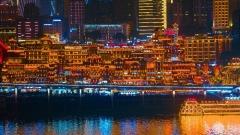
- Hongya Cave: Famous for its unique stilted building architecture and layered lights. Entering the internal commercial streets is free, but consumption is the main focus. The best viewing spots are from the outside.
- Ciqikou Ancient Town: Focuses on Ming and Qing dynasty-style architecture and mountain cityport culture. The main streets are free to enter, while some internal courtyard halls may require tickets.
- Zhongshan Fourth Road: Lined with buildings from the Republic of China era and shaded by lush Ficus virens trees, it is full of historical and cultural atmosphere. Suitable for a slow stroll to feel theaccumulated history of time.
Money-Saving Tip: Booking tickets in advance through official platforms or major travel apps (e.g., Ctrip, Meituan) often offers discounts of 5–10 RMB. Additionally, Guizhou frequently introduces phased ticket discounts for visitors from other provinces. Students, seniors, military personnel, and individuals with disabilities can also enjoy half-price or free admission with valid IDs.
Off-Season Accommodation
During Chongqing’s tourist off-season, hotel room rates generally decrease, and room availability is ample, allowing for a leisurely choice of preferred accommodation locations and room types. Compared to the peak season’s situation of scarce rooms, the off-season not only offers favorable prices but also enables enjoyment of quieter, more comfortable accommodation environment and more personalized service.
- Youth Hostels: Price range RMB 50-120 per night, mainly concentrated in convenient transportation areas like Jiefangbei, Guanyinqiao, and Shapingba.
- Budget Hotels: Preferred chains include Home Inn, Hanting, 7 Days Inn, etc., with prices around RMB 150-280 per night. The advantage is complete surrounding facilities.
- Mid-Range Hotels: Such as river-view homestays, designer hotels, or hot spring hotels, suitable for tourists with certain accommodation requirements, priced around RMB 300-600 per night.
- High-End Hotels: Such as The Westin, Marriott, InterContinental, etc., with off-season prices ranging from RMB 600-1500 per night. The advantage is prices are only 30%-50% of peak season rates.
When choosing accommodation, it is recommended to prioritize convenient commuting, safety standards, and complete surrounding facilities. Also, check if hotels offer off-season discounts for students or seniors.
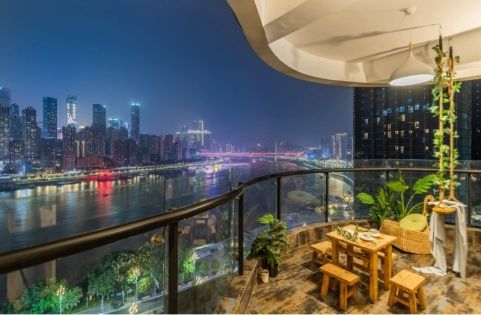
Riverside Guesthouse in Chongqing
Tips for Chongqing Off-Season Travel
Traveling in Chongqing during the off-season and doing a good job of pre-trip preparation allows you to both avoid crowds and enjoy tranquility while deeply experiencing the unique serenity and warmth of the mountain city in the off-season. It is suggested you master these practical tips:
- Clothing Preparation: Winters in Chongqing are damp and cold, and the perceived temperature can be lower than the actual temperature. Youmust prepare rain gear, thermal underwear, sweaters, down jackets, scarves, gloves, etc. Shoes should be anti-slip, as walking paths can be slippery on rainy days.
- Information Awareness: Some attractions may have maintenance closures or shortened opening hours during the off-season. Before your trip,you must confirm the latest opening information through official channels. Public transport schedules to surrounding scenic areas may be reduced during the off-season, so check timetables in advance.
- Health Protection: Winter is flu season, and there can be significant temperature differences between indoors and outdoors. Pay attention to keeping warm and consider preparing common cold medicine. Chongqing cuisine is spicy and The colder off-season weather might make you crave hot pot more; pay attention to gastrointestinal adaptation and consume in moderation..
Chongqing’s off-season is no longer filled with noisy crowds. During this time, travelers can, with lower costs and a more leisurely mindset, touch the reality of the city—whether feeling its hazy poetic atmosphere amidst swirling mist, enjoying its magnificent mountains and rivers alone on spacious observation decks, or listening to its historical echoes in the quiet old street walking paths. Planning an off-season trip to Chongqing, you will harvest a completely different mountain city memory and experience a journey to a Chongqing that is tranquil and full of charm.