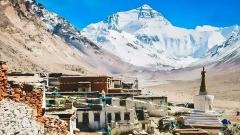

Tibet, a realm imbued with infinite enchantment and awe-inspiring vistas, has ceaselessly drawn the footsteps of innumerable explorers eager to unveil its quintessential allure. These intrepid souls yearn to unravel the enigmas shrouding this consecrated terrain and immerse themselves in its hidden wonders. Nonetheless, within this unspoiled sanctuary, each voyager is bound to encounter moments of hesitation and bewilderment. This treatise aims to clarify frequent queries pertaining to Tibetan expeditions, endeavors to compile an exhaustive and profound manual for the 2026-2027 sojourners—enabling you to traverse Tibet’s vast expanses with ease and bask in its matchless splendor.
Documents & Permits: How to Legally Enter Tibet?
Q1: What special documents are needed to go to Tibet?
In addition to a valid passport and Chinese visa (usually an L tourist visa), travelers must obtain a “Tibet Travel Permit” issued by the Tibet Tourism Bureau. This is a mandatory permit document to enter the Tibet Autonomous Region, and it will be inspected at multiple checkpoints whether you enter by air, railway or highway.
Q2: How to apply for the Tibet Travel Permit? Can individuals apply for it?
No. According to regulations, the Tibet Travel Permit must be applied for through a travel agency registered locally in Tibet. You need to submit scanned copies of your passport, visa and a general travel plan to the travel agency, which will then submit the application to the Tourism Bureau. The entire process usually takes 10 to 15 working days, and may be longer during the peak season (May-October). Therefore, it is strongly recommended to start preparing and contacting a reliable travel agency at least 1 month in advance.
Q3: What is the difference in documents between joining a group tour and traveling independently?
Whether you choose a group tour or the so-called “independent travel”, the application process for the Tibet Travel Permit is the same. The difference is that true fully independent travel (without a tour guide and fixed vehicle) is almost not open to non-mainland residents. Even if you customize a private itinerary, you must have a tour guide arranged by the travel agency accompanying you throughout the trip and use transportation arranged by the travel agency. This is to ensure safety in remote high-altitude areas and comply with local tourism management policies.
Coping with Tibet Altitude Sickness & Health Preparation
Altitude sickness is one of the most common problems in Tibet travel, and reasonable coping is the key to a smooth journey.
Q4: Does everyone experience altitude sickness? How severe is it?
The incidence and severity of altitude sickness vary from person to person, and have little to do with age and physical fitness. It mainly depends on the individual’s ability to adapt to the hypoxic environment. Most people will experience mild symptoms such as headache, shortness of breath, insomnia, and loss of appetite when they first arrive in areas above 3,000 meters above sea level, and their bodies will gradually adapt within 1-3 days.
Q5: How to effectively prevent and relieve altitude sickness?
- Pre-trip preparation: Maintain a good attitude and avoid excessive anxiety. You can stop strenuous exercise one week in advance.
- Medication assistance: You can prepare prescription drugs such as Acetazolamide under the doctor’s advice. Common over-the-counter drugs such as Rhodiola have varying effects and can be used as auxiliary.
- Key points after arrival: Slow down your movements, drink plenty of warm water, and avoid drinking alcohol and overeating. Ensure adequate sleep, but do not stay in bed for a long time. Giving your body time to adapt is the key.
- Coping strategies: If symptoms are mild, resting in bed and inhaling oxygen (hotel or vehicle oxygen cylinders) can effectively relieve them. If severe symptoms such as severe headache, vomiting, difficulty breathing, or confusion occur, you must immediately descend to a low-altitude area and seek medical attention.
Be sure to purchase travel insurance that covers emergency medical evacuation in high-altitude areas. This is an important financial and safety guarantee for dealing with the worst-case scenario.
Core Questions About Tibet Transportation & Itinerary Planning
Q6: What is the best way to enter Tibet? By plane or train?
Both methods have their own advantages and disadvantages, depending on your priorities:
- Plane: Fast. It only takes 2-3 hours to fly from Chengdu, Chongqing, Xi’an and other places to Lhasa. Suitable for tourists with tight schedules. The disadvantage is that the altitude rises rapidly, which may aggravate altitude sickness.
- Qinghai-Tibet Railway: The train journey from Xining to Lhasa takes about 21 hours and is known as the “Sky Road”. The biggest advantage is that it allows the body to gradually adapt to the rising altitude, and the scenery along the way is magnificent. The disadvantage is that it takes a long time, and tickets are extremely tight during the peak season (especially July-August).
A common compromise is “fly in and take the train out” or “take the train in and fly out”, which allows you to experience the Qinghai-Tibet Railway while saving time on one way.
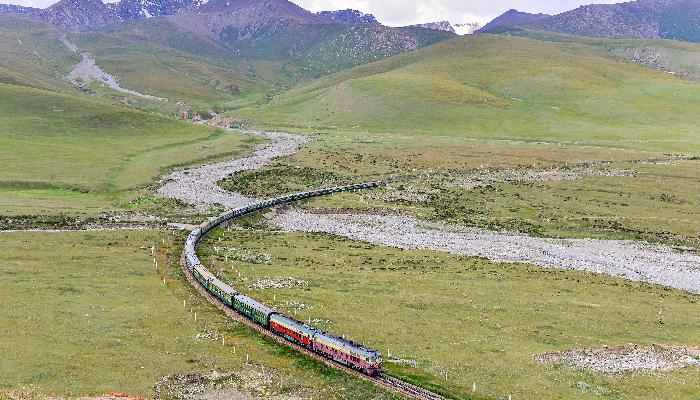
Tibet Train
Q7: How to solve transportation when traveling within Tibet?
As mentioned earlier, travelers cannot rent or drive cars by themselves. Attractions in Tibet are far apart and road conditions are complex. The main transportation methods are:
- Group tour: The most worry-free and economical way. The itinerary, transportation, accommodation, tickets and tour guide are all arranged.
- Private customized chartered car: The most flexible. You can customize the route according to your interests, but the cost is correspondingly higher. A tour guide and driver are still required.
It is crucial to choose an experienced travel agency to arrange transportation within Tibet. They are familiar with road conditions, can handle emergencies, and ensure that all itineraries comply with relevant tourism management requirements.
Tibet Travel Budget & Cost Composition
Q8: How much does a trip to Tibet roughly cost?
Costs vary greatly, mainly depending on the travel method, season, accommodation standard and itinerary duration. For a standard 7-10 day itinerary, the approximate cost composition is as follows:
- International flights + domestic transportation to Lhasa in China: This is one of the biggest variables and accounts for a considerable proportion of the total budget.
- Travel costs within Tibet: If you join an economical group tour, this cost is usually packaged; private chartered cars are priced per day.
- Accommodation: Lhasa has a variety of options from economical hostels to luxury hotels; accommodation conditions in remote scenic areas (such as Everest Base Camp, around sacred lakes) are relatively basic.
- Catering: There are diverse and reasonably priced dining options in cities; choices are limited in remote areas.
- Tickets: Tickets for major attractions such as the Potala Palace, Jokhang Temple, and Everest National Nature Reserve are quite expensive, and there is often a daily number limit.
Overall, making a reasonable budget covering transportation, group participation/chartered cars, and accommodation is a very practical part of answering the most common questions about Tibet travel. Traveling in the off-season (November to April next year) can save a lot on accommodation and tickets, but you need to face colder weather and the possibility of some scenic areas being closed.
Practical Guide to Tibet Culture & Etiquette
Q9: What are the important cultural taboos when traveling in Tibet?
Respecting local culture is the foundation of a pleasant trip.
- Temple etiquette: Remove your hat when entering a Buddha hall and do not speak loudly. Do not take photos of Buddha statues and monks without permission. Follow the clockwise direction for circumambulating scriptures and temples.
- Respect religious items: Do not point directly at Buddha statues with your fingers, do not step on thresholds, and do not touch or climb religious items such as mani piles and prayer flags.
- Photography etiquette: When taking photos of local residents, especially monks and pilgrims, be sure to ask for their consent in advance. This is a basic courtesy and respect.
- Diet: Some areas in Tibet still have the habit of eating yak meat. If you are a vegetarian, you can explain in advance when ordering.
Q10: What are the accommodation and catering conditions like in Tibet? Will there be any inconvenience?
In major cities such as Lhasa and Xigaze, there are abundant accommodation choices, from international brand hotels to characteristic Tibetan hostels, with complete facilities. In remote natural scenic areas, accommodation is mostly family hotels or simple hostels, which may have public toilets and limited hot water supply. You need to be mentally prepared.
In terms of catering, Sichuan restaurants are ubiquitous in cities, and there are also Nepalese and Western food options. Tibetan food such as tsampa, butter tea, sweet tea, and yak meat hot pot are worth trying. For those with sensitive stomachs, it is recommended to drink bottled water and pay attention to food hygiene.
Tibet Best Travel Time & Itinerary Recommendations
Q11: When is the best time to visit Tibet?
- Peak season (May to October): The climate is the warmest and most comfortable, especially from June to September. The oxygen content is relatively high, vegetation is lush, and the lakes and mountains are the most beautiful. But this is also the period with the most tourists, the highest prices, and relatively concentrated rainfall.
· Shoulder season (April, late October to early November): The weather is sunny, there are fewer tourists, prices drop, and it is a good time to watch snow-capped mountains (with high visibility).
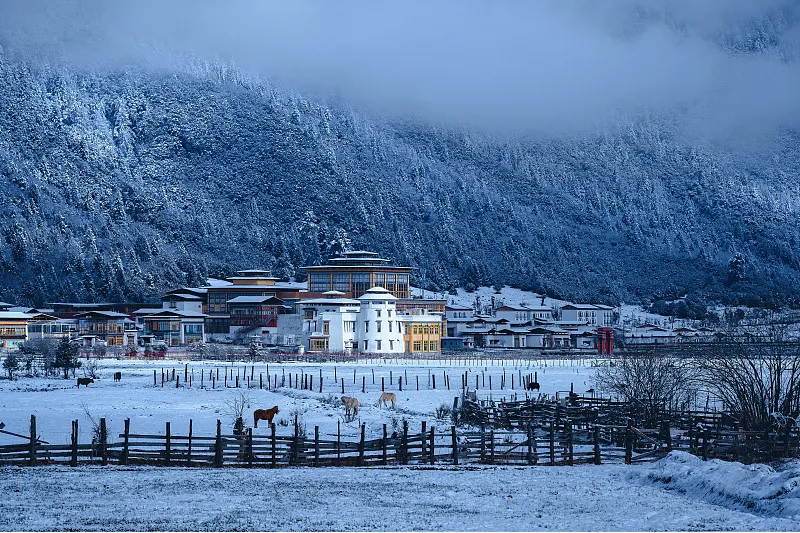
· Off-season (late November to March next year): The weather is cold, and some scenic areas and roads may be closed due to heavy snow. But the sun is bright, the sky is blue, you can experience a completely different quiet Tibet, and the cost is the lowest.
Q12: For first-time visitors to Tibet, which places are recommended?
For first-time visitors, a classic 7-10 day itinerary usually includes:
- Lhasa and its surrounding areas (to adapt to altitude): Potala Palace, Jokhang Temple, Barkhor Street, Sera Monastery Debate, Drepung Monastery.
- Tibet Central Golden Ring Road: Depart from Lhasa, visit the sacred Yamdrok Lake, Karola Glacier, and travel to Xigaze to visit Tashilhunpo Monastery.
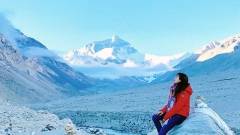
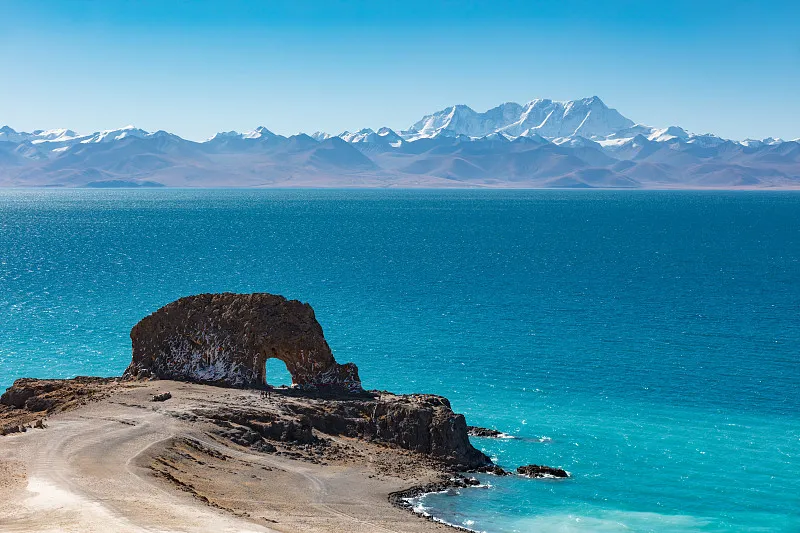
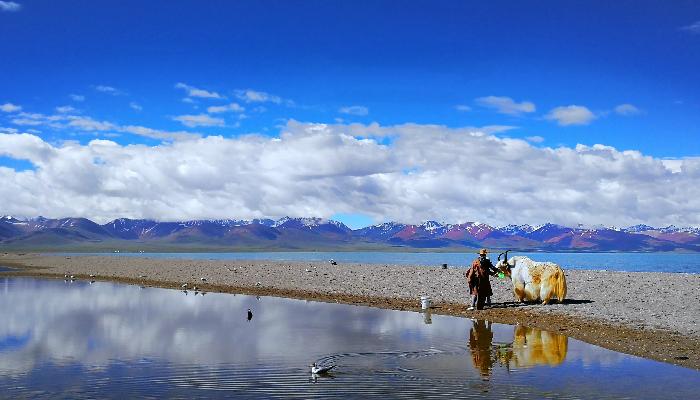
3. Ultimate destination choice: If time permits, you can go to Everest Base Camp (requires an additional 3-4 days), or choose the sacred Nam Co Lake (1-2 days) to experience the shock of high-altitude lakes.
When planning the itinerary, be sure to follow the altitude adaptation principle of “from low to high”, taking Lhasa (3,650 meters above sea level) as the starting point and adaptation place before traveling to higher areas.
Keys to a Successful Tibet Trip
To guarantee a triumphant journey to Tibet, the essence lies in meticulous preparation, an honest evaluation of your physical condition, and choosing a seasoned and dependable local companion. Concerns about traveling to Tibet are understandable. This article aims to dispel any uncertainty by offering comprehensive responses to the most frequently asked questions regarding travel to Tibet. An expert travel agency can adeptly manage the intricacies, such as obtaining the Tibet Travel Permit and securing transportation tickets, crafting a well-thought-out itinerary, and delivering considerate services grounded in profound local insights. Should you seek a seasoned travel ally, China Dragon Travel excels in Tibetan travel expertise, offering bespoke consulting services tailored to your requirements, ensuring you can immerse yourself safely in Tibet’s unparalleled natural splendor and rich cultural heritage.