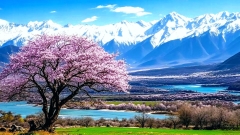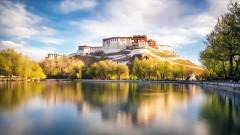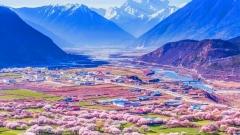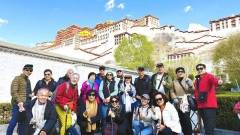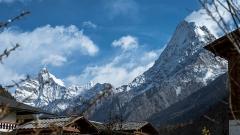

Lhasa, cradled in the sacred embrace of the “Abode of the Gods,” thrives as the vibrant heart of Tibet. Here, the grandeur of the Potala Palace dances in elegant harmony with the lively buzz of Barkhor Street. The profound chants of monks and the tender whispers of the faithful meld into a symphony of reverence, etched into the chronicles of legend and mystery. This guide delves into the soul of the city, imparting knowledge and travel insights to savor its unique allure and profound cultural heritage.
The Essence of Tibet Lhasa Attractions: The Spiritual Core of the Holy City
The attractions in Lhasa are relatively concentrated and can be roughly divided into several core areas: the Red Hill and Potala Palace Square, which carry political and religious history; the faith center of Jokhang Temple and the Barkhor Street pilgrimage circuit; and the three major Gelugpa monasteries in the city’s outskirts. Visiting Lhasa’s attractions is more like a gradual spiritual cleansing. It is recommended to start from lower-altitude, gentler areas to allow the body to acclimatize gradually.
Top Priority: Acclimatizing to the Plateau. Before starting intensive sightseeing, be sure to allow 1–2 days for light activities within Lhasa. Drink plenty of water, avoid strenuous movement, and let your body naturally adapt to the high-altitude environment. Good physical condition is the foundation for enjoying the beauty of Lhasa’s attractions.

Sunrise Over the Potala Palace
Unmissable Core Lhasa Attractions
Understanding the spiritual core and distribution logic of Lhasa’s attractions, the next step is to personally step into those soulful places that have made this holy city famous worldwide. These are not just coordinates on a map or names on tickets; they are living epics, crystallizations of time and faith. When visiting these core Lhasa attractions, it is recommended to slow down—not rush, but feel the unique atmosphere and energy of each space. Whether looking up at the grandeur of the Potala Palace, immersing in the lively humanity of Barkhor Street, or quietly listening to the intellectual fervor of monastic debates, it is a layered, gradual process of delving into Lhasa’s essence. Below, we outline several absolutely unmissable top-tier Lhasa attractions and the essence of visiting them.
Potala Palace: The Pearl of the Roof of the World
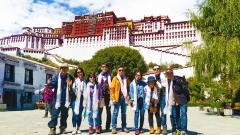
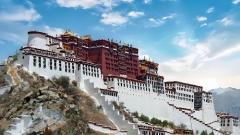
As the most iconic symbol of Lhasa and even Tibet, the Potala Palace ranks first on any visitor’s list of Lhasa attractions. It is not only the winter palace of successive Dalai Lamas but also the pinnacle of Tibetan architectural art. Visiting the Potala Palace requires climbing hundreds of steps, which is quite a physical challenge at high altitude, but the countless statues, murals, scriptures, and stupas treasured inside are well worth the effort.
Visit Tips:
・Tickets: Reservation system applies. Tickets are scarce during peak season (May–October). Be sure to book in advance through official channels or a travel agency. Visits are time-limited.
・Best Time: Morning when sunlight shines on the palace walls, making it exceptionally magnificent. Allow about 2–3 hours for the interior visit.
・Note: Photography is prohibited in most areas inside the palace. Please follow the rules strictly.
Jokhang Temple and Barkhor Street: The Vortex of Faith
If the Potala Palace is the “form” of Lhasa, then Jokhang Temple is its “soul.” The temple enshrines the 12-year-old life-size statue of Sakyamuni Buddha brought to Tibet by Princess Wencheng, holding unparalleled sacred status. The Barkhor Street circling Jokhang Temple is one of the world’s most famous pilgrimage circuits. Here, a continuous flow of people—devout believers and curious tourists walking side by side—creates the most vivid and touching scene in Lhasa. To experience the everyday vibrancy of Lhasa attractions, this is the best choice.
Visit Tips:
・How to Experience: Follow the clockwise flow of pilgrims for a circuit around Barkhor Street to feel the powerful magnetic field of faith. Then enter Jokhang Temple for worship and visit.
・Surroundings: Barkhor Street is lined with specialty shops, sweet tea houses, and restaurants, perfect for experiencing Tibetan life and buying souvenirs.
Sera Monastery: Listening to the Rhythm of Debates
Located in the northern suburbs of Lhasa, Sera Monastery is one of the six great monasteries of the Gelugpa school. It may not be as grand as the Potala Palace or as sacred as Jokhang Temple, but the daily afternoon debate sessions make it one of the most philosophical and dynamically captivating Lhasa attractions. Monks engage in fierce questions, answers, clapping, and gestures to debate Buddhist philosophy—a highly infectious spectacle. Even without understanding Tibetan, one can be moved by their focus and passion.
Visit Tips:
・Debate Times: Usually held on weekdays from Monday to Saturday, starting around 3 PM (may vary on holidays; confirm before your visit).
・Environment: The monastery’s back hill features beautiful rock carvings and mountain trails, offering a tranquil setting and distant views of Lhasa.
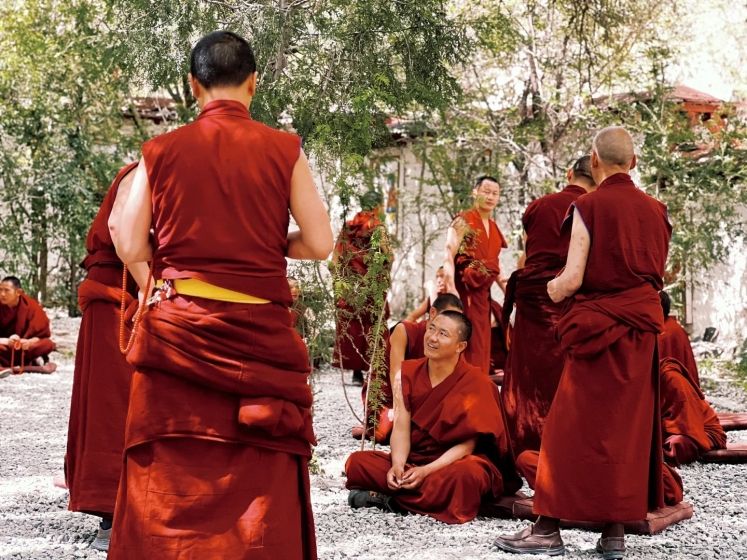
Sera Monks Debate
Further Exploration of Other Distinctive Lhasa Attractions
Besides the three core sites mentioned above, Lhasa and its outskirts have many other places worth exploring.
Norbulingka: Meaning “Treasure Garden,” this was the summer palace of successive Dalai Lamas. With pavilions, towers, and lush vegetation, it contrasts sharply with the solemnity of the Potala Palace, showcasing the essence of Tibetan garden art. It is a great place to experience tranquility.
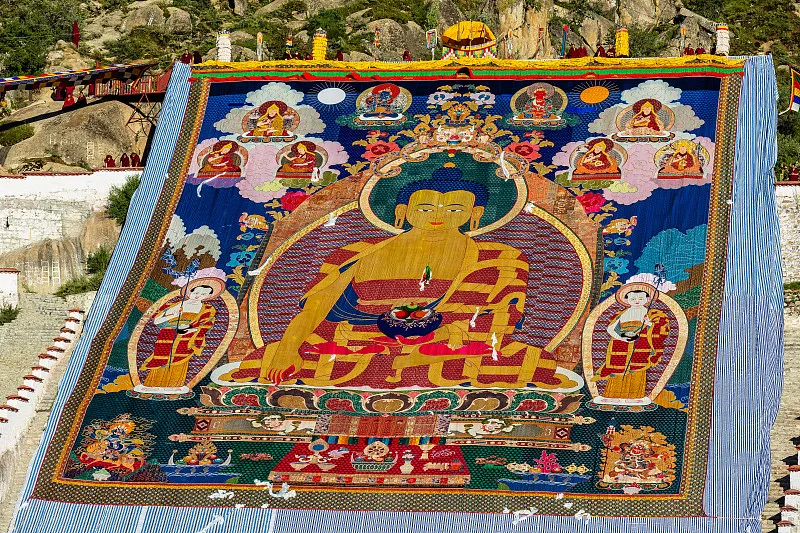
Drepung Monastery: Nestled in a valley in the western suburbs of Lhasa, this monastery is vast in scale, resembling a mountain town. It is the world’s largest Tibetan Buddhist monastery. The giant thangka unveiling ceremony during the Shoton Festival is one of Lhasa’s grandest religious events. Visiting here offers a deeper sense of the magnificence and serenity of a place of practice.
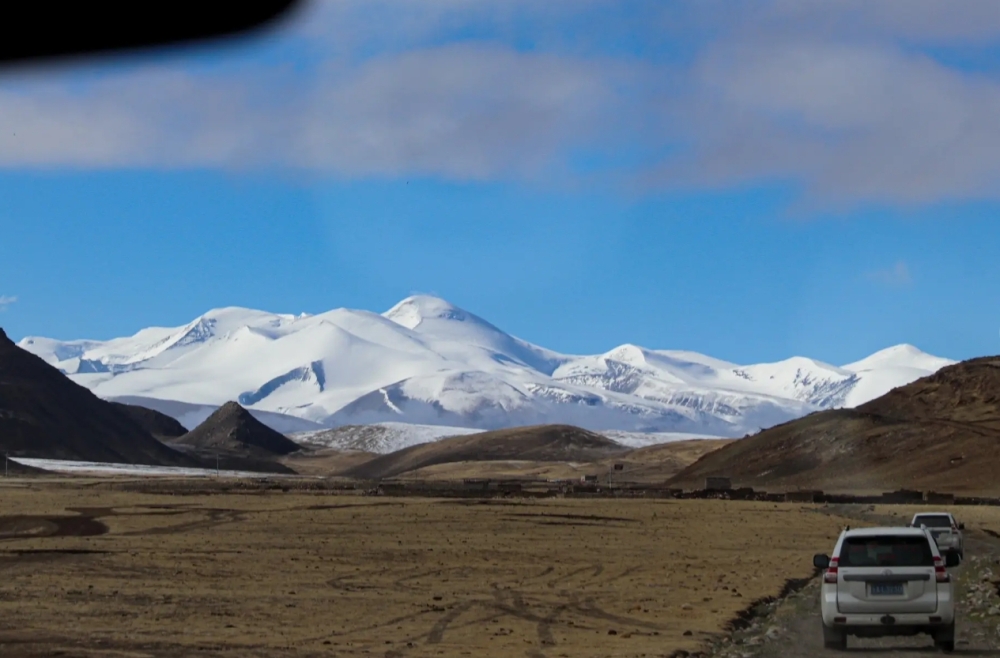
Lake Namtso: Although a few hours’ drive from downtown Lhasa, this “Heavenly Lake” pearl is the highlight of many visitors’ Lhasa journeys. As one of Tibet’s three holy lakes, its azure waters against the snow peaks of the Nyenchen Tanglha Mountains create breathtakingly magnificent scenery. A trip to Lake Namtso usually requires a 1–2 day itinerary.
Lhasa River and Nanshan Park: For a different perspective of the Potala Palace, head to Nanshan Park on the south bank of the Lhasa River. This is an excellent spot for photographing the palace’s reflection in the water and panoramic city views, especially in the evening.
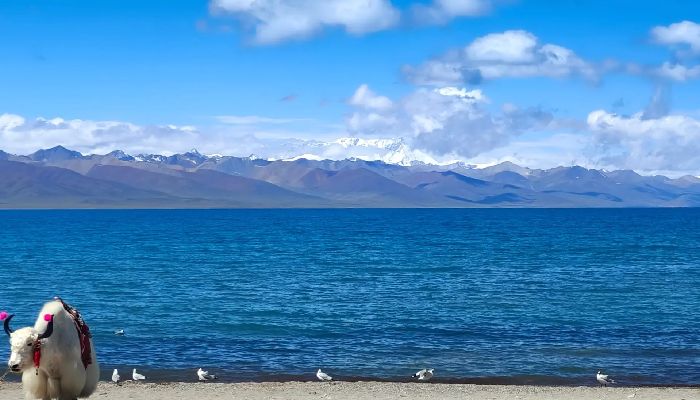
Lake Namtso
Deep Cultural Experience and Practical Tips for Lhasa Attractions
To elevate your visit to Lhasa attractions beyond superficial sightseeing into a deep cultural experience and personal reflection, understanding cultural nuances and preparing practical details is crucial. This not only helps you better respect local traditions but also makes your journey smoother and more reassuring.
Understand Visiting Etiquette and Core Practices
Before entering any temple, be sure to follow basic etiquette: remove hats, speak softly, and do not step on thresholds. Inside halls, avoid pointing directly at statues with fingers; use an open-palm gesture instead. Walking and circumambulating clockwise are important customs in Tibetan culture—pay attention to direction on Barkhor Street or inside temples. These subtle actions show the most basic respect for local culture and faith, allowing you to integrate more naturally into the environment and gain more genuine experiences.
Grasp the Rhythm of Light and Time
Lhasa is renowned as the “City of Sunshine,” and sunlight is its most generous gift. The best light for photographing the Potala Palace is usually early morning or late afternoon, when oblique sunlight enhances its golden splendor and depth. For visiting temple interiors, mornings are preferable, as light through skylights illuminates the exquisite murals and statue details. Planning your time well means capturing the most touching moments of Lhasa’s attractions.
Coping with High Altitude and Maintaining Pace
All experiences depend on good physical condition. Even when sightseeing within Lhasa, maintain a “slow” pace. Adequate rest, moderate hydration, and avoiding strenuous activity are top priorities. If planning to visit higher-altitude sites like Lake Namtso, ensure you are fully acclimatized in Lhasa and have prepared warm clothing. For needs such as high-altitude adaptation, transportation connections, or cultural explanations during your trip, seeking assistance from an experienced travel agency (for example, China Dragon Travel) can often free you to focus your energy on the experience itself, leaving logistical complexities to professionals.
Blending into Local Daily Moments
Beyond iconic attractions, leave some time for unplanned exploration. Sit awhile in a sweet tea house near Barkhor Street and observe daily social interactions among locals, or wander into a quiet alley to see the auspicious decorations on residential doorways. These unexpected ordinary scenes often piece together a more complete and vivid memory of Lhasa, extending your understanding of Lhasa attractions from sacred halls to the warmth of everyday life itself.
Feeling the Heartbeat of the Tibet Holy City
As you wander through the ancient streets of Lhasa, you’re embarking on far more than a conventional sightseeing trip; you’re engaging in a meaningful discourse with a legacy steeped in antiquity and genuine devotion. Amidst this hallowed terrain, so close to the heavens, take a moment to decelerate your brisk pace, to ponder the fervor in the eyes of the faithful, to caress the walls that have withstood the test of a thousand years, and to hearken to the mantras that the breeze carries. The enchanting allure of Lhasa is revealed in its nuanced intricacies, whether you find yourself atop the gleaming edifices of gold or amidst the soft glow of butter lamps in the city’s winding thoroughfares. Approach with an open spirit, and this sacred metropolis will imprint upon you memories that endure a lifetime. As you chart your course, make certain to accommodate not only the well-known landmarks of Lhasa but also space for those delightful serendipities and poignant encounters that render a journey to Lhasa uniquely invaluable.