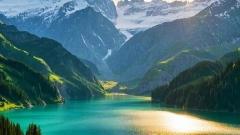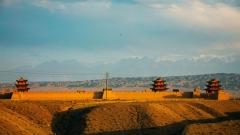

Yili weather has always been renowned for its variability and charm. Located in the northwest of Xinjiang, China, this land lies at the northern foot of the Tianshan Mountains. Its unique geographical environment has created a climatic landscape distinctly different from other parts of Xinjiang. Unlike the arid and hot southern Xinjiang, Yili, relying on the melting snow from the Tianshan Mountains and the moisture of the river valley, has become a “wet island” in the northwest borderland. With the rotation of the four seasons, every change in the weather paints the grasslands, lakes, and snow-capped mountains with unique colors. For foreign travelers planning to visit here, grasping the patterns of Yili weather not only ensures a smoother journey but also allows them to accurately capture the most charming scenery of each season.
Getting to Know Yili: The Profound Connection Between Geography and Weather
To understand the uniqueness of Yili weather, one must first start with its geographical location. The Ili Kazak Autonomous Prefecture is situated in the western section of the Tianshan Mountains, with various landforms such as the Ili River Valley and the southwestern edge of the Junggar Basin distributed within its borders. The Tianshan Mountains act as a huge barrier, blocking the cold air from Siberia and the dry air currents moving south from the deserts. Meanwhile, the river valley area is conducive to the penetration of warm and humid air currents from the Atlantic Ocean. This gives Yili a “mild and humid” climate, forming a sharp contrast with the Xinjiang that people imagine as a “gobi desert.”
Yili’s climate belongs to the temperate continental climate, but it also has distinct mountain climate characteristics due to the influence of terrain. Simply put, the annual and daily temperature ranges here are relatively small, with precipitation concentrated in summer. Moreover, the climate varies greatly across different regions — the river valley plains are warm and humid, while the mountainous areas are cool and windy, and snow can even be seen in summer. This three-dimensional climate feature means that even when visiting Yili at the same time, the weather at different scenic spots may be completely different, which is something foreign travelers need to pay special attention to.
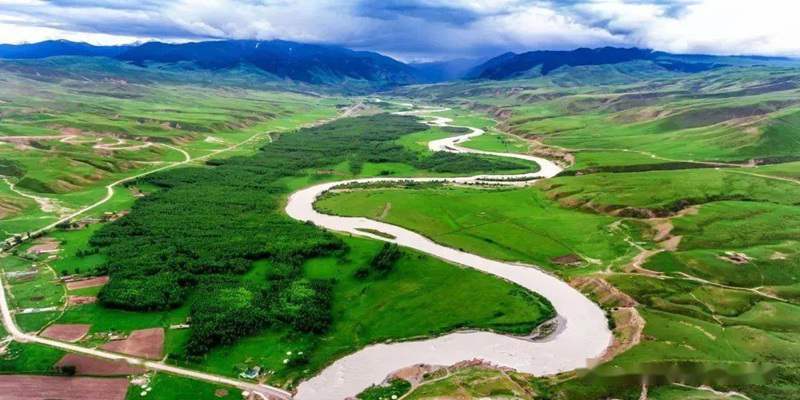
The Ili River Valley
Spring in Yili: Melting Snow and Blossoming Flowers Everywhere
The weather in Yili during spring (from March to May) can be described as “gradually entering the best state.” During this period, the land undergoes a magnificent transformation from severe winter to warm spring. In early March, Yili still retains the lingering cold of winter. The average temperature in the river valley area ranges from 0°C to 5°C, and the mountainous areas remain below zero. At this time, the grasslands have not yet revived, but it is an excellent opportunity to appreciate the melting snow in the snow-capped mountains. With the arrival of April, the temperature gradually rises to 10°C to 20°C, and the apricot blossoms in the Ili River Valley begin to bloom in a riot of colors. Especially in the Tuergen Apricot Blossom Valley, tens of thousands of acres of wild apricot blossoms cover the hillsides. Under the warm spring sun, the pink and white sea of flowers contrasts beautifully with the distant snow-capped mountains, becoming the most charming scenery of Yili in spring.
The most prominent feature of Yili weather in spring is the large temperature difference between day and night. It is warm and comfortable during the day when the sun is shining, but the temperature drops sharply by more than 10°C in the evening. Therefore, foreign travelers need to prepare layered clothing such as long-sleeved jackets and thin sweaters. In addition, spring is also the windy season in Yili, with occasional sandstorms. It is recommended to bring windproof goggles and masks. In late May, the grasslands begin to take on a tender green color. The rivers on the Bayinbulak Grassland gradually thaw, and the weather becomes more stable, with an average temperature between 15°C and 25°C, making it an ideal starting point for a grassland journey.
Summer in Yili: Cool and Pleasant, A Feast on the Grasslands
Summer in Yili, from June to August, is the peak tourist season, and Yili weather also enters its most comfortable stage during this time. Due to its location in the plateau river valley, Yili does not experience the sweltering heat of inland cities in summer. The average temperature in the river valley plains ranges from 20°C to 28°C, and it is even cooler in the mountainous areas, only 15°C to 22°C, truly living up to its reputation as a “summer resort.” During this period, precipitation in Yili is relatively concentrated, mostly in the form of short showers. After the rain, the air becomes extremely fresh, and sometimes a gorgeous rainbow can be seen spanning the grasslands.
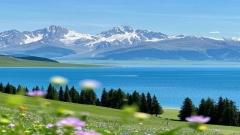
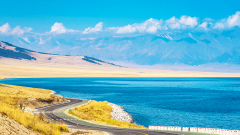
The weather in Yili in summer nurtures the most magnificent natural landscapes: the Nalati Grassland is covered with lush green grass, with flocks of cattle and sheep grazing on the grassland, and the snow-capped peaks of the Tianshan Mountains in the distance are clearly visible; the Sayram Lake is as blue as a gem, with wild flowers blooming in a brilliant display by the lake, and the breeze brings a refreshing coolness. It should be noted that the weather in the mountainous areas changes rapidly. Even on a sunny morning, the temperature may drop suddenly and it may rain. Therefore, when foreign travelers go to mountainous scenic spots such as Nalati and Karajun, they must bring windproof and waterproof jackets and thin down jackets. In addition, the daylight hours in Yili are very long in summer. The sky lights up around 6 a.m. and gets dark after 10 p.m. The abundant sunlight not only provides convenience for photography but also allows travelers more time to explore the scenic spots.
Autumn in Yili: Golden Splendor and Layered Forests
Autumn in Yili, from September to October, is the most gorgeous season for Yili weather. During this time, the temperature gradually drops. The average temperature in the river valley area falls from around 20°C to 10°C, and the mountainous areas enter late autumn earlier, with temperatures dropping below 5°C. Precipitation in Yili decreases in autumn, and the weather is mainly sunny. The cloudless blue sky, golden grasslands, and crimson maple leaves form a gorgeous oil painting that makes people linger and forget to return.
The weather in Yili in autumn is most suitable for outdoor activities. The cool climate does not make people feel tired, and the sunny weather ensures a good view. At this time, the Karajun Grassland presents the unique landscape of a “three-dimensional grassland.” On the rolling grassland, green, yellow, and brown interweave, like a colorful carpet spread on the ground; the wheat fields in Zhaosu have been harvested, leaving golden wheat straws that contrast sharply with the distant snow-capped mountains. When foreign travelers visit Yili in autumn, they need to note that as the temperature drops, the cold in the morning and evening gradually intensifies. It is recommended to bring warm clothing such as sweaters and windbreakers. At the same time, the air is dry in autumn, so remember to replenish water in a timely manner.
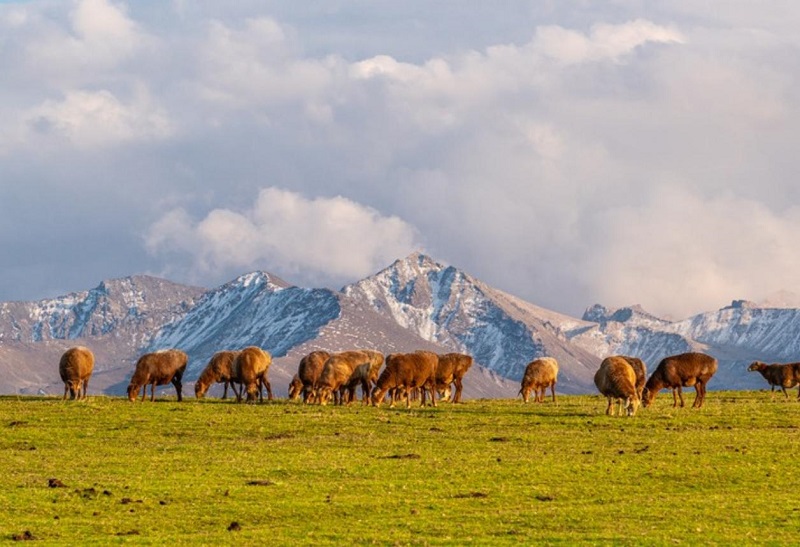
Ili Karakol Grassland
Winter in Yili: Silver-Clad and Serene Beauty
Winter in Yili, from November to February of the following year, is when Yili weather enters the severe cold stage. The average temperature in the river valley area ranges from -5°C to -10°C, and it is even colder in the mountainous areas, with temperatures dropping below -20°C. At this time, Yili is covered with thick snow. The grasslands, lakes, and mountains are all draped in silver-white, presenting a serene and magnificent northern scenery, making it an excellent time to experience a snow wonderland.
The weather in Yili in winter is cold and dry, with precipitation mainly in the form of snow. The snow quality is soft, making it very suitable for ice and snow sports such as skiing and snowmobiling. Scenic spots like the Nalati Ski Resort and the Gongnaisi Ski Resort enter their peak season for skiing at this time, attracting many ice and snow sports enthusiasts. It is necessary to remind foreign travelers that some mountain roads in Yili may be covered with snow and ice in winter, resulting in poor traffic conditions. It is recommended to choose vehicles from regular travel agencies for travel and wear full cold-proof equipment such as frost-resistant gloves, snow boots, and scarves to take comprehensive cold-proof measures. In addition, the daylight hours in Yili are short in winter, with only about 8 hours of daylight. It is recommended to plan the visiting time of scenic spots in advance.
Matching Yili Weather with Scenic Spots: Must-Experience Activities by Season
After grasping the patterns of Yili weather, matching scenic spots with the seasons can make the journey more perfect. In spring (March-May), the Tuergen Apricot Blossom Valley is a top recommendation. The best time to appreciate the apricot blossoms is from mid-April to early May. At this time, the apricot blossoms are in full bloom, and the weather is warm and pleasant, making it an ideal place for portrait and landscape photography. You can also visit Huocheng to admire the early lavender seedlings and feel the faint purple romance. Summer (June-August) is the best season for grasslands. Both the alpine grasslands of Nalati and the “human body grassland” of Karajun are worth a visit. In addition, the water of Sayram Lake is the bluest under the summer sun, and a trip around the lake is an unmissable experience.
In autumn (September-October), it is recommended to go to Taxkorgan. The golden grasslands here echo the Muztagh Ata Peak in the distance, and the view is extremely good when the weather is sunny. At the same time, the poplar forests in Zhaosu also enter their best viewing period, with golden leaves shining in the sun. In winter (November-February of the following year), the main scenic spots are those related to ice and snow. You can experience the fun of skiing at the Nalati Ski Resort. Sayram Lake freezes at this time, with a white and jade-like ice surface, like a fairyland. No matter which season you visit, you must adjust your itinerary according to the current Yili weather to get the best travel experience.
Yili Travel Outfit Guide: Coping with Changeable Weather
The variability of Yili weather determines that the key to travel outfits lies in “layering and easy to put on and take off.” Spring (March-May): During the day, you can wear long-sleeved T-shirts, thin jackets, and casual pants; after the temperature drops in the evening, you need to add sweaters or thick windbreakers. Since it is windy in spring, it is recommended to bring a hat and a windproof scarf. Summer (June-August): During the day, short-sleeved T-shirts, shorts, or long skirts are sufficient, but you need to bring long-sleeved jackets and long pants for mountain scenic spots to prevent rain and temperature drops; at the same time, take sun protection measures, such as wearing sun hats, sunglasses, and applying sunscreen.
Autumn (September-October): The outfits are similar to those in spring, but the warmth needs to be enhanced. You can bring thin down jackets or woolen coats, especially when going to the mountains; in addition, the air is dry in autumn, so it is recommended to bring lip balm and skin care products. Winter (November-February of the following year): You must prepare a full set of cold-proof equipment, including thick down jackets, frost-resistant down pants, snow boots, frost-resistant gloves, scarves, and hats. It is also recommended to wear a frost-resistant mask on the face to avoid frostbite. No matter which season it is, comfortable walking shoes are essential, as most of Yili’s scenic spots are outdoor and require a lot of walking.
Yili Weather Inquiry and Travel Notes
For foreign travelers, inquiring about Yili weather in advance is of great importance. In addition, the weather at some mountain scenic spots in Yili changes rapidly. It is recommended to confirm the latest weather conditions with the hotel front desk or scenic spot staff after arriving at the local area and adjust the itinerary in a timely manner.
In addition to paying attention to the weather, foreign travelers also need to note the following when traveling in Yili: First, Yili is located in a border area, so you need to apply for a border pass in advance, which must be carried when going to border counties and cities such as Taxkorgan and Zhaosu. Second, the sunlight in Yili is strong, so you should take sun protection measures regardless of sunny or rainy days to avoid sunburn. Third, the local area is mainly inhabited by ethnic minorities such as Kazakhs and Uyghurs. You need to respect the local customs and habits, take off your shoes when entering the homes of grassland herdsmen, and avoid talking about sensitive topics. Fourth, the scenic spots in Yili are far apart. It is recommended to plan the transportation method in advance, and you can choose to rent a car for self-driving or join a local travel group.
Encountering the Most Beautiful Scenery in Yili
The variability of Yili weather is just like the charm of this land — the apricot blossoms in spring, the grasslands in summer, the golden color in autumn, and the silver attire in winter. Each kind of weather corresponds to a unique landscape painting. For foreign travelers, whether you like the sea of flowers bathed in warm sunshine, the cool and pleasant grasslands, the golden autumn scenery, or the silver-clad ice and snow world, Yili can welcome you with the most suitable weather.
Prepare your luggage, adjust your outfits according to Yili weather, and set foot on this land full of surprises. Here, you can not only feel the unique climate at the foot of the Tianshan Mountains but also experience the enthusiasm and hospitality of the ethnic minorities and appreciate the magnificent scenery bestowed by nature. Yili’s weather will add a unique color to your journey, and this encounter with Yili will surely become the most precious travel experience in your memory. Yili weather is waiting for you, and the most beautiful scenery is also waiting for you.