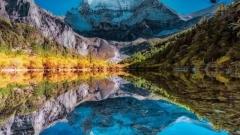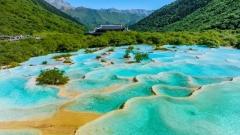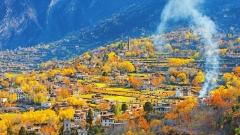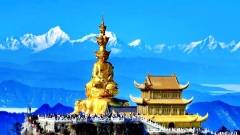

Nestled in the upper Heishui River of Aba Prefecture, Sichuan, Dagu Glacier, a scenic blend of glaciers, snow-capped mountains, forests and meadows, is a top choice for nature-loving tourists. Dagu Glacier’s altitude is a primary concern for travelers, as it directly impacts visit comfort and safety. With significant altitude variation from the entrance to the core glacier, gradual adaptation is key. This guide focuses on Dagu Glacier’s altitude, covering area-specific data, altitude sickness countermeasures and visiting tips to help you prepare and enjoy the ice-snow wonderland.
Dagu Glacier Altitude: Key Data at a Glance
For tourists, clarifying the altitude data of each area of Dagu Glacier is the basis for planning trips and preparing equipment. The entire Dagu Glacier scenic area is in a high-altitude region, and the altitude of different scenic spots varies significantly. It is necessary to have a gradual adaptation process from the relatively low altitude at the scenic spot entrance to the high altitude at the top of the glacier. The following text sorts out the altitude data of the core scenic spots of Dagu Glacier for tourists to check quickly.
Entrance of Dagu Glacier Scenic Area
Altitude: Approximately 2300 meters
Tour Notes: The altitude is relatively low, suitable for initially acclimating to the plateau environment, and you can adjust your state here.
Dagu Lake
Altitude: Approximately 3400 meters
Tour Notes: The lake area has beautiful scenery and moderate altitude; you can stay briefly to enjoy the view and rest.
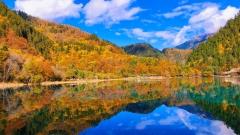
Red Maple Forest Scenic Area
Altitude: Approximately 2800-3200 meters
Tour Notes: The altitude gradually increases; when visiting on foot, you need to control your speed and avoid strenuous exercise.
Cableway Lower Station
Altitude: Approximately 3600 meters
Tour Notes: Check your physical condition before taking the cableway and carry necessary anti-altitude sickness items.
Cableway Upper Station (Glacier Core Area)
Altitude: Approximately 4860 meters
Tour Notes: The highest altitude station in the scenic area with a high risk of altitude sickness; it is recommended to visit for no more than 1 hour.
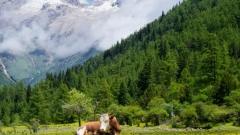
Snow Mountain Meadow Scenic Area
Altitude: Approximately 3800-4200 meters
Tour Notes: The terrain is open with strong winds; pay attention to wind protection and warmth, and avoid staying for a long time.
Important Reminder: The highest altitude of Dagu Glacier reaches 4860 meters, which is a high-altitude area. Regardless of whether you have plateau travel experience, it is recommended to make preparations for altitude sickness prevention in advance and not take it lightly.
Altitude Sickness Caused by Dagu Glacier’s Altitude: Comprehensive Response Guide
Due to the large altitude span of Dagu Glacier, tourists are prone to altitude sickness symptoms such as headache, dizziness, difficulty breathing, and nausea when suddenly entering high-altitude areas from low-altitude areas. Scientific response to altitude sickness is essential to ensure a smooth visit. The following details the altitude sickness countermeasures corresponding to Dagu Glacier’s altitude from three aspects: prevention, on-site handling, and taboos.
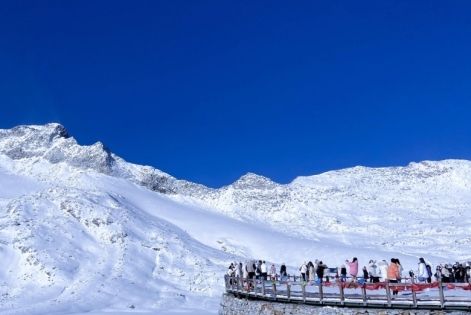
Dagu Glacier
Advance Prevention: Reduce the Probability of Altitude Sickness
Preventive measures are key to tackling altitude sickness from Dagu Glacier’s altitude.
Avoid strenuous exercise and get enough sleep 1-2 weeks prior.
Consult a doctor for anti-altitude sickness meds like Rhodiola (taken in advance) and Gaoyuan’an.
Carry essentials: thermos (warm water), sunscreen, sunglasses, sun hat—UV rays are strong at high altitudes, so warmth and sun protection are crucial to avoid cold-induced altitude sickness.
On-site Handling: How to Respond to Altitude Sickness
If mild altitude sickness occurs due to rising Dagu Glacier’s altitude, stay calm.
Stop moving, rest in a well-ventilated area, breathe slowly and drink warm water. Avoid strenuous activities.
Use an oxygen cylinder moderately to relieve symptoms without over-reliance.
For severe symptoms (persistent vomiting, chest pain, confusion), contact staff immediately, evacuate to low altitude and seek medical help.
Taboos: These Behaviors Must Be Avoided
Avoid behaviors that induce or worsen altitude sickness at Dagu Glacier’s high altitudes: no drinking or smoking, as alcohol and nicotine severely harm the blood’s oxygen-carrying capacity and exacerbate altitude stress, leaving you more vulnerable to headaches and dizziness. No overeating either, since the body’s digestion weakens significantly at high altitudes, putting extra strain on your already stressed cardiovascular system.
Never enter high-altitude areas suddenly, even if you are in good physical shape. Follow the designated scenic route strictly for gradual adaptation—this slow ascent allows your body to adjust its oxygen intake step by step, helping you acclimate smoothly and enjoy the glacier’s breathtaking views without discomfort.
Adapting to Dagu Glacier’s Altitude: Recommended Scientific Tour Route
Combining the characteristics of Dagu Glacier’s altitude distribution, planning a scientific tour route can not only reduce the risk of altitude sickness but also better appreciate the various scenery of the scenic spot. The following recommends a regular tour route suitable for most tourists, following the principle of “adapting to low altitude – gradually increasing – evacuating in time”, taking into account both sightseeing experience and safety.
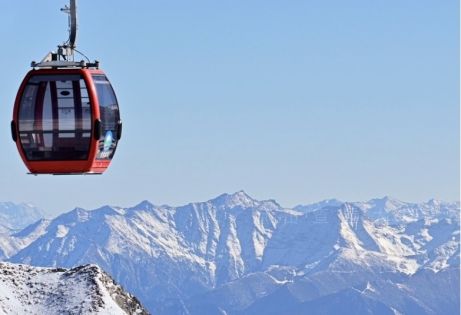
The cable car and snow-capped mountains of Dagu Glacier
Morning: Scenic Area Entrance → Red Leaf Forest Scenic Area
Starting Point: Scenic Area Entrance (altitude 2300 meters)
Stay briefly to acclimatize to the plateau environment
Transportation: Take a sightseeing bus
Visiting Area: Red Leaf Forest Scenic Area (altitude 2800-3200 meters)
Walk along the plank road to enjoy the forest and stream scenery; control your pace and avoid strenuous exercise
Noon: Rest at Dagu Lake
Location: Dagu Lake (altitude 3400 meters)
Arrangement: Rest and have meals to replenish energy; enjoy the lake view and continue acclimatizing to the plateau environment
Afternoon: Cableway Lower Station → Cableway Upper Station → Snow Mountain Meadow Scenic Area
First Stage: Cableway Lower Station (altitude 3600 meters) → Cableway Upper Station (Glacier Core Area, altitude 4860 meters)
Stay calm during the cableway ride
Move slowly after arrival to acclimatize to the high altitude
Visiting Suggestion: Admire the glacier wonders for 30-60 minutes (avoid altitude sickness risk)
Second Stage: Take the cableway down → Snow Mountain Meadow Scenic Area (altitude 3800-4200 meters)
Admire the grassland and snow-capped mountain scenery
Return Trip: Take the sightseeing bus to leave after the visit
Travel Equipment List Corresponding to Dagu Glacier’s Altitude
Preparing suitable travel equipment according to the environmental characteristics of different altitude areas of Dagu Glacier can greatly improve the comfort and safety of the visit. The following is a list of essential equipment sorted out according to the characteristics of Dagu Glacier’s altitude, which tourists can adjust and supplement according to their own situation.
- Clothing: Dagu Glacier’s high altitude brings low temperatures (even below 0°C in summer). Pack warm clothes (down jacket, thermal underwear) and lower-body items like thick jeans, warm socks, and waterproof non-slip outdoor shoes for icy areas.
- Protection: High-altitude areas have strong UV rays and wind. Carry high-SPF sunscreen (SPF50+, PA+++), UV-protective sunglasses, a sun hat, and a windproof mask to protect skin and eyes.
- Medicines: Prepare anti-altitude sickness drugs (Rhodiola, Gaoyuan’an) and common meds (cold, gastrointestinal, painkillers). Those with chronic diseases should consult a doctor first and carry sufficient personal meds.
- Others: Bring a thermos for warm water, high-energy snacks (chocolate, beef jerky), a power bank, and a portable oxygen cylinder for sudden altitude sickness if needed.
Frequently Asked Questions About Dagu Glacier’s Altitude
When planning a trip to Dagu Glacier, tourists will have many questions about its altitude, as this directly impacts travel preparation, physical comfort and overall experience. Located in western Sichuan, the scenic area has varying elevations: the base camp sits at about 2,800 meters, while the glacier viewing platform hits 4,860 meters above sea level.
Tourists must guard against altitude sickness by acclimatizing slowly, staying hydrated and avoiding strenuous activities initially. Layered clothing is also essential for drastic temperature swings. The following sorts out several common questions and answers to help tourists better plan their trips.
Q: Dagu Glacier’s altitude is relatively high, can the elderly and children go there?
A: It needs to be judged according to individual conditions. It is recommended that the elderly over 60 years old and children under 12 years old have a physical examination and consult a doctor in advance; if going, they need to gradually adapt to the altitude, be accompanied throughout the process, and carry first-aid items.
Q: Going to Dagu Glacier in summer, will it snow in high-altitude areas? Do I need to wear thick clothes?
A: Snowfall or snow accumulation may occur in high-altitude areas in summer. It is necessary to carry warm clothes such as down jackets regardless of the season. In summer, you can match them with thin underwear and adjust according to the temperature.
Q: Will oxygen inhalation cause dependence when visiting the high-altitude areas of Dagu Glacier?
A: Proper oxygen inhalation will not cause dependence and can relieve mild altitude sickness; but avoid excessive dependence and stop after symptoms are relieved. If symptoms are severe, prioritize evacuation to low-altitude areas.
Explore the Ice and Snow Secret Land with an Understanding of Dagu Glacier’s Altitude
Although Dagu Glacier’s altitude is high, it hides rare ice and snow scenery in the world. As long as you make preparations in advance, scientifically respond to altitude sickness, and follow a reasonable tour route, you can safely enjoy the charm of this secret land. It is hoped that the various information about Dagu Glacier’s altitude sorted out in this article can provide practical reference for your trip planning. Whether it is the magnificent glaciers, clear lakes, or forests covered with red leaves, meadows surrounded by snow-capped mountains, they are all worth experiencing in person. Take advantage of the good time, pack your bags, take your yearning for beautiful scenery, walk into the ice and snow world of Dagu Glacier, and personally feel the unique scenery of this high-altitude secret land!