
April marks Tibet’s transition from winter to spring, with gradually warming weather retaining plateau crispness. It boasts snow-capped peaks and Nyingchi’s pink peach blossom seas, a popular tourist season. However, variable weather demands advance preparation. Understanding regional temperature, precipitation and wind, plus proper clothing and itinerary planning, ensures a smooth trip. Below is a comprehensive analysis covering overall climate, key area weather and practical travel guides.
Overall Overview of Tibet’s Weather in April
Overall Climate Characteristics: In April, Tibet ends the harsh winter and enters a warm spring. As temperatures rise, affected by the plateau’s geography and altitude, it presents the characteristics of overall warming, large regional differences, and unpredictable sunshine and rain.
Temperature Data: The average temperature is about 8℃, with an average minimum temperature of 1℃ and an average maximum temperature of 16℃. The overall temperature is comfortable, suitable for outdoor travel.
Precipitation Situation: It is still in the dry season, with an average rainfall of only about 5 millimeters, mostly short-term showers or snow showers, which have limited impact on the itinerary.
Details of Weather Instability: Precipitation is frequent in some regions in mid-to-late April. Light to moderate rain or snow may occur in Nyingchi, southern Shannan and other areas, with heavy to torrential rain and snow in local areas. Moderate cooling may occur in central and eastern regions after snow; Strong winds of magnitude 7-9 may occur in Ngari, Nagqu and other places, with local gusts reaching magnitude 10-11. Gusts of about magnitude 5 often occur in Lhasa and Shannan in the afternoon, occasionally accompanied by sand blowing.
Light and Ultraviolet Rays: The sunshine is abundant, with an average daily sunshine duration of more than 8 hours. The average daily sunshine duration in Lhasa is about 8.3 hours, and the daylight hours gradually extend (from 12 hours and 28 minutes at the beginning of the month to 13 hours and 17 minutes at the end of the month); The ultraviolet radiation is extremely strong, with an index as high as 12. The sun is strongest from 10 am to 4 pm, so strict sun protection measures must be taken.

Tibet
Detailed Weather Explanation of Key Tourist Areas in Tibet in April
Tibet has a vast territory, and the great differences in altitude and geographical environment between different regions lead to obvious differences in Tibet’s weather in April. For tourists, focusing on the weather characteristics of the destination can help them make accurate preparations. The following is a detailed explanation of the weather in several popular tourist areas in April to help you plan your trip in advance.
Lhasa: Attention to Day-Night Temperature Differences
- Overall Weather Condition: Relatively stable and comfortable, it is an ideal place to experience the plateau spring.
- Temperature Situation: The average minimum temperature in Lhasa in April is 0℃, and the average maximum temperature is 15℃. The temperature can reach about 20℃ during sunny days (handled with a thin coat); The temperature drops sharply to near freezing or even lower at night, so it is necessary to add thick clothes.
- Precipitation and Wind: The average rainfall is 5 millimeters, with only about 4 rainy days, mostly short-term showers or light rain and snow, with little impact; The wind speed is lower than that in March, with an average of about 10.3 kilometers per hour. Gusts of magnitude 4-5 occasionally occur in the afternoon, which do not cause much trouble to travel activities.
- Other Notes: The air humidity is about 37%, which is relatively dry. It is necessary to replenish water in time to avoid skin and respiratory discomfort.
Nyingchi: Peach Blossoms in Full Bloom with Mild Cold
- Weather Characteristics: With the gentleness and variability of spring, the average altitude is low, and the overall temperature is slightly higher than that in Lhasa, suitable for flower appreciation.
- Temperature Data: The average minimum temperature in Nyingchi in April is -3℃, and the average maximum temperature is 16.3℃.
- Precipitation Situation: The average rainfall is 2 millimeters, mainly showers; Continuous precipitation may occur in most areas of Nyingchi in mid-to-late April, with a cumulative rainfall of 10-30 millimeters and more than 40 millimeters in local areas. It is necessary to pay attention to the weather forecast in advance to plan the flower appreciation itinerary.
- Special Notes for Mountainous Areas: The weather in mountainous areas such as Sejila Mountain changes rapidly, and it may be sunny at the foot of the mountain and snowy on the mountain. The road surface is slippery with snow and ice, so drivers must carry anti-skid chains and drive carefully; Continuous snowfall in high-altitude mountainous areas in eastern and southern Nyingchi may trigger avalanches and collapses, so it is necessary to stay away from dangerous areas.
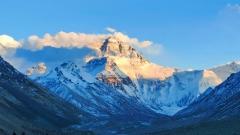
Everest Base Camp: Frequent Severe Weather
- Overall Climate: Still harsh, strict cold protection measures must be taken.
- Temperature Situation: The average minimum temperature at Everest Base Camp in April is -10℃, and the average maximum temperature is only 6℃. Even during the day, strong winds will greatly reduce the sensible temperature, making it extremely cold.
- Precipitation and Visibility: The average rainfall is 14 millimeters, which is relatively high among key areas in Tibet, mostly in the form of snow; The top of the mountain is often covered by dense fog, which may affect the visibility of Mount Everest’s main peak.
- Wind Challenge: Strong winds of magnitude 7-8 often occur, with stronger gusts, which will intensify the cold feeling and damage temporary facilities such as tents.
- Travel Suggestions: Pay close attention to the weather forecast and avoid going during severe weather; Carry thick down jackets, windproof gloves, cold-proof boots and other equipment to do a good job in keeping warm and windproof.
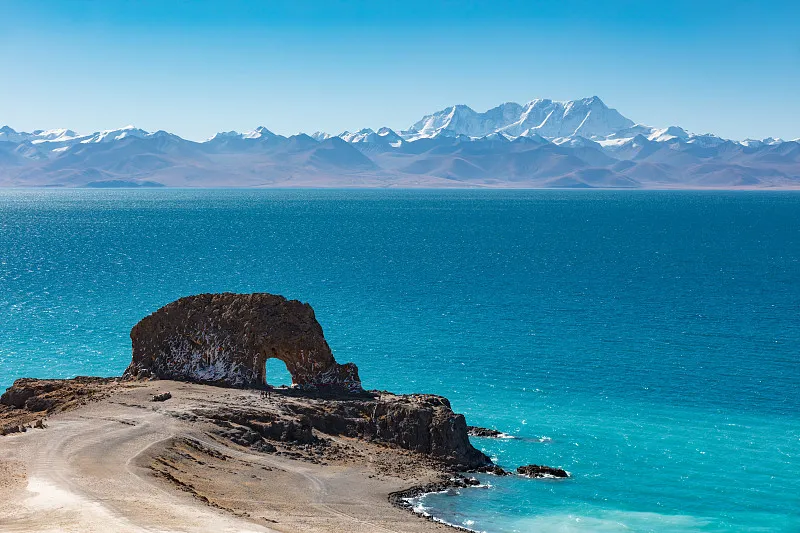
Namtso Lake: Covered with Residual Snow and Large Temperature Differences
- Overall Landscape and Weather: The lake surface is not completely thawed, covered with residual snow, presenting a beautiful white scene, and the weather is still cold.
- Temperature Situation: The average minimum temperature at Namtso Lake in April is -6℃, and the average maximum temperature is 8℃, with a day-night temperature difference of up to 14℃; It can be barely coped with during the day in the sun, but extremely cold at night.
- Accommodation Notes: If planning to stay nearby, you must choose a place with complete heating facilities.
- Precipitation and Wind: The average rainfall is only 1 millimeter, and the weather is mostly sunny; The wind is relatively strong, and strong winds blowing residual snow on the lake may affect visibility. It is necessary to keep windproof and warm during the tour.
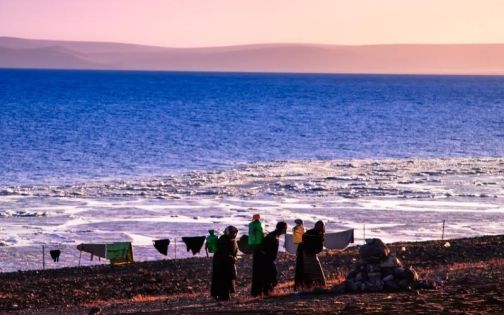
Namtso Lake
Travel Clothing Guide Corresponding to Tibet’s Weather in April
In view of the characteristics of Tibet’s weather in April, such as “large day-night temperature difference, unpredictable sunshine and rain, strong wind, and strong ultraviolet rays”, the core principle of dressing is “layered dressing, windproof and sun protection, and flexible adjustment”. There are great differences in altitude and temperature between different regions, so the dressing also needs to be focused. The following are detailed dressing suggestions to help you easily cope with the variable climate of the plateau in spring.
Basic Dressing Principle: Layered Matching and Flexible Adjustment
- Core Matching Logic: Layered dressing is the best way to cope with Tibet’s weather in April. It can not only effectively cope with the day-night temperature difference but also be adjusted in time according to changes in sunshine, rain and wind.
- Three-Layer Matching Mode: Underwear + warm layer + windproof and snowproof outer layer. Choose breathable and sweat-absorbent pure cotton underwear to avoid colds after exercise; Use sweaters or warm suits for the warm layer to provide sufficient warmth; The outer layer needs a waterproof and windproof jacket. When going to cold areas such as Everest Base Camp and Namtso Lake, add a thick down jacket.
- Lower Body Suggestions: Wear thick casual pants/sports pants with warm pants (to cope with the low temperature in the morning and evening and the cold in mountainous areas); Prepare 2-3 sets of underwear for replacement. If possible, carry disposable pure cotton ones (to avoid the difficulty of washing and drying in the humid and cold environment of the plateau).
Feet and Accessories: Protection Details Cannot Be Ignored
- Footwear: Choose comfortable, breathable, non-slip and wear-resistant outdoor sports shoes/hiking shoes (thick soles have good cold insulation effect); It is recommended to wear high-top outdoor shoes when going to Everest Base Camp, Ngari and other areas (strong warmth retention, preventing gravel from entering the shoes, and protecting ankles).
- Accessories Focus: Focus on sun protection and wind protection. It is necessary to prepare a wide-brimmed sun hat (with a wind rope to prevent being blown away), sunglasses, and high-multiple sunscreen; Scarves/neck gaiters have both windproof and warm-keeping functions and facial sun protection functions; Choose touch-screen gloves (convenient for taking photos and using mobile phones), and replace them with thick windproof and cold-proof gloves in cold areas.
Dressing Adjustments in Different Regions: More Comfortable According to Local Conditions
- Low-Altitude Areas (Lhasa, Shannan): Daily wear “pure cotton underwear + thin sweater + jacket”, and add a down jacket when the temperature is low in the morning and evening.
- Nyingchi Area: The temperature is slightly higher. You can reduce the warm layer when appreciating flowers, wearing “underwear + thin coat”, but you need to carry a jacket to cope with sudden rain and snow in mountainous areas.
- High-Altitude Cold Areas (Everest Base Camp, Namtso Lake): Strengthen warmth and wind protection. Wear “thickened underwear + thick sweater + down jacket + windproof jacket”, and the lower body is “warm pants + thick sports pants”, matched with high-top cold-proof boots and thick gloves to ensure no exposed parts of the body and avoid frostbite.
- Ngari Area: The wind is extremely strong. Prioritize jackets and hats with good windproof performance to reduce cold wind invasion.
Frequently Asked Questions About Tibet’s Weather in April
The following sorts out the high-frequency core questions of tourists about Tibet’s weather in April, and gives detailed answers combined with actual travel scenarios to help you quickly solve travel doubts.
Q1: Do I need to bring a down jacket when going to Tibet in April?
Tibet has extreme day-night temperature differences in April (below 0℃ at night). A down jacket is necessary for low-altitude areas at night and high-altitude areas like Everest Base Camp during the day. Choose a lightweight, thick one for easy carrying.
Q2: Does it rain a lot in Tibet in April? Will it affect the trip?
No, it rarely rains in April (dry season, ~5mm rainfall). Showers/snow flurries have little impact. Note mid-to-late April continuous rain in Nyingchi/southern Shannan may make mountain roads slippery; check forecasts and plan ahead.
Q3: What should I pay attention to for sun protection when going to Tibet in April?
Tibet’s April UV index is extremely high (12). Use SPF50+/PA++++ sunscreen (reapply every 2-3 hours), match with a windproof sun hat, sunglasses and scarf. Avoid outdoor activities 10am-4pm.
Q4: When peach blossoms are in full bloom in Nyingchi in April, will it be affected by the weather?
Early April is ideal for Nyingchi peach blossoms (stable weather, little rain). Mid-to-late April rain may affect views but reduces crowds. Recommend early April and bring waterproof gear.
The Perfect Combination of Tibet’s Weather in April and Travel
Tibet’s variable April weather lends unique charm to the plateau spring. Sunny days showcase peach blossoms against snow-capped mountains and serene lakes; post-showers bring fresh air and rainbows, while light snow adds poetic haze. With advance knowledge of weather patterns and proper preparation, you can fully enjoy the spring plateau journey.
April Tibet offers stunning scenery, mild temperatures, fewer tourists, and great value. Whether chasing Nyingchi’s peach blossoms, admiring Everest, or relaxing by holy lakes, sensible planning aligned with April’s weather ensures an unforgettable trip. Pack your bags and embrace spring on the plateau!