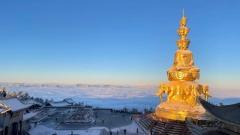
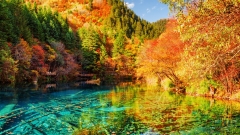
Located in central Sichuan, China, on the Chengdu Plain’s northwestern edge, Dujiangyan City takes its name from its famous water conservancy project. Boasting over 2,000 years of cultural memories, it uniquely blends mountains, water, city and forests—an unmissable destination for foreigners to experience Sichuan’s charm. Whether curious about ancient engineering or yearning for tranquil landscapes, Dujiangyan delivers a surprising travel experience.
World Miracle: The Millennia-Old Wisdom of Dujiangyan Water Conservancy Project
When talking about Dujiangyan City, the world-famous Dujiangyan Water Conservancy Project cannot be ignored. Constructed under the leadership of Li Bing and his son, the governor of Shu Prefecture during the Qin Dynasty, this project has been functioning for flood control, irrigation and navigation since its completion in 256 BC. It transformed the Chengdu Plain, once plagued by frequent floods, into the renowned Land of Abundance. As the oldest existing non-dam water diversion project still in operation worldwide, it has been inscribed on the UNESCO World Heritage List and stands as the soul of Dujiangyan City.
When visiting the water conservancy project, don’t miss its three core scenic spots. The Baopingkou, known as the throat of the project, is a narrow opening chiseled through Yulei Mountain by Li Bing and his son, strictly controlling the water volume flowing into the Chengdu Plain. The Feishayan serves as a natural pressure relief valve, smoothly discharging floodwaters and sediment during the flood season to protect the lower reaches.
The Yuzui Diversion Dike, shaped like a fish head, cleverly divides the Minjiang River into the Inner River for irrigation and the Outer River for flood discharge. As you wander around, you don’t need to struggle with complex mechanical principles; just watching the river flow in an orderly manner along the path designed by the ancients will let you truly feel the wisdom and greatness of the ancient Chinese working people. The scenic area provides professional multilingual guides, and it is recommended to rent an audio guide to listen carefully to the stories behind each component.
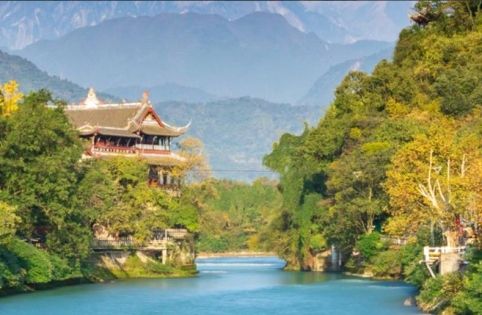
Cityscape with Covered Bridges
Qingcheng Mountain: Serenity and Zen in Landscape
Not far from the Dujiangyan Water Conservancy Project lies Qingcheng Mountain. This sacred mountain of Taoism is closely associated with Dujiangyan City, together forming the classic travel route of paying homage to water at Dujiangyan and seeking Taoism at Qingcheng Mountain. Famous for its tranquility, Qingcheng Mountain is covered with towering ancient trees, dense green shade and gurgling streams. Walking on the stone plank roads, the gentle breeze brings fresh and cool air, making it an ideal place to escape the hustle and bustle of the city.
Qingcheng Mountain is divided into the Front Mountain and the Back Mountain. The Front Mountain is dominated by Taoist culture and historical sites, while the Back Mountain is more renowned for its natural scenery. If you have limited time, the Front Mountain is the first choice. Here stands the Zhang Tianshi Cave, built during the Eastern Han Dynasty, which is the place where Zhang Daoling, the founder of Taoism, practiced and propagated his teachings. The cave is filled with burning incense and features simple yet majestic architecture. The Shangqing Palace is located at the top of the mountain; standing on the square in front of the palace, you can overlook the vast scenery of the Chengdu Plain.
During the climb, ancient temples and pavilions can be seen everywhere, harmonizing with the surrounding landscapes. When you feel tired, take a break in a pavilion, listen to the singing of birds and chirping of insects, and enjoy the tranquility of the mountains and rivers. If you are physically fit, the scenic spots in the Back Mountain such as Wulong Gully and Bailongtan are worth a visit. The landscapes here are more primitive and natural, and hiking along the streams is extremely pleasant.
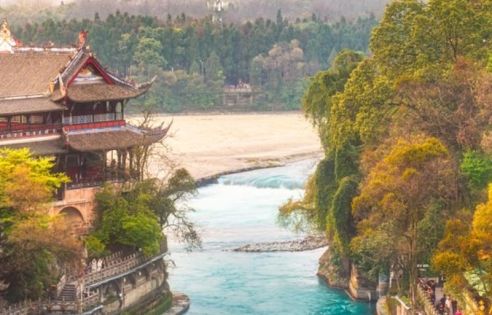
Bottle-Neck of the Dujiangyan Irrigation Project
Savor Dujiangyan City: The Flavors of Sichuan Cuisine
After sightseeing, don’t miss the specialty foods of Dujiangyan City. The flavors here combine the spicy and savory characteristics of Sichuan cuisine with unique local styles. The most famous one is Zhang Fei Beef, named after the renowned general of the Three Kingdoms period. With its firm texture and rich aroma, this dish is delicious whether served cold or braised, making it an excellent gift for relatives and friends.
In addition to Zhang Fei Beef, you must try Zha Zha Noodles. This local specialty noodle dish features chewy noodles and fragrant minced meat sauce. Served with fresh vegetables and secret spicy oil, each bite is full of satisfaction.
For lunch, you can choose a home-style restaurant near the scenic area and order a plate of Stir-Fried Bamboo Shoots with Preserved Pork. The salty aroma of the preserved pork blends with the tenderness of the bamboo shoots, making it a favorite home-cooked dish among locals.
For dinner, head to the food street in the urban area and try Sichuan spicy hot pot to experience the enthusiasm and boldness of Sichuan cuisine. If you can’t handle spicy food, remember to tell the boss in advance that you prefer mild or non-spicy flavors, and local restaurants will always try their best to accommodate your needs.
Practical Travel Information: Tips for a Pleasant Trip to Dujiangyan City
Dujiangyan City enjoys convenient transportation. From Chengdu Shuangliu International Airport or Chengdu Tianfu International Airport, you can take a high-speed train directly to Dujiangyan City, with a travel time of only about 30 minutes. Buses and taxis are available at the high-speed railway station to take you directly to various scenic spots. Scenic area tickets can be booked online in advance.
It is recommended to set off early during holidays to avoid long queues. For accommodation, there are various hotels in the urban area, ranging from high-end hotels to budget guesthouses. If you want to experience the landscape charm, the homestays at the foot of Qingcheng Mountain are a good choice, where you can wake up to the sight of overlapping green mountains in the morning.
The best travel time is spring and autumn. In spring, the mountains are covered with blooming flowers, and in autumn, the maple leaves turn fiery red, with the most comfortable climate. In summer, Qingcheng Mountain has a cool temperature, making it an ideal summer resort. In winter, it is relatively cold with occasional snowfall, presenting a unique charm. Remember to wear comfortable shoes during your trip, as climbing mountains and visiting the water conservancy project involve a lot of walking. Bring sun protection products and rain gear, as the weather in the mountains is changeable.
From the grandeur of the millennia-old water conservancy project to the tranquility and elegance of Qingcheng Mountain, from the spicy flavors on the tip of the tongue to the warm human touch in the downtown area, Dujiangyan City attracts tourists from all over the world with its unique charm. This city is not only a living history of water conservancy but also a vibrant tourist resort. Whether you are a culture enthusiast, a nature explorer or a food lover, you can find your own happiness in Dujiangyan City. Pack your bags and start a wonderful journey that combines culture and nature in Dujiangyan City. Every scenery here will become an unforgettable memory for you.