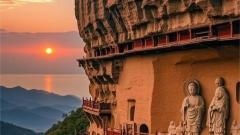

Dunhuang is one of the most important hubs along the ancient Silk Road, known for its dramatic desert landscapes and rich cultural heritage. From the world-famous Mogao Caves to the stunning Mingsha Mountain and Crescent Spring, the region offers a unique blend of history and nature. However, due to its remote location, arid climate, and widely scattered attractions, traveling in Dunhuang requires careful planning. Understanding ticket reservations, transportation options, and weather conditions in advance will help ensure a smooth and enjoyable journey.
Document Preparation for Dunhuang Travel
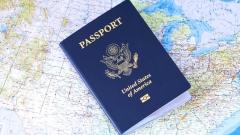
Foreign visitors traveling to Dunhuang need to apply for a Chinese tourist visa in advance and strictly follow the relevant rules and procedures to ensure smooth entry and avoid travel disruptions due to visa issues.
- Visa Application: To apply for a Chinese tourist visa, you need to provide an original passport with a validity of more than 6 months and blank visa pages, a copy of the passport’s photo page, a fully completed visa application form, and one recent 2-inch color passport photo with a light background (taken in a frontal, bare-headed pose).
- Visa-Free Entry: Citizens of some countries may enter China without a visa in accordance with China’s mutual visa exemption agreements with other countries, or enjoy visa-free entry for tourism with a regular passport for a stay of no more than 30 days. Foreign visitors holding a valid foreign residence permit or permanent residence permit may also enter China without a visa. It is recommended to consult the Chinese embassy or consulate in your home country for the latest policy updates before departure.
- Visa Usage: The visa specifies the number of entries and duration of stay. The visa will become invalid if the permitted number of entries is used up or the visa expires within the validity period, and holders of an invalid visa will be refused entry. If the number of entries or duration of stay specified in the visa cannot meet the needs of your itinerary, you need to re-submit the application materials. No changes can be made to the visa content after it is approved.
For foreign visitors traveling to Dunhuang, visa application is the primary prerequisite for entry. You must strictly follow the relevant Chinese visa rules and procedures to make preparations in advance to avoid travel disruptions caused by visa issues. Travel in accordance with the specified number of entries and duration of stay, and re-submit the application materials if the original visa cannot meet your itinerary needs.
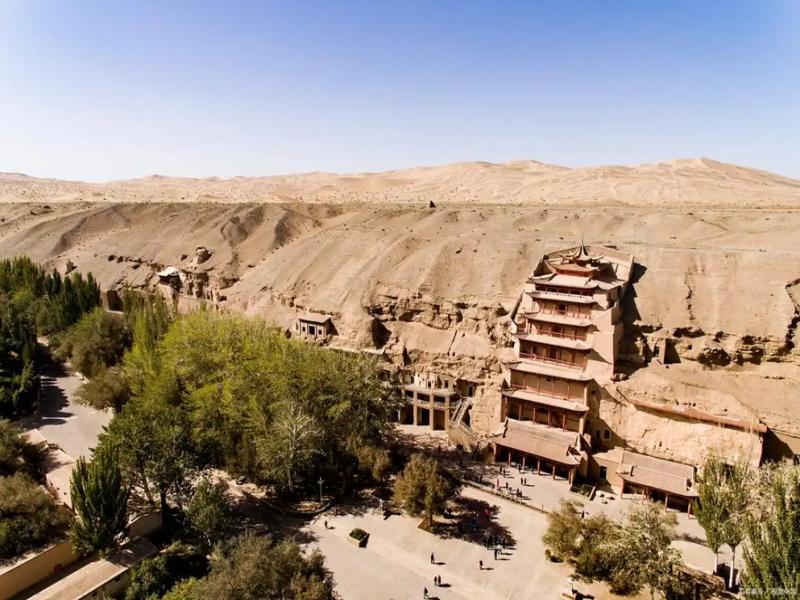
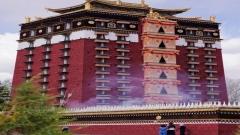
Mogao Caves
Long-Distance Transportation for Dunhuang Travel
Located at the westernmost end of the Hexi Corridor, Dunhuang is more than 1,000 kilometers away from Lanzhou, the provincial capital. First-time visitors should arrange long-distance transportation reasonably. International travelers can flexibly choose air travel, high-speed rail, or regular trains according to their itinerary and budget, as each method has its own advantages.
- Air Travel: International travelers are advised to first fly to a major international hub airport in China and then transfer to Dunhuang Mogao International Airport, which is the most time-saving way to enter. You can choose to transfer at airports such as Beijing Capital International Airport, Shanghai Pudong International Airport, Guangzhou Baiyun International Airport, and Xi’an Xianyang International Airport. These hub airports have flight routes covering major cities around the world and offer special customs clearance services for international travelers. Dunhuang Airport is only 13 kilometers away from the urban area, with complete shuttle services including airport buses and taxis, which can directly take you to hotels in the urban area. Charter flights from Hong Kong and other places are available during the peak season, allowing travelers from Southeast Asia, Europe, and the United States to connect via the hub in one stop, avoiding long-distance travel by car.
- High-Speed Rail: International travelers can take high-speed rail to Dunhuang from stations such as Lanzhou, Zhangye, and Jiayuguan. The Lanzhou-Xinjiang High-Speed Rail runs through the Hexi Corridor. Tickets can be purchased at the manual ticket windows of stations or official apps with a passport. The high-speed rail journey from Lanzhou to Dunhuang takes about 6-7 hours, and from Zhangye to Dunhuang takes about 4 hours, which is suitable for combining travel with Jiayuguan and Zhangye Danxia. Shuttle buses from the station can directly reach the urban area.
- Regular Trains: Travelers with limited budgets or those who want to immerse themselves in the northwest customs can take direct regular trains to Dunhuang from Lanzhou, Xi’an, Urumqi, and other places. Overnight sleeper trains are recommended, which depart in the evening and arrive the next morning. This not only saves the cost of one night’s accommodation but also does not occupy daytime travel time. The trains pass through the Gobi desert area with affordable ticket prices. It is recommended to purchase tickets in advance through stations or authorized platforms before traveling. After arriving at Dunhuang Station, there are special shuttle buses to and from the urban area, ensuring barrier-free travel.
Whether you choose to travel by plane, high-speed rail, or train, Dunhuang’s transportation network can meet the needs of different travelers. Those pursuing efficiency can fly directly to Dunhuang; those who want to travel along the Hexi Corridor can take the high-speed rail westward; and travelers with limited budgets can choose overnight sleeper trains.
Transfer Cities for Dunhuang Travel
Given that Dunhuang has no direct international transportation, overseas travelers can choose to transit through cities such as Lanzhou, Xi’an, Jiayuguan, and Jiuquan. Each transit city has its own advantages, allowing travelers to make the best choice based on their departure point and itinerary.
- Lanzhou: As the capital of Gansu Province and a core transportation hub in Northwest China, Lanzhou boasts a dense network of air and rail routes. Travelers from many domestic cities can fly or take high-speed trains directly to Lanzhou, from which there are frequent flights and train services to Dunhuang. With a wide range of transit options and smooth connections, Lanzhou is particularly suitable for travelers from East, South, and Central China.
- Xi’an: A gateway city in Northwest China, Xi’an has strong transportation links with the rest of the country, featuring a well-developed aviation and high-speed rail network. There are multiple daily flights from Xi’an to Dunhuang. Travelers can also take the opportunity to visit Xi’an’s historic sites during their transit, making it an ideal choice for those from North, Central, and Southwest China planning a combined itinerary.
- Jiayuguan: Located relatively close to Dunhuang, Jiayuguan is a key hub for railways and highways in Northwest China. The train ride from Jiayuguan to Dunhuang is short, offering stunning views of the Gobi Desert along the way. This route is well-suited for travelers exploring the Hexi Corridor, allowing them to create a connected itinerary from Jiayuguan to Dunhuang and experience the charm of ancient Silk Road passes.
- Jiuquan: Administratively part of the same prefecture-level city as Dunhuang, Jiuquan offers convenient road transportation, with long-distance buses providing direct access to Dunhuang. It is also accessible by air and rail. This option is ideal for short-haul travelers from within Gansu Province or neighboring northwestern provinces, especially those on a budget or who prefer overland travel.
By considering your own travel needs and itinerary pace, you can choose the most suitable transit city, making your journey to Dunhuang smoother and more efficient.
Urban Transportation in Dunhuang
Dunhuang’s transportation network radiates from the urban area to all scenic spots. Upon arrival by train or plane, travelers need to identify the correct stations, and choose transportation methods between scenic spots based on personal circumstances to avoid wasting time and money due to station confusion or inappropriate transportation choices.
- Urban Access: When arriving in Dunhuang by train, you can reach the urban area via Dunhuang Station, Liuyuan Station, or Liuyuan South Station. Dunhuang Station is about 10 kilometers from the urban area with convenient transportation, accessible directly by bus or taxi. Liuyuan Station is about 120 kilometers from the urban area, and Liuyuan South Station is about 100 kilometers away; both require a transfer by long-distance bus or taxi to the urban area, so it is recommended to prioritize train tickets to Dunhuang Station when purchasing. Upon arriving at Dunhuang International Airport by plane (about 13 kilometers from the urban area), you can choose to take a taxi, airport bus, or hotel shuttle service. Confirm with the hotel in advance whether free pick-up and drop-off are available for time and cost savings.
- Scenic Spot Transportation: From Dunhuang’s urban area to suburban scenic spots, you can choose to take a taxi, bus, or rent an electric scooter, and make a flexible choice based on the number of travelers and time. Public transportation coverage to western scenic spots is limited, so it is recommended to prioritize self-driving, carpooling, or booking a regular one-day tour. For self-driving, pay attention to road conditions on Gobi sections; for carpooling, confirm the itinerary and expenses with fellow travelers in advance; for group tours, choose a regular travel agency to avoid hidden costs.
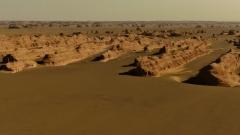
- Self-Driving Tips: When driving to suburban scenic spots, check the vehicle condition in advance and ensure sufficient fuel, as gas stations are sparsely located on Gobi sections. Observe traffic rules strictly while driving and do not drive into undeveloped areas to avoid getting the vehicle stuck in sand. Some scenic spots such as the Yardang Landform have rough roads, so it is recommended to choose an off-road vehicle and carry vehicle emergency tools.
After arriving in Dunhuang, focus on avoiding time and money waste caused by station confusion and inappropriate transportation choices. Prioritize Dunhuang Station, the closest and most convenient station to the urban area, and confirm free hotel shuttle services in advance for airport travel to save costs. A reasonable transportation plan for all links will enhance your travel experience.
Climate Adaptation for Dunhuang Travel
Dunhuang features a climate of low rainfall and aridity, a large temperature difference between day and night, intense ultraviolet radiation, and strong winds all year round. Travelers need to take targeted measures for clothing and protection according to different seasons to adapt to the local climate.
- Clothing Protection: Dunhuang has a significant temperature difference between day and night, with high temperatures in the daytime and a sharp drop at night. Choose windproof and waterproof outdoor jackets or short down jackets as the outer layer; match with sweaters, fleece sweatshirts, etc., as the middle layer, which can be added or removed according to temperature changes; select quick-drying shirts or thin fleece clothes as the inner layer. For lower body wear, it is recommended to wear thickened jeans or heavy casual pants, and you can match with down pant liners if you are sensitive to cold.
- Footwear and Accessories: Prioritize thick-soled, non-slip, sand-proof sports shoes or Martin boots to prevent sand from entering and foot injuries. Essential accessories include ear-warming woolen hats, wool scarves, touchscreen gloves, and polarized sunglasses.
- Seasonal Protection: Dunhuang experiences frequent sand and dust weather in spring, so strengthen sand-proof measures and carry sand-proof bags and face scarves. In summer, temperatures are high and ultraviolet radiation is the strongest; in addition to high-SPF sunscreen, carry cooling supplies to avoid heatstroke. The temperature difference between day and night further widens in autumn, so a warm coat is a must. Winter temperatures are extremely low, so full-body warmth protection is required, along with measures to prevent frostbite.
It is recommended to take targeted protective measures according to climatic differences in the four seasons. Only by combining with local climatic characteristics and making comprehensive, seasonal protection preparations can you effectively avoid discomfort caused by the climate.
Food Tips for Dunhuang Travel
Dunhuang’s cuisine is dominated by northwest flavors with strong ethnic characteristics. Accommodation in Dunhuang centers on the urban area, with limited options near suburban scenic spots. When choosing food and accommodation, travelers should consider local characteristics and make careful choices to ensure food safety and a comfortable stay.
- Restaurant Selection: When tasting local specialty food, prioritize restaurants popular with local people, which offer fresh ingredients and authentic flavors. Avoid restaurants with aggressive promotion in scenic spots or on street corners to prevent overpricing and poor-quality ingredients. Dunhuang’s specialty foods include donkey meat with yellow noodles, fried pastries, whole roasted lamb, and apricot skin water. Taste them gradually and avoid eating too much greasy and spicy food at one time to prevent stomach discomfort.
- Hydration: The local climate is arid, so it is essential to replenish water in a timely manner during travel. Drink plenty of boiled water or heat-clearing and fire-reducing teas such as chrysanthemum tea and green tea, and properly drink local specialty apricot skin water to supplement vitamins. Eat an appropriate amount of local fruits such as grapes, Hami melons, and Jun jujubes to moisten the throat and relieve dryness.
- Specialty Shopping: When buying local dried fruits and specialties, do not make impulsive purchases in scenic spots or busy street corners. It is recommended to shop around, confirm whether the price includes packaging, and check the freshness of ingredients to avoid buying stale or deteriorated products.
Taste local specialties by choosing restaurants carefully to ensure food safety; adjust your body according to local climatic characteristics in daily life; shop for specialties with careful selection to avoid shopping traps. Following these principles will ensure physical comfort and consumer rights and interests.
Accommodation Tips for Dunhuang Travel
Accommodation in Dunhuang centers on the urban area, which offers a wide range of well-equipped options. Although there are accommodation choices near suburban scenic spots such as Mingsha Mountain, the selection is limited and prices fluctuate greatly. The accommodation principle is practicality and comfort.
- Accommodation Location: For first-time visitors to Dunhuang, prioritize accommodation in the urban area, which features convenient catering and transportation to all scenic spots with relatively stable prices. If you want to watch the sunrise and sunset at Mingsha Mountain, you can choose accommodation near the scenic spot, but be prepared for limited options and price increases on holidays. Confirm the building orientation and floor of the room in advance to ensure a good view.
- Hotel Booking: Do not only refer to official pictures when booking a room; check photos and reviews from real guests, and focus on details such as sound insulation, hot water, air conditioning, parking, and dust prevention. Dunhuang is prone to wind and sand, so the quality of hotel cleaning and dust prevention directly affects the stay experience. If you choose to self-drive, confirm whether the hotel provides free parking spaces to avoid additional expenses.
- Suburban Accommodation: Some homestays near suburban scenic spots such as Mingsha Mountain offer desert camping experiences. Although unique, pay attention to warmth and sand prevention, and confirm the completeness of camping facilities such as tent warmth and bathroom conditions. Choose according to your personal acceptance.
For Dunhuang accommodation, prioritize the urban area for its convenient transportation, catering, and stable prices. If choosing accommodation near scenic spots, plan in advance and confirm details related to the view and prices. Avoid being misled by official pictures during the entire booking process and focus on accommodation details suitable for Dunhuang’s windy and sandy climate and supporting services for self-driving travelers. Although desert camping in the suburbs has unique features, ensure the completeness of basic facilities such as warmth and sand prevention based on personal acceptance.
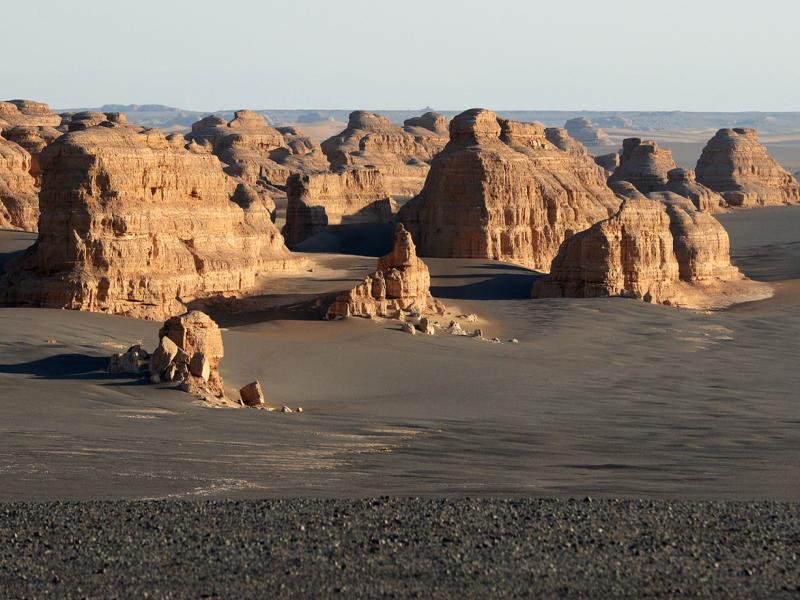
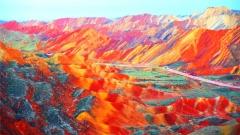
Dunhuang Yadan landform Group
Plan Smart and Make the Most of Your Dunhuang Trip
A successful trip to Dunhuang is all about preparation. Beyond its breathtaking scenery, the true charm of the region lies in its deep historical and cultural significance. Whether you are exploring ancient caves, venturing into the desert, or experiencing local traditions, thoughtful planning will greatly enhance your experience. From booking tickets to arranging transport and adapting to the climate, every detail matters. For a more seamless and enriching journey, China Dragon Travel can help you design a customized Dunhuang and Silk Road itinerary tailored to your interests and schedule.