
The Silk Road, an ancient passage connecting Eastern and Western civilizations, not only carries thousands of years of trade and cultural exchanges but also leaves countless breathtaking attractions. From the imperial ruins in the hinterland of the Central Plains to the deserts and gobi in the northwest borderlands, and then to the exotic ancient cities of the Western Regions, every Silk Road attraction hides unique stories and scenery. Whether you are a history and culture enthusiast tracing the past or an adventurer who loves natural landscapes, traveling along the Silk Road will bring you your own surprises. Below, we have selected core attractions along the route with detailed visiting information to help you plan a fulfilling Silk Road trip.
Central Plains Starting Point: Silk Road Attractions in Xi’an – Trace the Prosperity of the Qin, Han and Tang Dynasties
As the eastern starting point of the Silk Road, Xi’an (ancient Chang’an) is the primary stop for exploring Silk Road civilization. Every attraction here carries the grandeur of the Qin, Han and Tang Dynasties, witnesses the opening and prosperity of the ancient Silk Road, and is the core area to experience the culture of the Silk Road’s starting point.
From the majestic momentum of the Qin Dynasty Terracotta Army to the lingering Buddhist chants of the Tang Dynasty Giant Wild Goose Pagoda, every relic is closely linked to the rise and fall of the Silk Road, embodying the wisdom and courage of the ancients in developing the Western Regions and promoting exchanges between the East and the West. It also paves a path for today’s tourists to trace the millennium-old Silk Road civilization, allowing people to feel the profound heritage of the integration of ancient and modern times with every step.
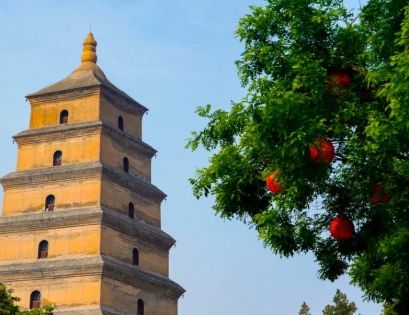
Giant Wild Goose Pagoda
Terracotta Army: The Millennium Guard of the Qin Empire’s Mighty Army
The Terracotta Army is undoubtedly one of the most representative Silk Road attractions in Xi’an and also one of the Eighth Wonders of the World. Located at the northern foot of Lishan Mountain, it is the mausoleum of Emperor Qin Shi Huang. Thousands of unearthed terracotta warriors and horses are lifelike, reproducing the military grandeur of the Qin Empire. It is not only a masterpiece of ancient military civilization but also confirms the early exploration of the Western Regions by the Qin Dynasty, laying the foundation for the opening of the Silk Road.
Terracotta Army Visiting Guide: Buy a combined ticket for the army & Mausoleum. Visit Pits 1–3 first, then the burial mound. Hire a paid guide for in-depth history; go before 9 am to skip crowds.
Giant Wild Goose Pagoda: A Witness to Xuanzang’s Pilgrimage on the Silk Road
Also known as the Big Wild Goose Pagoda of Ci’en Temple, the Giant Wild Goose Pagoda was built by Monk Xuanzang in the Tang Dynasty for storing and translating Buddhist scriptures, and is also an important symbol of cultural exchanges on the Silk Road. The seven-story brick pagoda is magnificent, and climbing to the top offers a bird’s-eye view of Xi’an’s urban scenery. The Xuanzang Sanzang Courtyard in the temple enshrines the parietal bone relic of Monk Xuanzang and displays cultural relics related to his pilgrimage to the West for Buddhist scriptures, vividly reproducing his arduous journey along the Silk Road to seek Dharma.
| Attraction Information | Detailed Content |
| Opening Hours | 8:00-18:00 (Summer); 8:00-17:30 (Winter) |
| Ticket Price | Ci’en Temple Ticket: 40 yuan; Pagoda Climbing Fee: 30 yuan |
| Transportation | Take Metro Line 3 to Dayanta Station and walk to reach it. |
Hexi Corridor: Silk Road Attractions – Enjoy the Brilliant Scenery of the Desert
The Hexi Corridor is a must-pass on the Silk Road, bordered by the Qilian Mountains in the south and the Gobi Desert in the north. Its unique geographical environment has created numerous magnificent landscapes and cultural relics. From the Danxia wonders in Zhangye to the Dunhuang sites in Jiuquan, every Silk Road attraction perfectly interprets the magnificent artistic conception of “straight smoke rises from the vast desert, and the setting sun hangs round over the long river”, making people indulge in the grandeur and desolation of the northwest land.
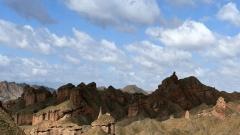
| Zhangye Danxia National Geopark
Zhangye Danxia is one of the seven most beautiful Danxia landforms in China and also a natural wonder along the Silk Road. After millions of years of weathering and erosion, the rocks here have formed a landscape with interlaced colors such as red, yellow, orange, green and white, with staggered bedding and distinct color bands, like a magnificent picture painted by nature. Under different light conditions, the Danxia landscape presents different styles, especially brilliant at sunrise and sunset. |
Mingsha Mountain and Crescent Spring
Located south of Dunhuang, Mingsha Mountain & Crescent Spring is a iconic Silk Road spot blending nature and culture. Mingsha Mountain is named for its rustling sand; its undulating golden dunes resemble waves. Crescent Spring, a moon-shaped oasis, has stayed clear and unfaded for millennia amid sandstorms, hailed as the First Spring in the Desert. Tourists can ride camels like ancient caravans or stroll by the spring to savor this desert-spring wonder. |
Dunhuang Mogao Grottoes: The Palace of Silk Road Art
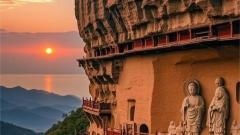
Also known as the Thousand Buddha Grottoes, the Dunhuang Mogao Grottoes are the most influential Buddhist art relics along the Silk Road and are listed as a World Cultural Heritage Site. First built in the Former Qin Dynasty, it has been constructed through more than ten dynasties, with 735 existing grottoes, 45,000 square meters of murals and 2,415 colored sculptures. The murals in the Mogao Grottoes are rich in content, covering various fields such as Buddhist stories, Silk Road trade and folk customs. The colored sculptures are vivid in shape and exquisite in craftsmanship, making them a crystallization of artistic exchanges between the East and the West.
Mogao Grottoes Visiting Notes: Real-name reservation for A/B/C tickets. Type A covers 8 grottoes + digital hall (book 3+ days early). No touching murals/statues or flash photos. Bring a thin coat for temperature swings.
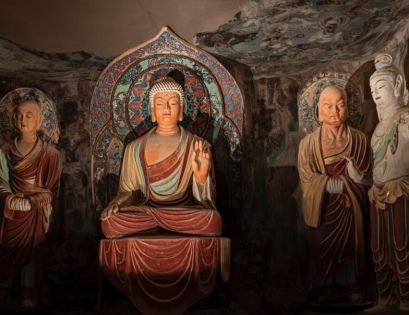
Buddha Statues of Mogao Caves
Western Regions Secret Land: Silk Road Attractions in Xinjiang – Encounter the Blend of Customs and Grandeur
Xinjiang is an important node on the Silk Road, with not only magnificent natural landscapes but also strong ethnic customs. As a core post station for East-West trade and cultural exchanges on the ancient Silk Road, the attractions here not only carry the memories of the prosperity of the ancient road but also gather the unique charm of diverse ethnic groups. From the style of Kashgar Old Town to the grasslands and lakes in Ili, from the Flaming Mountain in Turpan to the Qiuci ruins in Kuqa, there are also many relics such as Luntai Ancient City and Gaochang Ancient City scattered around. Every Silk Road attraction is full of mystery and temptation, outlining a magnificent picture of the ancient Silk Road in the Western Regions, making tourists linger and forget to return, and deeply feel the unique charm of the integration of civilizations for thousands of years.
Kashgar Old Town: A Living Relic of the Silk Road Border Town
Kashgar Old Town is one of the best-preserved ancient cities along the Silk Road and also the most representative folk scenic spot in Xinjiang. First built in the Western Han and Eastern Han Dynasties, most of the existing buildings were constructed in the Ming and Qing Dynasties, with crisscrossing streets and lanes and well-arranged houses, full of strong Uyghur customs. In the old town, you can stroll along the stone-paved streets, visit attractions such as the Id Kah Mosque and Gaotai Residential Quarter, taste special foods such as samsa and pilaf, and feel the unique charm of the Silk Road border town.
Sayram Lake: A Pure Land Lake on the Silk Road
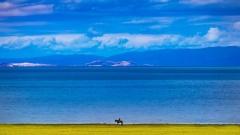
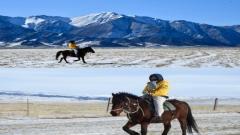
Located in the Ili Kazakh Autonomous Prefecture, Sayram Lake is the highest altitude and largest alpine lake in Xinjiang, and also a masterpiece of natural landscapes along the Silk Road. The lake water is clear and bottomless with extremely high transparency. Under the sunlight, it presents various tones such as deep blue and light blue, like a sapphire inlaid in the Tianshan Mountains. Surrounding the lake is a vast grassland. In summer, the grassland is covered with blooming flowers and flocks of cattle and sheep, which set off with the lake water and snow-capped mountains, forming a magnificent pastoral picture.
| Attraction Information | Detailed Content |
| Opening Hours | Open 24 hours a day (Recommended visiting time: 4-10 hours) |
| Ticket Price | Ticket: 70 yuan; Additional fee for vehicles entering (different charging standards according to different vehicle types) |
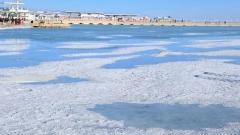
| Best Travel Season | June-August (blooming flowers on the grassland), December-February (blue ice wonder) |
Turpan Flaming Mountain: A Heat Wave Wonder Along the Silk Road
The Flaming Mountain is a unique landscape along the Silk Road, named for its extremely high temperature in summer and reddish-brown mountain body. It is one of the hottest places in China, with the highest temperature in summer reaching 47.8℃ and the sand surface temperature exceeding 70℃. The Flaming Mountain has crisscrossing gullies and exposed rocks. Under the sunlight, it shimmers with red light, like a burning flame. There is a giant thermometer in the scenic area that displays the local temperature in real time, as well as sculptures related to “Journey to the West” such as Bull Demon King and Princess Iron Fan, adding fun. In addition, the nearby Grape Valley is also a characteristic scenic spot along the Silk Road, with continuous vineyards and various grape varieties. Coming here in summer, you can taste fresh grapes and feel the cool summer.
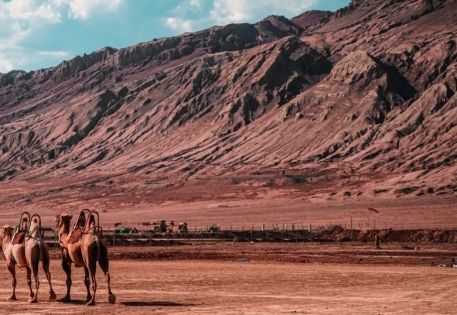
Flaming Mountain
Itinerary Planning Suggestions
If you have plenty of time, you can plan a complete Silk Road tour route: Xi’an – Lanzhou – Zhangye – Jiuquan – Dunhuang – Turpan – Urumqi – Kashgar, which takes about 15-20 days. You can fully experience the cultural and natural landscapes along the route, from the profound history of the imperial capitals in the Central Plains to the unique customs of the border towns in the Western Regions, and fully feel the continuation and integration of Silk Road civilization.
If time is limited, you can choose to visit the essence section, such as Xi’an + Hexi Corridor section (7-10 days). This route focuses on the core cultural relics in the eastern section of the Silk Road, suitable for tourists who prefer historical sites; or the Xinjiang section (8-12 days), which allows you to deeply enjoy the magnificent natural scenery and strong ethnic customs of the Western Regions, suitable for tourists who love natural adventures.
Transportation Options
The cities along the Silk Road are widely spaced, and different sections are suitable for different transportation methods with their own advantages. The following is a classified explanation to facilitate you to choose flexibly according to your itinerary:
- High-Speed Rail Travel: Suitable for the Core Eastern Section
High-speed rail has been opened to cities in the eastern section such as Xi’an to Lanzhou, Zhangye and Jiuquan. It is not only fast and comfortable but also saves time on long-distance travel. You can enjoy the scenery of the Loess Plateau and the Qilian Mountains’ foothills along the way, suitable for tourists with tight time and preference for convenient travel.
- Air Travel: Suitable for Long-Distance Cross-Regional Sections
Remote node cities such as Dunhuang and Kashgar have airports. You can fly directly or transfer from hub cities such as Xi’an and Urumqi, which can greatly shorten the time for long-distance travel, especially suitable for long-distance tourists who need to cross the three major regions of Xi’an – Hexi Corridor – Xinjiang.
- Self-Driving Travel: Suitable for In-Depth Experience Sections
If you want to deeply experience the natural scenery and humanistic atmosphere along the Silk Road, self-driving is the first choice. However, it should be noted that the road conditions in areas such as gobi and mountainous areas are complex, and the signal in some areas is weak. It is recommended to check the vehicle condition in advance, plan the route, and carry sufficient water, food and emergency supplies.
Seasonal and Clothing Suggestions
Most areas along the Silk Road have a continental climate with large temperature differences between day and night. No matter which season you travel, it is recommended to bring clothes of moderate thickness. In spring (March-May), the temperature rises, but there is a lot of wind and sand, so you need to bring a sand scarf and sunglasses; in summer (June-August), it is hot and dry, so you need to take sun protection measures, bring sunscreen and a sun hat, and at the same time bring a thin coat to cope with the low temperature in the morning and evening; in autumn (September-November), the climate is cool, which is the best season for traveling, so it is recommended to bring long-sleeved shirts and a thin coat; in winter (December-February), it is cold and dry, so you need to bring a thick down jacket, scarf, gloves and other warm clothing.
Step into Silk Road Attractions and Perceive the Integration of Millennium-Old Civilizations
Silk Road attractions are not only a perfect integration of nature and humanity but also a witness to the integration of civilizations for thousands of years. From the Qin and Han relics in Xi’an to the Buddhist art in Dunhuang, from the Danxia wonders in Zhangye to the folk customs in Kashgar, every step forward allows you to touch the pulse of history, and every stop allows you to feel the magnificence of the scenery. Whether you are to seek traces of history or to admire natural wonders, the Silk Road will bring you a unique travel experience. Pack your bags and travel along the ancient Silk Road, making these brilliant attractions the most precious memories of your trip.