
If there’s one place worth traveling across the world for, it’s Everest Base Camp. At 5,200 meters, this is not an easy trip—thin air, freezing winds, and long, winding mountain roads will test you physically and mentally. But the moment the first golden sunlight hits the summit of Everest, everything suddenly feels worth it.
This guide covers everything you actually need: permits, transport, itinerary, accommodation, altitude sickness, photography tips, and common mistakes—so you can plan with confidence.
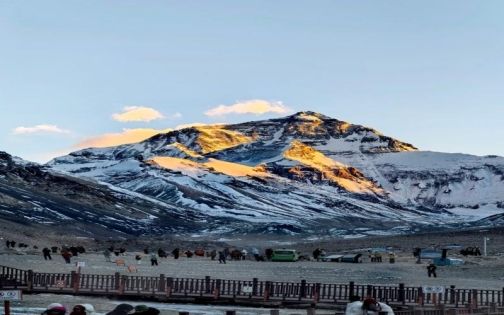
Everest Base Camp
📍 Basic Info & Best Time to Visit
- Location: Dingri County, Shigatse, Tibet (inside Mount Everest National Nature Reserve)
- Altitude: ~5,200 meters (17,060 ft)
- Best seasons:
- April–June / September–October: clear skies, best visibility
- July–August: rainy season, heavy clouds (views not guaranteed)
- November–March: extremely cold but fewer tourists
👉 Weather matters more than season—always check cloud coverage before going.
🪪 Permits & Tickets (Mandatory)
You cannot visit Everest Base Camp freely—documents are strictly checked.
Required Documents
- Border Permit (Frontier Pass)
- Must include “Shigatse + Dingri”
- Free at your home region in China, or arranged in Lhasa/Shigatse
- No permit = no entry, no exceptions
- Passport / ID
- Checked multiple times along the route
Entrance Fees
- Park entrance: ~160 RMB
- Eco shuttle bus: ~120 RMB (required)
- Student discounts available
👉 Private vehicles are NOT allowed into the core zone—you must transfer to a shuttle bus.
🚗 Transport & Itinerary
Route Overview
Shigatse → Dingri → Everest Base Camp → Shuttle transfer
🗓️ 2-Day Itinerary (Classic Option)
Day 1: Shigatse → Everest Base Camp
- Drive (~6 hours)
- Stops:
- 108 Hairpin Road (intense mountain driving)
- Mount Jiawu La Pass (view of 5 peaks over 8,000m)
- Rongbuk Monastery (world’s highest monastery)
- Arrive at base camp, visit monument
- Stay overnight (tent or nearby village)
Day 2: Sunrise → Return
- Early morning: “Golden Summit” sunrise
- Optional stargazing photos
- Return to Shigatse
🗓️ 3-Day Itinerary (Recommended)
Day 1: Shigatse → Everest Base Camp → stay in village
Day 2: Sunrise at Jiawu La Pass → return to Shigatse
Day 3: Visit Tashilhunpo Monastery → return to Lhasa
👉 Why better:
- Lower altitude risk
- Backup day in case of bad weather
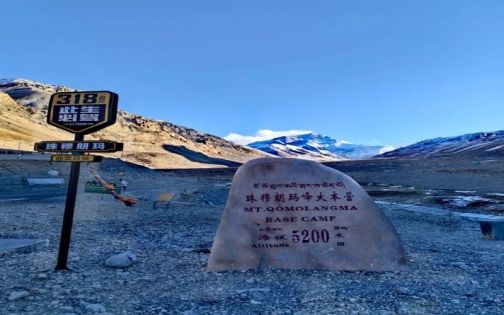
Everest Base Camp
🏨 Accommodation & Food
Where to Stay
- Base Camp Tents
- ~80–120 RMB/person (shared)
- Pros: best for stargazing
- Cons: very high altitude, cold, risk of altitude sickness
- Everest Base Camp Village / Tashi Zom
- Lower altitude, better facilities
- Private bathrooms available
- Best choice for most travelers
- Rongbuk Monastery Guesthouse
- Great views, basic conditions
👉 Tip: Beginners should avoid staying at base camp itself.
Food Situation
- Simple meals: instant noodles, fried rice, basic dishes
- Drinks: butter tea, hot water
Bring:
- Chocolate (quick energy)
- Glucose drinks
- Snacks
📸 Photography Tips
Must-Shoot Spots
- Everest Monument (8848 sign)
- Go early to avoid long lines
- Golden Summit (Sunrise/Sunset)
- Arrive early and secure a good position
- Jiawu La Pass
- Panoramic view of Everest and surrounding peaks
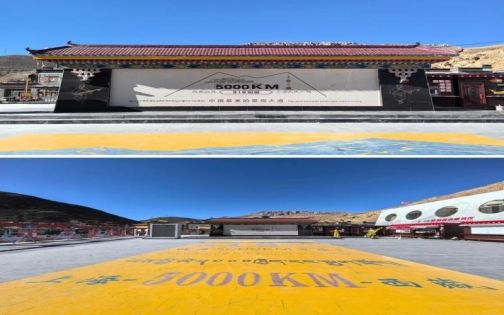
- Route 318 Sign
- Less crowded, easier photos
Pro Tips
- Wear bright colors for contrast
- Strong wind—secure your tripod
- Use touchscreen gloves for shooting
⚠️ Altitude Sickness (Critical)
At 5,200m, altitude sickness is very real.
Prevention
- Spend 1–2 days acclimatizing in Shigatse
- Optional: take Rhodiola in advance
- Walk slowly, stay hydrated
Must-Bring Items
- Oxygen canister (buy in city—cheaper)
- Glucose solution
- Ibuprofen (for headaches)
- Pulse oximeter
👉 Oxygen levels:
- 90%+: excellent
- 80–90%: normal at altitude
- <80%: use oxygen immediately
What NOT to Do
- No running or jumping
- No alcohol
- Avoid showers at high altitude
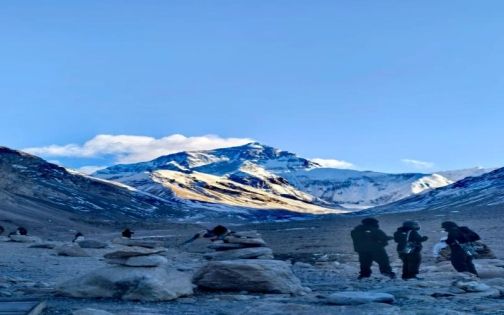
Everest Base Camp
🧥 Clothing & Gear (Essential)
Layering System
- Outer: windproof shell + heavy down jacket
- Mid: fleece or light down
- Base: thermal/quick-dry layer
Accessories
- Hat (wind protection)
- Gloves (critical)
- Sunglasses (prevent snow blindness)
- Scarf/face cover
Sun Protection
- SPF50+ sunscreen
- Lip balm
- Head covering
👉 UV radiation is extremely strong at high altitude.
🚧 Common Mistakes to Avoid
1️⃣ Underestimating the Road
- “108 turns” is just a name—it feels endless
👉 Take motion sickness meds in advance
2️⃣ Expecting a Quick Trip
- Shigatse ↔ Base Camp = long, exhausting journey
👉 Expect 10+ hours total travel
3️⃣ Ignoring Weather
- You might not see Everest at all
👉 Always leave buffer time
4️⃣ Buying Everything Inside
- Prices are much higher
👉 Bring essentials yourself
5️⃣ Relying on Signal
- Almost no mobile service
👉 Download offline maps
🌌 Stargazing & Golden Summit Tips
- Stargazing
- Avoid full moon
- Use long exposure (15–25 seconds)
- Golden Summit
- Requires clear skies
- Arrive at least 30 minutes early
Everest Base Camp
💬 Final Thoughts
Everest Base Camp isn’t just a destination—it’s a test.
The altitude, the cold, the long hours on the road—none of it is easy. You may question your decision halfway through the journey. But when the sun rises and paints Everest in gold, everything goes quiet.
And in that moment, standing at the foot of the world’s highest peak, you’ll understand why people come all this way.
recommend route:
13-Day Flight-and-Train Deluxe Panorama Tibet Tour: Lhasa, Everest, Nyingchi & More