
The Uyghurs are one of Xinjiang’s most distinctive ethnic groups, known for their rich history, unique traditions, and vibrant lifestyle. For international travelers, exploring Uyghur communities offers a rare chance to experience their music, dance, architecture, and cuisine firsthand. Understanding Uyghur culture adds depth to a journey, transforming sightseeing into a meaningful cultural experience. This guide covers history, language, architecture, music, food, travel tips, and practical advice, helping you plan an immersive trip in Xinjiang.
History and Cultural Origins of the Uyghurs
Influence of the Silk Road
The Uyghur culture was shaped profoundly by the Silk Road. Xinjiang served as a key crossroads connecting East and West, attracting traders, settlers, and travelers from Central Asia, Persia, and beyond. Uyghur language, architecture, music, dance, and clothing all reflect this multicultural interaction. Architectural motifs often combine geometric patterns with Islamic art, reflecting centuries of cultural exchange. Spices, musical instruments, and textiles brought via trade shaped daily life and artistic expression, making Uyghur society culturally rich and vibrant.
Ethnic Identity and Historical Legacy
The Uyghur ethnic identity is rooted in language, religion, and customs. Across dynastic changes and historical migrations, the Uyghurs developed a stable social structure and rich literary and artistic traditions. Festivals, religious ceremonies, and handicrafts serve as living expressions of collective memory and cultural continuity, passed down through generations and forming the backbone of Uyghur social life.
Cultural Diversity
Uyghur culture is highly inclusive, blending indigenous traditions with influences from Han, Mongol, and Persian cultures. This diversity is evident in food, architecture, folk stories, and daily life. It makes Xinjiang a prime destination for travelers interested in exploring a unique intersection of human civilizations.
Uyghur Language, Writing, and Beliefs
Role of the Uyghur Language
Uyghur belongs to the Turkic language family and is written in an Arabic-based script. It is used in homes, communities, and markets. Learning basic phrases such as “Yaxshimissez” (Hello), “Rehmät” (Thank you), and “Hoş” (Goodbye) not only facilitates communication but also fosters rapport with locals.
Islam and Daily Life
Islam profoundly shapes Uyghur life. Daily prayers, Ramadan, and religious festivals are integral to the community. Dietary rules, holiday meals, and social etiquette are intertwined with religious observances. Understanding these practices helps travelers show respect and fully appreciate local culture.
Customs and Cultural Boundaries
Visitors to mosques or private homes should dress modestly, covering shoulders and knees. Always ask for permission before taking photos, especially in religious or handicraft settings. Following local customs demonstrates respect and enables meaningful cultural exchange.
Uyghur Settlements and Architectural Art
Old Towns and Residential Layouts
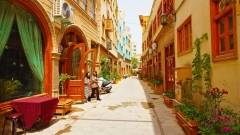
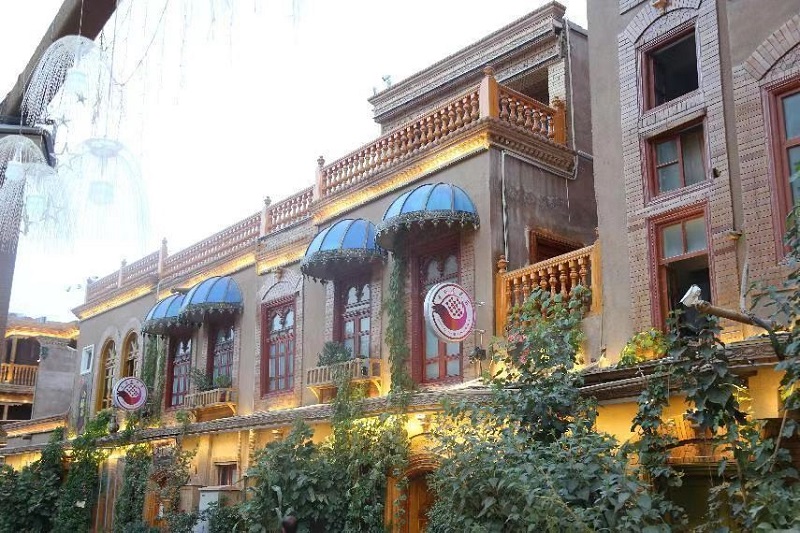
Kashgar’s Old Town preserves high-platform adobe homes and narrow alleyways, designed to facilitate social life while maintaining privacy. The thick mud walls provide insulation against Xinjiang’s extreme temperatures, while courtyards serve as social spaces for families and neighbors.
Religious Architecture
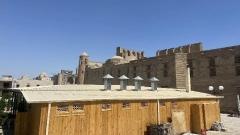
Mosques and mausoleums, such as the Id Kah Mosque and the Tomb of Fragrant Concubine, are both spiritual and communal centers. Brick carving, glazed tile, and woodwork showcase vibrant colors and intricate designs, blending Islamic and local styles. Weekly Friday prayers offer an immersive experience of community life.
Bazaars and Market Culture
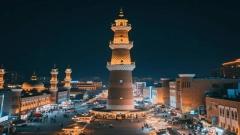
Bazaars are central to Uyghur society, serving as commercial and social hubs. The Xinjiang International Grand Bazaar features handicrafts, spices, and dried fruits from across the region, offering travelers insight into daily life, social interactions, and local culture.
Uyghur Cuisine and Food Culture
Staple Foods and Noodles
Nang bread is a staple, with varieties like oil nang, milk nang, and sesame nang, baked in traditional clay ovens. Pilaf (Polu) mixes lamb, carrots, and rice, garnished with raisins and almonds. Hand-pulled noodles (Lagman) and thin-skinned dumplings (Piterman Mantou) are also common in households and festive meals.
Meat Dishes and Specialty Snacks
Grilled lamb skewers, whole roasted lamb, and Shorpa (lamb stew) are signature dishes. Snacks like rice-filled intestines and wheat-filled lungs offer unique textures and flavors. These dishes highlight local culinary techniques and the prominence of lamb in Uyghur cuisine.
Drinks and Sweets
Uyghur tea, yogurt drinks, and iced yogurt are popular beverages. Traditional sweets include Bakhlava, walnut cakes, and fruit preserves, often accompanied by dried fruits such as apricots, figs, and dates, providing a complete taste of Uyghur culinary tradition.
Uyghur Music, Dance, and Festivals
Muqam Music
Muqam, a UNESCO-recognized intangible cultural heritage, blends poetry, melody, and rhythm, reflecting Uyghur history and folklore. Music is integrated into daily life and festivals, offering travelers a window into the emotional and cultural world of the Uyghurs.
Dance Traditions
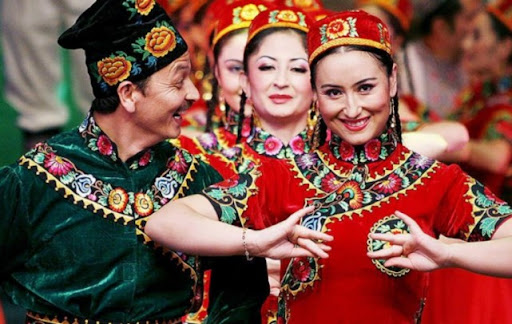
Dances like Sanam appear in weddings, festivals, and family gatherings, featuring graceful movements and lively rhythms. Participation allows travelers to experience the collective joy and social cohesion of the community.
Festivals
Eid al-Adha (Gurban) and Eid al-Fitr (Mehrez) showcase Uyghur hospitality and communal spirit. Streets come alive with music, dance, and food, allowing visitors to immerse themselves in traditional celebrations.
Uyghur Traditional Handicrafts
Silk and Pottery
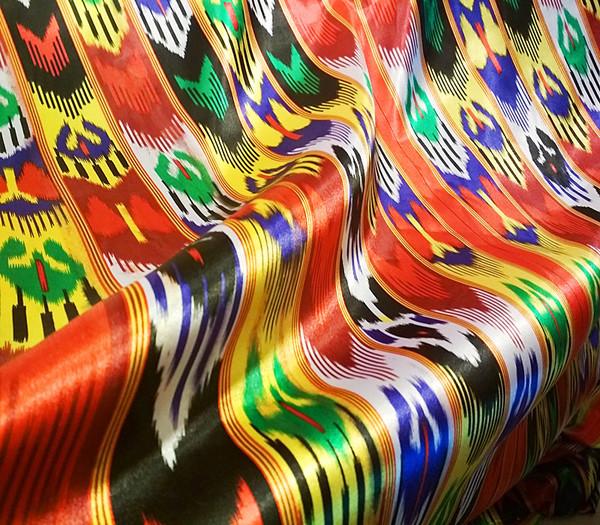
Edres silk, known for its vibrant colors and intricate patterns, involves multiple stages of spinning, dyeing, and weaving. Kashgar’s pottery-making tradition dates back centuries, with visitors able to shape, mold, and decorate clay, experiencing the tactile and cultural essence of Uyghur craftsmanship.
Musical Instruments
Instruments such as the Dutar and Tambur are central to Uyghur music. Learning about their production and playing techniques allows travelers to connect with the cultural narrative behind each instrument.
Craft Heritage
Handicrafts are passed down through generations, embodying Uyghur cultural identity. Participating in crafting activities offers a tangible and memorable connection to local traditions.
Xinjiang Travel Tips and Practical Advice
Transportation
International flights arrive primarily at Urumqi Diwopu Airport, with domestic flights and trains connecting Kashgar, Turpan, and Hotan. High-speed trains and tourist trains provide scenic views of the Tianshan Mountains. Some border areas require special permits, so consult a travel agency in advance.
Accommodation
Options range from traditional guesthouses in Kashgar Old Town to luxury hotels in Urumqi and homestays in Turpan. Peak season bookings (May–October) require early reservation. Basic facilities in some traditional guesthouses may be limited, so check details in advance.
Health and Safety
Xinjiang’s climate is dry with large temperature variations. Travelers should bring sunscreen, moisturizing products, and warm clothing. Most tourist areas are safe, but valuables should be secured. Traveling in groups at night is recommended, especially in bustling night markets.
Cultural Interaction Tips
Learn basic Uyghur phrases, respect festival customs, and engage in local dining and bazaar experiences. These interactions enhance cultural understanding and make the journey more meaningful.
Experience Uyghur Culture in Xinjiang
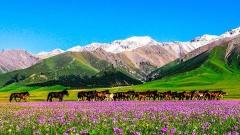
Exploring Uyghur culture offers a unique combination of history, art, and lifestyle. From Kashgar’s Old Town and its alleyways to Turpan’s vineyards and Hotan’s handicraft workshops, every destination tells a story. Travelers can participate in traditional festivals, listen to Muqam music, learn folk dances, and even create Edres silk or pottery, gaining hands-on experience of Uyghur culture. Xinjiang’s natural landscapes, including the Tianshan Mountains, Kanas Lake, and oasis grasslands, complement cultural exploration, providing a well-rounded journey.
For those seeking an in-depth and smooth travel experience, China Dragon Travel offers professional itinerary planning, local guides, and homestay arrangements. We ensure safe, rich, and memorable travel, helping you explore Xinjiang’s Uyghur culture with ease. Whether visiting for the first time or returning, this journey will become an unforgettable part of your travel memories.