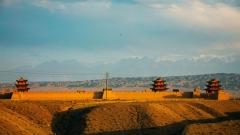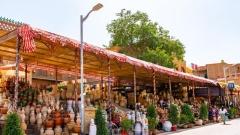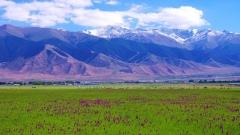

When you set foot on the vast land of Xinjiang, what first strikes you may be the grandeur of the Tianshan Mountains and the vastness of the deserts. But what truly fills this land with warmth is the passion and charm of the Uyghur people. As one of the largest ethnic minorities in Xinjiang, the Uyghur people have used their wisdom and vitality to write their own cultural chapter on the ancient Silk Road, and they have also become the core of every foreign traveler’s experience of Xinjiang’s charm. Whether it’s a kind greeting in the market or a cup of milk tea handed over at the door, the kindness of the Uyghur people can always quickly bridge the distance between people, making travelers from afar feel deep warmth.
Living Spaces of the Uyghur People: Charm from Ancient Cities to New Districts
To gain an in-depth understanding of the Uyghur people, you must not miss the settlements where they have lived for generations. In Kashgar Ancient City, the world’s largest existing earthen architecture city, traces of the Uyghur people’s life can be seen everywhere. In the winding streets and alleys, the carvings on the brick walls remain clear despite centuries of wind and frost. Flower beds placed at the door are filled with bright hollyhocks. Elderly people sit under grape trellises playing the dutar, and the laughter of children chasing and playing echoes through the alleys. The Uyghur residents here still maintain their traditional way of life—opening the door leads to the market, while closing it creates a quiet paradise.
In addition to the ancient city, modern new urban areas also witness the changes in the Uyghur people’s lives. In the South Gate Business District of Urumqi, specialty stores run by the Uyghur people complement modern shopping malls perfectly. Young Uyghur shop owners receive customers in fluent Mandarin and foreign languages, and products that combine traditional craftsmanship with fashion elements are very popular. Whether it’s the traditional charm of the ancient city or the modern vitality of the new urban areas, the Uyghur people are writing their own life stories in them, and also providing travelers with a multi-dimensional window to understand them.
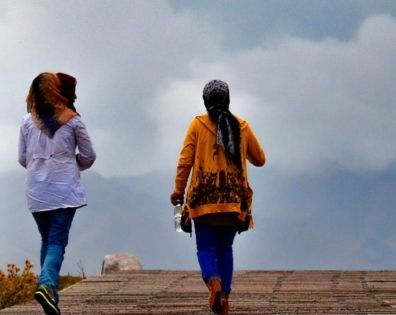
The Uyghur Girl by the Side of Sayram Lake
Gastronomic Charm: A Feast of Uyghur Cuisine
For foreign travelers, the fastest way to get to know an ethnic group is to taste their food. The culinary culture of the Uyghur people is indeed the essence of Xinjiang cuisine. Every morning, the East Gate Market in Kashgar becomes bustling. Uyghur vendors set up various breakfast stalls, and the fragrant roasted buns and steaming mutton soup instantly awaken the taste buds. Roasted buns have a crispy crust and are filled with fresh mutton and onions. When you take a bite, the juicy filling overflows. This is one of the Uyghur people’s favorite breakfasts and a delicacy that travelers must not miss.
At noon, a plate of colorful and flavorful pilaf takes center stage on the Uyghur dining table. This delicacy, slowly stewed with rice, mutton, carrots and onions, has crystal-clear rice grains, tender and juicy mutton, and the sweetness of carrots fully integrated into the rice. When visiting an Uyghur family, the host will serve pilaf in the largest plate, paired with cold mixed “pila hong” (a dish of tomatoes, green peppers and onions) and brick tea, warmly urging you to eat more. In addition, noodles, roasted whole lamb, nang pit meat, yogurt and other foods also have their own characteristics. Each dish embodies the Uyghur people’s respect for ingredients and love for life. Even the most common nang (a kind of flatbread) can be made into more than ten varieties by the Uyghur people, such as sesame nang, onion nang and spicy pepper nang. They are not only daily staples but also a unique culinary experience.
Cultural Treasures: Art and Folk Customs of the Uyghur People
The Uyghur people are born artists. Their cultural and artistic traditions are rich and colorful, forming a unique charm over a long history. Music and dance are indispensable parts of the Uyghur people’s lives. The Twelve Muqam, known as the “Pearl of Oriental Music”, is the essence of traditional Uyghur music. On festivals or festive occasions, the Uyghur people will play the dutar, tanbur and balaman. Accompanied by rhythmic music, people of all ages dance the Mazrap. This folk activity that combines dance, music and games has an extremely infectious joyful atmosphere. Foreign travelers are often invited to join in, experiencing that unrestrained happiness.
In terms of craftsmanship, the Uyghur people’s skills are truly remarkable. Around Id Kah Mosque in Kashgar, many Uyghur craftsmen set up their stalls, displaying exquisite Hetian jade carvings, colorful hand-woven carpets and uniquely patterned cotton embroidery. Each piece of work embodies their hard work and wisdom. Among them, the weaving technique of hand-woven carpets is the most famous. A delicate carpet often takes months or even years to complete. The patterns are mostly derived from natural scenery and ethnic totems, which not only have practical value but also can be called works of art. In addition, the Uyghur people’s copper making and wood carving techniques are also quite distinctive, making them the best choices for travelers to pick souvenirs.
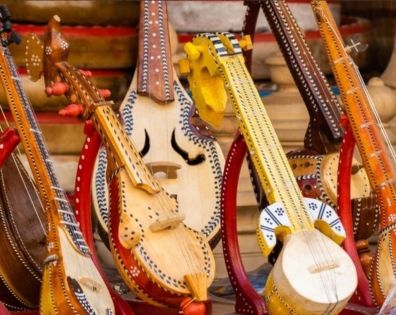
Traditional Instruments: Dombra and Rawap
Getting Along: Tips for Friendly Interaction with the Uyghur People
The Uyghur people are warm and hospitable, but respecting local customs and habits is a prerequisite for getting along with them friendly. For foreign travelers, the first thing to pay attention to is etiquette related to religious beliefs. When entering a mosque, you need to take off your shoes. Women should dress neatly and avoid wearing shorts or miniskirts. When talking with Uyghur friends, use polite words such as hello and thank you more often, and they will feel your sincerity.
In terms of photography, most Uyghur people are friendly, but it is better to ask for their permission first before taking photos, especially when photographing the elderly and children. This is not only polite but also a respect for others. If you are invited to an Uyghur family, you can take off your shoes before entering. When the host hands you food, you should take it with your right hand and not refuse it casually. You can properly praise the deliciousness of the food when tasting it, which will make the host very happy. In addition, the Uyghur people avoid passing items with the left hand. Avoid mentioning sensitive topics during conversations. These small details can make your trip to Xinjiang smoother and more enjoyable.
Xinjiang Memories Brought by the Uyghur People
When you leave Xinjiang, you may take away a delicate carpet and a bag of sweet badam, but what you will never forget is definitely the passion and smiles of the Uyghur people. With their cheerful personalities, exquisite skills and delicious food, they have built warm memories of Xinjiang for every traveler. Whether you are wandering in the streets and alleys of Kashgar Ancient City or daydreaming on the grasslands of Ili, the figures of the Uyghur people can always make you feel the vitality and vigor of this land. As inheritors and creators of Xinjiang culture, the Uyghur people have lit up this vast land with their lives and welcome travelers from all over the world to experience their unique charm. Next time you mention Xinjiang, what emerges in your mind will be not only the magnificent scenery but also the unforgettable warmth and touch brought by the Uyghur people.