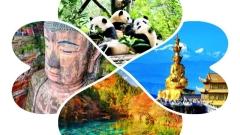

Planning a trip to Sichuan and wondering which attractions are most beloved by international travelers? This guide highlights the top must-see destinations—from the breathtaking Jiuzhaigou and Huanglong to the sacred Mount Emei, Leshan Giant Buddha, and the stunning landscapes of Daocheng Yading and Siguniang Mountain. You’ll also find practical transportation tips, the best travel seasons, and insider advice to help you explore Sichuan’s remarkable natural beauty and rich cultural heritage with ease.
Why Sichuan’s Top Tourist Attractions Attract Travelers from Around the World
When it comes to China’s most famous travel destinations, Sichuan consistently ranks high on international travelers’ lists. Located in southwestern China, Sichuan is a region of rich geographical diversity, encompassing snow-capped mountains, pristine lakes, lush forests, ancient temples, and historic towns. The appeal of Sichuan’s top tourist attractions lies in this contrast: from the crystal-clear lakes of Jiuzhaigou to the serene and sacred atmosphere of Mount Emei; from breathtaking highland landscapes to immersive experiences of Tibetan and Qiang cultures.
Sichuan is also the homeland of giant pandas, and its cuisine is globally renowned for its spicy, aromatic flavors. Nature lovers, cultural explorers, and food enthusiasts alike can all find something remarkable here. For international travelers, Sichuan offers the unique opportunity to experience China’s diverse landscapes and cultures in a single trip. Understanding Sichuan’s top tourist attractions can help visitors prioritize their itineraries and make the most of limited travel time.
Jiuzhaigou – A Paradise on Earth
At the top of Sichuan’s tourist attraction rankings, Jiuzhaigou is a must-visit. Known as a “paradise on earth,” this natural reserve is famous for its magical lakes, waterfalls, and vibrant forests. Throughout the year, Jiuzhaigou transforms into a living painting: spring brings lush greenery, while autumn showcases brilliant, colorful foliage.
The name Jiuzhaigou comes from the nine Tibetan villages scattered throughout the valley. Wooden walkways allow visitors to explore comfortably, linking the park’s most iconic sites such as Five Flower Lake, Mirror Lake, and Long Lake. Five Flower Lake is particularly mesmerizing, with its crystal-clear waters and submerged tree trunks, creating a surreal, otherworldly beauty.
Travel Tips: Visitors can fly from Chengdu to Jiuzhai Huanglong Airport and then drive approximately one hour to the park entrance. Given the park’s vast area, at least two days are recommended. Early morning light is ideal for photography, offering soft illumination over the lakes and waterfalls.
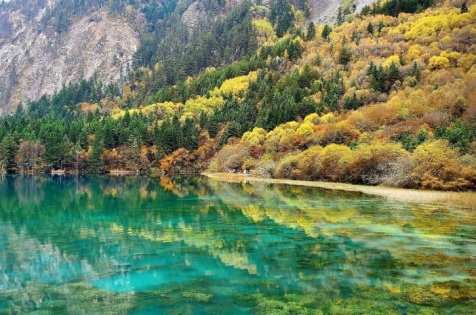
jiuzhai
Huanglong Scenic Area – A High-Altitude Wonderland of Colorful Pools
Adjacent to Jiuzhaigou, Huanglong Scenic Area is another breathtaking natural treasure. The area is famed for its terraced pools formed by limestone deposits, creating an astonishing palette of colors. Depending on the angle of sunlight, the pools shimmer in blue, green, or golden hues, like a divine rainbow cast upon the earth.
Huanglong sits at over 3,000 meters above sea level and experiences distinct seasonal changes. Summer brings vibrant greenery, while autumn turns the landscape golden, and winter transforms it into a snowy fairy tale. In addition to its colorful pools, Huanglong is home to pristine forests, snow-capped peaks, and temples. Walking along its wooden pathways, visitors enjoy fresh, crisp air and a profound sense of tranquility.
Tips: Due to the high altitude, it is recommended that international travelers acclimate in Jiuzhaigou or Chengdu before visiting Huanglong. Bring sunscreen, plenty of water, and ascend at a relaxed pace to avoid altitude sickness.
Siguniang Mountain – The Eastern Alps of China
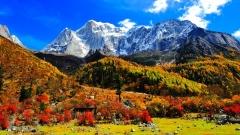
Siguniang Mountain, composed of four snow-covered peaks, is often called the “Eastern Alps.” It is a paradise for mountaineers and trekkers, as well as a photographer’s dream. The foothills feature a harmonious blend of meadows, streams, and forests, forming a naturally picturesque landscape.
In summer, the valleys are lush and dotted with grazing livestock, while Tibetan villages add cultural charm. In winter, the mountains are blanketed in snow, sparkling under sunlight and leaving visitors in awe. Beyond the main peaks, classic hiking routes include Changping Valley, Shuangqiao Valley, and Haizi Valley, catering to different levels of stamina and experience.
For international travelers, the appeal lies in experiencing both the highland scenery and Tibetan culture. Visitors can stay in local homestays, sip butter tea, taste barley cakes, and listen to Tibetan elders share traditional stories.
Transportation: From Chengdu, it takes around 5 to 6 hours by car to Xiaojin County, where access to the park begins.
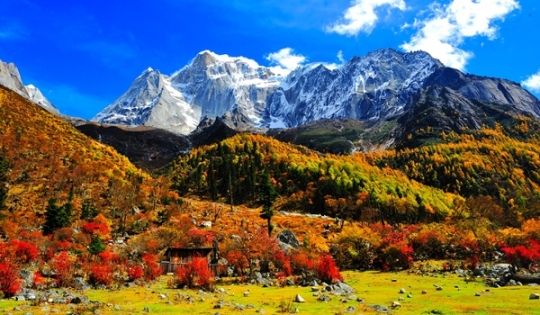
Siguniang Mountain
Mount Emei and Leshan Giant Buddha – A Blend of Nature and Buddhism
Mount Emei and the Leshan Giant Buddha represent the cultural heritage of Sichuan and are among China’s Four Sacred Buddhist Mountains. Mount Emei is famous for its lush forests and temple complexes enveloped in clouds and mist, offering a serene spiritual experience.
The most popular trail starts from Baoguo Temple, passing Wannian Temple and Qingyin Pavilion, eventually reaching the Golden Summit. On clear days, visitors can witness the sea of clouds and spectacular sunrise, and if lucky, the rare phenomenon of Buddha’s halo.
Nearby, the Leshan Giant Buddha is the world’s largest stone-carved seated Buddha. Standing 71 meters tall at the confluence of the Min and Dadu Rivers, it commands awe-inspiring presence. Tourists can admire it from observation decks or from a boat on the river, experiencing its grandeur from multiple perspectives.
Travel Tips: International visitors can take a high-speed train from Chengdu to Leshan (about one hour), then transfer to Mount Emei. A 2–3 day itinerary is ideal, with one day for hiking and one day for cultural exploration of the Buddha and ancient temples.
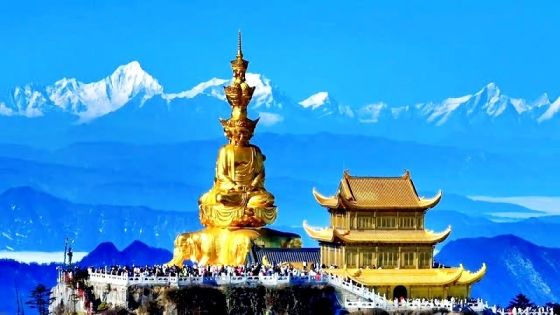
Mount Emei
Daocheng Yading and Danba Tibetan Villages – The Last Shangri-La
For travelers seeking off-the-beaten-path experiences, Daocheng Yading and Danba Tibetan Villages are the hidden gems in Sichuan’s rankings.
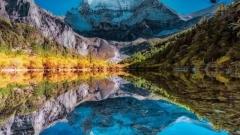
Daocheng Yading, in the Garzê Tibetan Autonomous Prefecture, is often called the “Last Shangri-La.” The three sacred mountains—Yangmaiyong, Xianuoduoji, and Shannodoji—glow with divine radiance under sunlight. Milk Lake and Five Color Lake are trekking highlights, with clear blue waters reflecting the surrounding snow-capped peaks.
Danba Tibetan Villages are renowned for their ancient watchtowers and traditional homes. Built along mountain slopes in tiers, the villages appear like living postcards, especially when peach blossoms bloom in spring. Visitors can stay with Tibetan families and immerse themselves in local customs and warm hospitality.
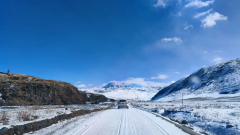
Tips: Daocheng Yading is at high altitude (over 4,000 meters). International travelers should prepare for altitude adaptation and ensure adequate rest. Though travel time is longer, the breathtaking landscapes of snow mountains and meadows make the journey worthwhile.
Planning Your Sichuan Itinerary
For a ten-day trip, here are suggested routes:
Classic Nature Route:
Chengdu → Jiuzhaigou (2 days) → Huanglong (1 day) → Siguniang Mountain (2 days) → Mount Emei & Leshan (2 days)
In-Depth Exploration Route:
Chengdu → Danba Tibetan Villages (2 days) → Daocheng Yading (3–4 days) → Return to Chengdu
Both routes allow international travelers to fully appreciate Sichuan’s natural and cultural beauty. A one-day stay in Chengdu is recommended to visit the Panda Base and explore Kuanzhai Alley, while sampling authentic Sichuan cuisine.
Travel Tips for Visiting Sichuan
Transportation: Chengdu serves as the main gateway, with an international airport and high-speed rail network connecting to major attractions.
Language & Guides: While most major attractions have English signage, hiring an English-speaking guide enriches understanding of the history and culture.
Cuisine: Sichuan cuisine is famous for its spiciness, but most restaurants can adjust the heat to suit foreign travelers.
Climate & Clothing: Highland areas experience significant temperature swings between day and night, so warm layers are essential. Sunscreen is recommended even in summer.
Cultural Etiquette: When visiting temples, dress modestly, avoid photographing monks, and respect Tibetan and other ethnic minority customs.
Sichuan is worth to go
The charm of Sichuan lies in its diversity and depth. Whether drawn by the shimmering lakes of Jiuzhaigou, the spiritual aura of Mount Emei, or the pristine solitude of Daocheng Yading, each destination in Sichuan’s top tourist attractions represents the pinnacle of China’s natural beauty and cultural heritage.
For international travelers, Sichuan is more than a trip—it’s a journey of dialogue with nature and encounters with ancient culture. From the bustling streets of Chengdu to the serene Tibetan highlands, every step offers a new layer of Chinese beauty.
When planning your next trip to Asia, consider putting Sichuan at the center of your map. Follow the rankings of Sichuan’s top tourist attractions, embark on this extraordinary journey blending mountains, water, and human heritage, and discover landscapes that go far beyond postcards, leaving an unforgettable impression for a lifetime.