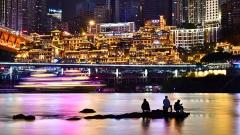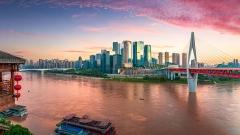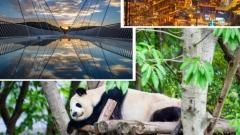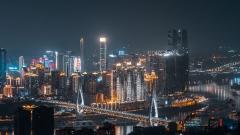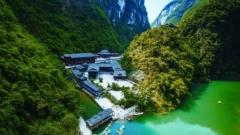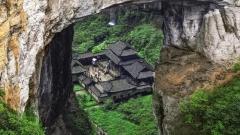

The Tujia ethnic group in Chongqing is a minority group that has lived in the mountainous areas of southeastern Chongqing for generations. Rooted along the green mountains and clear waters on both sides of the Wujiang River and Yujiang River, they have nurtured a unique folk culture. The stilted buildings built against mountains, the lively Hand-Waving Dance, the exquisite Xilankapu brocade, and the sour, spicy and savory Tujia cuisine together form a vivid picture of the ethnic group’s daily life. This guide focuses on the core tourist destinations, practical travel tips, immersive experience projects, and cost budget for exploring the Tujia ethnic group in Chongqing, helping tourists deeply feel the cultural charm of the Tujia people, avoid travel pitfalls, and create an authentic and fulfilling folk custom exploration journey.
Chongqing Tujia local specialties
- Stilted Buildings: Architectural Wisdom Integrated with Mountains and Rivers
Stilted buildings are the iconic dwellings of the Tujia people, mostly built on steep mountain slopes and cliffs. Adopting adaptive styles such as “half-stilted buildings” and “full-stilted buildings”, they use sturdy wooden pillars to support the suspended building structure. The lower floor is used for ventilation and storage, while the upper floor serves as living space, perfectly adapting to the humid and foggy mountain climate in southeastern Chongqing. In places like Youyang Gongtan Ancient Town and Pengshui Chiyou Jiuli City, clusters of stilted buildings are scattered in an orderly manner. The blue-tiled wooden walls blend harmoniously with the landscape, and the overhanging eaves fully embody the residential philosophy of “harmony between humans and nature”. When visiting, tourists can pay attention to the exquisite design of “zigzagging corridor-style stilted buildings” and experience the Tujia people’s architectural wisdom of adapting to nature.
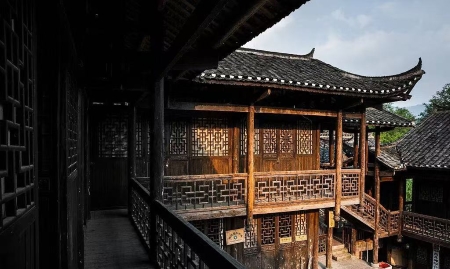
Tujia Stilted Buildings
- Hand-Waving Dance: A Carnival Feast of the Tujia People
Hand-Waving Dance is the most representative folk dance of the Tujia ethnic group, hailed as the “Oriental Disco” and a treasure of Tujia culture. The dance movements are simple and bold, mostly imitating scenes of production and daily life such as hunting, farming, and weaving. The synchronized movements of waving hands, bending waists, and kicking legs, accompanied by the rhythmic sound of gongs and drums and melodious folk songs, create a vibrant atmosphere. Every year from the third to the fifteenth day of the first lunar month, Tujia villages in southeastern Chongqing hold Hand-Waving Festivals. Men and women, dressed in festive costumes, gather in the Hand-Waving Hall to sing and dance all night long. Tourists can join in, follow the local rhythm, and enjoy an immersive experience of the lively festive atmosphere of the Tujia people.
- Intangible Cultural Heritage Crafts: A Millennium of Heritage Preserved in Fingertips
The Tujia ethnic group in Chongqing boasts a number of national-level intangible cultural heritage items, among which Xilankapu brocade weaving and Tujia silver jewelry forging are particularly renowned. Xilankapu, meaning “patterned bed cover”, is made from natural colored threads such as red, blue, and black. Using the unique “warp-threading and weft-cutting” weaving technique, it features patterns of flowers, birds, fish, insects, and auspicious motifs, with bright colors and exquisite designs. It is a must-have dowry for Tujia girls when they get married. At intangible cultural heritage workshops in places like Longshan Liye and Shizhu Huangshui, tourists can watch weavers demonstrating brocade weaving on-site, try their hand at simple weaving processes, and customize their own small Xilankapu pendants. Tujia silver jewelry, with hollowing and chiseling as the core techniques, includes bracelets, necklaces, and head ornaments with unique shapes, embodying the Tujia people’s yearning for a better life and serving as highly memorable travel souvenirs.
- Characteristic Cuisine: The Sour and Spicy Flavors of Bayu on the Tip of the Tongue
Tujia cuisine is characterized by its sour, spicy, fresh, and savory taste, using ingredients sourced from the mountains and rivers of southeastern Chongqing, and is full of strong rural charm. Bacon and sausage are traditional New Year foods of the Tujia people, smoked with cypress branches, resulting in firm meat texture and rich aroma. Stir-fried with garlic sprouts, they make an authentic and appetizing dish. Youcha Soup (Oil Tea Soup) is a special breakfast of the Tujia people. Made by boiling tea leaves, ginger, sesame seeds, and other ingredients into a thick soup, it is served with popped rice and fried soybeans, warming the stomach and relieving greasiness. In addition, delicacies such as Wujiang Fish, She Fan (Sacrificial Rice), and He Zha (Soybean Mash with Vegetables) are not to be missed. Wujiang Fish, with tender meat stewed with pickled peppers, is sour, spicy, and appetizing. She Fan is fried with glutinous rice, bacon, and wormwood, emitting a rich fragrance, and is a traditional food for the Tujia people to worship the god of the land and grain. He Zha is cooked with soybean milk and green vegetables, boasting a smooth texture and rich nutrition.
Must-Visit Experience Destinations: Balancing Sightseeing and Experiences
- Youyang Gongtan Ancient Town: A Millennium-Old Town on the Banks of the Wujiang River
Recommended Reasons: Located at the confluence of the Wujiang River and Apengjiang River, Gongtan Ancient Town has a history of over 1,700 years and is one of the best-preserved Tujia ancient towns in Chongqing. The clusters of stilted buildings in the town are built along the Wujiang River, with winding bluestone paths and well-preserved ancient buildings from the Ming and Qing dynasties. It is hailed as the “core scenic spot of the Wujiang Gallery”.
Featured Experiences: Take a Wujiang River cruise to admire the beautiful scenery where the majestic peaks on both sides of the river and the ancient town complement each other; learn Xilankapu weaving at the intangible cultural heritage experience hall in the town; stay in a stilted building homestay at night, listen to the sound of the Wujiang River flowing outside the window, and enjoy the quiet night of the ancient town.
Travel Tips: The entrance fee to the ancient town is about 20 CNY per person, and the Wujiang River cruise ticket is about 120 CNY per person. It is recommended to avoid visiting during holidays to steer clear of crowds. Snacks such as bacon and glutinous rice cakes in the ancient town can be tasted in moderation, and attention should be paid to price checks to avoid overcharging.
- Pengshui Chiyou Jiuli City: Exploring the Roots of Ethnic Culture
Recommended Reasons: Chiyou Jiuli City is a large-scale folk custom scenic spot integrating Miao and Tujia cultures. With Chiyou culture as its core, it houses magnificent buildings such as the Jiuli Palace, Chiyou Hall, and Miao Ethnic Museum. The large-scale cluster of stilted buildings in the scenic spot is one of the largest stilted building complexes in China.
Featured Experiences: Watch the large-scale live performance Ancestor Miao · Chiyou to experience the mysterious culture of ancient tribes; participate in the interactive Hand-Waving Dance activities in the scenic spot and dance with local people; climb to the top floor of the Jiuli Palace to overlook the entire scenic spot and the panoramic view of Pengshui County.
Travel Tips: The entrance fee to the scenic spot is about 90 CNY per person, and the performance ticket needs to be purchased separately at around 180 CNY per person. The scenic area is large, so it is recommended to wear comfortable sports shoes. Sunscreen measures should be taken when visiting in summer. As there are many trees in the scenic spot, mosquito repellent can be carried.
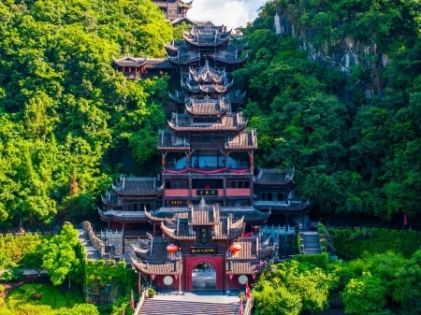
Pengshui Chiyou Jiuli City
- Shizhu Huangshui National Forest Park: The Integration of Folk Customs and Nature
Recommended Reasons: Located in Shizhu Tujia Autonomous County, Huangshui National Forest Park has a forest coverage rate of over 90%. With an average summer temperature of only 21℃, it is a famous summer resort in Chongqing. The park not only features dense forests, clear streams, and spectacular waterfalls but also is dotted with several Tujia villages, rich in folk customs.
Featured Experiences: Walk along the Youcao River Grand Canyon to admire the beautiful scenery of waterfalls, flowing springs, and primeval forests; participate in bonfire parties in Tujia villages in Huangshui Town and taste roast whole lamb and Youcha Soup; visit in autumn to pick wild kiwifruits and experience the joy of harvest.
Travel Tips: The entrance to the park is free, while some attractions require separate tickets. It is recommended to travel by self-driving, as public transportation in the scenic area is inconvenient. Summer is the peak tourist season, so homestays need to be booked 1-2 weeks in advance.
- Xiushan Hong’an Ancient Town: A Border Town Where One Step Covers Three Provinces
Recommended Reasons: Located at the junction of Chongqing, Hunan, and Guizhou provinces, Hong’an Ancient Town is known as “a place where one step covers three provinces” and is the prototype of the border town described in Shen Congwen’s Border Town. The buildings in the town integrate Tujia, Miao, and Han architectural styles, with the Qingshui River flowing through the town, boasting beautiful scenery and simple folk customs.
Featured Experiences: Take the Lala Ferry to experience the ancient river-crossing method; visit the Border Town Museum to learn about the history and culture of the ancient town; taste Hong’an’s characteristic delicacy “One Pot Boils Three Provinces”, which combines Chongqing’s bacon, Hunan’s tofu, and Guizhou’s pickled vegetables, offering a unique flavor.
Travel Tips: The entrance to the ancient town is free, and the Lala Ferry ticket is about 1 CNY per person. It is recommended to stay for one night to experience the unique customs of the border town where three provinces meet. The price of homestays in the ancient town is affordable, about 100 CNY per night, allowing you to experience the quiet life of the border town.
Practical Transportation Guide: A Smooth Folk Custom Tour
Transportation to Southeastern Chongqing
– Train: Major railway stations in southeastern Chongqing include Youyang Station, Pengshui Station, and Xiushan Station, all of which have trains departing from Chongqing North Station and Chongqing West Station, with a travel time of about 2-4 hours. For example, the high-speed train from Chongqing North Station to Youyang Station takes about 2 hours, with a ticket price of about 100 CNY per person; the train to Xiushan Station takes about 3 hours, with a ticket price of about 50 CNY per person. Train travel is cost-effective and suitable for tourists on a limited budget.
– Long-Distance Bus: Long-distance buses to various districts and counties in southeastern Chongqing depart from transportation hubs such as Sigongli Transport Hub and Longtousi Bus Station in downtown Chongqing, with a travel time of about 3-5 hours and a ticket price of about 80-150 CNY per person. Long-distance buses operate frequent services, suitable for traveling to towns without railway access.
– Self-Driving: Self-driving is the best way to travel around southeastern Chongqing, allowing flexible itinerary arrangements and the chance to admire the landscape along the way. Departing from downtown Chongqing, you can reach places like Youyang and Pengshui via Baomao Expressway and Shanghai-Chongqing Expressway, with a total travel time of about 3-4 hours and toll fees of about 150 CNY. When self-driving, attention should be paid to the winding and steep mountain roads, and careful driving is advised. It is recommended to check the vehicle condition in advance.
Internal Transportation in Southeastern Chongqing
– Inter-District/County Transportation: Long-distance buses operate between districts and counties in southeastern Chongqing. For example, the bus from Youyang to Pengshui takes about 2 hours, with a ticket price of about 50 CNY per person; the bus from Xiushan to Shizhu takes about 3 hours, with a ticket price of about 80 CNY per person. Some routes have limited schedules, so it is recommended to check the timetable in advance.
– Internal Scenic Area Transportation: Most scenic areas have sightseeing buses. For example, the sightseeing bus ticket in Chiyou Jiuli City is about 10 CNY per person, and that in Gongtan Ancient Town is about 5 CNY per person, which can save physical strength. Some remote villages have no public transportation, so chartered cars are an option, with a cost of about 200-300 CNY per day, suitable for group travel to share the expenses.
Transportation Notes
Southeastern Chongqing is mostly mountainous. During the rainy season (June-August), geological disasters such as landslides and debris flows are likely to occur, so it is recommended to avoid traveling during this period. If traveling in the rainy season, pay close attention to weather forecasts and road conditions in advance and avoid going to dangerous areas.
The schedules of long-distance buses and trains may be adjusted according to the season, so it is recommended to check via the 12306 official website or bus station official websites in advance to avoid delaying the trip.
Self-driving tourists should pay attention to speed limit signs in mountainous areas; some sections have a speed limit of 40 km/h, so speeding should be avoided. When parking, choose regular parking lots and do not park randomly by the roadside.
Clothing Suggestions: Comfortable and Suitable for the Climate and Scenarios
Basic Clothing Principles
– Layered Dressing: The temperature difference between day and night in the mountainous areas of southeastern Chongqing is significant, so it is recommended to adopt a “inner layer + middle layer + outer layer” dressing method. The inner layer should be quick-drying clothes and pants for sweat wicking; the middle layer can be a thin sweater or hoodie for warmth; the outer layer should be a windproof and waterproof jacket or coat to cope with changeable weather. For example, in summer, you can wear short sleeves with a thin jacket during the day and add a hoodie at night; in autumn, you can wear long sleeves, a sweater, and a jacket, adding or removing layers according to the temperature.
– Shoe Selection: Southeastern Chongqing has many mountain roads and bluestone paths, so it is recommended to wear non-slip and wear-resistant hiking shoes or sports shoes, avoiding high heels or leather shoes to prevent slipping and spraining. Comfortable shoes allow you to integrate more freely into activities such as Hand-Waving Dance and bonfire parties.
Scenario-Based Clothing Notes
– Folk Custom Experience Scenarios: When participating in activities such as Hand-Waving Dance and bonfire parties, you can wear brightly colored clothes to match the lively atmosphere. If you want to take beautiful photos, you can match them with ethnic-style accessories such as silver bracelets and embroidered headscarves to enhance the sense of atmosphere in the photos.
– Natural Scenic Area Tour Scenarios: When visiting scenic spots such as forest parks and grand canyons, it is recommended to wear dark-colored clothes to avoid mosquito bites. When traveling in summer, wear long-sleeved sun protection clothing, paired with a sun hat and sunglasses for sun protection. When traveling in winter, wear warm down jackets or cotton-padded clothes, paired with scarves and gloves to resist the low temperature in the mountains.
Essential Accessories
– Sun Protection Products: The ultraviolet rays in southeastern Chongqing are strong in summer, so sunscreen (SPF50+), a sun hat, and sunglasses are essential. Although the temperature is lower in autumn, the ultraviolet rays are still strong, so sun protection cannot be ignored.
– Rain Gear: Southeastern Chongqing has frequent rainfall, so it is recommended to carry a foldable umbrella or disposable raincoat for easy carrying. Self-driving tourists can prepare a car umbrella to cope with sudden rainfall.
– Other Accessories: Carry a lightweight backpack to store items such as mobile phones, cameras, and water cups. When participating in intangible cultural heritage experiences, you can bring a small notebook to record interesting cultural knowledge.
Cost Budget: A Cost-Effective Folk Custom Tour
Transportation Costs
– Round-Trip Long-Distance Transportation: Taking downtown Chongqing as the departure point, the round-trip high-speed train ticket is about 200 CNY per person; the round-trip long-distance bus ticket is about 200 CNY per person; the round-trip toll fee for self-driving is about 300 CNY, and the fuel cost is about 400 CNY, suitable for sharing among 4 people, with a per capita cost of about 175 CNY.
– Local and Inter-Area Transportation: Long-distance bus fares between districts and counties are about 150 CNY per person; scenic area sightseeing bus fares are about 50 CNY per person; chartered car costs are about 200 CNY per day, totaling about 800 CNY for 4 days, with a per capita cost of about 200 CNY when shared among 4 people.
– Total Transportation Costs: About 350 CNY per person for high-speed train travel; about 375 CNY per person for self-driving; about 350 CNY per person for long-distance bus travel.
Accommodation Costs
– Budget Accommodation: Choosing youth hostels or ordinary homestays, the price is about 100-150 CNY per night, totaling about 400-600 CNY per person for 4 nights. For example, a bed in a youth hostel in Gongtan Ancient Town is about 50 CNY per night, and a standard double room is about 100 CNY per night.
– Mid-Range Accommodation: Choosing characteristic homestays or budget hotels, the price is about 200-300 CNY per night, totaling about 800-1200 CNY per person for 4 nights. For example, homestays near Chiyou Jiuli City are about 200 CNY per night, with complete facilities and a beautiful environment.
– Total Accommodation Costs: About 400-600 CNY per person for budget options; about 800-1200 CNY per person for mid-range options.
Ticket and Experience Costs
– Scenic Area Tickets: Gongtan Ancient Town (20 CNY/person), Chiyou Jiuli City (90 CNY/person), Huangshui National Forest Park (free), Hong’an Ancient Town (free), totaling about 110 CNY per person. If watching the performance Ancestor Miao · Chiyou, the ticket price is about 180 CNY per person, which can be chosen according to needs.
– Experience Project Costs: Xilankapu weaving experience (about 50 CNY/person), Hand-Waving Dance interaction (free), Lala Ferry (1 CNY/person), totaling about 51 CNY per person.
– Total Ticket and Experience Costs: About 161 CNY per person for basic sightseeing; about 341 CNY per person including the performance.
Catering Costs
Catering prices in southeastern Chongqing are affordable. Breakfast is about 10 CNY per person (Youcha Soup, glutinous rice cakes, etc.), lunch is about 30 CNY per person (stir-fried bacon, Wujiang Fish, etc.), and dinner is about 40 CNY per person (Tujia He Zha, roast whole lamb, etc.), totaling about 400 CNY per person for 5 days.
The cost of characteristic snacks: snacks such as glutinous rice cakes and rice tofu in ancient towns are about 20 CNY per person per day, totaling about 100 CNY per person for 5 days.
Total Catering Costs: About 500 CNY per person.
Whether walking through the layered clusters of stilted buildings to experience architectural wisdom, joining the Hand-Waving Dance in the square to feel the hospitality of the Tujia people, or touching the millennium-old patterns on Xilankapu brocade with your own hands, this cultural tour of the Tujia ethnic group in Chongqing will present you with the most vivid cultural picture of the Bayu region. China Dragon Travel specializes in providing in-depth and authentic ethnic cultural experience packages. We can customize exclusive itineraries according to your needs, from visiting intangible cultural heritage inheritors to participating in festive activities, helping you immerse yourself in the life aesthetics and cultural heritage of the Tujia people in the most comfortable way.