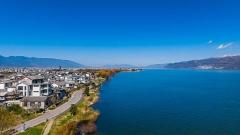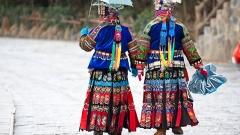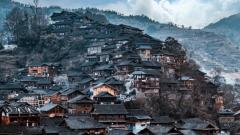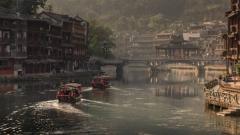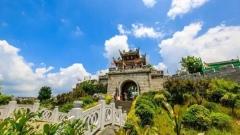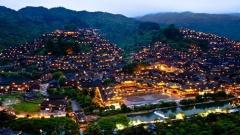

Guizhou is southwestern city in China, full of diverse ethnic cultures and stunning natural scenery. It has the well-known Huangguoshu Waterfall, and cultural landscapes such as Jiangqianhu Miao Village. The lights of thousands of homes, mountains and rivers here all tell a unique story of the integration of nature and culture. For travelers who choose to travel independently, Guizhou is full of the joy and challenges of independent exploration. This article will take you to learn about the classic and secret scenic spots in Guizhou, plan reasonable transportation routes, recommend authentic cuisine and accommodation, and help you weave an unforgettable Guizhou Guizhou journey.
Best Seasons for Guizhou Independent Travel
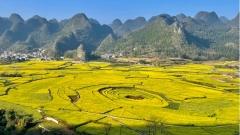
- Spring (March–May): Mild climate, revival of all things. Rapeseed flowers and azaleas bloom in succession, particularly in the terraced fields and Wanfenglin of southeastern Guizhou. During this time, there are relatively fewer tourists, and accommodation prices are affordable.
- Summer (June–August): The peak tourist season in Guizhou. With abundant water, scenic water features like Huangguoshu Waterfall and Libo Small Seven-Arch Bridge are most spectacular. The mountainous areas offer cool weather, making it an ideal summer retreat. However, it is also the rainy season, and heavy rains may temporarily close some attractions. Tourist numbers are high, and accommodation and transportation costs rise, so advance booking is necessary.
- Autumn (September–November): The best season for travel, with reduced rainfall, mostly sunny days, clear views, and magnificent scenery. This period also features a concentration of ethnic festivals and activities.
- Winter (December–February): The off-season with fewer tourists and the lowest accommodation prices. Winter is an excellent time to experience the tranquility of ancient towns and village life. Note that mountainous areas can be cold, and some high-altitude attractions may close due to ice.
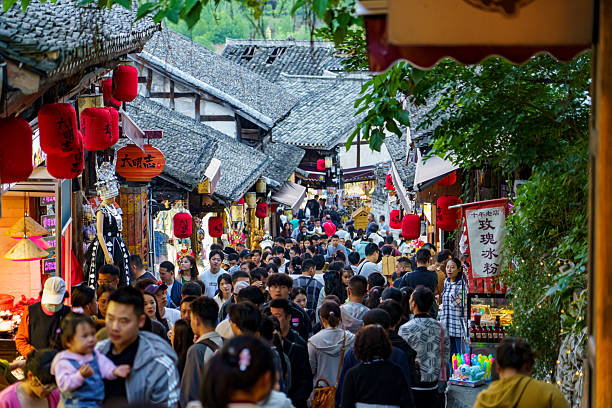
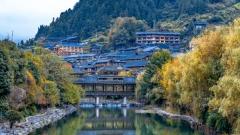
Qianling Ancient Town, Guizhou China
Guizhou Independent Travel Itinerary
This route focuses on Guizhou’s most famous natural landscapes, arranged over a week to provide an in-depth experience of Guizhou’s natural scenery.
- Day 1: Arrive in Guiyang in the morning, check into a hotel for rest, and then try local specialties. In the afternoon, visit Qianling Mountain Park and Hongfu Temple. In the evening, explore the Erqi Road Snack Street.
- Day 2: Focus on Huangguoshu Waterfall. Take a tourist shuttle (approx. 2 hours) to experience the beauty of Silver Chain Waterfall and Water Curtain Cave.
- Day 3: Head to Libo Small Seven-Arch Bridge. Visit Wolong Pond, Mandarin Duck Lake, Cuigu Waterfall, Water Forest, Sixty-Eight Tiered Waterfalls, and the Small Seven-Arch Ancient Bridge. The entire journey takes about 5–6 hours on foot and by sightseeing vehicle.
- Day 4: Visit Xijiang Miao Village. Explore the museum, wind-and-rain bridges, stroll through ancient Miao streets, enjoy ethnic performances, shop for souvenirs, and try local food.
- Day 5: Travel to Zhenyuan Ancient Town (approx. 2 hours by bus). This town is filled with ancient Ming and Qing architecture, and you can taste local specialties like Zhenyuan Dao Cai Braised Pork and Tofu Fish Grill.
- Day 6: Head to Fanjing Mountain. Pass through fields, mountain streams, and scattered villages along the way, experiencing terraced field views unseen in cities.
- Day 7: Depending on your return flight or high-speed train schedule, flexibly arrange activities near your hotel, such as trying snacks or visiting cultural attractions.
Must-Visit Attractions for Guizhou Independent Travel
Natural Wonders
- Huangguoshu Waterfall Cluster: Not just the main waterfall, the Silver Chain Waterfall in the lower section of Tianxing Bridge Scenic Area is exquisite and less crowded, making it worth exploring.
- Libo Small Seven-Arch Bridge: Known as the “Super Bonsai.” Rowing through the water maze of Mandarin Duck Lake and admiring the gem-like blue-green waters of Wolong Pond make it a paradise for photography enthusiasts.
- Fanjing Mountain: A UNESCO World Natural Heritage site. Climbing Red Cloud Golden Summit or Old Golden Summit requires physical strength and courage, but the mushroom stone formations and sea of clouds at the summit are awe-inspiring. Pay attention to the weather, as rain and fog can affect the experience.
- Wanfenglin: Best explored by cycling or hiking. Dive into the Nahui Buyi Village to experience the perfect blend of peaks, fields, and villages. The rapeseed flowers in spring and rice fields in autumn offer stunning views.
- Maling River Gorge: Featuring clusters of waterfalls, you can walk along the plank road or experience thrilling gorge rafting (in summer).
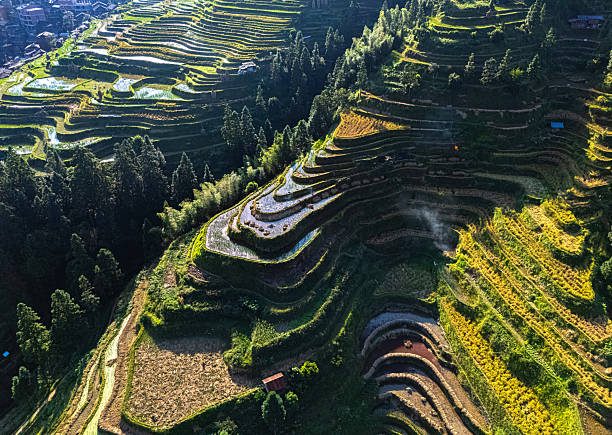
Jiabang Rice Terraces in the Congjiang County, Guizhou
Ethnic Culture and Ancient Towns
- Xijiang Thousand Households Miao Village: A blend of commercialization and authenticity. To avoid crowds, take an early morning stroll through the alleys or explore non-core areas on the hillsides to interact with locals.
- Zhaoxing Dong Village: Quieter than Xijiang. Beyond the drum towers, the morningsmokes and evening scenes of locals chatting in the drum towers are full of life. The Tangan Terraced Fields hiking trail is a highlight.
- Zhenyuan Ancient Town: A historic “Landscape Tai Chi Ancient Town.” Don’t just stick to the main street—venture into the bluestone alleys like Sifangjing Lane and Fuxing Lane to discover the beauty of ancient courtyard houses.
- Qingyan Ancient Town: The closest ancient town to Guiyang, once an important military stronghold during the Ming and Qing dynasties. Climb a section of the ancient city wall and try the braised pig’s trotters for a relaxing half-day trip.
- Maolan Karst Forest Nature Reserve: Hire a local guide for a funnel forest hike or visit Yao and Shui villages to experience trueprimitive ecology.
Guizhou Independent Travel Food and Accommodation Recommendations
Local Guizhou Cuisine
Guizhou cuisine is not only delicious but also an excellent way to experience the region’s rich cultural flavors. Upon arrival, we recommend trying the following local dishes:
- Sour Fish Soup: Sour, spicy, and fragrant—perfect with rice. For the authentic version, head to Kaili.
- Spicy Chicken: Fragrant, spicy, and crispy, with a flavor distinct from Sichuan and Chongqing styles.
- Steamed Sweat Chicken: Cooked in a special steam pot, preserving its original flavor and producing a delicious broth.
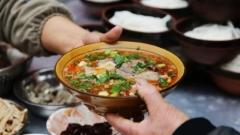
- Intestine and Blood Noodles: Featuring bright red oil, tender blood curd, andcrispy large intestine.
- Silk Doll: A variety of vegetarian shreds wrapped in thin pancakes, drizzled with a sour and spicy sauce—refreshing and unique.
- Huaxi Beef Noodles: Rich broth with tender, fragrant beef.
- Qingyan Braised Pig’s Trotters: Soft, chewy, and served with chili dip, paired with rose ice jelly to balance the richness.
- Colorful Glutinous Rice: A festive ethnic dish, vibrant in color anddelicious.
You can try these specialties at Guiyang’s Erqi Road, Qingyun Road, ancient town streets, and local eateries near communities.
Guizhou Accommodations
- City Accommodations: We recommend staying nearhigh-speed railways stations, bus terminals, or downtown commercial areas for convenient transportation and dining. Options range from international chain hotels to budget-friendly chained
- Ancient Town/Village Accommodations: Staying here offers an immersive experience and easy access to morning and evening views.
- Towns Near Attractions: Often more affordable than staying within attractions, with more dining options. Choose locations with convenient transportation links.
Some accommodations may be located on hillsides or deep in alleys, requiring luggage carrying on foot. Sound insulation may be poor, and humidity can be slightly high. We recommend checking recent online reviews in advance and choosing accommodations that best suit your preferences. Note: Book early during peak seasons.
Q&A for Guizhou Independent Travel
Q1: Is Guizhou safe for travel?
Guizhou has many mountainous roads with numerous curves and steep sections. Those with experience driving in mountainous areas may choose to self-drive but should always monitor weather and road conditions. If unfamiliar with the roads, consider hiring a car or using public transportation.
Q2: Which attractions in Guizhou require advance booking? How to book?
Popular attractions like Huangguoshu Waterfall, Libo Small Seven-Arch Bridge, Fanjing Mountain, and Xijiang Thousand Households Miao Village require Real name reservation. Book via the WeChat mini-program “One Code Travel Guizhou” or the official platforms of each attraction. We recommend booking 3–7 days in advance, or even earlier during peak seasons.
Q3: What is the weather like in Guizhou? What should I wear?
Guizhou has a humid climate with significant temperature differences between day and night in mountainous areas. Summers are cool, while winters are chilly and damp. Always carry rain gear and non-slip shoes. Even in summer, bring a light jacket.
Q4: Is travelling in Guizhou independently expensive?
Guizhou’s overall consumption is moderate, with tickets and transportation being major expenses. There are ample options for catering and accommodation, ranging from budget to luxury. We recommend budgeting approximately 300–600 RMB per person per day.
Guizhou independent travel is both a test of self-exploration and a baptism of nature and culture. It requires thorough preparation but also encourages discovering unexpected beauty along the way. The charm of this land lies in its layered peaks and diverse cultures, where every turn may reveal a completely different scenery. With this guide in hand and a heart full of curiosity and respect, set off on your journey! Guizhou’s landscapes and people will undoubtedly add a vivid chapter to your travel tales.