








Guizhou Tours's common questions
Here are some common questions about Guizhou Tours, hope it can help you
Foreign tourists traveling to Guizhou often face unclear visa rules, difficult budget planning, inconvenient transport connections and language barriers. This article addresses 13 common questions: visa requirements, flight and high-speed rail choices, seasonal climate features, major attraction tickets, daily budget, accommodation area comparison, local food and spiciness options, pre-trip essentials, Mandarin usage in scenic spots, tour routes for scattered attractions, rainy season tips, and the pros and cons of independent travel and group tours. After reading, you will fully grasp key pre-trip information and reduce travel uncertainties.
How to Apply for a Guizhou Travel Visa?
Visa is the most important pre-trip item. At present, citizens of 54 countries can apply for a 240-hour transit visa-free at Guiyang Longdongbao Airport port and stay in Guizhou for 10 days. This visa-free policy is mainly for passengers transiting to a third country. If Guizhou is the sole destination, you need to apply for a tourist visa in advance.
- Applicable to citizens of 54 countries, stay for 10 days.
- Valid passport and air ticket to a third country within 10 days are required.
- Activity scope is limited to Guizhou Province.
- For pure tourism purposes and if you do not meet the transit conditions, you must apply for a tourist visa in advance.
Inbound tour groups in the off-season can enjoy a 50% discount on tickets. It is recommended to confirm the latest policies with the embassy in your country before departure.
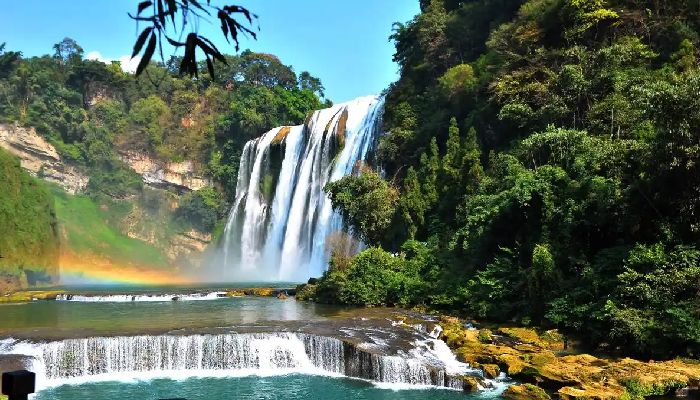
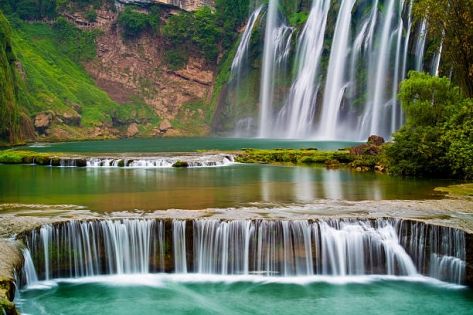
Huangguoshu Waterfall in Guizhou
How to Choose Between Air and Rail for Guizhou Travel?
Air travel is the first choice for long-distance trips. Guiyang Longdongbao Airport is the main hub, 11 kilometers away from the city center, connecting major cities in China, Hong Kong, Macao and Bangkok. The airport has a high-speed rail station for transfers to Anshun, Kaili, Tongren and other places.
- Foreign tourists can first fly to Beijing, Shanghai, Guangzhou, Chengdu, then transfer by flight or high-speed rail to Guizhou.
- The high-speed rail station at Guiyang Airport goes directly to many tourist cities.
- The high-speed rail from Guangzhou South Station to Guiyang North Station takes about 5.5 hours.
There are direct flights from Hong Kong to Guiyang (about 2 hours), or transfer via Guangzhou by high-speed rail (6-8 hours). Guiyang is connected by high-speed rail to Beijing, Shanghai, Shenzhen, Chongqing, Chengdu, Kunming, Nanjing, Suzhou, Hong Kong and other cities.
What Is the Best Season for Guizhou Travel?
Guizhou has a mild climate with an annual average temperature of 15°C, suitable for travel all year round.
- Spring (March-May): 10-20°C, occasional light rain. Best viewing period for Baili Azalea Scenic Area and Gui’an Cherry Garden.
- Summer (June-August): about 25°C, a summer resort. The water volume of waterfalls is the largest, but it is the peak season, so reservations are required in advance.
- Autumn (September-November): the most stable weather, suitable for Jiabang Terraced Fields. Fewer tourists, the best experience.
- Winter (December-February): 3-8°C. 50% discount on off-season tickets, few tourists, high cost performance.
Spring and autumn are the most comfortable, summer is great for escaping the heat, and winter is the most economical.
What Are the Must-Visit Attractions in Guizhou and How Much Are the Tickets?
Reference ticket prices for major attractions:
- Huangguoshu Waterfall: 160 CNY (sightseeing bus 50 CNY, escalator one-way 30 CNY, round-trip 50 CNY).
- Libo Seven Small Arches: 120 CNY (sightseeing bus 40 CNY).
- Xijiang Thousand Households Miao Village: 90 CNY (sightseeing bus 20 CNY).
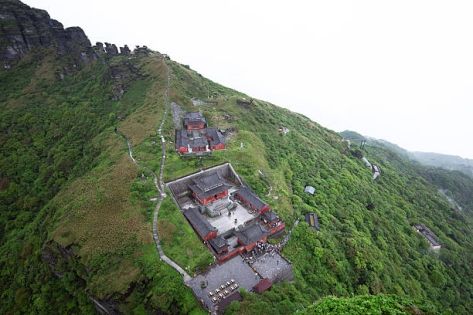
- Fanjingshan Mountain: 100 CNY (cable car round-trip 140 CNY).
- Zhenyuan Ancient Town: free, small attractions charge separately.
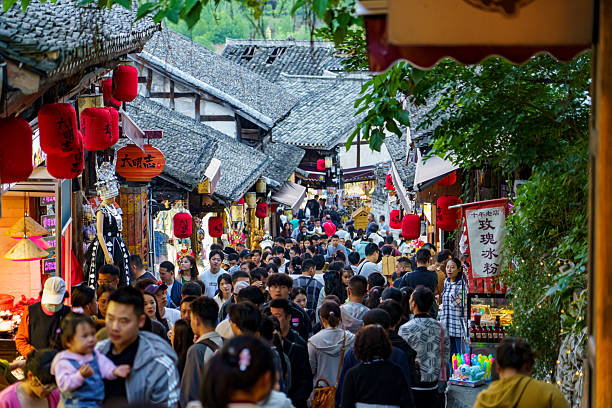
- Qingyan Ancient Town: 10 CNY (through ticket 60 CNY).
Guizhou implements a “multi-day one-ticket system”. Students, the elderly and military personnel enjoy discounts with certificates, and people over 65 years old are free of charge. Real-name reservations are required in advance during the peak season.
What Is the Approximate Daily Budget for Guizhou Travel?
The budget depends on the standard:
- Economy: 450-700 CNY per day (train, bus, budget accommodation).
- Comfort: 700-1000 CNY per day (high-speed rail, carpool, mid-range hotel).
- Luxury: more than 1000 CNY per day (flight, chartered car, high-end hotel).
Group tour reference: economy private tour 1000-1200 CNY per person, comfort quality tour 1500-1900 CNY per person, luxury custom tour 2000-2800 CNY per person. Transportation accounts for a large proportion, and accommodation prices may double in peak season. It is recommended to reserve a flexible budget.
How to Choose Accommodation Areas for Guizhou Travel?
Recommendations for each area:
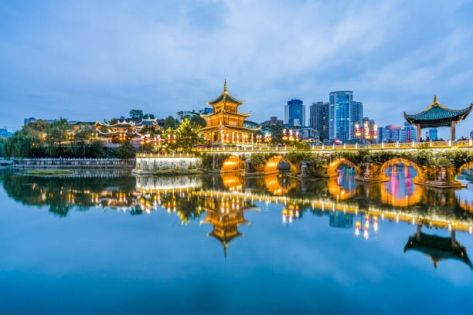
- Guiyang: Yunyan District/Nanming District (near Jiaxiu Tower and Qianlingshan Mountain); Guanshanhu District for high-speed rail travelers.
- Huangguoshu: Huangguoshu Town, walking distance to the scenic spot, book in advance during peak season.
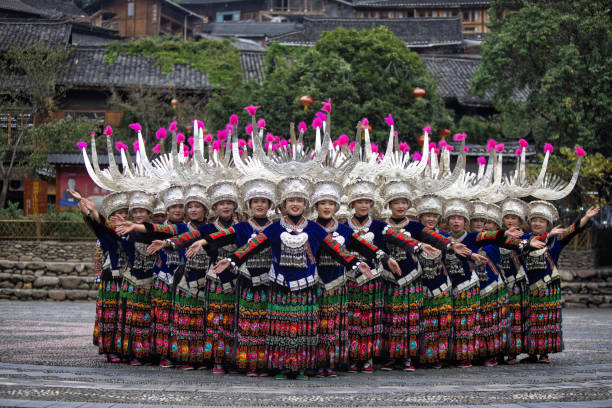
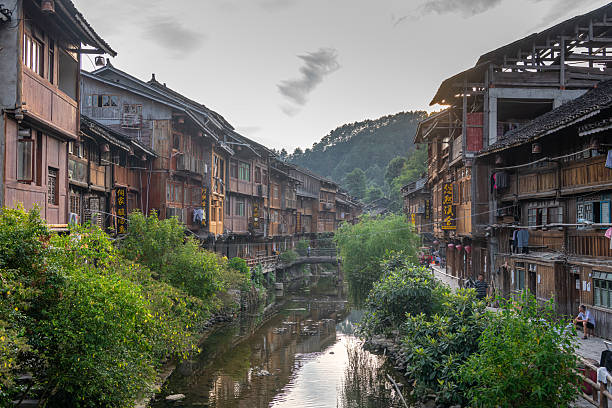
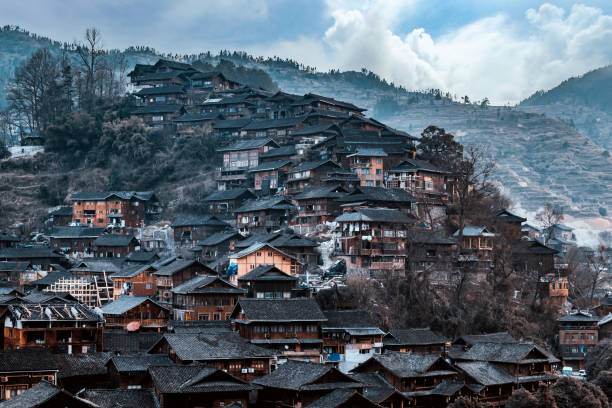
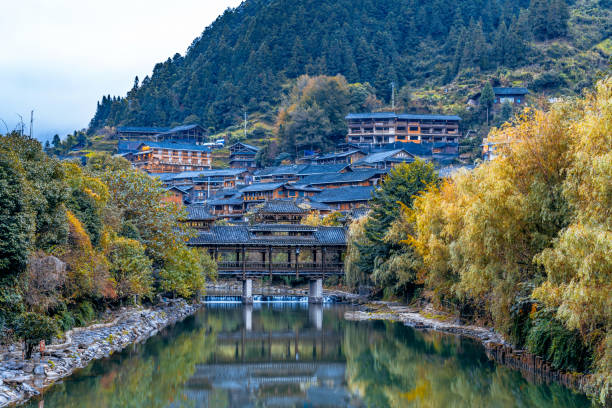
- Xijiang Miao Village: stay in the village for night views, but there are many stone roads, do not drag suitcases; accommodation in Kaili urban area is good but lacks atmosphere.
- Libo: many choices in the county; or stay at the east gate of Seven Small Arches.
- Zhenyuan: inns on both sides of Wuyang River are the best.
- Fanjingshan: Jiangkou County or the foot of the mountain.
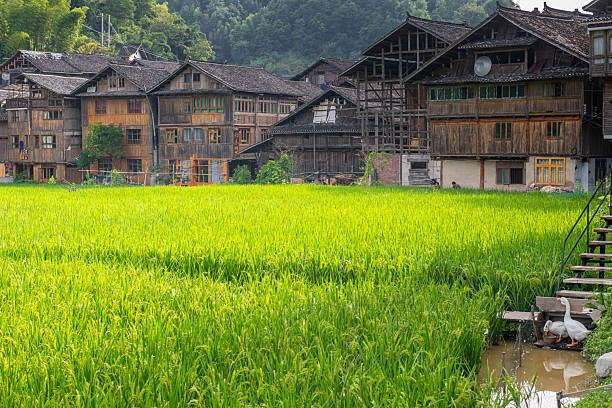
- Danzhai, Taijiang: Miao village homestays to experience local life.
Five-star hotels cost 300-500 CNY per night in the off-season, prices rise in peak season, book in advance to save money.

Night View of Xijiang Thousand Households Miao Village
What Are the Special Cuisines of Guizhou Travel and How to Deal with Spiciness?
Guizhou cuisine is mainly sour and spicy, representative dishes:
- Kaili Sour Soup Fish: fish cooked in tomato fermented sour soup.
- Qingyan Zhuangyuan Hoof: braised and soft.
- Guiyang Spicy Chicken: spicy and slightly sweet.
- Huaxi Beef Rice Noodles: with crispy pork.
- Changwang Noodles: pork intestines and blood curd.
- Silk Baby: thin pancakes rolled with side dishes.
The per capita cost is 30-50 CNY. Cordate houttuynia is added by default, you can ask not to add it if you are not used to it. If you cannot eat spicy food, you can ask for “less spicy”or “no spicy”.
How About the Safety of Guizhou Travel? Is Solo Travel Feasible?
Guizhou is safe for travel, with mature development and simple folk customs. However, it is mountainous with complex road conditions.
- Self-driving: many curves and tunnels in mountainous areas, risk of landslides in rainy season, cautious for novice drivers.
- Hiking: do not enter undeveloped areas, pay attention to geological disasters in rainy season.
- Belongings: public security is good in main tourist spots, but you still need to take care of your belongings.
Solo travel is feasible, it is recommended to go in groups or hire a guide in remote mountainous areas.
What Essential Items Should You Bring for Guizhou Travel?
Rain gear is a must. The temperature difference in mountainous areas is large, prepare a thin coat. Wear comfortable walking shoes.
- Medicines: gastrointestinal medicine, cold medicine, band-aids, mosquito repellent.
- Documents: ID card, passport.
- Payment: mobile payment is popular, prepare a small amount of cash.
- Insurance: it is recommended to purchase travel insurance.
- Health: most areas are 1000 meters above sea level, no altitude sickness. The top of Fanjingshan is over 2000 meters, slight dizziness may occur, just drink more water and avoid strenuous exercise.
Is Language Communication Convenient for Guizhou Travel?
Mandarin can be used smoothly for communication in scenic spots, hotels and restaurants in Guizhou. Even if the elderly locals have a slight accent, there is no obvious obstacle in daily communication. The specific instructions are as follows:
- Staff at scenic spot ticket offices, tourist service centers and hotel front desks are able to communicate in Mandarin, and can handle common affairs such as ticket purchase, check-in and route consultation.
- Most restaurant menus are equipped with dish pictures or concise Chinese names. When ordering, you can point to the pictures or say key words, and waiters can understand basic needs.
- Transportation hubs such as airports, high-speed rail stations and long-distance bus stations are equipped with bilingual signs in Chinese and English, with clear guidance, convenient for foreign tourists to act independently.
- If you meet someone who doesn’t speak Mandarin, try using translation apps (like Google Translate) for text or voice input, along with simple gestures (e.g., pointing at a map or using hand signs for numbers). Most locals are friendly and happy to help.
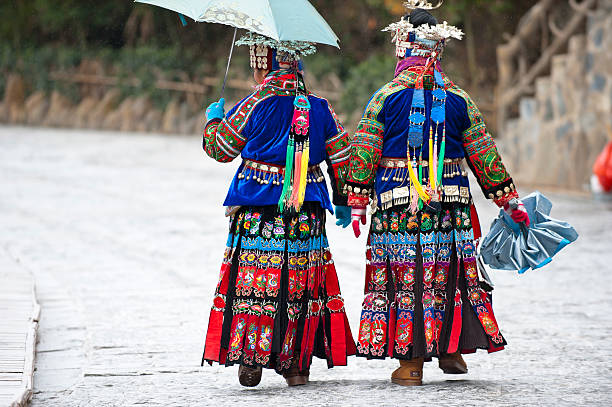
- When traveling to remote Miao or Dong villages, some elderly villagers may only use local dialects, but the younger generation or scenic spot staff can usually provide translation help in Mandarin.
- It is recommended to download offline translation packages or save common phrases (such as “Where is the restroom”, “How much is this”) in pictures or text in advance for use without network signals.