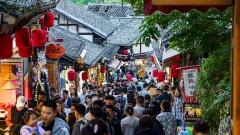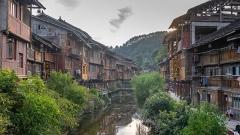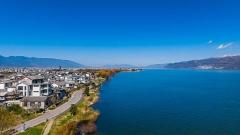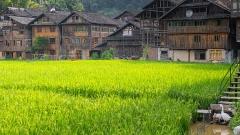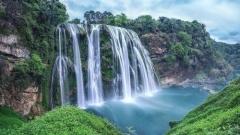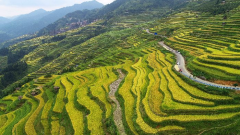

Guizhou, a hidden gem nestled in Southwest China’s mountains, boasts breathtaking karst landscapes, vibrant ethnic villages steeped in traditions, and crystal-clear streams winding through valleys. It’s a paradise for travelers seeking both natural wonders and cultural immersion. Many often wonder about its interesting places—rest assured, its charm is multifaceted. Whether you’re a nature lover or a culture enthusiast, you’ll find endless delights here. This guide highlights its most unmissable attractions, from mist-shrouded peaks ideal for hiking to colorful festivals that showcase the unique heritage of local minorities.
Exploring Scenic Secrets: Natural Scenery in Guizhou
Guizhou’s natural scenery is renowned for its wonder, beauty and grandeur, showcasing exquisite karst landscapes. Majestic waterfalls, serene canyons, and lush meadows make every spot worth lingering.
Huangguoshu Waterfall: The Majestic Beauty of Asia’s Largest Waterfall
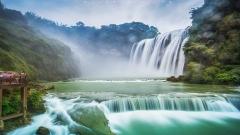
As Guizhou’s most iconic natural attraction, Huangguoshu Waterfall—the largest in Asia (77.8m high, 101m wide)—is a top answer to “what interesting places are there in Guizhou”. It roars spectacularly in flood season and exudes elegance in dry season. Here’s a concise guide:
Landscape Feature Experience: Summer (flood season) offers grand, water-abundant views; winter (dry season) showcases gentle, graceful scenery ideal for quiet appreciation.
Selected Viewing Spots: Waterfall Viewing Pavilion for panoramic views; Rhinoceros Pool for up-close access to cool splashes and roaring waves.
Combined Visits: Explore nearby Tianxingqiao (karst caves and streams) and Doupotang Waterfall (famous for “Journey to the West” filming) within the scenic area.
Visiting Tips: Allocate a full day; summer is ideal for grand views (bring sun protection/anti-slip gear). Use scenic area shuttles to save time.
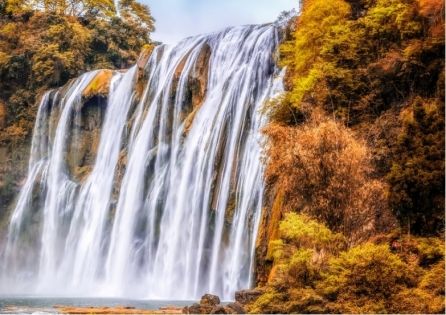
Huangguoshu Waterfall
Maling River Canyon: The Most Beautiful Rift on Earth
A perfect blend of grandeur and elegance, Maling River Canyon is another must-visit when asking “what interesting places are there in Guizhou”. Formed by long-term erosion, it boasts numerous waterfalls, connected caves and dense bamboos.
With its unique landforms and magnificent water scenery, Maling River Canyon is known as “the most beautiful rift on earth” and is one of the most representative secrets of Guizhou’s karst landforms.
The canyon’s highlight is its 72 waterfalls (over 10 with 100m+ drops), forming a “galaxy on earth” in rainy seasons. Scattered rock paintings and ancient bridges add cultural charm. Visitors can hike the canyon floor or take a cable car for panoramic views of the waterfall spectacle.
Wanfenglin: One of the Five Most Beautiful Peak Forests in China
For pastoral scenery lovers, Wanfenglin is a top pick among Guizhou’s interesting places. Located in Xingyi, it features thousands of exotic peaks dotted with farmlands, villages and rivers, forming a picturesque pastoral landscape.
China National Geography evaluates Wanfenglin: “One of the five most beautiful peak forests in China, it is the perfect integration of karst landforms and pastoral scenery.”
Take a sightseeing bus to explore Wanfenglin’s highlights, especially the Bagua Field—a naturally formed Bagua-shaped farmland with charming seasonal views: golden rapeseed in spring and ripe rice in autumn.
Immerse yourself in local rural life by wandering villages at the foot of the peaks. Chat with villagers, taste farm-fresh dishes, and try activities like tofu making for an authentic pastoral experience.
Wandering Ethnic Customs: Humanistic Experiences in Guizhou
Guizhou is home to diverse ethnic groups like Miao, Dong and Bouyei, preserving rich cultures. Experiencing their customs is a key part of exploring Guizhou’s interesting places.
Xijiang Qianhu Miao Village and Zhaoxing Dong Village are the most representative, offering contrasting charms—lively vs serene. Details below:
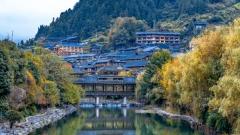
Xijiang Qianhu Miao Village: China’s largest Miao village, with thousands of stilted buildings along the mountain. Enjoy morning views of village lights, explore Miao dwellings, taste sour soup fish, watch song and dance shows, and visit the Miao Culture Museum for deep cultural insights.
Zhaoxing Dong Village: Known as “Dong Township’s No.1 Village”, it features unique drum towers and wind-rain bridges. Don’t miss the UNESCO-listed Dong Grand Choir (a cappella). Experience batik, taste oil tea and salted fish, and feel the Dong people’s warmth.
Qingyan Ancient Town: The Time Precipitation of a Ming and Qing Ancient Town
Qingyan Ancient Town, built in Ming Dynasty’s Hongwu period, is one of Guizhou’s four major ancient towns. It blends Han, Miao and Bouyei architectural styles, with stone buildings and winding slate streets exuding ancient charm.
Core Highlights of Qingyan Ancient Town: Heritage of a military and commercial town in the Ming and Qing dynasties, integration of multi-ethnic architectural styles, gathering of characteristic ancient town foods, scenery of the stone ancient town under the sunset
You can follow the following route rhythm to visit Qingyan Ancient Town and fully enjoy the ancient town style:
- Stroll slate streets: Admire stone buildings and feel the ancient town’s original charm.
- Visit iconic sites: Explore Zhuangyuan Mansion (former residence of Qing Dynasty scholar Zhao Yijiong), Ciyun Temple and other Ming-Qing ancient buildings.
- Taste local snacks: Try Qingyan braised pig’s trotters, rose candy and chicken chili.
- Admire sunset: Enjoy the warm glow on stone buildings and the town’s tranquility.
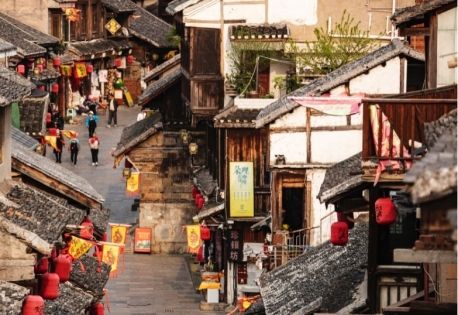
Qingyan Ancient Town
Outdoor Adventure and Leisure: Characteristic Experience in Guizhou
Beyond sightseeing, Guizhou offers great outdoor adventure and leisure spots, catering to both sports enthusiasts and those seeking tranquility.
Libo Xiaoqikong: Exquisite Interpretation of Karst Landforms
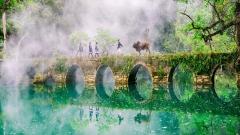
Libo Xiaoqikong, hailed as “Little Jiuzhaigou”, perfectly displays Guizhou’s karst beauty. Its landmark is the Qing Dynasty Xiaoqikong Ancient Bridge, spanning the Xiangshui River amid green mountains and clear waters.
Hike along the Xiangshui River to visit Laya Waterfall, 68-level Waterfall (the highlight with 68 consecutive drops) and Wolongtan. The unique water forest allows wading for cool comfort. Allocate 0.5-1 day for a relaxed visit.
Visiting Tips: Most of the trails in Libo Xiaoqikong Scenic Area are built along the stream, and some sections are relatively slippery, so it is recommended to wear comfortable sports shoes; when visiting in summer, you can bring water guns, slippers and other items to experience the fun of playing in the water in the water forest; there are environmental protection vehicles in the scenic area, and you can choose to take them according to your own situation.
Jiucaiping: The “Flower Sea in the Sky” of Guizhou
For hiking and flower sea lovers, Jiucaiping (Guizhou’s highest peak) is a top choice among interesting places. Divided into Da and Xiao Jiucaiping, each offers unique experiences.
Detailed explanation of the core characteristics of the two areas:
Da Jiucaiping: Famous for wild chive flowers. In late Aug-mid Sep, tens of thousands of mu of purple flowers form a “flower sea in the sky”. Hike to the top for panoramic photos.
Xiao Jiucaiping: Features spectacular, steep peak clusters, ideal for outdoor adventure. Hike in groups to enjoy plateau scenery safely.
Key Tips for Visiting Jiucaiping:
1. Located on a plateau with a high altitude and low temperature, warm clothes must be carried regardless of the season; 2. The ultraviolet rays on the plateau are strong, so sun protection products such as sunscreen, hats and sunglasses are essential; 3. The hiking trail of Xiao Jiucaiping is relatively steep, so it is recommended to wear non-slip and wear-resistant outdoor shoes and travel in groups to ensure safety.
Practical Travel Guide for Guizhou: Make Your Trip Smoother
After learning about Guizhou’s interesting places, this practical guide ensures a smooth trip with key precautions and itinerary tips.
Essential Preparation List for In-Depth Guizhou Travel:
Carry valid documents such as ID cards and passports, which are required for scenic spot entry and accommodation check-in
Prepare comfortable outdoor shoes to adapt to the multi-mountain and multi-trail visiting environment
Carry sun protection products (hats, sunscreen, sunglasses), as the ultraviolet rays on the plateau and mountainous areas are strong
Prepare appropriate thickness of clothes, as the day and night temperature difference in Guizhou’s mountainous areas is large, and layered wearing is recommended
Carry commonly used medicines (gastrointestinal medicines, cold medicines, mosquito repellent) to cope with possible discomfort during the trip
Best Visiting Time
Guizhou has a subtropical humid monsoon climate with distinct seasonal scenery. Below are key seasonal highlights to plan your trip:
Spring (March-May): Best visiting type – pastoral scenery, ancient town tour
Features: Blossoming flowers, pleasant climate. Ideal for visiting Qingyan Ancient Town and Wanfenglin for pastoral views.
Summer (June-August): Best visiting type – cool water playing, waterfall tour
Features: Rainy season with magnificent waterfalls. Perfect for cooling off at Libo Xiaoqikong and other water spots.
Autumn (September-November): Best visiting type – waterfall, peak forest, flower sea tour
Features: Sunny weather, comfortable temperature. Peak season with stable waterfalls, ripe rice and blooming flower seas.
Winter (December-February): Best visiting type – snow scenery, quiet leisure tour
Features: Cold, humid climate with possible snow. Fewer tourists, ideal for quiet, authentic experiences.
Transportation Methods
Guizhou’s transportation network is well-developed. Below is a categorized guide for outbound and domestic travel to ease your planning:
Outbound Transportation: Plane (Guiyang Longdongbao International Airport, direct domestic/international flights) and high-speed rail (Guiyang as hub, direct to Anshun, Xingyi, Libo) are convenient options.
Domestic Transportation: Self-driving/chartered cars offer flexibility; travel buses are economical. Choose based on budget and preferences, considering long distances between scenic spots.
Recommended Characteristic Foods
Guizhou cuisine is famous for its sour and spicy flavors. Beyond sour soup fish and braised pig’s trotters, these classic snacks are unmissable, each representing local culture:
Sisiwa (Silk Doll): Thin dough wrapped with vegetable shreds, topped with brine/chili sauce. Fresh, refreshing and fun to eat.
Changwang Noodles: Spicy red oil soup with pig intestines, blood and belly. Smooth noodles, flavorful ingredients.
Huaxi Beef Noodles: Fragrant beef soup with chewy rice noodles, beef slices and condiments. A local breakfast favorite.
Tofu Balls: Crispy outside, tender inside. Served with Houttuynia cordata/sour radish dipping sauce. Salty, sour and layered.
Explore local snack streets or farm restaurants to taste these specialties and experience Guizhou’s unique food culture.
The Interesting Places in Guizhou Are Waiting for You to Explore Personally
This guide covers Guizhou’s key interesting places—magnificent nature, rich ethnic customs and unique experiences. Every towering mountain, gurgling river and ancient village here has fascinating, centuries-old stories waiting to be explored by curious travelers.
Guizhou is perfect for family getaways, romantic couple trips or lively group adventures. Pack your bags, leave the hustle and bustle of city life behind, embrace this charming land with open arms, and create unforgettable memories with its majestic mountains, crystal-clear rivers and time-honored ethnic customs.