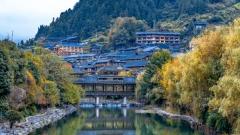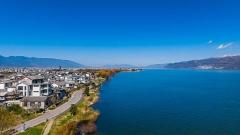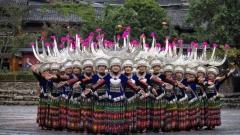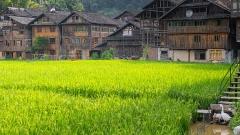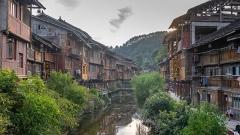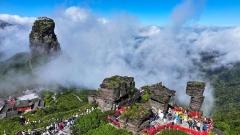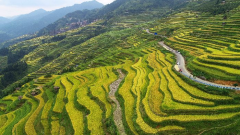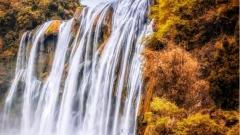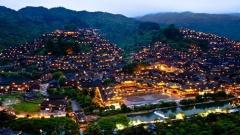

Located in southwestern China, Guizhou attracts an increasing number of visitors with its unique karst landscapes, rich ethnic culture, and pleasant climate. From the majestic Huangguoshu Waterfall to the serene Xijiang Thousand Household Miao Village, from the picturesque Xiaoqikong in Libo to the ancient charm of Zhenyuan Ancient Town, every scene is captivating. A smooth and enjoyable trip to Guizhou requires thoughtful budget planning. This article will break down the main expenses for traveling in Guizhou, including transportation, accommodation, tickets, dining, and more, while offering practical money-saving tips to help you deeply experience Guizhou’s natural and cultural wonders.
Main Costs for Guizhou Travel
Major Transportation Costs
Major transportation forms the foundation of your travel budget to Guizhou. This expense depends largely on your departure city, travel time, and mode of transportation.
- Flights: Round-trip flights to Guiyang Longdongbao Airport from major cities like Beijing, Shanghai, Guangzhou, and Shenzhen vary significantly by season. Prices can drop to as low as 1,000–1,500 RMB during the off-season, while peak seasons typically see fares ranging from 2,000–3,500 RMB or higher. Booking 1–2 months in advance is recommended for better deals.
- High-Speed Rail/Bullet Train: Traveling from neighboring provinces like Chongqing, Chengdu, Changsha, or Kunming to Guiyang is convenient via high-speed rail, with one-way tickets generally costing 200–400 RMB and travel times of 2–4 hours. From farther eastern cities like Shanghai or Hangzhou, high-speed rail takes longer (8–10 hours), with second-class tickets costing around 700–900 RMB.
- Regular Trains: The most economical option, though time-consuming, making it ideal for travelers with ample time and tight budgets. Hard sleeper tickets from nearby provinces typically cost 150–300 RMB.
In-Province Transportation Costs in Guizhou
Guizhou’s attractions are relatively scattered, making in-province transportation a key part of your budget planning.
- Tourist Shuttles/Scenic Area Buses: Direct shuttles from Guiyang to popular attractions like Huangguoshu, Xijiang Miao Village, and Libo are available, with one-way fares around 60–120 RMB. They are convenient but operate on fixed schedules.
- Long-Distance Buses: These connect various counties and cities at affordable prices. For example, a bus from Guiyang to Kaili (near Xijiang Miao Village) costs around 60 RMB, while Guiyang to Anshun (near Huangguoshu) costs about 35 RMB.
- Chartered Cars/Carpooling: For families or small groups, chartered cars offer the most flexibility. A 5-seater car costs around 500–800 RMB per day (including fuel and driver service), ideal for visiting multiple distant attractions. Carpooling costs about 150–300 RMB per person per day.
- Car Rentals/Self-Driving: Renting an economy car costs around 200–400 RMB per day, plus fuel and toll fees. This option suits travelers familiar with mountain driving and seeking flexible itineraries. Note: Guizhou’s mountainous terrain requires cautious driving.
- High-Speed Rail (Within the Province): Connects cities like Guiyang, Anshun, Kaili, Duyun, and Tongren quickly. For instance, the trip from Guiyang North to Kaili South takes about half an hour and costs 58.5 RMB.
Accommodation Costs for Guizhou Travel
Accommodation options in Guizhou are diverse, with significant price variations.
- Budget Hotels/Inns: In cities or near attractions like Guiyang, Anshun, and Kaili, prices range from 150–300 RMB per night. These offer clean, basic accommodations.
- Mid-Range Hotels/Unique Homestays: Prices range from 300–600 RMB per night. Staying in homestays within scenic areas or ancient towns (e.g., Xijiang Miao Village, Zhenyuan Ancient Town) enhances the local cultural experience.
- High-End Resort Hotels: Typically priced at 800 RMB or more per night, often located in core scenic or resort areas, offering superior facilities and services.
- Youth Hostels/Dorm Beds: Ideal for backpackers, with dorm beds costing 50–100 RMB per night.
- Peak Season Note: During holidays and summer vacations, accommodation prices can rise by 50–100% or more, and advance booking is essential. Staying inside scenic areas is usually more expensive but offers easier access to morning and evening views.
Attraction Ticket Costs for Guizhou Travel
Ticket expenses are a significant part of traveling in Guizhou, with many attractions carrying substantial fees.
- Huangguoshu Waterfall Scenic Area: Peak season (March 1–November 30) ticket: 160 RMB; mandatory sightseeing bus: 50 RMB; optional large escalator: 30 RMB one-way or 50 RMB round-trip. Total: approximately 210–260 RMB per person.
- Xijiang Thousand Household Miao Village: Ticket: 90 RMB (includes 4 sightseeing bus rides). Prices may adjust during peak seasons.
- Libo Xiaoqikong Scenic Area: Peak season ticket: 120 RMB; mandatory sightseeing bus: 40 RMB; optional insurance: 10 RMB. Total: approximately 160–170 RMB per person.
- Zhenyuan Ancient Town: The ancient town itself is free, but sub-attractions like Qinglong Cave and Shiping Mountain require separate tickets (around 30–60 RMB).
- Fanjingshan Mountain: Peak season ticket: 100 RMB; mandatory sightseeing bus: 20 RMB; recommended round-trip cable car: 140 RMB. Total: approximately 260 RMB per person.
- Qingyan Ancient Town: Basic entrance: 10 RMB; comprehensive ticket (includes internal attractions): 60 RMB.
Money-Saving Tip: Booking tickets in advance through official platforms or major travel apps (e.g., Ctrip, Meituan) often offers discounts of 5–10 RMB. Additionally, Guizhou frequently introduces phased ticket discounts for visitors from other provinces. Students, seniors, military personnel, and individuals with disabilities can also enjoy half-price or free admission with valid IDs.

Libo Xiaoqikong Scenic Area – Enchanting Guizhou Scenery
Dining Costs for Guizhou Travel
Guizhou’s rich culinary scene offers flexibility in dining expenses.
- Street Food/Breakfast: Dishes like Changwang Noodles, beef rice noodles, and glutinous rice meals cost around 10–20 RMB per meal.
- Regular Meals (Home-Style Dishes/Fast Food): Approximately 30–60 RMB per person. Try local specialties like sour soup fish, chili chicken, or Si Wa Wa.
- Specialty Restaurants/Popular Eateries: Around 80–150 RMB per person, offering more refined environments and dishes.
- Miao Village/Ancient Town Long Table Banquets: An ethnic dining experience costing about 60–100 RMB per person.
Dining within scenic areas is generally more expensive than in urban areas. Opt for restaurants frequented by locals for authentic flavors and reasonable prices. A daily dining budget of 100–150 RMB per person is a good starting point.
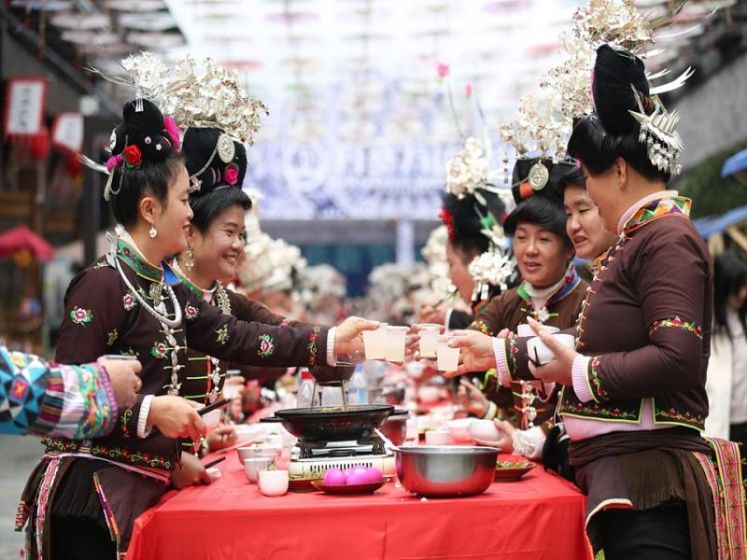
A Long Table Banquet – Full of Miao Ethnic Characteristics
Sample Guizhou Travel Budget (5 Days, 4 Nights)
Here’s an estimated per-person budget for a trip during the off-season:
- In-Province Transportation: Primarily carpooling/buses, around 500 RMB.
- Accommodation: Budget hotels, 4 nights at approximately 600 RMB (150 RMB per night).
- Tickets: Visiting three core attractions—Huangguoshu, Xijiang Miao Village, and Xiaoqikong—costs around 450 RMB.
- Dining: 120 RMB daily, totaling about 600 RMB for 5 days.
- Miscellaneous (Snacks, Souvenirs, Emergencies): Reserve 300–500 RMB.
This is a mid-range budget. Costs may increase if you opt for upgraded accommodations, chartered cars, or travel during peak seasons. Conversely, choosing hard sleeper trains, hostel beds, and fewer attractions can reduce the budget to under 3,000 RMB.
Money-Saving Tips for Guizhou Travel
- Travel During Off-Peak Seasons: Avoid national holidays like National Day, Labor Day, and summer vacations to save on flights, accommodations, and enjoy fewer crowds.
- Mix Transportation Modes: Use high-speed rail for long distances, buses for shorter trips, and consider carpooling for certain routes to balance cost and efficiency.
- Accommodation Choices: Staying inside scenic areas isn’t always necessary; nearby towns with good transportation often offer better prices.
- Travel with Companions: Splitting costs for transportation, chartered cars, dining, and even accommodations can significantly reduce per-person expenses.
- Bring Your Essentials: Carry a water bottle, raincoat, basic medicines, and snacks to avoid unnecessary purchases in scenic areas.
- Utilize Free Resources: Many ancient towns (e.g., Zhenyuan, Qingyan) are charming to explore for free. Check local schedules for free or low-cost cultural performances.
Q&A for Guizhou Travel Costs
Q1: How much does a week-long trip to Guizhou cost?
It depends on your travel style and season. Budget travel (trains + buses + economy lodging) costs around 3,500 to 5,000 RMB; mid-range travel (high-speed rail + carpooling/partial chartered cars + mid-range lodging) costs about 5,000–7,000 RMB; luxury travel (flights + full chartered cars + high-end lodging) exceeds 8,000 RMB.
Q2: Are there combo tickets or discount cards for Guizhou attractions?
Guizhou doesn’t have a province-wide travel pass. However, platforms like “One Code Travel Guizhou” often offer limited-time combo tickets or free entry promotions for visitors from specific provinces.
Q3: Is dining expensive in Guizhou? How to find affordable and authentic restaurants?
Overall, dining is reasonably priced, with meals costing 30 to 60 RMB per person. Avoid restaurants in the core scenic areas. Instead, explore eateries near residential areas, schools, or markets where locals dine—they often offer better value and authenticity.
Thoughtful budget planning is the cornerstone of a memorable Guizhou trip. By understanding the costs in advance and tailoring your spending to your preferences and schedule, you can immerse yourself fully in Guizhou’s stunning landscapes and vibrant ethnic culture. Whether you’re chasing natural wonders or exploring ancient towns, making informed choices within your budget will transform every expense into a cherished travel memory.