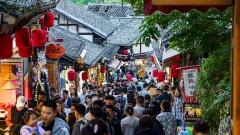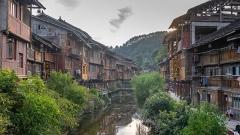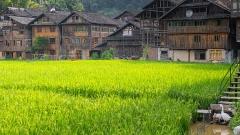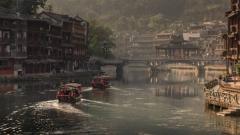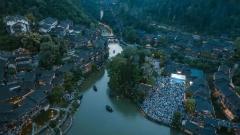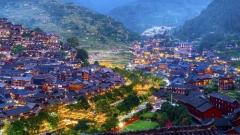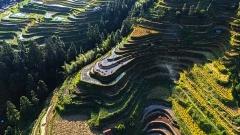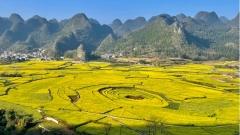

Venturing into Guizhou, the enigmatic southwest territory of China, is akin to immersing oneself in a cornucopia of sensory delights. This region boasts Asia’s most expansive Huangguoshu Waterfall, the captivating karst caverns, the picturesque vistas of Libo, and the storied Qianhu Miao Village, rich with historical and cultural significance. To fully appreciate the distinct allure of this land while mitigating the typical travel tribulations, it is imperative to grasp the essential travel tips of Guizhou. This guide meticulously compiles a wealth of practical information, ranging from pre-departure preparations to in-transit essentials, ensuring that both novices and seasoned travelers can craft a comprehensive itinerary and enjoy a seamless journey.
Careful Preparation Before Traveling to Guizhou
Guizhou’s folk saying “no three miles of flat land, no three consecutive sunny days” directly reflects its rainy, humid climate and undulating terrain. Therefore, packing luggage requires a more strategic approach.
For clothing, the “layered dressing method” is strongly recommended. Even in summer, be sure to prepare a lightweight windproof and waterproof jacket and a warm mid-layer (such as a fleece or thin down jacket), as the temperature difference between morning and evening in mountainous areas can exceed 10 degrees Celsius. Shoes are the top priority in your gear—a pair of well-supported, non-slip soled hiking or trekking shoes that have been broken in is the basic guarantee for dealing with stone slab roads and slippery trails. Rain gear is absolutely indispensable; a portable, easy-to-store lightweight raincoat is recommended, which is more practical than an umbrella when visiting waterfalls or mountainous areas.
Preparing personal medicines also requires attention. In addition to your regular medications, it is advisable to bring gastrointestinal medicine (to cope with dietary changes), cold medicine, motion sickness pills, as well as simple external disinfectant and band-aids. Guizhou cuisine is known for being sour and spicy, and water quality varies in different regions. It is wise to let your stomach adapt gradually when you first arrive.
Finally, be sure to check your passport validity period (usually more than six months after the end of the trip) and apply for a Chinese visa in advance. Make electronic backups of all important documents (passport, visa, air tickets, insurance policy) and store them in the cloud, while carrying a paper copy. Although mobile payment is extremely common in Chinese cities, in some more primitive villages or small stalls in Guizhou, cash (CNY) is still the main payment method. Therefore, preparing enough change and small-denomination notes will be much more convenient.
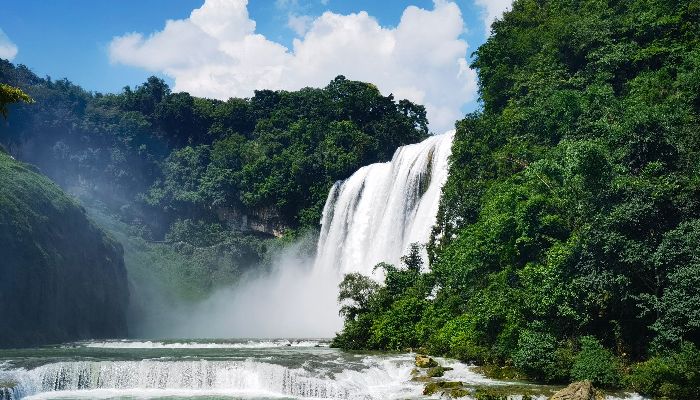
Huangguoshu Waterfall
Guizhou’s Smooth Transportation Guide
Guizhou’s scenic spots are scattered, so efficient transportation planning can greatly improve travel quality, which is also one of the core Guizhou travel notes.
How to Enter Guizhou: Most international travelers will first fly to major hub cities in China (such as Beijing, Shanghai, Guangzhou, Chengdu), then transfer to domestic flights or high-speed rail to Guiyang, the provincial capital. Guiyang Longdongbao International Airport has dense flight routes and is the most convenient air gateway. The high-speed rail network extends in all directions; taking the high-speed rail from neighboring cities such as Chengdu, Chongqing, and Kunming to Guiyang only takes 2 to 4 hours, with fast speed and frequent departures.
Intra-provincial Transportation Network: High-speed rail and bullet trains are the first choice for traveling between major tourist cities (such as Guiyang, Anshun, Kaili, Duyun, Libo) due to their comfort and time-saving advantages. For example, it only takes about 30 minutes from Guiyang North Railway Station to Anshun West Railway Station (for Huangguoshu Waterfall). However, to visit attractions like Xijiang Qianhu Miao Village, Zhaoxing Dong Village, and Fanjing Mountain, you usually need to transfer to tourist buses, taxis, or book chartered car services after arriving at the nearby county seat. Mountain roads are winding and steep; for travelers unfamiliar with the road conditions, self-driving is not recommended. Choosing a reputable travel agency to arrange chartered cars or escorted tours with drivers and guides is often the best option that balances safety, convenience, and in-depth experience.
Urban Transportation & Practical Tools: In large cities like Guiyang, subways, buses, taxis, and ride-hailing services are very convenient. Before departure, it is recommended to download Baidu Maps or Amap APP on your mobile phone and purchase a local data plan to ensure smooth navigation, ride-hailing, and information inquiry.
Guizhou’s Food Guide & Health Management
Guizhou’s cuisine is uniquely flavorful, known for its “sour, spicy, fresh, and fragrant” taste, and is an indispensable experience during the journey. Locals are skilled at using fermentation technology to make sour soup and preparing various flavors of “dipping sauce” with different chili peppers and spices.
Enjoy with Moderate Adjustments: The famous sour soup fish, hearty intestines and blood noodles, delicious Huaxi beef noodles, and street snacks such as silk dolls and tofu balls are all worth trying. If you are not good at eating spicy food, you can clearly inform the restaurant of “mild spicy” or “no spicy” when ordering, and most restaurants will accommodate. It is recommended to let your stomach adapt at the beginning of the journey, starting with lighter porridge, clear soup noodles, or steamed dishes. Be sure to drink bottled water and eat more local seasonal fruits to supplement vitamins.
Hygiene Habits & Special Needs: When choosing a dining place, observing whether the environment is clean and whether there are many local customers is usually a simple way to judge hygiene. Street snacks are authentic, but those with sensitive stomachs should be cautious. If you have special dietary needs (such as vegetarian, halal, or food allergies), you can prepare relevant Chinese explanations in advance using translation software, or ask the hotel staff for assistance in communication.
Guizhou’s Cultural Respect & Travel Safety Rules
Traveling in Guizhou, you will especially come into contact with rich ethnic minority cultures. Maintaining a respectful and open attitude can make your experience more profound.
Interaction Etiquette in Ethnic Minority Areas: When visiting Miao villages and Dong villages, please respect local customs and the living space of residents. Before taking photos of people, especially elders, those in traditional costumes, or those participating in traditional activities, be sure to obtain their verbal consent first—this is the most basic courtesy. Some villages have welcome ceremonies such as gate-blocking wine at the entrance; if you cannot drink alcohol, you can politely indicate or take a small sip to show respect. You can bargain when buying handicrafts, but you should maintain a friendly attitude.
Personal Property & Safety: Guizhou has a good public security situation, but in crowded tourist areas such as railway stations, bus stations, and popular scenic spots, you still need to keep an eye on your luggage. It is recommended to use an anti-theft backpack or a waist pack. Avoid displaying large amounts of cash or valuables in public.
Natural Environment Safety Notes: When visiting natural landscapes such as waterfalls, caves, and mountains, be sure to stay on designated trails and viewing platforms. Do not climb rocks outside warning areas or enter unopened waters. When traveling in the rainy season, pay special attention to weather forecasts and geological disaster warnings issued by scenic spots.
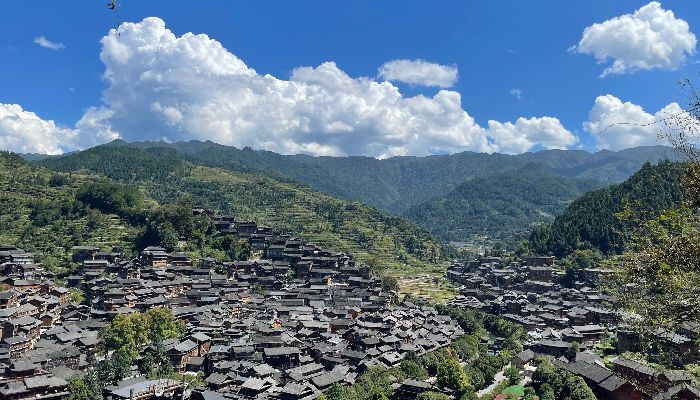
Xijiang Qianhu Miao Village
Smart Guizhou Budget Planning & Final Reminders
The overall expenditure for a journey to Guizhou fluctuates with each individual, largely influenced by the choice of transportation, the standard of lodging, and dining preferences. The primary financial outlay is typically on international and domestic flights or high-speed railway tickets. When it comes to local travel, opting for a private chartered vehicle is pricier than public transport; however, it provides unmatched convenience and time efficiency. The spectrum of accommodation options spans from affordable hostels at a few hundred yuan per night to luxurious resorts commanding thousands of yuan—a diverse array to suit every budget. Moreover, the aggregate of entrance fees and transportation costs for the renowned tourist attractions should also be factored into the financial planning.
As for shopping, traditional Hmong silver jewelry, handcrafted batik fabrics, intricate embroideries, and Duyun Maojian tea are distinctive keepsakes. It’s customary to haggle in tourist bazaars, yet for high-value silver jewelry, it’s advisable to patronize reputable dealers and request quality assurances. Should you find the logistics of organizing travel, lodging, and tickets overwhelming, or wish to gain deeper cultural insights, enlisting the services of a seasoned travel agency such as China Dragon Travel to tailor a personalized itinerary or participate in a premium small-group tour can enhance your trip with a greater sense of ease and authenticity. In essence, incorporating these nuanced travel tips into your planning and contemplating them meticulously beforehand will equip you to handle trip-related eventualities with composure and ensure a trove of memorable experiences.