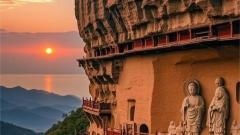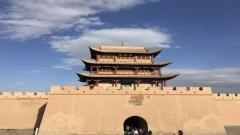

Nestled in the heart of Gansu Province, the Hexi Corridor was once the vital artery of the ancient Silk Road, bridging Eastern and Western civilizations for millennia. This historic land has nurtured a unique culinary heritage that blends Han, Central Asian, and nomadic traditions. Dominated by hearty noodles and succulent meats with bold sour, spicy, and savory flavors, every dish here tells a story of cultural exchange and local life, promising an unforgettable taste adventure for every traveler.
Wuwei: The Gateway to Hexi Corridor Cuisine
Known historically as Liangzhou, Wuwei stands as the eastern gateway to the Hexi Corridor and the first stop where Central Plains culture merged with Western traditions. Its cuisine bears the distinct influence of Han, Tibetan, and Mongolian ethnic groups, creating a one-of-a-kind Liangzhou flavor profile that serves as the perfect introduction to Hexi Corridor dining.
Santao Che (The Signature Trio)
Undoubtedly the most iconic dish of Wuwei, Santao Che is so beloved that locals say “you haven’t truly visited Wuwei if you haven’t tried Santao Che.” This complete meal consists of three inseparable components: hand-pulled noodles, cured pork, and fu tea. The noodles are made from local high-gluten flour, kneaded repeatedly to achieve a chewy, springy texture, then tossed in a rich, slow-simmered sauce made with carrots, potatoes, onions, and bay leaves. The cured pork, made from free-range local pigs, undergoes a meticulous process of salting, smoking, and air-drying, resulting in firm, flavorful meat that is fatty but not greasy. Completing the trio is fu tea, brewed from brick tea with red dates, longans, goji berries, and dried tangerine peel. Sweet and mellow, it cuts through the richness of the meat and noodles perfectly, making every bite a harmonious balance of flavors.
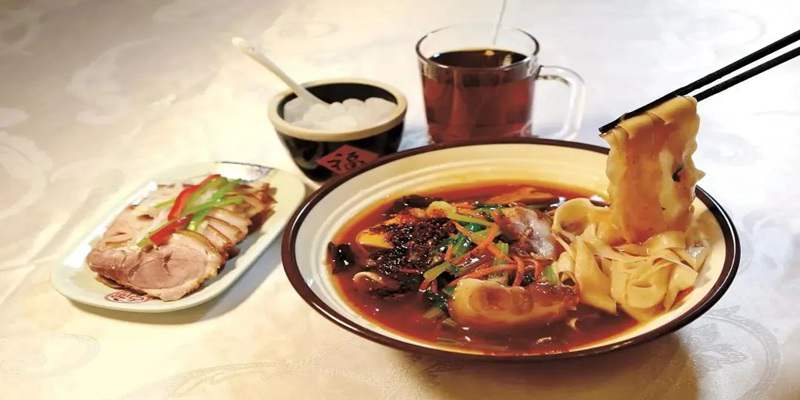
Santao Che
Liangzhou Cold Noodle Sheets
Unlike the thin, delicate cold noodles found in other parts of China, Liangzhou cold noodle sheets are thick, chewy, and translucent white. Made by steaming starch extracted from washed wheat flour, they are cut into uniform strips and tossed with vinegar, soy sauce, garlic paste, mustard, chili oil, homemade gluten, and fresh cucumber shreds. The result is a tangy, spicy, and refreshing dish that is a summer staple for Wuwei locals. You can find this affordable delicacy at street stalls and local restaurants alike, making it the perfect quick bite to beat the heat during your travels.
Yam and Millet Congee
A comforting home-style dish perfect for cold autumn and winter days, yam and millet congee is a testament to Wuwei locals’ appreciation for simple, nourishing food. Made with locally grown millet and iron stick yams, the congee is simmered until the millet is creamy and the yams are soft and melt-in-your-mouth. With no heavy seasonings, it highlights the natural sweetness and nuttiness of the ingredients. Rich in nutrients and easy to digest, a steaming bowl of this congee will warm you from the inside out and chase away the fatigue of a long day of sightseeing.
Zhangye: A Feast for the Senses in the “Jiangnan Beyond the Great Wall”
Nicknamed the “Jiangnan Beyond the Great Wall” for its lush grasslands and abundant produce, Zhangye combines the ruggedness of the northwest with the delicacy of southern China. This unique blend is reflected in its cuisine, which features fresh, local ingredients and bold, satisfying flavors that showcase the best of the region.
Zhangye Beef Noodle Porridge
A beloved breakfast staple unique to Zhangye, beef noodle porridge is how locals start their day with energy and warmth. Unlike traditional noodles, the dough is rolled out and cut into tiny, rice-sized cubes. These “noodle grains” are boiled and then added to a rich broth simmered for hours with beef bones and chunks of beef. Topped with fresh beef slices, tofu cubes, glass noodles, and green onions, and seasoned with salt and sesame oil, the dish is hearty, flavorful, and incredibly filling. For travelers, waking up early to join locals at a neighborhood breakfast shop for a bowl of this iconic dish is the best way to experience authentic Zhangye life.
Zhangye Sao Noodles
Zhangye Sao Noodles stand out from other noodle dishes with their thick, flavorful broth and generous toppings. The broth is made by simmering pork, chicken, and bones for hours, then thickened with cornstarch and loaded with diced tofu, carrots, potatoes, and wood ear mushrooms. Thin dried noodles are cooked al dente, then ladled with the rich sao sauce and garnished with green onions and cilantro. The result is a comforting, nutritious dish that is suitable for diners of all ages, with a balance of textures and flavors that will leave you wanting more.
Sunji Fried Pao Noodles
A legendary local institution with decades of history, Sunji Fried Pao Noodles is a must-visit for anyone traveling to Zhangye. “Pao” refers to the short, thick noodles that resemble small firecrackers, which are stir-fried with fresh vegetables and meat in a spicy, savory sauce. The noodles are chewy and springy, the vegetables are crisp and fresh, and the portion sizes are generous. The restaurant also offers free noodle soup and side dishes, making it an incredibly affordable option. Be prepared to wait in line, as both locals and tourists flock here daily to taste the most authentic fried pao noodles in Zhangye.
Jiuquan: Authentic Flavors of the Space City
Famous worldwide as the home of the Jiuquan Satellite Launch Center, Jiuquan is also a culinary hotspot in the Hexi Corridor. Located at the western end of the corridor, its cuisine is heavily influenced by nomadic traditions, featuring hearty portions of meat and noodles with bold, robust flavors that embody the generosity of northwest China.
Jiuquan Hu Guo (Thick Soup with Fried Dough)
The pride of Jiuquan and a must-try breakfast dish, Hu Guo is a unique comfort food that combines the best of soup and staple foods. It starts with a thick, creamy broth made from chicken or bone stock thickened with cornstarch. Into this broth go fried dough twists, gluten, glass noodles, sliced chicken, and green onions, all stirred together and seasoned with salt and sesame oil. The result is a rich, satisfying dish that is both a soup and a meal. Locals love to dip a local flatbread into the thick broth, soaking up every drop of flavor. To try this authentic breakfast, be sure to wake up early, as most breakfast shops close by 9 AM.
Braised Chicken with Pancakes
A traditional banquet dish in Jiuquan, braised chicken with pancakes is perfect for sharing with travel companions. Fresh chicken is cut into large pieces and stir-fried with potatoes, onions, green peppers, and carrots, seasoned with soy sauce, star anise, and cinnamon. After adding water and simmering until the chicken is 70% cooked, a layer of thin pancakes is placed on top of the chicken, and the pot is covered to finish cooking over low heat. The pancakes absorb all the delicious juices from the chicken, becoming soft and flavorful, while the chicken becomes tender and falls off the bone. Every bite is packed with the rich, aromatic flavors of northwest China.
Clay Pot Dishes
Jiuquan offers a wide variety of clay pot dishes, including beef, lamb, chicken, and vegetarian options. Cooked in traditional earthenware pots that retain heat exceptionally well, these dishes lock in the natural flavors and nutrients of the ingredients. Each clay pot is loaded with meat, vegetables, tofu, glass noodles, and wood ear mushrooms, simmered in a rich, savory broth. They are perfect for warming up on cold winter days, but are equally enjoyable in summer thanks to their balanced, not-too-greasy flavor. Whether for lunch or dinner, clay pot dishes are a delicious and affordable option for travelers.
Jiayuguan: Bold Tastes at the Foot of the Mighty Pass
As the western starting point of the Ming Dynasty Great Wall and known as the “First Pass Under Heaven,” Jiayuguan exudes a rugged, frontier spirit that is reflected in its cuisine. The food here is bold, hearty, and generous, embodying the豪迈 spirit of the northwest Chinese people and offering the ultimate “eat meat and drink wine like a hero” experience.
Grilled Lamb Skewers
No trip to Jiayuguan is complete without trying its famous grilled lamb skewers. The lamb comes from local Tan sheep, which graze on natural grass and drink spring water, resulting in tender, flavorful meat with no gamey taste. The lamb is cut into uniform cubes, skewered on bamboo sticks, and grilled over charcoal. As it cooks, it is sprinkled with cumin, chili powder, and salt, until the outside is crispy and golden and the inside is juicy and tender. The aroma is irresistible, and every bite is a burst of savory, smoky flavor that perfectly captures the essence of northwest Chinese cuisine.
Cuoyu Noodles (Fish-Shaped Noodles)
A traditional noodle dish in Jiayuguan, Cuoyu Noodles get their name from their small, fish-like shape. The dough is rolled into long, thin strips, then pinched into one-inch pieces with pointed ends and a thicker middle. These “fish” noodles can be either stir-fried with onions, green peppers, and shredded meat for a spicy, flavorful dish, or served with a rich sauce for a simpler, more comforting meal. The noodles are chewy and satisfying, and their unique shape makes them fun to eat, appealing to both adults and children.
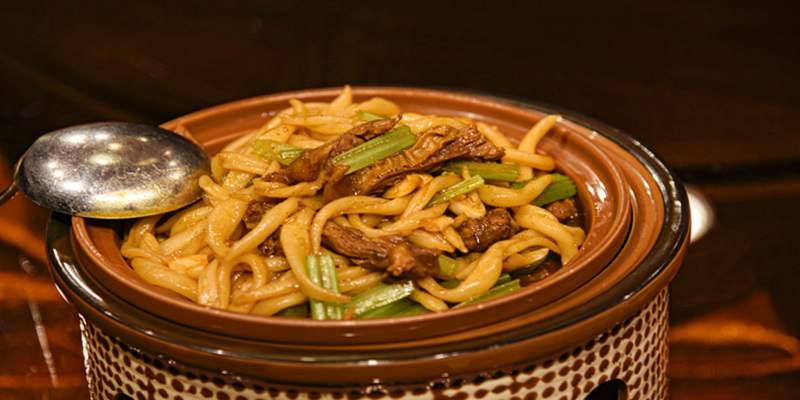
Cuoyu Noodles (Fish-Shaped Noodles)
Shaokezi Crispy Buns
A popular snack in Jiayuguan, Shaokezi crispy buns are perfect for eating on the go or as a souvenir to take home. Made from fermented flour with a touch of sugar and salt, the dough is shaped into round buns, scored on the top, and baked in a special oven until the outside is golden and crispy and the inside is soft and fluffy. They have a subtle wheat flavor and can be eaten plain or stuffed with meat or vegetables. With a long shelf life, they are ideal for snacking on during your travels or sharing with friends and family back home.
Dunhuang: Silk Road Flavors in the Desert Oasis
A major hub on the ancient Silk Road and a melting pot of Eastern, Central Asian, and Middle Eastern cultures, Dunhuang offers the most exotic and diverse cuisine in the Hexi Corridor. Every dish here tells a story of cultural exchange, making it the perfect finale to your Hexi Corridor food journey.
Dunhuang Donkey Meat Yellow Noodles
Widely regarded as Dunhuang’s most famous dish and known as the “No. 1 Noodle of Dunhuang,” donkey meat yellow noodles are a must-try for any visitor. The yellow noodles are made with local high-gluten flour and peng ash, a natural alkaline substance from desert plants, which gives them their distinctive golden color and incredibly chewy texture. The donkey meat is locally sourced, braised to perfection, and sliced thin, resulting in tender, flavorful meat that is not dry or greasy. The noodles are boiled, then tossed in a sauce made with mushrooms, wood ear mushrooms, tofu, and dried bamboo shoots, topped with the donkey meat slices, green onions, and cilantro. Every bite is a delicious blend of flavors and textures that reflects the unique cultural heritage of Dunhuang.
Poplar Wood Braised Lamb with Pancakes
A traditional Dunhuang specialty named for the poplar wood used to fuel the fire, this dish is full of authentic northwest Chinese charm. Fresh lamb is cut into large chunks and stir-fried with potatoes, onions, and carrots, seasoned with soy sauce, star anise, and cinnamon. After simmering until the lamb is 80% cooked, a layer of thin pancakes is placed on top, and the dish is finished cooking over a low poplar wood fire. The poplar wood imparts a unique, smoky aroma to the lamb and pancakes, while the pancakes absorb all the rich lamb juices, becoming soft and flavorful. The lamb is tender and falls off the bone, making this dish an unforgettable culinary experience.
Li Guang Apricots
Named after the legendary Han Dynasty general Li Guang who is said to have introduced them to the region, Li Guang apricots are Dunhuang’s most famous fruit. They are plump, golden yellow, with fine, juicy flesh and a sweet, aromatic flavor. Rich in vitamins and minerals, they are the perfect refreshing snack during the hot summer months. The apricot season runs from June to July, so if you visit during this time, be sure to try the fresh fruit. Dunhuang also produces dried Li Guang apricots and apricot jam, which make excellent souvenirs to take home.
Dunhuang Cold Noodle Sheets
Similar to Liangzhou cold noodle sheets but with its own unique twist, Dunhuang cold noodle sheets are thicker and chewier than their counterparts. Made from steamed wheat starch, they are cut into strips and tossed with vinegar, soy sauce, garlic paste, mustard, chili oil, homemade gluten, and cucumber shreds. Tangy, spicy, and refreshing, they are a favorite summer snack for Dunhuang locals and can be found at street stalls and restaurants throughout the city. Affordable and delicious, they are the perfect way to cool down after a day of exploring the desert.
Practical Tips for Dining in the Hexi Corridor
- Flavor Profile: Most dishes in the Hexi Corridor are salty and spicy, which is a defining feature of local cuisine. If you cannot handle spicy food, simply ask the restaurant to reduce the amount of chili oil, and they will be happy to accommodate your request.
- Portion Sizes: Northwest Chinese cuisine is known for its generous portions, which are much larger than those in southern China. To avoid food waste, order according to the number of people in your group. You can also order several different small dishes to share, allowing you to try more local flavors.
- Breakfast Hours: Local breakfast shops typically open around 6 AM and close by 9 AM. If you want to try authentic local breakfast dishes like beef noodle porridge and Hu Guo, be sure to wake up early, as they are rarely served later in the day.
- Business Hours: Many local restaurants close for a lunch break and reopen around 5 PM, closing at around 10 PM. To avoid disappointment, plan your dining times accordingly or call ahead to confirm the restaurant’s hours.
- Prices: The cost of living in the Hexi Corridor is relatively low, and dining is extremely affordable. Most meals cost around 20-30 RMB per person, even at well-established local restaurants, so you can enjoy delicious, authentic food without breaking the bank.
- Ingredients: Local chefs prioritize fresh, locally sourced ingredients with minimal additives. The meats and noodles are often made fresh daily by hand, ensuring that you get the most authentic and flavorful taste of the Hexi Corridor.
Savor Hexi Cuisine, Embark on a Silk Road Journey
The cuisine of the Gansu Hexi Corridor is a precious legacy of the ancient Silk Road, offering not just a feast for the taste buds but also a window into the region’s rich history and culture. Every dish carries the stories of the people who have lived here for centuries, and every bite tells a tale of cultural exchange between East and West. From Wuwei’s Santao Che to Dunhuang’s donkey meat yellow noodles, from Jiuquan’s Hu Guo to Jiayuguan’s grilled lamb skewers, the flavors of the Hexi Corridor are unforgettable and uniquely its own.
If you are ready to embark on this culinary adventure and experience the magic of the ancient Silk Road, let China Dragon Travel be your guide. With a team of professional tour guides and years of experience in designing custom itineraries, China Dragon Travel will create the perfect travel plan for you. You will get to explore the breathtaking landscapes of the Hexi Corridor while indulging in the most delicious local cuisine, making your trip a perfect blend of natural beauty and culinary delight that you will cherish for a lifetime.