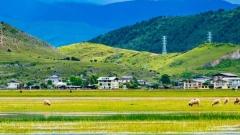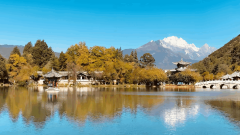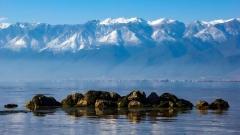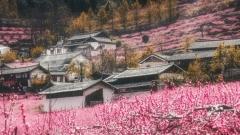

Shangri-La, this earthly paradise located in northwestern Yunnan Province, is a dream travel destination for many. With an average altitude of approximately 3,280 meters, its atmospheric pressure is about 68% of sea level, and oxygen content is roughly 72% of sea level. Such environmental conditions exert a series of effects on human physiological functions, especially for visitors from low-altitude regions. Therefore, understanding these effects is fundamental to proper adaptation preparation. This article provides a comprehensive guide to high-altitude adaptation from multiple perspectives, including altitude characteristics, adaptation methods, and itinerary planning.
Shangri-La: The Unique Climate of a High-Altitude Region
1. Overview of Shangri-La’s Altitude Characteristics
Shangri-La’s altitude distribution shows distinct layering, influenced by different seasons, leading to certain variations. Therefore, friends planning a trip to Shangri-La should choose a season suitable for their physical condition.
- Spring (March-May): In early March, daytime temperatures are around 5-10°C, while nights can still drop below -5°C. By late May, daytime temperatures can reach 15-20°C, with nights at 5-10°C. Areas above 3,000 meters in spring are prone to sudden weather changes, leading to increased surface water; some hiking trails may become muddy or have temporary streams.
- Summer (June-August): Average temperatures range between 15-20°C, but when the rainy season arrives, increased humidity may exacerbate symptoms of altitude sickness.
- Autumn (September-November): During this period, daytime temperatures are 15-18°C, and nighttime temperatures are 5-8°C. Hiking conditions are excellent, with dry and firm ground; most hiking trails at altitudes of 3,000-3,500 meters are in optimal condition.
- Winter (December-March): Temperatures are lower, averaging between -5°C and 10°C. The dry, cold air may cause respiratory discomfort. Spring and autumn have relatively stable climates and are the best periods for adapting to the high-altitude environment.
Shangri-La experiences significant seasonal climate changes. It is advisable to choose a more comfortable season before traveling and prepare to deal with adverse reactions caused by high altitude.
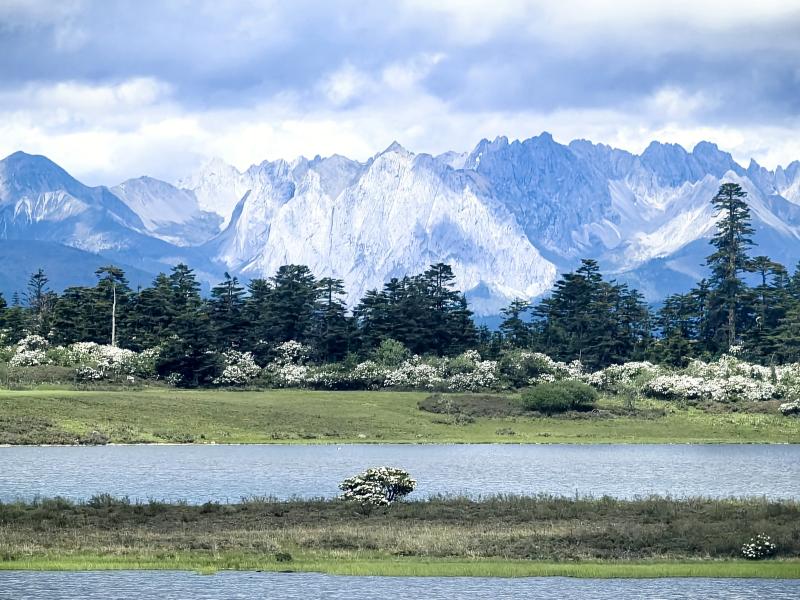
Shangri-La – The Unique Charm of a High-Altitude Region
2. Phased Adaptation Strategy: Quickly Adapting to High-Altitude Climate
- Phase One: The first 24 hours after arrival are critical for adaptation. It is recommended to immediately adopt the “Three Slows” principle upon arrival: slow movement, slow speech, and slow eating. Avoid lifting heavy objects and be extra careful when using stairs. After checking into the hotel, do not take a shower immediately, as hot water may accelerate blood circulation and increase cardiac burden. Sleep disturbances on the first night are normal; there is no need for excessive anxiety.
- Phase Two: On days 2-3 after arrival, the body begins to gradually adapt. During this stage, light activities can be undertaken, such as leisurely strolls in the city. Choose flat routes and avoid climbing slopes. Control daily activity time to 4-6 hours, with a 1-2 hour rest at noon. Regarding diet, maintain a light but nutritious intake, eat more carbohydrates, consume moderate protein, and avoid greasy or overly full meals.
- Phase Three: From day 4 onwards, if adaptation is good, activity intensity can be gradually increased. However, remain cautious: rest immediately if discomfort occurs at any time; ensure more than 8 hours of sleep daily; continuously hydrate, drinking no less than 2 liters of water per day; avoid alcohol and smoking, as these add burden to the body.
For visitors planning to visit higher-altitude attractions, a “Climb-Adapt” strategy is recommended. For example, when planning to visit Pudacuo National Park (altitude 3,500-4,159 meters), first adapt in Shangri-La for 2-3 days, then choose to stay one night inside the park, allowing the body time to adapt to the higher altitude. Avoid itineraries that go directly from low altitude to high altitude and return the same day.
3. Scientifically Customized Travel Plan
Arrival day arrangements are crucial. It is advisable to choose flights arriving in the morning or at noon, allowing the entire afternoon for adaptation. Go directly to the hotel to rest upon arrival and avoid scheduling any sightseeing activities. If arriving by long-distance bus, adequate rest upon arrival is even more necessary.
- Day One: Limit activities to gentle walks around the hotel.
- Day Two: You can visit flat scenic spots in the city, such as Dukezong Ancient Town, but be aware that the ancient town has slopes and should be walked slowly.
- Day Three: Visit Songzanlin Monastery, but note that the temple has many steps; rest frequently. Control daily activity time to within 4 hours, and return to the hotel for a mandatory rest at noon.
- Day Four: It is recommended to start with relatively lower-altitude attractions, such as Napahai Lake (altitude 3,260 meters), which has flat terrain suitable for visits during the adaptation period. Then gradually proceed to higher-altitude attractions. The visit duration for each attraction should not be too long; a half-day unit is suggested, returning to the hotel to rest in the afternoon.
Special activity arrangements require extra caution. Horseback riding, while fun, requires a certain level of physical strength and is recommended only after 3 days of adaptation. Hiking activities require even more caution; even light hiking consumes significant energy in a high-altitude environment. Any outdoor activities should be accompanied by a guide, and emergency equipment such as oxygen cylinders should be carried.
4. Dietary Recommendations
- Hydration: Due to the dry high-altitude air, breathing and perspiration lead to faster fluid loss. It is recommended to drink no less than 2 liters of water daily, in small amounts frequently. Carry a thermos to replenish warm water随时. Avoid drinking large amounts of water at once, as this may increase cardiac burden. Observing urine color is a simple method to judge hydration status; urine should remain pale yellow.
- Food Intake: Carbohydrates should constitute the main part of the diet, as sugar metabolism requires less oxygen. It is recommended to eat more staple foods like rice, noodles, and potatoes. Protein intake should be moderate, as excessive protein metabolism increases bodily负担. Fat intake should be reduced, especially animal fats. Fresh vegetables and fruits are rich in vitamins and help improve resistance.
- Eating Habits: Adopt a “small, frequent meals” approach, eating 5-6 times daily in small portions. Avoid overeating, as being overly full affects breathing. Dinner should be particularly light and completed at least 3 hours before bedtime. The local specialty, butter tea, can be consumed in moderation; the fat content helps combat dryness, but excessive consumption may affect digestion.
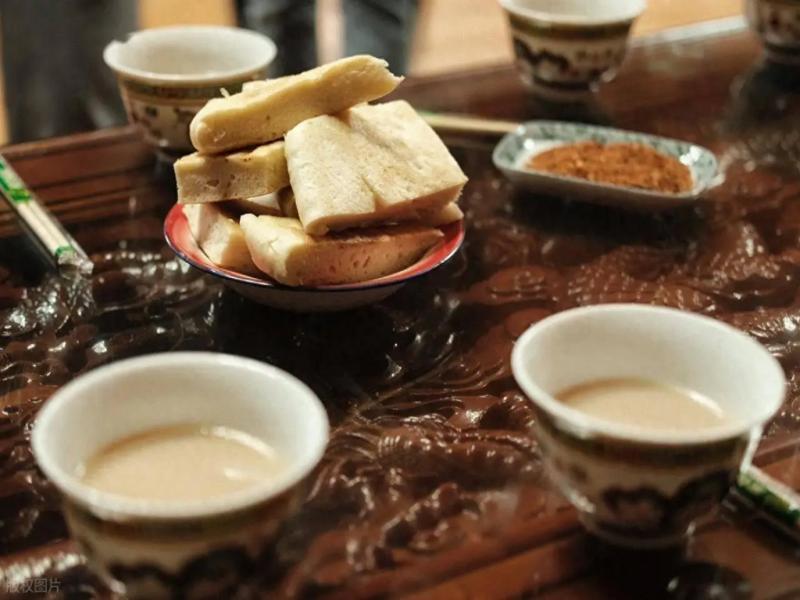
Butter Tea – An Excellent Delicacy for Avoiding Altitude Sickness
Daily Health Monitoring: The Infallible Method to Avoid Altitude Sickness
- Blood Oxygen Saturation: It is recommended to measure blood oxygen saturation twice daily, morning and evening. Normal values should be above 90%. If below 85%, reduce activity and consider oxygen supplementation.
- Resting Heart Rate: The normal range is 60-100 beats per minute. If it consistently exceeds 100 beats per minute, caution is needed.
- Record Physical Sensations: Such as the degree and location of headaches, sleep quality, appetite status, activity endurance, etc. This helps identify correlations between symptoms and activities.
- Watch for Discomfort Signals: Shortness of breath, waking at night due to shortness of breath, worsening cough, blood in phlegm, chest pain, severe headache unresponsive to painkillers, unsteady gait, confusion, etc. Any warning signal should prompt immediate medical attention; do not wait and observe.
Seasonal Considerations for Shangri-La Travel
- Spring (March-May): The climate is changeable, warm during the day but with significant temperature differences between day and night. Pay attention to adding or removing clothing promptly to prevent colds. Sandstorms may be stronger; prepare windproof gear. Spring is a good time for adaptation, with a relativelycomfortable
- Summer (June-August): This is the rainy season; rain may affectyour journey. Prepare rain gear and choose waterproof equipment. Increased humidity may affect comfort, but temperatures are more pleasant. Beware of mosquitoes and insects.
- Autumn (September-November): This is the best tourist season, with stable climate and beautiful scenery. However, there are significant temperature differences between day and night; prepare warm clothing. This season sees many tourists; plan your itinerary in advance.
- Winter (December-February): It is cold and dry; pay special attention to warmth. Snow may affect transportation; pay attention to weather forecasts. There are large temperature differences between indoors and outdoors; adjust clothing accordingly.
After returning from high altitude to low altitude, some people may experience drowsiness and fatigue. This usually resolves on its own within a few days. It is recommended to rest appropriately after returning and not immediately engage in pressuring work. Pay attention to physical changes and seek medical attention promptly if discomfort persists. These experiences are valuable for future travel. High-altitude adaptation is a normal regulatory process of the body. However, if discomfort persists, consult a doctor. Regular physical examinations can monitor health status. Maintain a healthy lifestyle to prepare for future travel. Although Shangri-La’s high-altitude environment presents challenges, through scientific preparation and reasonable planning, most people can successfully adapt and enjoy the scenery and culture of this magical land. The key lies in respecting nature, understanding oneself, and proceeding step by step. With adequate preparation, you will gain an unforgettable experience in Shangri-La.