
To understand Tibet, one must first understand its food.
And to understand Tibetan food, one must begin with highland barley.
In a land defined by vast skies, thin air, and unforgiving terrain, highland barley has quietly sustained life for thousands of years. More than a crop, it is the nutritional backbone, cultural anchor, and spiritual symbol of Tibetan civilization.
For travelers seeking meaningful cultural journeys rather than surface-level sightseeing, highland barley offers a powerful lens through which to understand how people and landscape have shaped one another on the Roof of the World.
What Is Highland Barley?
Highland barley, also known as naked barley, is a unique variety of barley distinguished by its naturally shedding husk. This trait makes it easier to process in regions where traditional milling infrastructure was historically limited.
Unlike common grains such as rice or wheat, highland barley thrives at elevations above 3,000 meters. It tolerates extreme cold, strong ultraviolet radiation, limited oxygen, and short growing seasons—conditions that would defeat most other crops.
Today, Tibet remains the world’s most important region for highland barley cultivation, both in scale and in cultural significance.
The Ancient Origins of Highland Barley in Tibet
Archaeological evidence suggests that highland barley has been cultivated on the Tibetan Plateau for more than 3,000 years. As early Tibetan communities transitioned from nomadic life to more settled agricultural systems, highland barley became the most reliable and resilient food source available.
Over time, it shaped not only what people ate, but how they lived—from daily routines and seasonal rhythms to social customs and religious practices.
In this sense, highland barley is not simply part of Tibetan culture; it is one of the reasons Tibetan culture could exist at all.
Why Highland Barley Thrives Where Other Crops Fail
The success of highland barley on the plateau is no coincidence. Its biological traits align almost perfectly with Tibet’s harsh environment:
-
Exceptional cold resistance
-
Low water requirements
-
Short maturation cycle
-
High tolerance for intense sunlight
This natural compatibility reflects a broader Tibetan worldview: survival through adaptation, balance, and respect for nature, rather than domination over it.
Tsampa: The Heart of Tibetan Daily Life
Food as Simplicity and Strength
The most iconic Tibetan food made from highland barley is tsampa—roasted barley flour mixed with butter tea or water.
Tsampa requires no cooking, stores easily, and delivers high nutritional value. For centuries, it has sustained farmers, monks, nomads, and pilgrims alike.
To outsiders, tsampa may seem humble. To Tibetans, it represents self-sufficiency, continuity, and emotional comfort—a food that connects generations and accompanies people from birth through old age.
Highland Barley Wine
Celebration, Hospitality, and Ritual
Another important expression of highland barley is Tibetan barley wine. Lightly fermented and mildly sweet, it plays a central role in festivals, family gatherings, weddings, and religious ceremonies.
Offering barley wine is a gesture of hospitality and goodwill. The act of sipping it—often three times—symbolizes respect for the past, present, and future, as well as harmony between humans, nature, and the spiritual world.

Highland Barley and Tibetan Spirituality
In Tibetan Buddhism, food is never purely material. Highland barley frequently appears as an offering in temples and home altars, representing gratitude, abundance, and connection to the land.
During pilgrimages and rituals, tsampa may be scattered into the air as a symbolic offering—an act that reflects humility and reverence rather than excess.
This spiritual dimension transforms highland barley from sustenance into sacred nourishment, reinforcing the inseparable bond between daily life and belief.
A Modern Rediscovery
In recent years, highland barley has gained international attention for its nutritional benefits:
-
High dietary fiber
-
Low glycemic index
-
Rich in minerals and antioxidants
As global interest in plant-based diets and traditional food systems grows, highland barley has emerged as a bridge between ancient wisdom and modern health consciousness.
Yet in Tibet, its value has never needed rediscovery—it has always been understood.
Food, Landscape, and Slow Travel
For cultural travelers, encountering highland barley is not about novelty. It is about slowing down, observing, and listening.
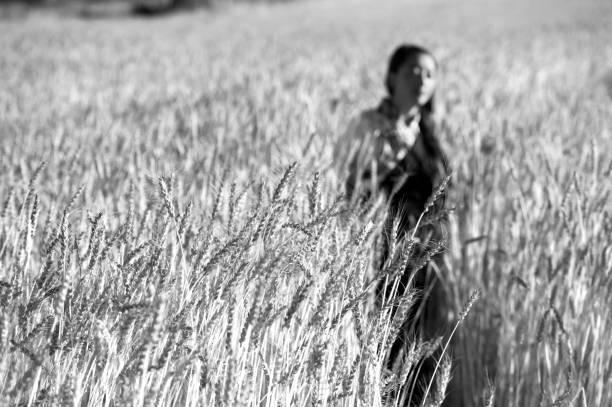
Sharing a bowl of tsampa with a local family, visiting barley fields under vast mountain skies, or learning how grain is harvested by hand offers insight no museum label can provide.
Food becomes a storyteller. The land speaks through flavor.
The Quiet Strength of Highland Barley
Highland barley does not seek attention. It grows patiently, feeds consistently, and endures without complaint.
In many ways, it mirrors the Tibetan people themselves.
To understand Tibet through its food is to understand resilience without aggression, spirituality without spectacle, and culture rooted deeply in place.
Highland barley is not just what Tibet eats.
It is how Tibet survives, remembers, and continues.