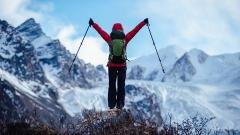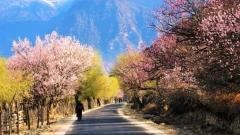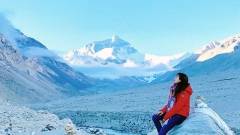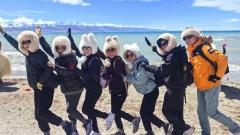

If you are planning a trip to Lhasa, understanding how much budget you need is the first and most practical step. Online information about Lhasa travel costs can be confusing, with wide price differences that make it hard to judge what is realistic. This guide provides a clear, market-based breakdown of Lhasa travel expenses, covering transportation to and from Lhasa, accommodation, meals, attraction tickets, and local tours. Whether you are traveling independently or joining a tour, this cost guide will help you plan your budget in advance and enjoy your journey with greater peace of mind.
Inbound and Outbound Transportation Costs to Lhasa
This expense is the foundation of the entire travel budget and fluctuates the most. Choosing between plane and train directly affects your expenses and schedule.
Taking a Plane to and From Lhasa
Flying to Lhasa Gonggar Airport from major domestic cities (such as Chengdu, Chongqing, Xi’an and Beijing) is the fastest way. Air ticket prices are significantly affected by seasons.
Price difference between off-season and peak season: In the off-season (usually from November to April of the next year), you may find one-way air tickets ranging from 500 to 800 CNY. In the peak season (from May to October), especially in July, August and the National Day holiday, the one-way price is usually between 1500 and 2500 CNY.
Tips to Save Costs:
- Book in advance: Pay attention to and buy air tickets 1 to 2 months in advance as much as possible.
- Take advantage of the “Tibet Winter Tour” discount: Discounted air tickets are often available for winter travel.
- Compare transfer options: Sometimes choosing a connecting flight is cheaper than a direct flight.
Taking the Qinghai-Tibet Railway Train to Tibet
Trains are suitable for travelers with ample time, who want to acclimatize to the plateau gradually or control the budget.
- Price reference: The hard sleeper ticket price from Xining to Lhasa is about 500 to 720 CNY, and the soft sleeper is about 800 to 1150 CNY. Ticket prices from other cities will be higher.
- Important ticketing reminder: Train tickets to Tibet are extremely tight and go on sale 15 days in advance. It is difficult for individuals to grab tickets, and booking through a qualified travel agency is a more reliable way.
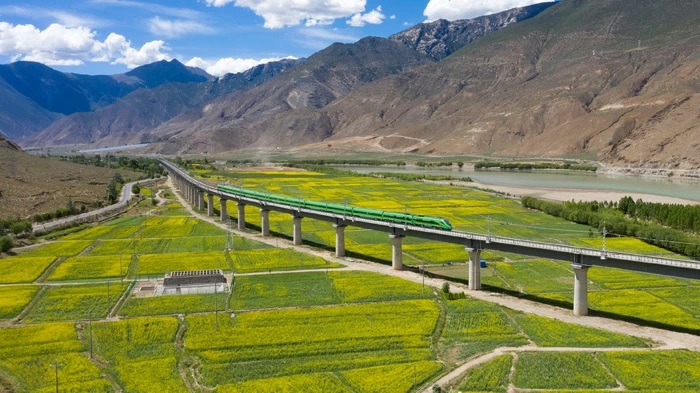
Chengdu Tibet Railway
Daily Core Expenses in Lhasa
After arriving in Lhasa, the daily expenses for accommodation, catering and urban transportation can be flexibly adjusted according to personal needs.
Accommodation Costs
There are a variety of accommodation options in Lhasa, and the price difference mainly lies in location and facilities.
- Budget inns/homestays: Mostly concentrated in the old urban areas such as Barkhor Street, with a price of about 200 to 400 CNY per night.
- Comfortable/3-star hotels: Providing better facilities, some with oxygen supply service, with a price of about 400 to 700 CNY per night.
- High-end luxury hotels: With complete facilities and professional services, the usual price is 800 to 1500 CNY or more per night.
Catering Costs
There are many dining options in Lhasa.
- Daily meals: Dining in sweet tea houses and ordinary restaurants costs about 80 to 150 CNY per person per day.
- Featured meals: Tasting stone pot chicken, yak meat hot pot and other dishes may cost 100 to 300 CNY per person per meal.
Urban Transportation Costs
The urban area of Lhasa is not large.
- Taxi: The starting fare is 10 CNY.
- Ride-hailing cars: Very popular.
- Bus: The ticket price is 1 to 2 CNY.
Reserving 30 to 50 CNY for transportation every day is basically sufficient.
Core Travel Expenses in Lhasa: Scenic Spot Tickets and Local Tours
This part is the core expense for experiencing Lhasa, and the cost management mode varies with different travel methods.
Major Scenic Spot Ticket Costs
The following are the official reference ticket prices (peak season) for some core scenic spots:
- Potala Palace: 200 CNY. A real-name reservation is required in advance.
- Jokhang Temple: 85 CNY.
- Nam Co: 120 CNY.
- Yamdrok Lake: 60 CNY.
- Important reminder: During the annual “Tibet Winter Tour” activity in winter, most A-level scenic spots implement a free ticket policy.
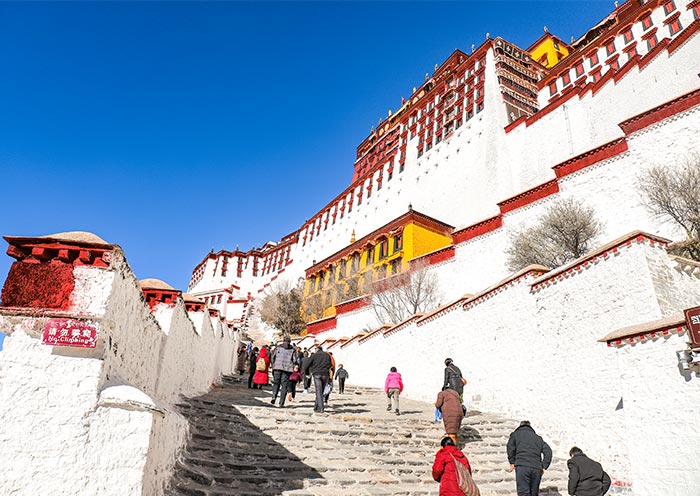
Potala Palace
Joining Group Tours
For most tourists, joining group tours is a worry-free and mainstream choice. The following is the per capita cost reference for different grades of group tours in 2026 (excluding round-trip long-distance transportation usually):
- Budget shared group tours: The price is about 3800 to 5500 CNY. Covering classic scenic spots, with budget hotel accommodation and tourist coaches for transportation.
- Comfortable quality shared group tours/small private group tours: The price is about 6000 to 9000 CNY. Better accommodation, often with oxygen supply facilities; more comfortable transportation; mostly no-shopping itineraries.
- High-end customized small private group tours: The price is above 9000 CNY. Fully customized, with high standards for transportation, accommodation and services.
- Important reminder: Be alert to group tours with prices far lower than the market range, which may have shopping or paid optional item traps.
Choosing Independent Travel or Chartering a Car
This method offers a high degree of freedom but requires you to handle all matters by yourself. Note: Foreign tourists are not allowed to travel independently.
- Car charter cost: The daily cost of an ordinary off-road vehicle is about 1000 to 1500 CNY (excluding the driver’s accommodation and meals).
- Potential challenges: Need to book Potala Palace tickets by yourself; coordinate reliable vehicles in remote areas; require strong itinerary planning and adaptability skills.
Budget for Other Necessary Expenses in Lhasa
When planning Lhasa travel costs, in addition to major items such as transportation, accommodation and tickets, there are some necessary and flexible expenses that need to be considered in advance. This part of the expense is easy to be ignored but directly affects the comfort and safety of the travel experience. Planning this part of the budget reasonably can make your journey more relaxed.
Plateau Health and Safety Guarantee Expenses
This is the most worthwhile investment in plateau travel, and you should not ignore it to save the budget.
- Oxygen supply: For altitude sickness, portable oxygen tanks are common emergency supplies. Bought in the urban area of Lhasa, the price is about 25 to 50 CNY per tank. If bought in high-altitude scenic spots (such as Nam Co and Yamdrok Lake), the price may be higher. The itinerary of some travel agencies will include emergency oxygen, but it is wise for individuals to prepare an extra 1 or 2 tanks for emergencies.
- Specialized travel insurance: Ordinary travel insurance may not cover high-altitude emergency medical transportation. Be sure to purchase specialized travel insurance that clearly includes the treatment of high-altitude diseases (acute altitude sickness) and emergency medical transfer/repatriation. This expense is about 100 to 300 CNY according to the insured amount and days, which is a key guarantee against accidental risks.
- Commonly used medicines and protective products: In addition to rhodiola rosea (to be taken in advance), it is recommended to budget 100 to 200 CNY for buying painkillers (such as ibuprofen for relieving headaches), glucose oral liquid (for quick energy supplement), motion sickness pills, as well as physical protective products such as high SPF sunscreen, lip balm and sunglasses.
Personal Communication, Convenience Services and Sundry Expenses
- Communication and internet: The signal is weak in some remote scenic spots. If you need to keep communication smooth, you can consider renting a portable Wi-Fi or buying a local data card. In addition, the rental cost of shared power banks in the urban area of Lhasa may be slightly higher than that in inland cities.
- Clothing rental and special equipment: If you do not bring enough warm clothes, the cost of renting down jackets at scenic spots is about 100 CNY per day. If you have photography needs, the daily cost of renting professional equipment such as drones may also reach 80 to 120 CNY.
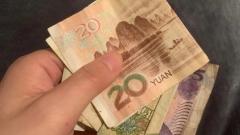
- Preparation of payment methods: Although mobile payment (WeChat and Alipay) is very popular in the urban area of Lhasa, it is still necessary to prepare cash for small payments (such as public toilets) in remote areas, roadside stalls. It is recommended to carry several hundred CNY in small bills with you.
Shopping and Souvenir Expenses
This part has the greatest flexibility. To avoid consumption traps, please note:
- Souvenir purchase: Barkhor Street is the main place to buy souvenirs, with a large price difference for goods. Common prayer wheels, thangkas, Tibetan jewelry, yak meat jerky and other products range from several tens to thousands of CNY. Please remember to bargain politely and shop around when buying. A reasonable budget range for souvenirs is about 200 to 1000 CNY.
- Avoid consumption traps: Before taking photos with animals such as Tibetan mastiffs and lambs at scenic spots, or accepting items voluntarily handed over by others (such as hada and prayer beads), be sure to clarify whether payment is required, and these items usually cost 10 to 20 CNY each.
Important reminder:
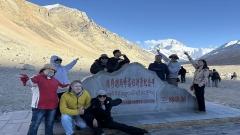
To travel to some areas outside Lhasa (such as Everest Base Camp and Ngari), you need to apply for a border pass in advance. It is best to apply for it free of charge at the public security bureau in your household registration place. If you entrust a travel agency to handle it in Lhasa, a certain agency service fee may be incurred.
Practical Budget Planning and Money-Saving Tips
Now you can combine the above expenses to plan your total budget.
Budget Planning Example
- Round-trip long-distance transportation (train in, plane out): About 1650 CNY.
- Local group tour cost: About 7500 CNY.
- Personal daily consumption (catering, etc.): About 1050 CNY.
- Other expenses (insurance, souvenirs): About 1100 CNY.
- Emergency reserve fund (10%): About 1100 CNY.
Estimated total cost: About 12400 CNY.
Practical Tips to Save Lhasa Travel Costs
- Choose to travel in winter: Take advantage of the “Tibet Winter Tour” policy to enjoy free tickets and off-season prices, which may save 30% to 50% of the total budget.
- Optimize the transportation combination: Adopt the mode of “train in, plane out” to balance cost, time and plateau acclimatization.
- Choose group tours carefully: Confirm the included expenses, accommodation standards, transportation and whether it is a no-shopping tour in detail, and sign a formal contract.
- Plan and book in advance: Arranging 1 to 3 months in advance can lock in better prices for air tickets, train tickets and group tours.
Planning a Lhasa Trip with a Smart and Realistic Budget
In general, the cost of traveling in Lhasa depends heavily on season, transportation choices, accommodation standards, and travel style. With proper planning—such as traveling during the low season, combining train and flight options, and choosing transparent, well-organized tours—most travelers can enjoy Lhasa comfortably within a reasonable budget. For those seeking professional support to balance cost control, safety, and travel quality, working with an experienced agency like China Dragon Travel can help ensure a smooth, well-budgeted, and rewarding journey to Lhasa.