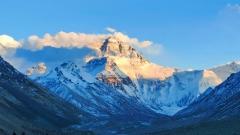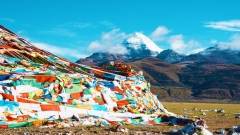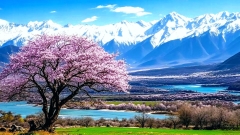

When preparing for a Tibet trip, besides arranging the itinerary, calculating the cost is a top priority for many. Traveling to Tibet doesn’t have to be costly—pre-understand expense breakdowns and master proper methods, and you can easily have a satisfying journey within budget. The key to a budget-friendly Tibet trip is knowing where funds go and making smart choices in key areas to skip unnecessary costs. Drawing on practical travel experience, below we detail budgets for transportation, accommodation, daily needs and more, plus specific money-saving tactics to help you manage expenses effectively and enjoy a smooth Tibet journey.
Step 1 to Save Money: Understand Major Expense Items
Before looking for money-saving methods, it is first necessary to understand the main cost composition of a Tibet trip. Knowing these specific items can help you adjust the budget in a targeted manner, which is the basis for planning to save money.
Long-Distance Transportation Costs to/from Tibet (One-Way Reference)
This part of the cost usually accounts for 30% to 40% of the total budget, and the price varies greatly with the season.
- Economy Class by Plane: Flying from major cities like Chengdu and Chongqing to Lhasa, the price is about CNY 1,000 to CNY 1,800 in the off-season, around CNY 1,500 to CNY 2,500 in the shoulder season, and may rise to CNY 2,500 to CNY 4,000 or higher during the peak tourist season (July, August and National Day Holiday).
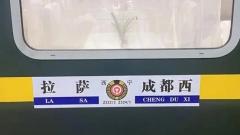
- Train with Sleeper: Taking the Qinghai-Tibet Railway train from Xining to Lhasa, the hard sleeper ticket price is about CNY 500 to CNY 600, and the soft sleeper ticket price is about CNY 800 to CNY 1,000. Train ticket prices are relatively stable, but tickets are in short supply during the peak season.
Travel Expenses Within Tibet (Per Person Per Day Reference)
This part of the cost has the greatest flexibility and is the key to controlling the overall budget.
- Local Transportation Costs: If you choose to share a car or join a tour group to split the vehicle cost, the transportation fee per person per day is about CNY 200 to CNY 400.
- Accommodation Costs: The price of budget hotels or guesthouses is about CNY 150 to CNY 300 per night, and the price of comfortable hotels is about CNY 300 to CNY 600 per night. Prices may increase during the peak season.
- Catering Costs: Dining in ordinary restaurants, each person needs about CNY 80 to CNY 150 per day; if you choose simple meals, it can be controlled at CNY 50 to CNY 100.
- Scenic Spot Ticket Fees: For tickets to major scenic spots such as the Potala Palace, Nam Co Lake and Everest Base Camp, it is recommended to set aside a total budget of CNY 800 to CNY 1,500.
After understanding these basic expenses, you can plan how to save money from the following main aspects.
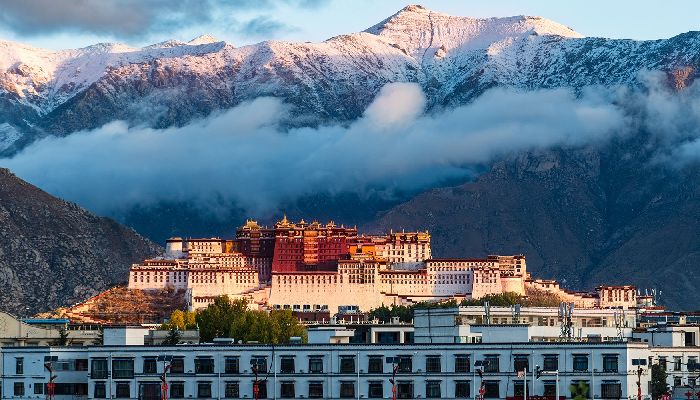
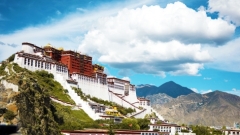
Potala Palace
Key to Budget Planning: Money-Saving Tips for Pre-Trip Stage
Most of the money-saving work needs to be completed before departure. Making good preparations for the following two aspects in advance can significantly affect the total budget. Doing these preparations before traveling to Tibet is the core of successful money-saving.
Arrange Travel Time Reasonably (Directly Affects Budget Range)
Travel time has a great impact on various expenses in Tibet.
- It is recommended to travel in the shoulder season: from April to mid-May and from late September to mid-October. During this period, travel costs are 20% to 30% lower than in the peak season, and the weather is relatively comfortable, making it a cost-effective choice.
- You can consider traveling in the off-season: from November to March of the following year (excluding the Spring Festival Holiday). This is the period with the lowest travel cost throughout the year. Air tickets and accommodation often have large discounts, and some scenic spots implement off-season ticket prices. The total budget can be saved by 40% to 50%.
- Try to avoid peak season rush: July, August and National Day Golden Week. During this period, all travel costs will reach the highest point, and the travel experience may also be affected by the large number of tourists.
Choose a Suitable Travel Style (Effectively Control Expenses)
For most travelers, joining a reliable group tour is an effective way to achieve savings.
- Share Costs to Reduce Expenses: The daily rental price of an off-road vehicle is about CNY 1,200 to CNY 1,800. If four people share a car, the transportation fee per person per day can be reduced to CNY 300 to CNY 450, which is much lower than the cost of renting a car alone.
- Package Prices Are Usually More Cost-Effective: The total price of package itineraries provided by travel agencies (usually including accommodation, tickets, vehicles and tour guide services) is often 15% to 25% lower than the sum of booking various services separately. A standard 7-day group tour itinerary usually costs about CNY 4,000 to CNY 6,500 (excluding long-distance transportation to/from Tibet), which is more economical and hassle-free than arranging an itinerary of the same standard by yourself.
- Avoid Procedures Troubles: The “Tibet Travel Permit” required for traveling to Tibet must be handled through a qualified travel agency. Choosing an experienced organization like China Dragon Travel can help you handle all necessary procedures and itinerary arrangements, avoiding additional time and money costs due to unfamiliarity with the process.
Practical Money-Saving Methods During the Trip
During the trip, you can further manage daily expenses by paying attention to the following aspects. Mastering these money-saving skills can make your travel experience more economical.
Flexibly Arrange Transportation and Tickets
- Adopt the combination of “flying in and taking the train out” or vice versa: for example, flying to Tibet (about CNY 1,500) and then taking the train back (soft sleeper about CNY 1,000) can save CNY 500 to CNY 1,000 compared to flying round trip (about CNY 3,000 or more), and you can also experience the Qinghai-Tibet Railway.
- Confirm Ticket Information in Advance: Check if you have documents that can enjoy ticket discounts (such as student ID cards). If you choose to travel in the off-season, some scenic spots will implement lower off-season ticket prices.
Reasonably Arrange Accommodation and Catering
- Adjust Accommodation Standards According to the Itinerary: On the first and last day in Lhasa, you can choose a better hotel (about CNY 400 per night) to ensure rest. In towns along the way, choosing clean and economical accommodation (about CNY 200 per night) is sufficient. This is more cost-effective than staying in a hotel of the same standard throughout the trip.
- Try Local Food: In local sweet tea houses, a bowl of Tibetan noodles (about CNY 10) and a pot of sweet tea (about CNY 10) make an affordable meal. This is much cheaper than the average consumption of CNY 80 to CNY 150 per person in tourist-concentrated restaurants, and you can better experience local life.
Shop Rationally and Make Necessary Preparations
- Compare Prices When Buying Souvenirs: When buying crafts in places like Barkhor Street, you can negotiate the price friendly. A scarf with an asking price of CNY 80 usually has a common transaction price of CNY 30 to CNY 50 after negotiation. Compare several stores before making a purchase.
- Purchase Suitable Travel Insurance: A travel insurance covering altitude sickness and related medical evacuation is very important. The insurance cost for about 10 days is about CNY 150 to CNY 300. This expense cannot be saved, as it can help you avoid bearing huge medical transportation costs in case of emergencies.
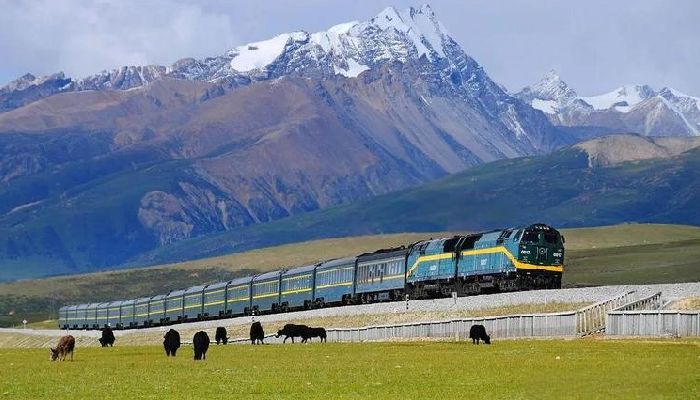
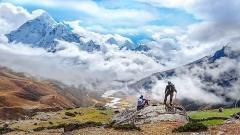
Qinghai-Tibet Railway Scenery
Common Expense Questions and Money-Saving Answers
In response to common questions travelers have when planning their budgets, clear answers are provided here to help you save money better.
Q: Should I choose the cheapest tour group?
A: Not necessarily. A 7-day tour group with a quote of CNY 2,000 is likely to include many shopping stops, and the accommodation and catering standards are relatively low. A pure play tour group with a quote of CNY 4,500 usually includes better accommodation and catering, and no shopping arrangements. In terms of overall experience and actual total cost, the latter is often a better choice.
Q: Will independent travel be more cost-saving?
A: In Tibet, the situation is different. Individual travelers cannot apply for the Tibet Travel Permit by themselves and must go through a travel agency. Even if the document issue is resolved, the daily cost of renting a car alone is very high, and it is difficult to share. Under the same service standards, the total cost and energy required for independent travel are usually higher than those of joining a well-organized group tour.
Q: What expenses can be avoided during the trip?
A: There are mainly three types: first, buying high-priced portable oxygen cylinders at the scenic spot gates (the price may be CNY 200 to CNY 400; group tours usually provide shared oxygen, and preparing some anti-altitude sickness drugs in advance is more economical); second, temporarily renting thick cold-proof clothing (about CNY 50 to CNY 100 per day; you can bring your own lightweight and warm clothing); third, severe altitude sickness caused by an overly tight itinerary, which affects subsequent trips and causes losses.
Q: How to deal with possible unexpected expenses?
A: In addition to setting aside 10% to 15% of the emergency fund outside the total budget, it is important to choose a travel agency that provides reliable ground services. When encountering unexpected situations such as weather changes and road adjustments, they can use local resources to coordinate and solve problems quickly, which can usually control additional losses more effectively than personal handling.
Take Action: Formulate Your Budget-Friendly Travel Plan
After completing the above understanding, you can start specific planning according to the following steps, turn the idea of saving the budget into action, and complete your final Tibet travel plan.
- Set a Budget Range: First, determine a total budget range (for example, CNY 12,000 to CNY 18,000 per person), which helps make specific choices later.
- Inquire About and Book Long-Distance Transportation: Use flight comparison tools as soon as possible to check the prices of flights or train tickets from your departure city to transit cities like Chengdu, Xining or Chongqing, as well as from these cities to Lhasa. Book in time when you find a suitable price.
- Consult Professional Institutions for Plans: Inform professional travel agencies like China Dragon Travel of your budget, available time and main desired destinations (for example, “Planning a 10-day trip, hoping to see Mount Everest and holy lakes”), and ask them to provide an itinerary plan with detailed cost explanations. This plan can serve as an important reference for your budget planning.
- Compare Different Options: Compare the estimated costs of “self-planning” with the quotes of “group tour plans” provided by travel agencies in major items such as transportation, accommodation and tickets to help you make a decision.
- Confirm and Book: After making a choice, confirm and pay the deposit as soon as possible to lock in the price and itinerary arrangements, especially if you plan to travel during the peak season.
In general, planning a budget-friendly trip to Tibet is a process from initial understanding to specific planning. It is not complicated. The key is to obtain accurate information and make reasonable arrangements based on it. It is hoped that the above cost explanations and money-saving suggestions can help you plan the budget for your Tibet trip more clearly. Next, you can start preparing with reference to this information according to your specific situation, making your Tibet trip both rich and economical.