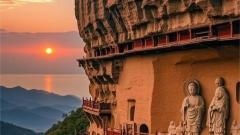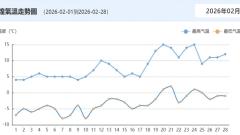

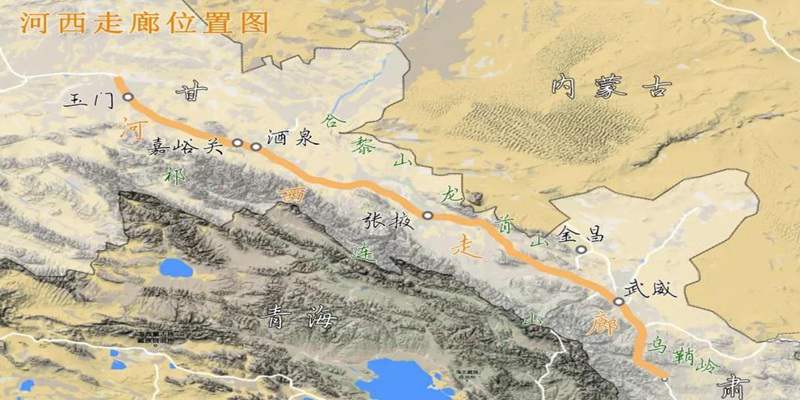
When planning a trip to northwest China, many travelers ask: “Is the Hexi Corridor worth visiting?” or “How do you actually travel this route?” Unlike a typical destination, the Hexi Corridor is best understood as a journey rather than a single stop. From the cave art of Dunhuang to the frontier forts of Jiayuguan and the landscapes of Zhangye, each place only makes full sense when seen as part of a larger route.
Must-Visit Attractions in Gansu’s Hexi Corridor
Mogao Caves
The Mogao Caves, also called the Caves of the Thousand Buddhas, are the Hexi Corridor’s crown jewel and the world’s largest Buddhist art repository. Dating back to 366 AD, they boast 735 caves, 45,000 square meters of murals and 2,415 clay sculptures, showcasing ancient artisans’ extraordinary craftsmanship and timeless cultural stories.
Advance booking via the official website is mandatory, especially one month ahead in peak season (July-August). Standard tickets include a digital exhibition and a guided tour of 8 caves; photography and touching relics are prohibited. Special tickets are available for deeper exploration of exquisite artworks.
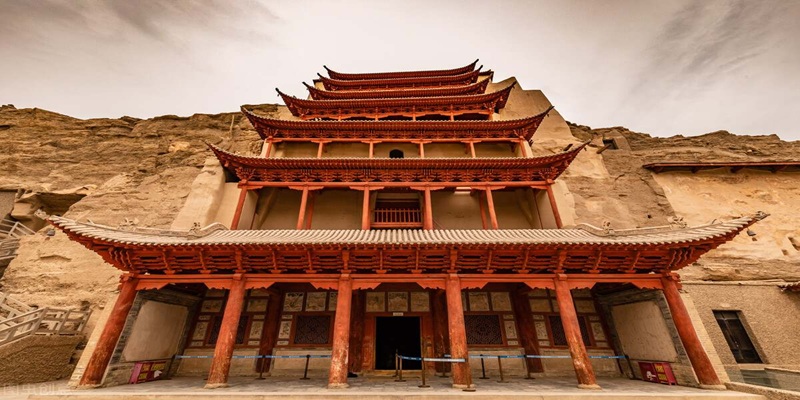
Mogao Caves
Mingsha Mountain and Crescent Moon Spring
Located 5km south of Dunhuang, Mingsha Mountain (Singing Sand Mountain) and Crescent Moon Spring are iconic desert wonders. The golden sand dunes sing in the wind, while the crescent-shaped spring remains undried and unburied, forming a stunning desert-oasis contrast.
Activities include camel riding, desert off-roading and hiking for sunrise/sunset views. Visit in late afternoon to avoid the heat—pleasant temperatures and golden light create perfect photography conditions.
Jiayuguan Pass
Known as “the First Pass Under Heaven”, Jiayuguan Pass is the Ming Great Wall’s westernmost gate. Built in 1372, this well-preserved military stronghold witnessed Silk Road prosperity and border history, consisting of inner city, outer city and moat.
Climb the city walls for views of the Gobi and Qilian Mountains. The on-site Great Wall Museum and Guerrilla General’s Mansion offer insights into ancient military culture and border life.
Zhangye Danxia Geopark
Hailed as “nature’s color palette”, Zhangye Danxia Geopark (510 square km) features stunning colorful rock formations formed 200 million years ago, ranking among China’s top seven Danxia landscapes.
Four viewing platforms (connected by shuttles) offer different views: Platform 1 for panoramas, Platform 4 for sunsets, and 2/3 for close-up details. Allocate half a day to fully appreciate this natural wonder.
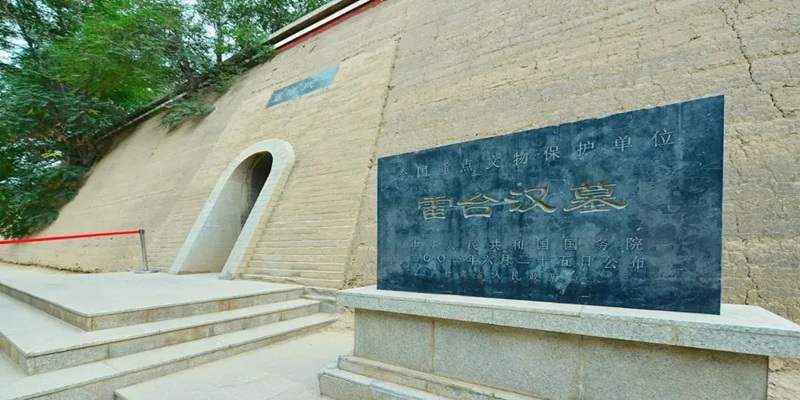
Leitai Han Tomb in Wuwei
Famous for the “Flying Horse of Gansu” (China’s tourism symbol), Leitai Han Tomb (Wuwei) dates to the late Eastern Han Dynasty (1,800+ years ago), with 231 unearthed relics, including the bronze masterpiece.
The dynamic Bronze Galloping Horse (three hooves in air, one on a swallow) showcases ancient bronze art. The on-site museum displays relics and tells the story of Han Dynasty culture and social life.
Leitai Han Tomb
Best Time to Visit Gansu’s Hexi Corridor
The Hexi Corridor has a temperate continental climate characterized by dry weather, low rainfall, large temperature differences between day and night and four distinct seasons. Each season offers unique scenery, but the best time to visit is from May to October, when the weather is mild and the landscapes are at their most beautiful, making it ideal for outdoor activities.
May to June
The temperature ranges from 15°C to 25°C, which is very comfortable for traveling. During this period, flowers are in full bloom and the alpine meadows of the Qilian Mountains turn lush green, creating stunning natural scenery. There are fewer tourists compared to the peak summer season, and accommodation and ticket prices are more affordable, providing a more relaxed and cost-effective travel experience. This is the perfect time for travelers who prefer quiet and value for money.
July to August
This is the peak tourist season, with temperatures ranging from 25°C to 35°C. While it can be hot during the day, this is when Zhangye Danxia and Mingsha Mountain are at their most vibrant and photogenic. The grasslands of the Qilian Mountains are covered in lush green grass and dotted with grazing sheep and cattle, creating picturesque pastoral scenery. Additionally, Dunhuang’s famous grapes ripen during this time, allowing visitors to taste fresh, sweet local fruits. However, due to the large number of tourists, it is essential to book accommodation and tickets well in advance to avoid any disruptions to your itinerary.
September to October
This is the golden season for photography, with clear skies and pleasant temperatures ranging from 10°C to 25°C. The poplar forests turn a brilliant golden yellow, creating a stunning contrast against the desert and Gobi landscapes. The colors of Zhangye Danxia become even more intense and vivid, and the sunset views are particularly poetic. By late October, temperatures start to drop significantly, so be sure to pack warm clothing such as thick jackets and sweaters to stay comfortable.
Hexi Corridor
Transportation Options in Gansu’s Hexi Corridor
By Air
All major cities along the Hexi Corridor have airports, with Dunhuang Mogao International Airport and Jiayuguan Airport offering the most frequent flights to major domestic cities in China. This is the fastest way to reach the region. From the airports, you can take airport shuttles, taxis or pre-booked private transfers to the city center and scenic spots, which are all very convenient.
By Train
This is the most convenient and economical mode of transportation. The Lanzhou-Xinjiang Railway runs through the entire Hexi Corridor, and high-speed trains connect major cities such as Dunhuang and Jiayuguan. Taking a high-speed train from Lanzhou, you can reach all the core cities of the Hexi Corridor quickly and comfortably. Most train stations are located in the city center, making it easy to get to your accommodation and scenic spots.
Self-Driving
This is the most flexible option, ideal for travelers with plenty of time. The roads along the Hexi Corridor are in excellent condition, allowing you to stop at any time to admire the stunning views of the Gobi Desert, sand dunes and snow-capped mountains. However, keep in mind that the region is vast and the distances between scenic spots are long. Be sure to have your vehicle thoroughly checked before departure, carry emergency supplies and drive safely at all times.
Group Tours
This is the most hassle-free option for travelers who do not want to plan their own itinerary. There are various group tour packages available, ranging from short essential tours to comprehensive full-length tours. These packages usually include transportation, tickets, accommodation and professional guide services, saving you the trouble of queuing for tickets or getting lost. We recommend choosing a reputable travel agency and carefully checking the itinerary details before booking.
Local Cuisine to Try in Gansu’s Hexi Corridor
The cuisine of the Hexi Corridor blends bold Northwestern Chinese flavors with unique Silk Road influences. It is dominated by noodles and lamb and beef dishes, with rich, spicy and savory flavors that reflect the region’s rugged character and multicultural history. Every dish tells a story of the local people and their way of life, making it an essential part of your travel experience.
Donkey Meat with Yellow Noodles
This is Dunhuang’s most famous specialty and a classic dish of the Hexi Corridor. The yellow noodles are made from local wheat flour and undergo multiple processing steps, resulting in a chewy, springy texture that does not break easily. The donkey meat is fresh and tender, slow-cooked with a blend of spices until it is full of flavor. Served with a special sauce, this dish is absolutely delicious and is a favorite among both locals and tourists.
Lamb Stew with Pancakes
This is a traditional signature dish of Jiayuguan that perfectly embodies the bold and hearty nature of Northwestern Chinese cuisine. Tender chunks of local lamb are slow-cooked with ginger, garlic and various spices until they are melt-in-your-mouth tender. Freshly made unleavened pancakes are cut into small pieces and added to the lamb broth, where they absorb all the rich, savory flavors. The result is a comforting and satisfying dish that will warm you up on even the coldest days.
Fried “Cannon” Noodles
This is Zhangye’s iconic noodle dish, named for its short, thick noodles that resemble firecrackers. The noodles are handmade and have a wonderfully chewy texture. They are stir-fried over high heat with fresh lamb, tomatoes, green peppers and other ingredients, resulting in a rich, flavorful and slightly spicy dish. It can be enjoyed as both a main meal and a snack, and is an indispensable part of the local diet.
“Three-Course Meal”
This is Wuwei’s traditional breakfast and a must-try for anyone visiting the city. It consists of three components: Fu tea, hand-pulled noodles and cured pork. The Fu tea is rich and aromatic, helping to warm the body and cut through grease. The hand-pulled noodles are smooth and chewy, served with a special savory sauce. The cured pork is fatty but not greasy, with a delicious smoky flavor. Together, they create a balanced and nutritious meal that is beloved by locals.
Shazhou Night Market
Located in Dunhuang, this is the most famous night market in the Hexi Corridor and the perfect place to experience local food culture. In addition to donkey meat with yellow noodles, you can find a wide variety of local snacks such as grilled lamb skewers, apricot peel water and fried oil cakes. The market also sells a range of handicrafts and souvenirs, allowing you to shop for unique gifts while enjoying delicious food and soaking up the vibrant atmosphere of Dunhuang’s nightlife.
Accommodation Recommendations for Gansu’s Hexi Corridor
All major cities along the Hexi Corridor offer a wide range of accommodation options to suit every budget and travel style, from luxury hotels to budget-friendly guesthouses and homestays. Here are our recommendations for the best areas to stay in each city:
- Dunhuang: We recommend staying either near Mingsha Mountain and Crescent Moon Spring or in the city center. Hotels and homestays near Mingsha Mountain are just a short walk from the scenic spot, making it convenient to watch the sunrise and sunset. Some hotels even offer rooms with views of the sand dunes. Accommodation in the city center is more affordable, with excellent transportation links and a wide variety of dining options, making it ideal for travelers who value convenience.
- Jiayuguan: The best areas to stay are near Jiayuguan Pass or in the city center. Hotels near the pass are close to the scenic area and the Great Wall Museum, saving you time on transportation. The city center offers a full range of accommodation options from budget to luxury, with convenient access to restaurants, shops and public transportation, suitable for all types of travelers.
- Zhangye: We recommend staying either near Zhangye Danxia Geopark or in the city center. Hotels and homestays near the geopark are perfect for photographers, as they allow you to easily reach the viewing platforms for sunrise and sunset. Some homestays even offer rooms with views of the Danxia landscape. Accommodation in the city center is more affordable and has good transportation and dining options, making it ideal for budget-conscious travelers.
Important Travel Tips for Gansu’s Hexi Corridor
Sun Protection
The Hexi Corridor has a dry climate and strong ultraviolet radiation throughout the year. Be sure to pack sunscreen with a high SPF, sunglasses, a wide-brimmed hat and lip balm to protect your skin and eyes from the sun. Drink plenty of water to stay hydrated and avoid dehydration and heatstroke.
Temperature Differences
There is a large temperature difference between day and night in the Hexi Corridor. Even in summer, the mornings and evenings can be cool, so bring a light jacket. If you are traveling in late October, pack warm clothing such as thick jackets, sweaters and thermal underwear to stay comfortable in the colder temperatures.
Dietary Considerations
The local cuisine is heavy on meat and spices, which may be difficult for travelers with sensitive stomachs. We recommend bringing some over-the-counter medication for stomach upsets. Additionally, the local tap water has a high mineral content, so it is best to drink bottled water during your trip.
Cultural Respect
The Hexi Corridor is home to many ethnic minority groups with rich religious and cultural traditions. When visiting temples and ethnic minority areas, please respect local customs and traditions. Do not take photos without permission, and do not touch or damage cultural relics.
Itinerary Planning
The Hexi Corridor is a vast region with long distances between scenic spots. Plan your itinerary carefully to avoid exhaustion. Before visiting each scenic spot, check the opening hours and ticket booking requirements in advance to make the most of your time.
Start Your Unforgettable Hexi Corridor Journey
The Hexi Corridor is a truly magical travel destination that combines spectacular natural scenery with profound historical and cultural heritage. Every inch of this land bears witness to the vicissitudes and glories of the ancient Silk Road, and every scenic spot holds stories and surprises that have been preserved for thousands of years. Anyone who visits this region will be captivated by its unique charm and timeless beauty.
If you are longing to explore this fascinating land and embark on an unforgettable Silk Road journey, China Dragon Travel is here to provide you with professional travel services. We will tailor a personalized travel plan according to your needs, preferences and schedule, allowing you to travel through the Hexi Corridor with ease and create lasting memories of your adventure in Gansu.