
July marks the peak of summer in China. Most parts of the country enter a scorching hot phase, with some cities seeing temperatures climb above 38°C. High heat and sudden storms are common. When traveling during this time, you’ll likely want places that offer cool weather, stunning scenery, and real comfort. Whether you love wide-open grasslands, tranquil lakes, coastal breezes, hidden plateau wonders, or quiet ancient towns, you can find the perfect July destination in China. This guide gives you the best summer destinations and July weather tips. covering climate, Lijiang, Qinghai Lake, Hulunbuir, Xiamen, so you can enjoy China’s summer landscapes and create unforgettable travel memories
The Climate in July in China
General Features
In July, China’s weather shows two main rain belts and concentrated heat in the central and eastern regions. Northeast China, the southwestern plateaus, northwestern grasslands, and coastal areas are relatively cool, making them prime summer getaway zones. However, rainfall is unevenly distributed. The northeast, north China, and eastern parts of the southwest see frequent showers or thunderstorms. If you plan to visit plateau, coastal, or grassland areas, pay special attention to UV protection.
Precipitation
July is the rainy season across much of China. In the middle and lower Yangtze River region, the plum rain season ends in early July, giving way to hot, sunny weather. North and northeast China enter their flood season with significantly more rainfall. The southwest sees continued rain, often as afternoon showers or nighttime rain. Southern China may experience persistent heavy rain due to typhoons.
Temperature
July temperatures vary greatly between northern and southern China. South and east China are hot and humid, with average temperatures from 28°C to 36°C, some cities hitting above 37°C. North China averages 24°C to 33°C. The southwest can reach 38°C, but the Yunnan-Guizhou Plateau stays between 15°C and 25°C. Northwestern high-altitude areas are pleasantly cool, with daily temperature swings over 15°C. Parts of northern China average 20°C to 30°C, a great choice for escaping the heat.
The Summer Retreat of Lijiang, Yunnan
Weather
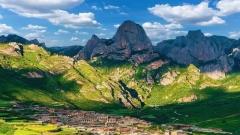
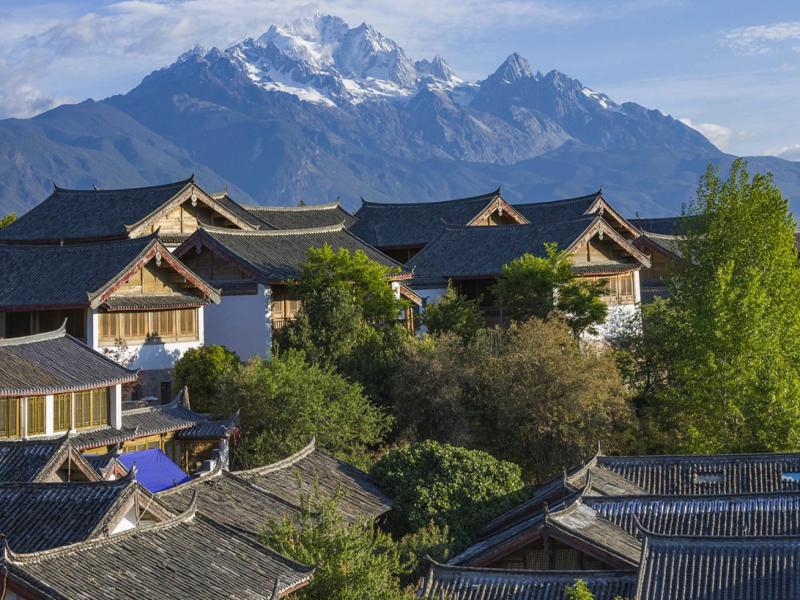
Lijiang Ancient Town sits in northwest Yunnan Province at 2,400 meters above sea level. July average temperatures range from 15°C to 24°C, making it one of China’s most famous summer getaways. You’ll find a well-preserved Naxi ancient town, the majestic Jade Dragon Snow Mountain, and rich minority culture. When southern and eastern China are unbearably hot, Lijiang’s cool and laid-back vibe feels like a true treasure.
Top Sights
The core attraction is Lijiang Ancient Town, first built in the late Song and early Yuan dynasties. Sifang Square is the town center, surrounded by winding alleys. The Big Waterwheel is a landmark. Visit in the early morning or at dusk to avoid daytime tour groups. You should also visit Jade Dragon Snow Mountain. Book your ticket in advance through the official WeChat account. In July, the summit temperature is about 0–5°C, so you’ll need to rent a down jacket. Consider a trip to Shuhe Ancient Town, where you’ll experience a stronger Naxi atmosphere. Jiuding Dragon Pool and Qinglong Bridge are must-sees. Entry is free, perfect for an afternoon stroll.
Lijiang Ancient Town
The Plateau Scenery of Qinghai Lake
Weather
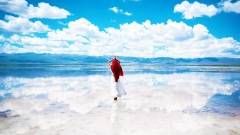
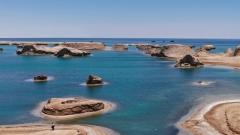
Qinghai Lake is in northeast Qinghai Province. It’s China’s largest inland saltwater lake, with a surface elevation of 3,196 meters. July is the most beautiful time to visit. Average temperatures range from 12°C to 22°C, and tens of thousands of acres of rapeseed flowers are in full bloom. However, the temperature swings dramatically between day and night. On sunny days, it can reach 22°C, but at night it may drop to around 5°C. Rainfall is light, though afternoon showers are possible. UV radiation is extremely strong, you are recommended to take sun protection.
Top Sights
The core scenic area is Erlangjian Scenic Area, where you can get close to the water. A statue of the Queen Mother of the West stands in the lake. Entry is 90 RMB. Sightseeing boats are available to take you to the island in the lake’s center (about 100 RMB). Chaka Salt Lake is about 150 km west of Qinghai Lake. Entry is 60 RMB, and the small train costs 50 RMB. Visit on a sunny morning or late afternoon for the best light. When walking on the salt flats, you must wear shoe covers provided by the scenic area or bring your own waterproof shoes. The West Ring Road is the most beautiful driving route around Qinghai Lake, the road runs right alongside the water, with several viewing platforms where you can park and take photos for free.
The Grassland Culture of Hulunbuir
Weather
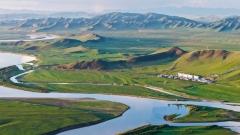
Hulunbuir Grassland is in northeastern Inner Mongolia. It’s one of China’s best-preserved grasslands. In July, average temperatures range from 15°C to 26°C, and the grassland is at its peak. You’ll see green grass stretching forever, wildflowers everywhere, herds of cattle and sheep, and yurts dotting the landscape under blue skies and white clouds, the perfect time to experience grassland culture. Days are warm and comfortable, around 25°C, while nights drop to about 12°C, a clear day-night difference. Rainfall is light, mostly sunny, though brief thunderstorms may occur. UV radiation is strong.
Top Sights
If you visit Hulunbuir, don’t miss the Meilegile River. It’s free to visit, and the best viewing spot is from the top of Duanya Cliff, where you can look out over the vast grassland. Next, head to the Ergun Wetland, Asia’s largest wetland. In July, the vegetation is lush and birdlife abundant. Entry is 65 RMB, with a sightseeing bus (15 RMB) available. Take the observation deck for a panoramic view. You might also visit Manzhouli, a border town between China and Russia with a distinctly exotic feel. The Matryoshka Square is a local landmark. Entry to the scenic area is 80 RMB, and you can see into Russian territory from there.
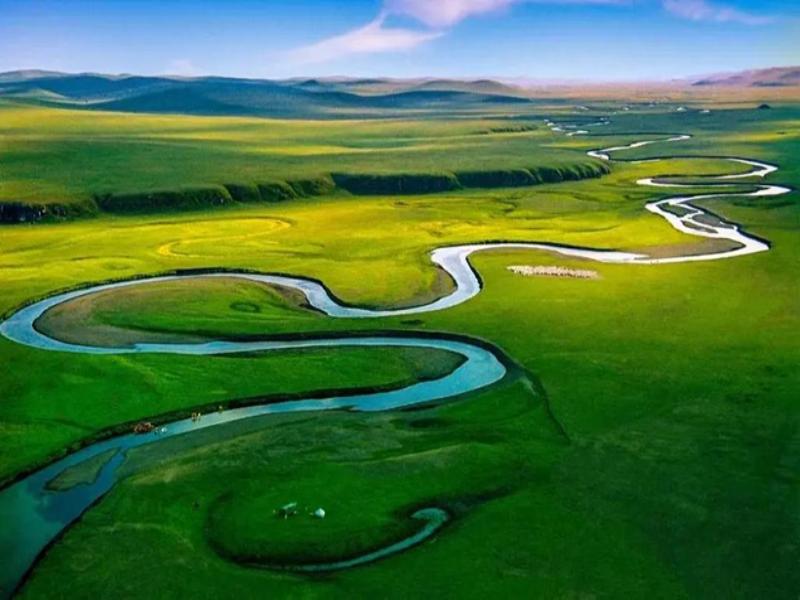
the Hulunbuir Grassland
The Seaside Getaway of Xiamen
Weather
Xiamen sits on the southeast coast of Fujian Province. July average temperatures range from 26°C to 33°C. While the temperature isn’t low, the sea breeze makes it feel much more comfortable than inland cities. July in Xiamen is hot and humid, with afternoon highs above 33°C, but the sea breeze brings some relief. Rainfall is frequent, mostly as afternoon thundershowers. Typhoons can occasionally affect the area. July is also peak typhoon season, so check the weather forecast before you travel.
Top Sights
You are recommended to visit Gulangyu Island, a UNESCO World Heritage site. Sunlight Rock is the island’s highest point, offering a panoramic view of the whole island and downtown Xiamen (ticket 50 RMB). Shuzhuang Garden, the Piano Museum, and Longtou Road snack street are all worth your time. July is crowded – try to arrive before 8:00 am. The Island Ring Road is Xiamen’s most beautiful coastal drive, stretching 31 km. Rent a shared bike and enjoy the sea views, beaches, and sculptures. Baicheng Beach and Huangcuo Beach are popular swimming spots, you can choose either one.
The Canyon of Nyingchi
Weather
Nyingchi is located in southeastern Tibet at an elevation of approximately 3,000 meters. July average temperatures range from 12°C to 22°C, making it the lowest and most temperate area in Tibet. The July rainy season brings abundant rainfall, with clouds and mist surrounding the dense forests, earning Nyingchi the name “the Jiangnan of Tibet.” Temperature differences between day and night are significant, so you will need a jacket in the evening. UV radiation is strong, so sun protection is essential.
Top Sights
The core attraction in Nyingchi is the Yarlung Tsangpo Grand Canyon. As the world’s deepest and longest canyon, it has abundant water in July, with lush vegetation on both sides of the canyon. Entrance fee is 150 RMB. Namcha Barwa Peak stands at 7,782 meters. July brings frequent clouds, with early morning and evening being the best times for viewing. Lulang Forest is known as a natural oxygen bar. In July, the meadows are open and wildflowers are in full bloom. Entrance fee is 60 RMB. Basong Tso is a high altitude lake with emerald green water. On the island in the middle of the lake sits a thousand year old temple. Entrance fee is 120 RMB.
The Royal Garden of Chengde
Weather
Chengde is located in northeastern Hebei Province. July average temperatures range from 22°C to 31°C, which is 3°C to 5°C lower than surrounding cities like Beijing and Tianjin. July rainfall is moderate, mostly brief showers. UV radiation is moderate.
Top Sights
The Chengde Mountain Resort was the summer palace of Qing Dynasty emperors and is the largest surviving classical imperial garden in China. Entrance fee is 130 RMB. The resort consists of four sections: the palace area, lake area, plain area, and mountain area. Putuo Zongcheng Temple is the largest of the Eight Outer Temples, built in imitation of the Potala Palace in Tibet. Entrance fee is 80 RMB. Puning Temple is known for housing the world’s tallest wooden statue of the thousand armed, thousand eyed Guanyin. Entrance fee is 80 RMB. Qingchui Peak is a natural landmark of Chengde, with a stone pillar on the summit that is thick at the top and thin at the bottom.
The Seaside Garden of Dalian
Weather
Dalian is located at the southern tip of the Liaodong Peninsula, a port city where the Yellow Sea and Bohai Sea meet. July average temperatures range from 22°C to 28°C, making it the most comfortable coastal city in northeast China. July rainfall is moderate, mostly brief showers. The sea breeze is cool and comfortable. UV radiation is moderate.
Top Sights
Xinghai Square is the largest city square in Asia. The Century City Sculpture and the Wordless Book are its landmark features. Laohutan Ocean Park is the largest ocean theme park in China. Entrance fee is 220 RMB, which includes the Polar Aquarium, Coral Aquarium, and Happy Theater. Binhai Road is 40 km long and is Dalian’s most beautiful coastal scenic avenue, suitable for hiking or cycling. Bangchuidao Island is a summer retreat for national leaders. Entrance fee is 20 RMB, and the water is clear. Jinshitan National Tourist Resort features a geological park and Golden Coast Beach. A combined ticket is 200 RMB.
The Bamboo Forest Coolness of Moganshan
Weather
Moganshan is located in Deqing County, Huzhou City, Zhejiang Province, at an elevation of about 800 meters. July average temperatures range from 22°C to 30°C, which is 5°C to 8°C lower than the surrounding plains, making it one of the most famous summer retreats in the Jiangnan region. July marks the end of the rainy season, with relatively frequent rainfall, mostly light or intermittent rain. After rain, the air is fresh, and clouds and fog often linger in the mountains.
Top Sights
Moganshan is known for its hundreds of villas left from the Republic of China era. Entrance fee is 100 RMB. Wuling Village is the core area of the villa complex, where Chiang Kai shek’s official residence is located. Sword Pool is the most famous natural attraction on Moganshan, with a waterfall cascading down from the mountain. Luhuadang Park is a flat area at the summit with an open view, offering a panoramic view of the surrounding mountains. Moganshan Town is located at the foot of the mountain and has seen the development of many boutique guesthouses and cafes in recent years. Yucun Cultural Market has a variety of handicraft shops and restaurants.
The Cool City Retreat of Liupanshui
Weather
Liupanshui is located in western Guizhou Province at an average elevation of 1,700 meters. July average temperatures range from 19°C to 22°C, earning it the title of “China’s Cool City” from the China Meteorological Society. July brings frequent rainfall, mostly light intermittent rain, with fresh air after the rain. UV radiation is moderate, and the climate feels comfortable.
Top Sights
Wumeng Grassland is the highest elevation grassland in southwest China. In July, the grass is lush and wildflowers are scattered across the landscape. Entrance fee is 30 RMB. Tuole Ancient Ginkgo Village is home to more than 1,200 ancient ginkgo trees, providing dense shade in summer. Yushe National Forest Park features forest and stream landscapes. Entrance fee is 40 RMB.
The Rural Landscape of Puzhehei
Weather
Puzhehei is located in Qiubei County, Wenshan Zhuang and Miao Autonomous Prefecture, Yunnan Province, at an elevation of about 1,500 meters. July average temperatures range from 18°C to 26°C, making it one of the most comfortable summer destinations in southeastern Yunnan. July brings relatively frequent rainfall, mostly showers, with fresh air after rain and morning mist often hanging over the lake. UV radiation is moderate, with cool mornings and evenings.
Top Sights
Puzhehei Scenic Area is known for its karst peaks and wetland lakes. Entrance fee is 80 RMB (including sightseeing bus). Swan Lake is the core of the scenic area. In July, lotuses are in full bloom, with white and pink flowers covering the lake surface. Qinglong Mountain is the best vantage point for a panoramic view of Puzhehei, with a climb to the summit taking about 20 minutes. Xianrendong Village is a Yi ethnic village that preserves traditional adobe houses and folk culture. Puzhehei Lake covers an area of about 4 square kilometers. You can take a willow leaf boat (about 100 RMB) to tour the lake and enjoy the reflections of the karst peaks along the way.
Tips for Visiting China in July
Pay Attention to Weather
July weather changes frequently. In the week before your departure, keep an eye on weather forecasts for your destination, especially heat alerts, heavy rain warnings, and typhoon updates. Keep a reliable weather app on your phone for real-time information.
Making Flexible Plans
During the July rainy season, mountain attractions may close suddenly due to heavy rain. Coastal areas may see flight or ferry cancellations from typhoons. Have a backup plan for each day, and book flights and hotels that allow changes or refunds.
Heatstroke prevention
If you’re visiting hot regions like south, east, or north China, avoid outdoor activities between 11:00 am and 3:00 pm. Carry plenty of drinking water. Bring heat relief supplies like anti-heat capsules, cooling oil, or cooling patches. Don’t stay in the sun for long periods during extreme heat.
Insects protection
Summer is peak season for mosquitoes and other insects – especially on grasslands, by lakes, in mountain forests, and in humid southern areas. Use insect repellent containing DEET, or bring mosquito patches or an electric mosquito repellent. When visiting grassland areas, wear light-colored long-sleeved shirts and pants to avoid bites.
Best Summer Destinations in China and Weather in July
In July, China offers everything from vast northern grasslands to southern plateau lakes, from eastern coastal cities to western snow-capped mountains. Each destination has its own unique summer charm. Lijiang’s ancient, cool streets – Qinghai Lake’s flower-filled shores and blue waters – Hulunbuir’s boundless, free grasslands – Xiamen’s seaside breeze and artistic vibe. All of these places shine in the July sun. By understanding the weather beforehand, protecting yourself from sun and rain, and planning your trip wisely, you’ll create unforgettable summer memories. May you reach the destination of your dreams and meet China’s most beautiful summer along the way.