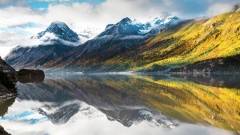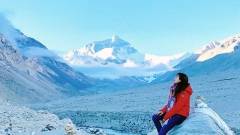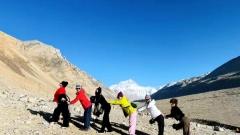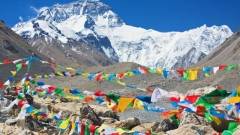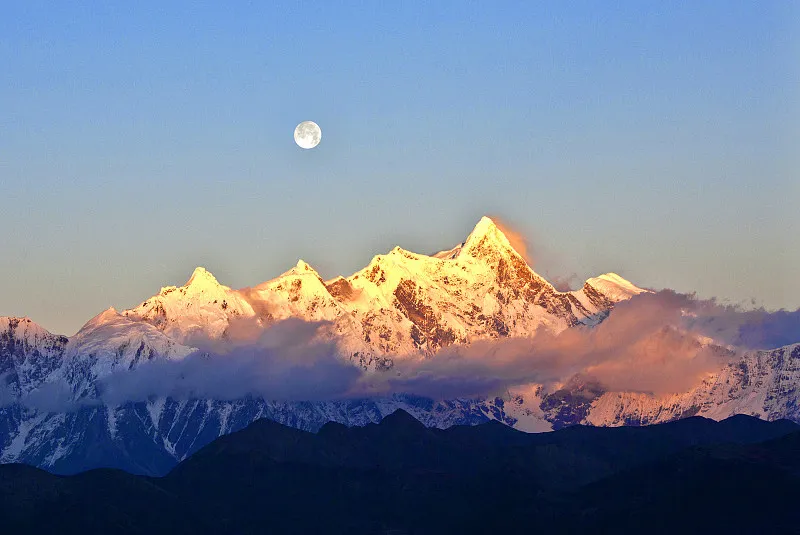

March is the golden season for traveling to Tibet. Peach blossoms in Nyingchi, eastern Tibet, break through the chill of the snow-covered land first, becoming the highlight of Tibet tourism in March. At this time, Tibet boasts the vast pink peach blossoms in Bomi Peach Blossom Valley, the stunning blue ice wonders of Laigu Glacier, the profound cultural heritage of the millennia-old Potala Palace, the grand snow-capped scenery of Everest Base Camp, the unique half-frozen and half-water view of Yamdrok Lake, and the crystal-clear Ranwu Lake. With fewer tourists and pleasant weather, it is perfect for slow sightseeing and photography, where nature and culture blend seamlessly for an authentic Tibetan experience.
Must-Visit Natural Attractions for Tibet Tourism in March
- Bomi Peach Blossom Valley
Bomi Peach Blossom Valley is the core scenic spot of the Nyingchi Peach Blossom Festival and the prime destination for viewing peach blossoms in Tibet in March. Most wild peach trees here are over a hundred years old, with gnarled branches stretching upward. Pink peach blossoms bloom in profusion along both banks of the Parlung Zangbo River, forming a striking visual contrast with the distant snow-capped mountains and the highland barley fields at their feet. March is the peak blooming period; in the early morning, mist shrouds the sea of flowers and snow mountains, making it the golden hour for shooting landscape masterpieces. You can also walk into the Tibetan villages in the valley, join local villagers in the folk activities of the Peach Blossom Festival, and experience the original ecological spring atmosphere in eastern Tibet.
Travel Tips: ① The best time to visit is before 9 a.m., when mist lingers and light is soft, ideal for photography; ② There are limited dining options in the valley’s villages, so it is recommended to bring portable snacks and drinking water; ③ Avoid stepping on highland barley fields while taking photos to respect local farmers’ crops.
- Laigu Glacier (Midui Glacier)
Laigu Glacier, adjacent to Ranwu Lake, is the largest glacier group in Tibet. In March, the glacier still retains the winter blue ice texture, with its ice tongue extending directly to the lakeshore. Cracks on the ice surface form blue lines of varying depths, and ice caves shimmer with bright blue light under sunlight refraction, delivering a powerful visual impact. Tourists can hike to the foot of the glacier to touch the blue ice up close and observe its geological texture. If Laigu Glacier is closed due to weather or other reasons, Midui Glacier is an excellent alternative. Its glacier cascades down from a 6,800-meter snow-capped mountain, blending with forests, meadows and lakes. In spring, sporadic alpine wildflowers emerge around the glacier, combining elegance with grandeur.
Travel Tips: ① The glacier surface has hidden crevasses; never leave the trail without permission, and it is advisable to go with a local guide; ② The temperature in the glacier area is extremely low, so wear anti-slip crampons and warm gloves; ③ Blue ice is highly reflective, so be sure to wear sunglasses to prevent snow blindness.
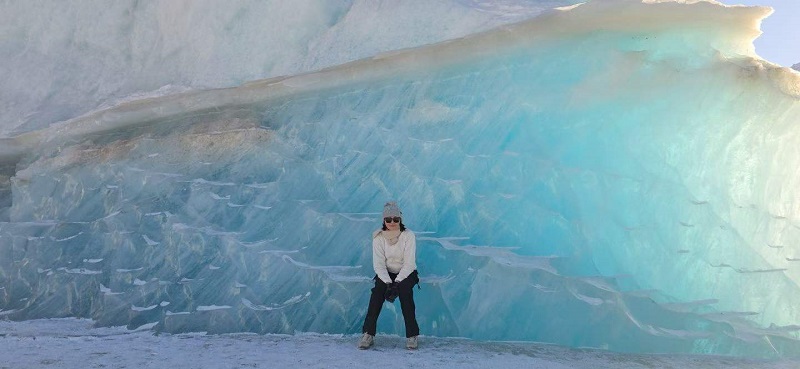
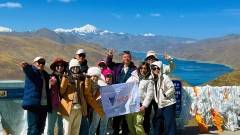
Tourist Photos of Laigu Glacier
- Yamdrok Lake
Yamdrok Lake (also known as Yamdrok Yumtso) is one of the three holy lakes in Tibet. In March, it presents a unique “half-frozen, half-water” landscape. Half of the lake surface is covered with blue-white ice crystals, while the other half is clear turquoise water, with snow-capped mountains reflected on the surface, creating a serene and magnificent scene. The viewing platforms along the lake are the best places to admire Yamdrok Lake, especially the one at Gangbal Pass, which offers a bird’s-eye view of the lake’s winding curves. You can also drive along the lakeshore, passing through Tibetan villages and grasslands, and occasionally spot herdsmen’s cattle and sheep wandering by the lake, making it a great way to experience the original ecological beauty of this plateau holy lake.
Travel Tips: ① Gangbal Pass is about 4,990 meters above sea level; stay for no more than 30 minutes to avoid worsening altitude sickness; ② The wind by the lake is strong, so wear a windproof coat and secure your hat and scarf properly; ③ Some sections of the lake loop are winding dirt roads, so it is recommended to choose a four-wheel-drive vehicle and drive cautiously.
Must-Visit Cultural Attractions for Tibet Tourism in March
- Potala Palace
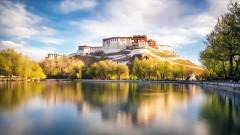
The Potala Palace is a landmark of Lhasa and an important holy site of Tibetan Buddhism. In March, with fewer tourists, you can visit this world’s highest palace complex at a leisurely pace. The palace consists of the Red Palace and the White Palace. The Red Palace is a venue for religious activities, housing a large number of murals, Buddha statues and precious scriptures, among which Sakyamuni’s life-size statue is the most treasured relic of the palace. The White Palace was the living and administrative area of the Dalai Lama, where you can see exquisite details of Tibetan architecture. After the visit, you can go to the Medicine King Mountain Viewing Platform to shoot the classic outline of the Potala Palace—especially at dusk, when the setting sun bathes the palace walls in golden light, creating a captivating atmosphere.
Travel Tips: ① Tickets must be booked 1–3 days in advance through official channels; overseas tourists can book with their passports; ② Shorts and slippers are prohibited inside the palace; keep your hat off and maintain silence throughout the visit; ③ To shoot the panorama of the Potala Palace from the Medicine King Mountain Viewing Platform, it is recommended to bring a telephoto lens, with the best light around 6 p.m.
- Jokhang Temple and Barkhor Street
Jokhang Temple is the oldest temple in Lhasa, housing Sakyamuni’s 12-year-old life-size statue and serving as the core pilgrimage site for Tibetan Buddhist believers. In March, the temple is filled with thick incense, and you can see believers from all over the world prostrating themselves and turning prayer wheels in front of it. Butter lamps burn endlessly inside the temple, and the scent of Tibetan incense lingers, creating a strong religious atmosphere. Barkhor Street (also known as Bajiao Street) surrounding Jokhang Temple is Lhasa’s most vibrant old street. Small shops on the street sell Tibetan handicrafts, butter tea, sweet tea and more. You can buy Tibetan jewelry, Thangka paintings and other special souvenirs, or sit in a Tibetan teahouse on the street, sip a cup of sweet tea and watch believers turn prayer wheels, immersing yourself in the folk customs of Lhasa.
Travel Tips: ① A ticket is required to enter Jokhang Temple; it is recommended to rent an electronic guide to learn more about the temple’s history; ② Compare prices when shopping on Barkhor Street, and purchase Thangka paintings, Tibetan incense and other specialties from authorized stores; ③ Walk along the kora (pilgrimage route) clockwise, never counterclockwise, to respect the believers’ pilgrimage path.

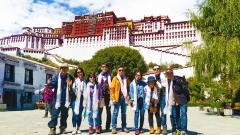
Jokhang Temple Tourist Photos
- Tashilhunpo Monastery
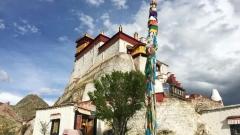
Tashilhunpo Monastery, located in Shigatse, is the largest Tibetan Buddhist monastery in U-Tsang and one of the six major monasteries of the Gelugpa sect. In March, the monastery is free from the hustle and bustle of tourists. Built against a mountain, its golden roofs and red walls look particularly solemn in the spring sun. The monastery houses stupa halls of Panchen Lamas of all dynasties, among which the stupa of the 4th Panchen Lama is the most magnificent, inlaid with numerous jewels and jade. Wandering through the monastery, you can see monks reciting scriptures in the scripture hall and prayer wheels turning slowly in the wind. You can also climb to the highest point of the monastery to overlook the entire city of Shigatse and feel the profound heritage of U-Tsang’s religious culture.
Travel Tips: ① The monastery is open from 9:00 a.m. to 5:00 p.m.; it is recommended to visit in the morning to avoid the closing period for monks’ scripture recitation in the afternoon; ② Photography is prohibited inside the stupa halls, and permission from the staff is required for shooting outside; ③ A taxi ride from downtown Shigatse costs about 10 CNY; it is recommended to visit Zongshan Ancient Castle together to save travel time.
- Lulang International Tourism Town
Lulang International Tourism Town, nestled at the foot of snow-capped mountains, is a characteristic town in southeastern Tibet that integrates the cultures of Tibetan, Han, Monba, Lhoba and other ethnic groups. In March, the town is surrounded by snow-capped mountains and forests. Tibetan-style buildings are arranged in an orderly manner, and stone roads and wooden fences are paired with peach blossoms blooming in early spring, exuding great charm. The town has Tibetan homestays and specialty food streets, where you can taste classic dishes such as Lulang stone pot chicken, and experience Tibetan handicraft making, Guozhuang dance and other folk activities, making it an ideal place to experience the folk customs and pastoral life of southern Tibet.
Travel Tips: ① For Lulang stone pot chicken, choose restaurants that use free-range Tibetan fragrant chickens for a rich and flavorful soup; ② For Tibetan handicraft experiences, try weaving Tibetan blankets or making butter sculptures—some homestays offer free lessons; ③ The temperature drops sharply at night in the town; most homestays are equipped with oxygen supply facilities, so confirm this before check-in.
- Recommended Tibet Itinerary: 2026 Nyingchi Peach Blossom Festival, Bomi Peach Valley, Lhasa, Yamdrok Lake, Everest & Qinghai-Tibet Railway 13-Day Tour:https://www.chinadragontravel.com/tour/13-day-tibet-peach-blossom-tour/
- More Recommended Itineraries: 2026 Nyingchi Peach Blossom Festival, Lhasa, Yamdrok Lake, Everest & Qinghai-Tibet Railway 11-Day Tour:https://www.chinadragontravel.com/tour/11-day-tibet-peach-blossom-tour/#dates
Climate & Dressing Suggestions
– Temperature Range: The overall temperature is low, with an extreme day-night temperature difference. Daytime temperatures range from 5℃ to 15℃, while nighttime temperatures drop to -5℃ to 5℃. In some high-altitude areas (e.g., Everest Base Camp, Gangbal Pass), nighttime temperatures can plummet to below -10℃.
– Weather Conditions: Mostly sunny days with intense sunlight and ultra-strong UV radiation. Occasional snow flurries occur, especially in high-altitude attractions, accompanied by strong winds, making the perceived temperature lower than the actual reading.
– Regional Differences: Eastern Tibet areas like Nyingchi and Bomi have relatively mild climates with less snowfall; Lhasa and Shigatse are dry; high-altitude regions such as Everest and Nam Co are cold and windy.
Dressing Suggestions (Core Principle: Layered Dressing for Easy On-and-off)
– Base Layer (Warmth & Sweat-wicking): Choose quick-drying thermal underwear sets. Avoid cotton underwear—when soaked with sweat, it clings to the skin and causes chills, increasing the risk of altitude sickness.
– Mid Layer (Heat Retention): Fleece jackets, lightweight down jackets, or cashmere sweaters are recommended. You can add or remove this layer during daytime activities based on your comfort level.
– Outer Layer (Windproof & Cold-resistant): A windproof and waterproof hardshell jacket or thick down jacket is a must, to cope with cold winds and sudden snowfall in high-altitude areas. For trips to Everest, glaciers and other extreme spots, a long down jacket is advised to protect legs from frostbite.
– Bottoms: Wear quick-drying thermal leggings as the base layer, paired with windproof softshell pants or fleece-lined jeans on the outside. For high-altitude areas, add a pair of down pants for extra warmth.
– Footwear: Opt for mid-to-high-top waterproof and non-slip hiking boots, matched with thick wool socks. This prevents foot frostbite and handles rough terrains like stone paths and dirt roads.
– Accessories: A sun hat, sunglasses, neck gaiter, gloves, and scarf are indispensable. Choose UV-protective sunglasses to shield against glare from snow and sunlight. Prepare two pairs of gloves (thin touchscreen gloves for daily use, thick fleece gloves for high-altitude areas). Carry sunscreen with SPF50+ and PA++++, as well as lip balm and moisturizer to relieve dryness.
Tibet Travel Transportation Guide for March
External Round-Trip Transportation
– Flight: Direct flights from major domestic cities to Nyingchi or Lhasa cost 1,500–2,500 CNY for a one-way ticket in March, with discounts available for early bookings. Short-haul flights between Nyingchi and Lhasa are priced at approximately 500–800 CNY one way.
– Train (Qinghai-Tibet Railway): It is highly recommended to take the train from Xining Station to Lhasa; a hard sleeper ticket costs 500–700 CNY one way. You can enjoy the plateau scenery including snow-capped mountains, grasslands and salt lakes along the way, and gradually acclimatize to the high altitude. The bullet train between Lhasa and Nyingchi costs 120–150 CNY per person and takes 3.5–4 hours.
Local Attraction Transportation
– Shared Ride: The average cost of a shared ride to short-distance attractions like Yamdrok Lake is about 150 CNY per person. A shared round-trip ride to Everest Base Camp costs around 400 CNY per person, usually including the service of border pass processing.
– Chartered Car: The daily rental fee for a 4-seater off-road vehicle is 1,200–1,500 CNY, covering fuel costs and the driver’s accommodation and meals. It is ideal for visiting scattered attractions such as Bomi Peach Blossom Valley, Laigu Glacier and Lulang Town, with high flexibility in itinerary arrangement.
– Urban Transportation: In downtown areas like Lhasa and Shigatse, you can choose buses or shared electric bikes, with an average daily cost of about 20 CNY. The starting fare for short-distance taxi rides is 10 CNY, ensuring convenient and efficient travel.
Budget Reference
- Fixed Expenses
– Accommodation: Budget hostels cost 50–80 CNY per person per night. Mid-range homestays or hotels are priced at 200–300 CNY per person per night. Total accommodation fees can be calculated based on the number of travel days.
– Entrance Tickets: Reference prices for core attractions: Potala Palace 200 CNY, Jokhang Temple 85 CNY, Tashilhunpo Monastery 100 CNY, Yamdrok Lake 120 CNY, Laigu Glacier 150 CNY. Total ticket expenses can be figured out according to your chosen attractions.
– Other Essentials: The service fee for processing the Everest border pass is about 50 CNY per person. The cost of altitude sickness medicine, portable oxygen tanks and other plateau necessities ranges from 100–200 CNY per person.
- Flexible Expenses
– Catering: The average daily catering cost is 80–120 CNY per person, mainly featuring Tibetan cuisine and Sichuan cuisine. The average cost of special delicacies like Lulang stone pot chicken is about 80–100 CNY per person.
– Supplementary Transportation: The total shared ride cost per person ranges from 550–1,000 CNY depending on the trip length. The total chartered car cost per person is roughly 2,000–5,000 CNY, varying with the number of travel days.
- Total Budget Range
– Budget-Friendly Option (round-trip train + shared rides for attractions + hostel accommodation): Approximately 3,000–5,000 CNY per person.
– Comfort Option (round-trip flight/train + chartered car + mid-range homestay): Approximately 7,000–12,000 CNY per person.
Notes for Tibet Tourism in March
Religious and Cultural Taboos
When entering religious sites such as the Potala Palace and Jokhang Temple, be sure to take off your hat, avoid wearing overly exposed clothing such as shorts and miniskirts, and maintain a solemn attitude during the visit. Do not touch Buddha statues, scriptures, ritual instruments and other religious artifacts at will, and never photograph cultural relics and statues inside the halls without the permission of the staff. When encountering believers prostrating themselves or turning prayer wheels, do not watch or disturb them; keep a proper distance and bypass them to respect local religious beliefs and cultural traditions.
Etiquette for Cultural Photography
Before taking photos of local Tibetans and village scenes, always communicate proactively and ask for permission with a smile—this is basic respect for local residents. If the other party clearly refuses, do not take photos forcibly or follow them for candid shots. When shooting Tibetan-style buildings and folk activities, also pay attention to no-photography signs to avoid unnecessary misunderstandings.
Ecological Environment Protection
Tibet’s ecological environment is extremely fragile with a long recovery cycle. Carry a garbage bag with you throughout the trip, pack all the garbage you generate and take it away, and never litter in grasslands, lakes, glaciers and other areas. Do not pick alpine wildflowers, step on meadows or feed wild animals to preserve the natural ecology. When engaging in activities near waters such as Yamdrok Lake and Ranwu Lake, never play in the water or discard debris, and jointly protect the purity and beauty of the plateau.
Safety Travel Tips
Tibet has a vast territory, with long distances between attractions. Some road sections have complex conditions, with rugged mountain roads and many curves. If driving by yourself, drive cautiously, avoid fatigue driving, travel with companions and plan your driving route in advance. Never go to undeveloped remote areas alone, such as the depths of glaciers and uninhabited grasslands, to prevent getting lost or encountering sudden weather changes on the plateau. Carry common medicines with you, such as cold medicine, gastrointestinal medicine and band-aids, for emergencies.
If you want to make the preparation for your Tibet trip in March more worry-free and your travel experience more enjoyable, China Dragon Travel has been deeply engaged in Tibet tourism for many years, with abundant local resources and a professional service team. We can customize exclusive travel routes according to different tourist needs, match experienced drivers and guides, not only take you to avoid crowds and accurately visit the best viewing spots of each attraction, but also provide comprehensive pre-trip guidance and thoughtful travel guarantees. You don’t need to spend a lot of time planning, and can easily explore every wonderful aspect of Tibet’s spring, fully immersing yourself in the stunning scenery and profound culture of the snow-covered plateau.