
If you’re planning a trip around Chengdu, you’ve probably asked yourself: “Is the Sanxingdui Museum worth visiting?” Located in Guanghan, Sichuan Province, this extraordinary museum showcases one of the most astonishing archaeological discoveries in the world. Home to legendary artifacts such as the Bronze Standing Figure, the Gold Scepter, and the iconic Bronze Masks, Sanxingdui offers a fascinating glimpse into the mysterious Ancient Shu civilization. This comprehensive guide explores its historical significance, must-see treasures, and practical travel tips to help you decide whether it deserves a place on your itinerary.
Why Sanxingdui Museum Is Absolutely Worth Visiting
If you have even a passing interest in history, archaeology, art, or mysterious ancient cultures, the answer is a resounding yes—Sanxingdui Museum is well worth traveling out of your way for. Unlike any other museum in China, it offers a surreal, almost otherworldly experience that makes you feel like you’ve stepped through a time portal into an unknown civilization. Every artifact on display holds 3,000 years of untold secrets from the ancient Shu Kingdom, waiting to be explored and interpreted by curious visitors.
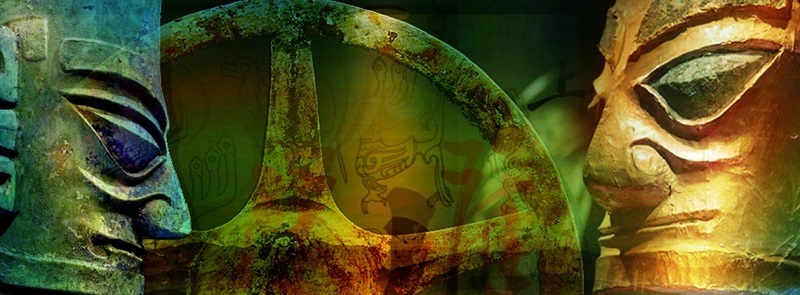
Sanxingdui Museum
One-of-a-Kind Artifacts That Defy Conventional Wisdom
The biggest draw of Sanxingdui lies in its bizarre, never-before-seen artifacts that challenge all preconceived notions of ancient Chinese art and culture. The iconic bronze standing figure, bronze protruding-eye mask, and golden scepter that you’ve seen in history textbooks come to life right in front of your eyes here.
What makes these pieces so extraordinary is their stark contrast to the bronze artifacts from the Central Plains civilizations of the same era. With exaggerated facial features, cryptic symbols, and a wholly unique artistic style, they spark endless curiosity: what was going through the minds of the ancient Shu people 3,000 years ago? Why did they create such radically different objects from the mainstream civilizations of their time?
These questions remain unanswered to this day, and it is precisely this air of mystery that makes Sanxingdui irresistibly fascinating to millions of visitors from around the globe.
Breathtaking Visual and Immersive Experience
The new Sanxingdui Museum, which opened its doors in 2023, is a game-changer for the visitor experience. Boasting five times the floor space of the old museum, it showcases over 1,500 artifacts, many of which are on public display for the very first time.
The exhibition design is cutting-edge and modern, utilizing advanced lighting techniques and multimedia installations to vividly recreate scenes from the ancient Shu Kingdom. As you walk through the galleries, you’ll feel as if you’ve been transported back 3,000 years, standing face-to-face with one of China’s most mysterious ancient civilizations. Standing before the 2.62-meter-tall bronze standing figure, you can’t help but feel the solemnity and grandeur of the ancient Shu monarchy.
Gazing up at the magnificent bronze sacred tree, you’ll marvel at the incredible imagination and craftsmanship of the Shu artisans. And staring into the eerie, expressionless faces of the bronze masks, you’ll be enveloped in their mysterious aura—a visceral shock and spiritual awe that no photograph or video can ever fully capture.
Rich Historical Heritage Proving China’s Diverse Civilization
The discovery of Sanxingdui has irrefutably proven that Chinese civilization did not originate from a single source, but rather evolved as a diverse, integrated tapestry of multiple cultures interacting and influencing one another.
While the Xia and Shang dynasties flourished in the Central Plains, a highly advanced civilization was also thriving in southwest China. The ancient Shu Kingdom had its own proto-writing system, religious beliefs, artistic traditions, and social structure, yet it also exchanged ideas and technologies with the Central Plains civilizations, together forging the brilliant and enduring Chinese civilization we know today.
A visit to Sanxingdui Museum not only deepens your understanding of the development, daily life, and spiritual world of the ancient Shu people but also gives you a profound appreciation for the breadth and depth of Chinese civilization. It reveals that the longevity and vitality of Chinese culture stem from its remarkable inclusivity and diversity.
Ongoing Archaeological Discoveries That Keep Surprising Visitors
Archaeological work at Sanxingdui has never stopped, and new discoveries are made almost every year, filling in the gaps in our knowledge of the ancient Shu civilization and giving visitors fresh reasons to return.
The story of Sanxingdui began in 1929 when a local farmer accidentally unearthed a cache of jade artifacts. Then came the sensational discovery of two sacrificial pits in 1986, which brought Sanxingdui to global attention. Most recently, six new sacrificial pits discovered since 2019 have yielded a treasure trove of stunning artifacts that continue to rewrite history books.
Many of the pieces currently on display in the museum were excavated in just the past few years, including the nearly complete golden mask, the imposing large bronze mask, and the exquisitely carved ivory artifacts. Even if you’ve visited Sanxingdui before, a return trip will reward you with new surprises and a deeper appreciation for the endless allure of the ancient Shu civilization.
Must-See Historical Artifacts at Sanxingdui Museum
With thousands of artifacts on display, it’s easy to feel overwhelmed if you try to see everything. If time is limited, make sure to prioritize these five iconic treasures, each of which is a masterpiece of ancient Chinese art and the very heart of the Sanxingdui civilization. Missing any of these would make your trip feel incomplete.
The Bronze Standing Figure
Standing at 2.62 meters tall, this is the tallest bronze human figure ever discovered in the world, earning it the nickname “the King of Bronze Statues.” Dressed in elaborate, layered robes and standing in a solemn, ritualistic pose with his hands clasped in a circular gesture, he is believed to represent either a supreme ruler or a high priest, embodying the absolute authority of the ancient Shu monarchy.
The Bronze Protruding-Eye Mask
One of the most recognizable symbols of Sanxingdui, this mask features eyes that bulge out in cylindrical shapes and ears that extend dramatically to the sides, as if it can see everything in heaven and earth and hear all sounds. Its purpose remains one of the greatest mysteries of Sanxingdui, adding to its aura of intrigue and fascination.
The Bronze Sacred Tree
At 3.96 meters tall, this is the largest bronze sacred tree ever found. With a straight trunk, lush branches, nine sacred birds perched on its boughs, and a dragon coiling around its base, it symbolizes the ancient Shu people’s cosmology, representing a sacred bridge connecting heaven, earth, humans, and deities. The level of craftsmanship is simply astounding, especially considering it was created over 3,000 years ago.
The Golden Scepter
Measuring 1.43 meters long and covered in pure gold, this scepter is engraved with intricate patterns of fish, birds, and human figures. It is the ultimate symbol of royal power in the ancient Shu Kingdom and a testament to the kingdom’s prosperity and advanced goldworking techniques. It also reflects the Shu people’s deep reverence for nature.
The Golden Mask
Unearthed in 2021, this stunning artifact is one of the most recent and exciting discoveries at Sanxingdui. Although only half of the mask is currently on display, it is still incredibly impressive, with its delicate features and exquisite craftsmanship. It is a powerful symbol of the ancient Shu people’s reverence for gold and their extraordinary metallurgical skills.
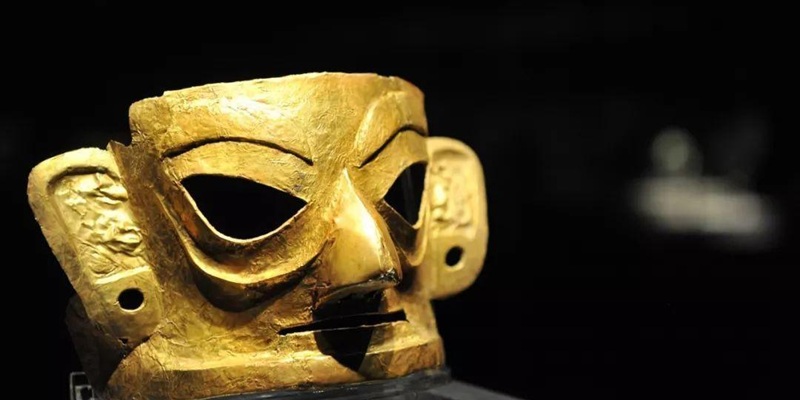
The Golden Mask
How to Make the Most of Your Sanxingdui Visit
If you’ve decided to make the trip to Sanxingdui Museum, following these practical tips will drastically enhance your experience, help you avoid common pitfalls and wasted time, and ensure that you get the most out of your visit, truly immersing yourself in the magic of the ancient Shu civilization.
Plan Your Time Wisely and Avoid Crowds
Sanxingdui Museum is open daily from 8:30 AM to 6:00 PM, with last admission at 5:00 PM. To beat the crowds and have plenty of time to explore at a leisurely pace, it’s best to arrive early, ideally before 9:00 AM.
At this time, the museum is relatively quiet, and you’ll be able to view the most popular artifacts without jostling for space or waiting in long lines. Weekends and public holidays are peak times, especially during the spring and autumn tourist seasons when visitor numbers surge dramatically.
If you can only visit during these times, be sure to book your tickets in advance through the official WeChat public account and be prepared for longer waits to enter the museum and view the most famous exhibits. Plan to spend 3 to 4 hours at the museum—rushing through will only leave you feeling unsatisfied and missing out on many of the highlights.
Follow the Optimal Visiting Route
The new Sanxingdui Museum has three floors, housing three main exhibition halls with distinct themes. The best way to experience the museum is to visit the floors in order from the first to the third, following the chronological development of the Sanxingdui civilization to gain a comprehensive understanding of its evolution.
- The first floor’s Exhibition Hall 1, titled Century of Discovery, chronicles the history of Sanxingdui’s discovery and excavation, highlighting the tireless work of archaeologists over the decades. It takes you on a journey from the first accidental find in 1929 to the groundbreaking discoveries of recent years, giving you a behind-the-scenes look at how archaeologists piece together the puzzle of the ancient Shu civilization.
- The second floor’s Exhibition Hall 2, The Majestic Royal Capital, focuses on the daily life, production methods, and craftsmanship of the ancient Shu Kingdom. Through a combination of artifacts, dioramas, and interactive displays, it vividly recreates what life was like for the people of Sanxingdui, from farmers and artisans to nobles and royalty.
- The third floor’s Exhibition Hall 3, Heaven, Earth, Humans and Deities, delves into the religious beliefs and spiritual world of the ancient Shu people. It explores their relationship with nature, their worship of gods and ancestors, and their unique cosmology, offering a profound insight into the core of the Shu civilization.
Hire a Professional Guide
This is the single most important step to elevate your visit to Sanxingdui. Without a guide, many of the artifacts will just look like interesting pieces of metal and gold—you’ll miss out on their deeper meaning, the stories behind them, and the rich cultural context that makes Sanxingdui so special. You have two options: rent an audio guide at the museum entrance, which is affordable and easy to use, providing detailed information about each artifact. For a more immersive and personalized experience, consider hiring a human guide. While slightly more expensive, a knowledgeable human guide will bring the ancient Shu civilization to life with vivid stories, answer all your questions, and point out details you would never notice on your own, making your visit far more educational and memorable.
Frequently Asked Questions about Sanxingdui Museum
Q: How to Buy Tickets and How Much Do They Cost?
A: Tickets for Sanxingdui Museum can be purchased in advance through the official WeChat public account or bought on-site at the ticket office. It is strongly recommended to book in advance, especially during peak tourist seasons, to avoid long lines and the risk of tickets selling out. Standard tickets cost 72 RMB per person, while student tickets are available for 36 RMB per person with a valid student ID. Admission is free for seniors aged 60 and above and children under 1.3 meters tall. Tickets are valid for one day only and allow a single entry—you cannot re-enter the museum once you leave.
Q: How to Get to Sanxingdui Museum from Chengdu?
A: There are several convenient ways to travel from Chengdu to Sanxingdui Museum, so you can choose the option that best suits your budget and schedule:
- High-Speed Train: Take a high-speed train from Chengdu East Station or Chengdu South Station to Guanghan North Station. The journey takes approximately 20 minutes and is the fastest and most affordable option. From Guanghan North Station, it’s just a 10-minute taxi ride to the museum, costing around 15-20 RMB.
- Direct Tour Bus: Direct tourist buses to Sanxingdui depart from popular locations in Chengdu such as Chunxi Road, Wuhou Temple, and Kuanzhai Alley. Round-trip tickets cost approximately 50 RMB per person, and the journey takes about 1 hour. The buses drop you off right at the museum entrance, making this the most hassle-free option for many travelers.
- Self-Driving: If you prefer the flexibility of driving yourself, take the Beijing-Kunming Expressway from downtown Chengdu. The drive takes about 1 hour, and the museum has a large, dedicated parking lot with plenty of spaces available. Self-driving is ideal if you want to combine your visit to Sanxingdui with other nearby attractions.
- Group Tour: You can choose a one-day group tour to Sanxingdui from a regular travel agency, which includes round-trip transportation, tickets and professional explanation. You don’t have to worry about anything during the whole process, and you can also learn more stories behind the cultural relics. It is suitable for tourists who don’t want to bother with planning and pursue a worry-free experience, and the price varies according to different group types.
Q: Are There Dining Options Inside the Museum?
A: Yes, the museum has several restaurants and cafes that offer a variety of light meals, snacks, and beverages. The restaurants serve simple Chinese dishes such as rice bowls, noodles, and set meals. While the prices are slightly higher than what you would pay outside the museum, the food is decent and will satisfy your hunger. Alternatively, you can bring your own snacks and water and eat them in the museum’s designated rest areas. This is a great way to save money and keep your energy levels up throughout your visit without having to interrupt your exploration to find a restaurant.
Q: Is Photography Allowed in the Museum?
A: Photography is permitted in most areas of the museum, so you can capture your favorite artifacts and memories of your visit. However, the use of flash photography and tripods is strictly prohibited, as the bright light can damage the delicate ancient artifacts over time. Some special exhibits may have additional photography restrictions, which will be clearly marked with signs. Please respect these rules and help protect these precious cultural treasures so that future generations can also enjoy the beauty and mystery of the ancient Shu civilization
Is the Sanxingdui Museum Worth Visiting? A Journey Through 3,000 Years of History
The answer is a resounding yes. The Sanxingdui Museum stands as one of China’s most remarkable cultural and archaeological landmarks. Its unparalleled artifacts, groundbreaking discoveries, and immersive exhibitions offer visitors a deeper understanding of the diversity and brilliance of Chinese civilization. Whether you are passionate about history, fascinated by ancient mysteries, or simply seeking a unique cultural experience, a visit to Sanxingdui is both enlightening and unforgettable.
For a seamless and enriching journey, consider traveling with China Dragon Travel. With expertly designed Chengdu and Sanxingdui tours, professional guides, and hassle-free transportation, the company ensures a smooth and insightful exploration of this world-renowned heritage site.