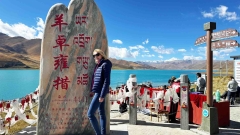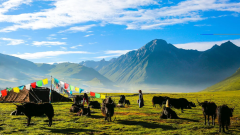

When people search “is trekking in Tibet dangerous?”, they are usually already caught between fascination and hesitation. Tibet is not a typical hiking destination – most regions sit above 3,000 meters, and routes like Lhasa to Everest Base Camp combine extreme altitude with rapidly changing terrain.
The real risk is rarely a single factor. Instead, it comes from a combination of altitude exposure, weather volatility, limited logistics, and travel restrictions. Once these variables are understood and properly managed, most trekking routes in Tibet can be completed safely – the key lies in preparation and pacing, not avoidance.
Altitude Sickness: The Primary Factor for Judging the Danger of Trekking in Tibet
Among all risks of trekking in Tibet, altitude sickness is the most concerning issue. Most areas of Tibet are over 3,000 meters above sea level with thin air and low oxygen content, and altitude sickness is almost a physical challenge for every trekker. Lhasa is about 3,650 meters above sea level, with oxygen content only about 65% of that at sea level; Everest Base Camp is 5,200 meters above sea level, with oxygen content only about 50% of that at sea level. When the human body suddenly enters such a low-oxygen environment from a low-altitude area, it takes time to produce more red blood cells to transport oxygen. During this acclimatization period, the body is in a hypoxic state, triggering a series of physical reactions. According to medical data, about 25% of people will experience altitude sickness when the altitude exceeds 2,500 meters; this ratio rises to 40% when reaching about 4,340 meters.
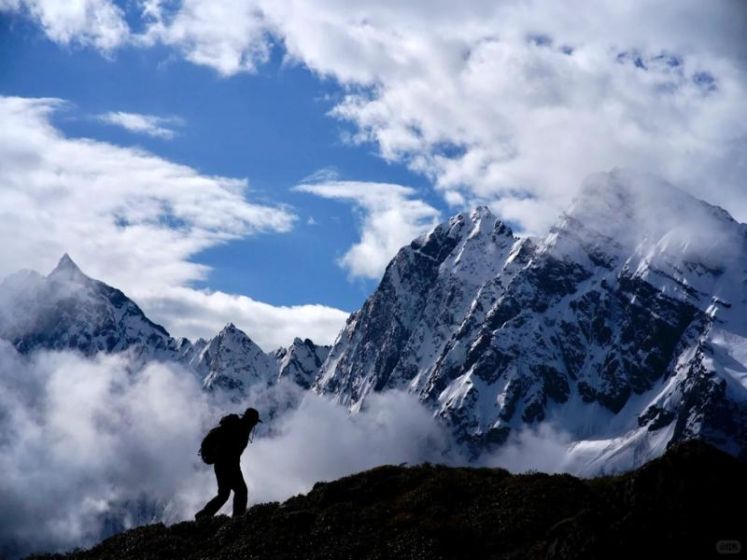
Tibet Trekking
Mild Altitude Sickness (Acute Mountain Sickness)
Usually occurs 6 to 10 hours after arriving at high altitudes, mainly manifested as mild headache, dizziness, fatigue, insomnia, loss of appetite, rapid heartbeat and mild shortness of breath. Symptoms for most people gradually subside or disappear after two to three days of acclimatization.
Severe Altitude Sickness
- High-altitude pulmonary edema: Difficulty breathing at rest, chest tightness, coughing, and in severe cases, coughing up blood-tinged frothy sputum with cyanotic lips. Immediate oxygen inhalation and descent to lower altitudes are required.
- High-altitude cerebral edema: Early unsteady walking and poor coordination, followed by severe headache, confusion and even coma. Delayed treatment can be fatal.
- Tourists with severe hypertension, heart disease and other diseases are not recommended to travel to Tibet. If you catch a cold, you are advised to recover before arranging your trip.
How to Prevent and Deal with Altitude Sickness Effectively
- Control the rate of altitude gain: Adopt the “climb high, sleep low”strategy, with a daily sleeping altitude increase of no more than 1,000 meters, and arrange acclimatization days. Avoid trekking immediately after flying directly to Lhasa from low-altitude areas.
- Rest fully after arrival: Take mandatory rest for one to two days, slow down your pace, keep warm, eat a light diet, drink plenty of water, and avoid bathing in the first three days after entering Tibet.
- Pay attention to physical signals: Stop ascending when symptoms such as headache and nausea appear, and descend immediately if symptoms worsen.
- Prepare necessary medicine: Rhodiola rosea (taken 7-15 days in advance), Gao Yuan An (taken 1-2 days before entering Tibet), ibuprofen (for headache). Follow the doctor’s advice for all medicine.
- Maintain water and diet: Drink 3-4 liters of water daily, eat light and digestible food, and avoid overeating.
Actual Impact of Weather and Terrain on the Danger of Trekking in Tibet
In addition to altitude sickness, Tibet’s natural environment itself has many uncertainties. Local weather conditions change frequently, with sunny days, strong winds, rainfall and even hail possible in one day. Especially in hilly areas, strong winds and snowfall often occur in the afternoon. Mountaineering regulations of the Xizang Autonomous Region of China clearly stipulate that mountaineering teams must be equipped with basic mountaineering technical gear, thermal gear, emergency rescue and communication equipment to ensure safety.
Best trekking seasons: April to October, with the most stable weather in May-June and September-October. Road conditions are muddy and rivers rise during the rainy season (July-August), and mountains are closed by heavy snow in winter.
Typical steep sections: Mount Kailash Kora has an average altitude of over 4,500 meters, and Dolma La Pass is over 5,600 meters. According to statistics from the Ali Border Management Detachment of Tibet, more than 150 rescues are carried out annually, helping more than 580 tourists.
Countermeasures:
- Check the weather forecast before departure, and give up the trip decisively in case of severe weather.
- Wear three layers of clothing: quick-drying base layer, fleece/down insulation layer, and windproof and rainproof hardshell layer. Bring hats, gloves and thick socks.
- Wear high-top waterproof hiking shoes and use two trekking poles.
- Download offline maps in advance, carry a compass or handheld GPS, and do not rely on mobile phone signals.
Dangers of Supply Shortages and Rescue Difficulties for Trekking in Tibet
Most trekking routes in Tibet are located in remote areas with relatively limited supply and rescue conditions. Tibet’s mountaineering regulations require mountaineering teams to have emergency rescue plans and communication equipment, as well as professional coaches and mountain guides.
Scarce supply points: Except for popular routes, there are no villages or shops for consecutive days. Food, drinking water and medicine must be carried by yourself. Yaks or horses can be hired (about 380 CNY per day for yaks, about 410 CNY per day for horses).
Difficult rescue: It is difficult to call for rescue in areas without mobile phone signals, and it takes a long time for rescuers to arrive. Some scenic spots have set up professional mountain rescue teams. Do not enter undeveloped areas without permission.
Suggestions:
- Join reliable commercial trekking groups, with leaders and guides handling emergencies.
- Carry sufficient food (prepare 1-2 extra days’ rations) and stoves with gas canisters if trekking independently.
- Carry a satellite phone or personal locator beacon.
- Purchase insurance covering high-altitude trekking and emergency medical evacuation.
- Mountaineering on peaks above 5,500 meters requires a permit applied in advance from the competent sports authority.
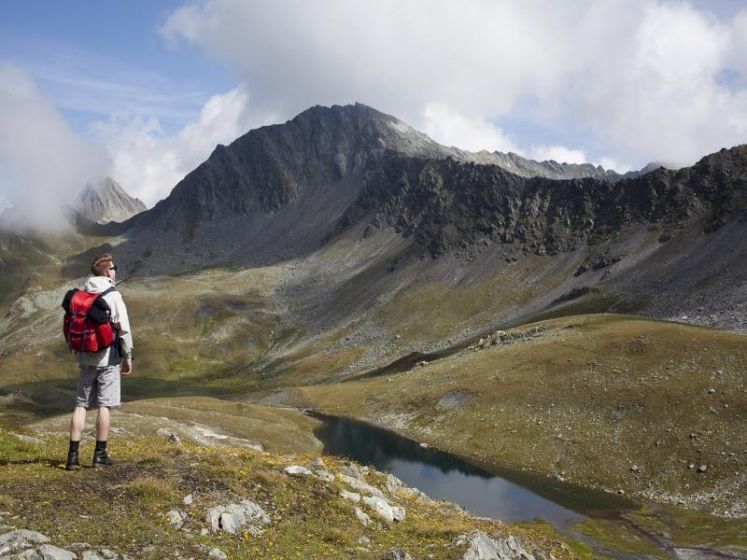
Tibet Trekking
Document Issues: The Key to Whether Trekking in Tibet Can Proceed
When evaluating whether trekking in Tibet is dangerous, document processing is often overlooked, but it is more likely to hinder the trip than altitude sickness.
Tibet Travel Permit: Mandatory for foreign tourists, handled by qualified travel agencies; individuals cannot apply. Without the Tibet Travel Permit, you cannot board flights, take trains, check into hotels or pass checkpoints. Foreign tourists cannot travel independently in Tibet and must join group tours or hire private cars.
Border Pass: An additional Alien Travel Permit or Border Pass is required to visit border areas such as Everest Base Camp and Ali (including Mount Kailash).
Handling suggestions:
- Submit passport copy, Chinese visa copy and travel plan to the travel agency 20-30 working days in advance.
- The original paper copy of the Tibet Travel Permit is required; electronic versions are invalid.
- Confirm that the Chinese visa is valid and the passport is valid for at least six months.
- Choose a reliable travel agency (such as China Dragon Travel) to assist with all documents and logistical support.
How Transportation Options for Reaching Tibet Impact Your Trekking Experience
Many people focus on whether trekking in Tibet is dangerous, but in fact, travel safety starts from the moment of departure. The way you choose to reach Tibet and the route you take are directly related to your body’s acclimatization to the high-altitude environment.
Flying to Tibet: Fastest but with the Largest Altitude Drop
- Overseas tourists need to first fly to major Chinese cities (Chengdu, Beijing, Shanghai, Guangzhou, Kunming, etc.), then transfer to domestic flights to Lhasa. There are direct flights from Kathmandu, Nepal to Lhasa.
- Advantages: Time-saving. Disadvantages: Direct flight from low altitude to Lhasa (3,650 meters) without acclimatization, high risk of altitude sickness. Mandatory rest for 1-2 days after arrival.
Train to Tibet: Gradual Acclimatization with Spectacular Scenery along the Way
- Qinghai-Tibet Railway: Xining to Lhasa, total length about 1,956 kilometers, taking about 21 hours. Snow-capped mountains, grasslands and Tibetan antelopes can be seen along the way.
- Advantages: Altitude gradually rises from over 2,000 meters to over 4,000 meters, allowing gradual acclimatization of the body, with lower incidence and severity of altitude sickness.
- Disadvantages: Difficult to buy tickets (especially in peak season). Original paper copy of the Tibet Travel Permit is required.
Overland to Tibet: Entering via Gyirong Port from Nepal
- Suitable for trekking enthusiasts already in Nepal. Complicated procedures require Chinese group visa, Tibet Travel Permit, Border Pass, etc. Port opening status and flight stability are poor; preparation at least one month in advance is recommended.
Trekking Gear Checklist for Tibet
Trekking in Tibet’s extreme environment requires essential gear.
Clothing
- High-top waterproof hiking shoes (broken in in advance).
- Quick-drying base layers (avoid cotton).
- Fleece jacket, lightweight down jacket.
- Hardshell jacket and pants (windproof and rainproof).
- Warm hat, gloves, thick socks.
Tools
- Two trekking poles.
- Headlamp/flashlight (spare batteries).
- Insulated water bottle.
- Simple crampons, gaiters.
- Satellite phone or personal locator beacon.
Medicine
- Gao Yuan An, Rhodiola rosea.
- Cold medicine, painkillers, gastrointestinal medicine.
- Band-aids, disinfectant wipes.
- Personal regular prescription drugs.
Protection
- SPF50+ sunscreen.
- Sunglasses or snow goggles.
- Lip balm.
Documents
- Original passport.
- Chinese visa.
- Original paper copy of Tibet Travel Permit.
- Border Pass (if required).
Pre-departure Confirmation Items for Trekking in Tibet
Is trekking in Tibet dangerous? The answer is: Risks do exist, but most of these risks can be controlled through advance understanding and full preparation. Please complete the following items before departure:
- Undergo a comprehensive physical examination, focus on cardiopulmonary function, and consult a doctor if you have severe heart disease, hypertension or chronic diseases.
- Apply for the Tibet Travel Permit through a travel agency in advance, and apply for a Border Pass if traveling to border areas.
- Check item by item against the gear checklist without missing important items.
- Maintain awe of the natural environment, give up the trip decisively when the weather is bad or you feel unwell, safety first.
In recent years, the Xizang Autonomous Region of China has continuously improved the safety management of adventure tourism, established satellite communication and positioning systems covering major adventure areas, set up professional mountain rescue teams, and set up rescue outposts at key nodes of many trekking routes. These measures provide additional safety guarantees for trekkers. As long as you have a full understanding of altitude sickness, respect the wild environment, and prepare well for materials, documents, rescue and other aspects, Tibet’s snow-capped mountains and lakes will become a safe and unforgettable travel destination. When all safety measures are in place, trekkers can focus on the trek itself. If you still have questions about a specific route or preparation details, China Dragon Travel has an experienced local guide team that can provide one-stop services from route consultation, document processing to full logistical support, helping trekkers complete their high-altitude journey safely.