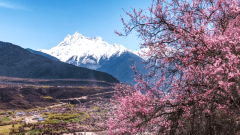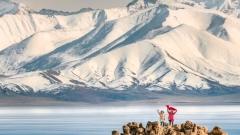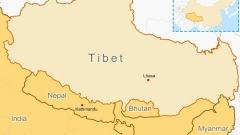

Laigu Glacier is located in Ranwu Lake Town, Basu County, Changdu City, Tibet. It is one of the most representative glacial landscapes in southeastern Tibet, named after its proximity to Laigu Village. Here, several glaciers such as Meixi, Yalong and Ruojing converge, setting off against Ranwu Lake, forming a stunning picture of glaciers surrounding the lake and the lake reflecting snow-capped mountains. As an underdeveloped primitive scenic spot, Laigu Glacier retains the most original appearance of glaciers. Landscapes such as blue ice cracks and ice towers are breathtaking, making it a secret land yearned for by many travel enthusiasts and photographers. The following is a detailed travel guide to Laigu Glacier in Tibet to help you smoothly start this blue ice journey.
Exploring Laigu Glacier in Tibet
- Basic Attributes and Geographical Features of Laigu Glacier: Located in the eastern section of the Himalayas, with an altitude between approximately 4,000 meters and 4,600 meters, it is one of the largest marine glacier groups in China. Influenced by the warm and humid air currents from the Indian Ocean, the glacier is active in movement, with its tongue reaching directly to the lakeside, merging with the water of Ranwu Lake to form a unique glacial lake landscape.
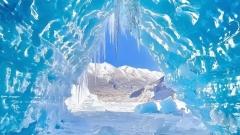
- Formation Cause of Blue Ice Wonder: Under the sunlight, the glacier presents a transparent blue color. This is because the air inside the glacier is squeezed out, and the ice crystals scatter the blue light in the sunlight, thus creating a gorgeous blue ice landscape.
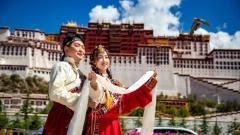
- Composition and Humanistic Characteristics of Laigu Glacier Group: Laigu Glacier Group is composed of several glaciers, among which Yalong Glacier is the longest and most magnificent, with crisscross cracks on the ice surface like abstract paintings; Meixi, Ruojing and other glaciers also have their own characteristics. Laigu Village at the foot of the glacier is inhabited by Tibetan compatriots, and the Tibetan-style dwellings set off harmoniously with the natural landscape, making it an indispensable humanistic scenic spot for traveling to Laigu Glacier in Tibet.
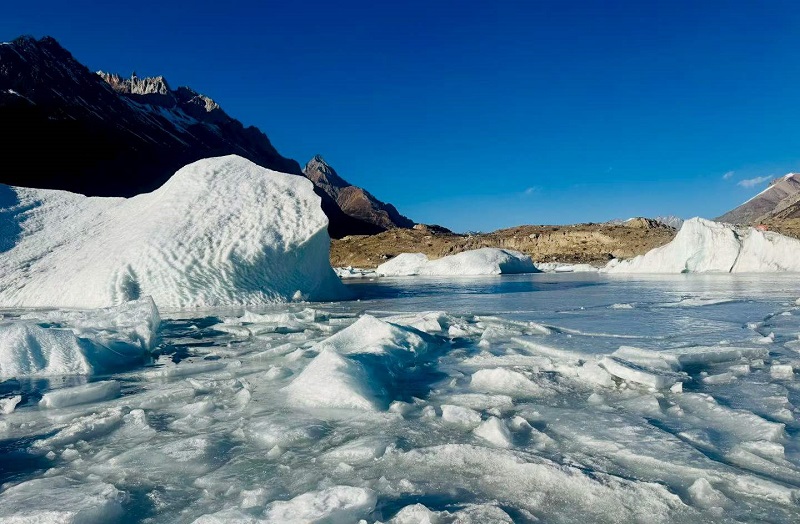
Laigu Glacier
The Best Time to Travel to Laigu Glacier in Tibet
The climate of Laigu Glacier in Tibet changes significantly with seasons, and the landscapes and travel experiences vary greatly in different seasons. Choosing the right travel time can help you better experience the charm of the blue ice secret land and avoid bad weather and potential safety hazards. The following are detailed suggestions for seasonal selection.
- Winter (December to February next year): The best season to appreciate blue ice. The low temperature makes the glacier freeze solid, and the blue ice landscape is the most obvious. Part of Ranwu Lake freezes and sets off against the glacier, presenting a magnificent scenery. It should be noted that the minimum temperature can reach minus 20 degrees Celsius at this time, so strict cold protection measures must be taken.
- Spring (March to April): A good travel choice. The temperature rises, making the glacier melt slowly. Streams at the front of the glacier tongue gurgle into Ranwu Lake, presenting a vivid scene of ice and snow melting. There are also a few wild flowers around Laigu Village adding vitality.
- Not Recommended Seasons: Summer (June to August) is the rainy season in Tibet. Mudslides, landslides and other disasters are likely to occur in the mountainous areas around Laigu Glacier, and the glacier melts quickly, posing potential safety hazards; Autumn (September to November) has a clear climate, but the blue ice landscape is not as obvious as that in winter.
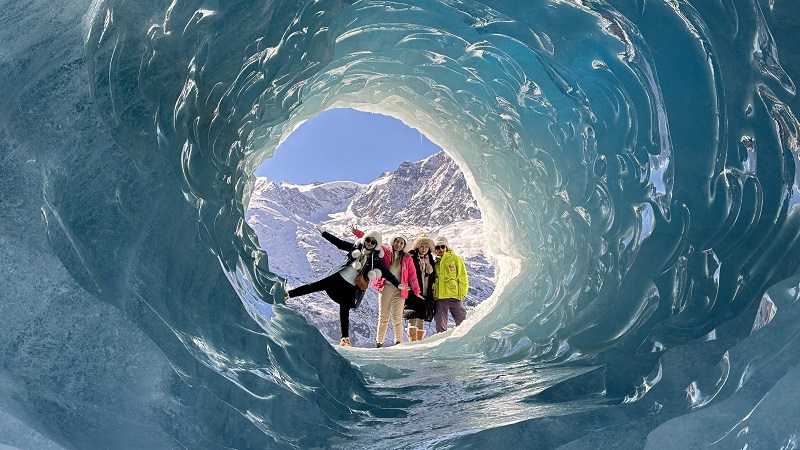
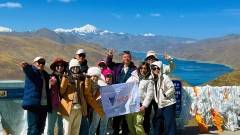
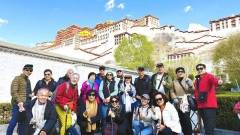
Tourist Photos of Laigu Glacier
Transportation Guide for Traveling to Laigu Glacier in Tibet: Multiple Ways to Reach the Secret Land
Laigu Glacier is located on the eastern Tibetan plateau with relatively inconvenient transportation. At present, there are mainly three ways to travel to Laigu Glacier in Tibet: self-driving, shared car and group tour. The following is a detailed introduction for you:
Self-Driving: Flexible Control of the Itinerary
- Core Advantages and Suitable Crowds: Self-driving is the most flexible way to go to Laigu Glacier, suitable for travelers with rich plateau driving experience, who can independently control the rhythm of the itinerary.
- Classic Route and Itinerary Information: Starting from Lhasa, drive east along National Highway 318, passing through Xigaze, Nyingchi, Bomi and other cities, then reach Ranwu Lake Town, Basu County, and then drive about 20 kilometers to the entrance of the scenic spot; the total distance is about 1,200 kilometers, and the journey takes 5 to 6 days.
- Scenery Along the Way: During the journey, you can enjoy many scenic spots along National Highway 318, includingMila Pass, Niyang River Scenery, Lulang Forest Sea, Tongmai Bridgeand so on.
- Self-Driving Precautions: Some sections of National Highway 318 are dangerous with many bends, and the plateau climate is changeable, so snow, rain, strong winds and other bad weather may be encountered; before departure, it is necessary to check the vehicle condition, carry emergency supplies, and strictly abide by traffic rules.
Shared Car/Chartered Car: Worry-Free, Labor-Saving and Convenient Travel
- Suitable Crowds: Suitable for travelers without self-driving conditions, it is a convenient choice for traveling to Laigu Glacier in Tibet.
- Service Distribution: There are many shared car and chartered car services to Laigu Glacier in Nyingchi, Bomi, Ranwu Lake Town and other places.
- Cost Details:
| Travel Method | Cost Standard |
| Shared Car | CNY 200-300 per person |
| Chartered Car | CNY 800-1200 per day |
- Core Advantages: Drivers are familiar with local road conditions and climate, and can provide professional navigation and consulting services; travelers do not need to worry about vehicle maintenance, route planning and other issues, and can fully devote themselves to the travel experience.
Group Tour: Worry-Free Travel Throughout the Journey
- Core Advantages and Suitable Crowds: Group tour is the most worry-free way to travel to Laigu Glacier in Tibet, suitable for travelers who visit Tibet for the first time and are not familiar with local conditions.
- Common Route Features: There are many Tibet travel routes including Laigu Glacier on the market, most of which integrate surrounding scenic spots such as Ranwu Lake, Bomi and Nyingchi, with a general itinerary duration of 5 to 8 days.
- Included Service Content: It not only covers core costs such as transportation, accommodation and tickets, but also is equipped with professional tour guides; tour guides will introduce local customs and traditions, scenic spot knowledge, and help solve various problems during the journey.
- Selection Precautions: It is necessary to choose a regular travel agency (such as China Dragon Travel), carefully check the itinerary arrangement, and avoid low-cost shopping groups to ensure the travel experience.
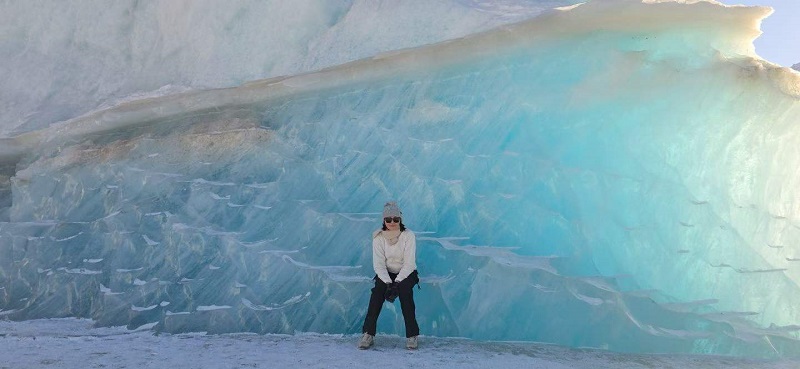
Tourist Photos of Laigu Glacier
Laigu Glacier Tourist Tickets and Scenic Area Visiting Instructions
Ticket Information: Understand in Real Time to Save Time
- Core Ticket Description: Ticket and sightseeing bus fees are basic fixed costs. After purchasing the ticket, you can visit the main scenic spots of Laigu Glacier Group. The sightseeing bus connects the entrance of the scenic spot with the glacier viewing platform to ensure the convenience of the tour.
- Cost Details:
| Ticket Type | Cost Standard | Supplementary Instructions |
| Scenic Spot Ticket | CNY 80 per person | Valid on the day of purchase |
| Sightseeing Bus | CNY 50 per person | The total distance is about 5 kilometers, and the journey takes 15-20 minutes |
- Price Change Reminder: The ticket price of the scenic spot may be adjusted according to seasons and policies. It is recommended to log on to the official website of the scenic spot or call the scenic spot consultation phone to confirm the latest price information before traveling.
- Ticketing Methods: Two methods are supported: on-site ticket purchase and online booking; online booking can be operated through major travel platforms. After successful booking, you can exchange tickets at the entrance of the scenic spot with your ID card.
Visiting Precautions: Safety First to Enjoy the Journey
- Plateau Reaction Prevention: The altitude of Laigu Glacier Scenic Spot is relatively high, with an average altitude of more than 4,000 meters. Travelers visiting for the first time are prone to plateau reaction. It is recommended that travelers take anti-plateau reaction drugs such as Rhodiola rosea 1 to 2 weeks in advance, and carry emergency supplies such as oxygen cylinders and glucose during the journey. After arriving at the scenic spot, do not exercise vigorously, and gradually adapt to the plateau environment. If severe plateau reaction occurs, such as severe headache, difficulty breathing, vomiting and other symptoms, you should immediately stop visiting and seek medical treatment in time.
- Safe Visiting: There are many cracks on the ice surface in the glacier scenic spot, some of which are relatively deep, and the ice surface is slippery, making it easy to slip and fall. During the visit, you must walk along the safe route marked by the scenic spot, do not deviate from the route at will, and do not chase, fight or climb the glacier on the ice surface. In addition, some areas in the scenic spot may have dangers such as falling rocks and ice avalanches. During the visit, you should pay close attention to the surrounding environment and follow the instructions of the scenic spot staff.
- Environmental Protection: Laigu Glacier is a primitive natural landscape with a relatively fragile environment. Travelers visiting should strictly abide by the relevant environmental protection regulations, do not litter, do not trample on the meadows or damage the glacial vegetation. It is recommended that travelers carry a garbage bag to take the garbage generated during the journey out of the scenic spot and jointly protect this blue ice secret land.
- Cold Protection and Equipment Preparation: The temperature of Laigu Glacier Scenic Spot is relatively low. Even in spring, the average temperature is between minus 5 degrees Celsius and 10 degrees Celsius. Travelers need to carry cold-proof clothing such as thick down jackets, windproof pants, snow boots, gloves, scarves and hats. In addition, the reflection of sunlight on the glacier surface is strong, which is easy to cause snow blindness. It is recommended to carry sun protection supplies such as sunglasses, sunscreen and lip balm with sunscreen function.
Recommended Scenic Spots Around Laigu Glacier in Tibet
When traveling to Laigu Glacier in Tibet, you may wish to visit the surrounding beautiful scenery along the way and experience the diverse customs of the eastern Tibetan plateau. The following are some high-quality scenic spots around Laigu Glacier recommended for you:
Ranwu Lake: The Plateau Pearl Beside the Glacier
Ranwu Lake is located in Ranwu Lake Town, Basu County, only 20 kilometers away from Laigu Glacier. It is one of the largest plateau lakes in southeastern Tibet.
The water of Ranwu Lake comes from the ice and snow melt water of the surrounding snow-capped mountains. The lake water is crystal clear and presents a deep blue color, setting off harmoniously with the surrounding snow-capped mountains, glaciers and meadows, and the scenery is extremely magnificent. Ranwu Lake is divided into three parts: Upper Ranwu Lake, Middle Ranwu Lake and Lower Ranwu Lake. Among them, Lower Ranwu Lake has the most beautiful scenery and is the best place for photography. In addition, there are many Tibetan villages around Ranwu Lake. Travelers can walk into the villages and experience the living customs of local Tibetan compatriots.
Bomi Peach Blossom Valley: The Pink Flower Sea on the Eastern Tibetan Plateau
Bomi Peach Blossom Valley is located 10 kilometers west of Bomi County, about 100 kilometers away from Laigu Glacier. It is one of the famous flower viewing spots in Tibet.
Every March to April, the peach blossoms in the Peach Blossom Valley bloom. The pink peach blossoms set off against the surrounding snow-capped mountains, glaciers and green grass, forming a gorgeous and colorful picture. The peach trees in Bomi Peach Blossom Valley are relatively old, and some of them are hundreds of years old, with large crowns and extremely spectacular when in full bloom. In addition, there are many streams and waterfalls in the Peach Blossom Valley, adding a touch of vitality to the scenic spot.
Lulang Forest Sea: The Natural Oxygen Bar in Eastern Tibet
Lulang Forest Sea is located in Lulang Town, Bayi District, Nyingchi City, about 200 kilometers away from Laigu Glacier. It is one of the lowest-altitude areas in eastern Tibet.
Lulang Forest Sea is covered with a large area of coniferous forests such as spruces and pines, with a forest coverage rate of more than 80%, making it a natural oxygen bar. Standing on the viewing platform of Lulang Forest Sea, you can overlook the entire forest sea and look at the snow-capped mountains in the distance, with extremely magnificent scenery. In addition, there are scenic spots such as Lulang Town and Zhaxigang Village around Lulang Forest Sea. Travelers can taste local characteristic food such as Lulang Stone Pot Chicken in the town and experience the unique customs of the Tibetan-style town.
Accommodation Guide for Traveling to Laigu Glacier in Tibet
Accommodation Recommendations: Multiple Choices to Meet Different Needs
- Core Accommodation Distribution Areas: Accommodation around Laigu Glacier is mainly concentrated in Ranwu Lake Town and Laigu Village, which can be selected according to personal needs and budget.
- Accommodation Characteristics of Each Area:
| Accommodation Area | Accommodation Type | Cost Standard |
| Ranwu Lake Town | Hotels, Homestays | CNY 100-500 per person |
| Laigu Village | Tibetan-style Dwellings | CNY 50-100 per person |
- Booking Precautions: Accommodation around Laigu Glacier is relatively tight during the peak tourist season (December to April next year). It is recommended that travelers book accommodation 1 to 2 weeks in advance to avoid no rooms available.
Itinerary Suggestions for Traveling to Laigu Glacier in Tibet
According to the geographical location of Laigu Glacier and the distribution of surrounding scenic spots, it is recommended that travelers arrange a 2 to 3-day itinerary, which can not only fully appreciate the beauty of Laigu Glacier, but also visit the surrounding scenic spots along the way. The following are two itinerary planning schemes recommended for you:
Simplified 2-Day Tour: Focus on the Glacier and Ranwu Lake
Day 1: Depart from Ranwu Lake Town, drive to Laigu Glacier Scenic Spot, purchase tickets and take the sightseeing bus to enter the scenic spot, visit scenic spots such as the Glacier Viewing Platform and Yalong Glacier, appreciate the blue ice wonders and take beautiful photos. In the afternoon, return to Ranwu Lake Town, visit Ranwu Lake and enjoy the sunset scenery of Ranwu Lake. In the evening, stay in a hotel or homestay in Ranwu Lake Town and taste local characteristic food.
Day 2: Get up early in the morning to enjoy the sunrise scenery of Ranwu Lake, then drive to the Tibetan villages around Ranwu Lake to experience the local customs. After lunch in Ranwu Lake Town, end the itinerary and go to the next destination.
Enriched 3-Day Tour: Enjoy the Glacier and Surrounding Scenery
Day 1: Depart from Bomi County, drive to Ranwu Lake Town, and visit scenic spots such as Bomi Peach Blossom Valley (in spring) and Tongmai Bridge on the way. Arrive at Ranwu Lake Town in the afternoon, check in and then visit Ranwu Lake to enjoy the sunset scenery. Taste Tibetan characteristic food in the evening.
Day 2: Visit Laigu Glacier Scenic Spot for the whole day, carefully appreciate the magnificent scenery of the glacier group, visit Laigu Village and experience the daily life of Tibetan compatriots. Return to Ranwu Lake Town to stay in the evening.
Day 3: Depart from Ranwu Lake Town, drive to Lulang Forest Sea, visit Lulang Forest Sea Scenic Spot and experience the fresh air of the natural oxygen bar. Have lunch in Lulang Town and taste Lulang Stone Pot Chicken. End the itinerary in the afternoon and go to Nyingchi City or Lhasa City.
12-Day Tibet Winter Blue Ice Tour
A Blue-Ice Encounter: Ready to Visit Laigu Glacier?
Laigu Glacier offers striking blue ice formations and glacier-fringed lake views; winter yields the clearest blue ice while spring reveals thawing streams and lively scenery. Prioritize altitude acclimatization, proper cold-weather gear, and adherence to marked routes for safety. For travelers who prefer a smoother experience, local operators can handle transport, lodging and permits so you can focus on photography and exploration while staying safe in this pristine high-altitude environment.