
As the most prestigious among Tibet’s Four Great Sacred Lakes, Lake Manasarovar, together with Mount Kailash, is revered as a “holy mountain and sacred lake” by Tibetan Buddhism, Bon, and Hinduism. With water clarity reaching up to 14 meters, it is China’s clearest freshwater lake. “Lake Manasarovar Kora” is not just a pilgrimage ritual for believers, but also an ideal way for ordinary travelers to immerse themselves in the plateau’s hidden beauty. The clockwise route spans 80–100 kilometers, passing eight ancient monasteries, stunning viewing platforms, and natural hot springs. You may encounter Tibetan wild asses and brown-headed gulls along the way, while soaking in the rich religious culture. The scenic area opens on April 25 each year and closes from December to April of the following year.
Lake Manasarovar Kora: Hiking vs. Self-Driving
Hiking the Lake: Immersive Pilgrimage, Savoring the Sacred Lake’s Beauty
Hiking is the most traditional way to circle the lake, ideal for travelers with moderate physical fitness who wish to deeply connect with the lake’s spirituality. The entire route is 80–100 kilometers long, with an average altitude of 4,600 meters. The difficulty is moderate, but acclimatization to high altitude is essential. The route follows a clockwise direction, with accommodation available at monasteries along the way, eliminating the need for camping gear. Hiking 20–30 kilometers per day is recommended. The advantages include close access to prayer flags and mani stones, the freedom to stop and take photos of the lake anytime, and opportunities to chat with local believers. The downside is that it is time-consuming and physically demanding, requiring prior acclimatization in low-altitude areas for a few days.
Self-Driving/Chartering a Car: Efficient Sightseeing, Panoramic Views
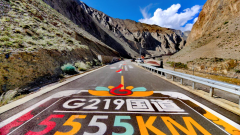
Self-driving or chartering a car is more suitable for travelers with limited time or physical strength. The clockwise drive along the lake loop is approximately 90 kilometers; an off-road vehicle is recommended to avoid getting stuck in swamps. The benefits are time-saving flexibility, allowing you to stop at attractions for photos without fatigue. The drawback is the lack of an immersive hiking experience, and some sections are gravel roads that require careful driving. Chartering a car from Pulan County costs around 800–1,200 CNY per vehicle, seating 4–5 people, making it cost-effective when shared.
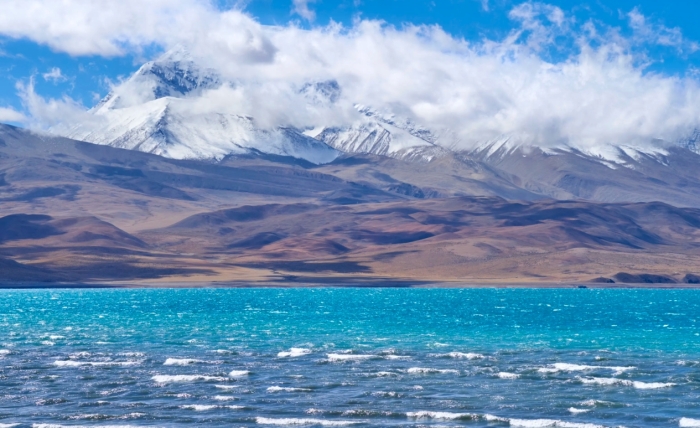
Manasarovar Lake
Lake Manasarovar Kora Routes
Hiking Route: Segment Highlights & Supply Guide
Eastern Section: Visitor Center → Serxu Lung Monastery → Qupu Hot Spring Junction
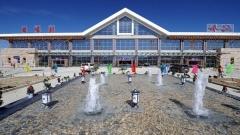
Starting from the Visitor Center, head east to Serxu Lung Monastery, a Drigung Kagyu monastery built in 1728. It houses ancient murals and prayer wheels; climbing to the higher ground offers a panoramic view of the lake and Mount Kailash. Continuing onward, the grasslands gradually turn green, and Tibetan gazelles can often be seen grazing. At Qupu Hot Spring Junction, there are supply stations where you can rest, enjoy warm Tibetan meals, and soak in natural hot springs to relieve hiking fatigue—hot spring tickets cost about 50 CNY per person.
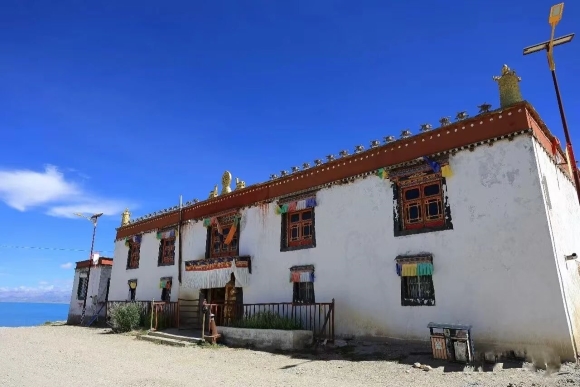
Serxu Lung Monastery
Western Section: Nyingguo Monastery Ruins → Chugo Monastery → Guochu Monastery
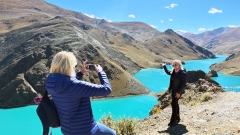
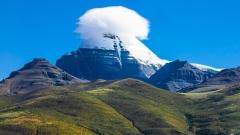
Pass by the Nyingguo Monastery Ruins, where the remaining walls and mani stones hold a thousand years of history. This is the best spot to capture the “twin lakes in one frame”—Lake Manasarovar and Lhanag-tso—their blue and dark waters contrasting vividly under the sun. Further ahead lies Chugo Monastery, the largest surviving monastery around the lake, belonging to the Gelugpa sect. Facing Mount Kailash directly, the viewing platform behind the monastery offers a perfect shot of the snow-capped mountain and sacred lake. Simple accommodation is available at the monastery for 50 CNY per night, including hot water and basic meals. Continuing west to Guochu Monastery, built on a cliff overlooking the lake, climbing to the lakeside platform rewards you with a breathtaking view of the lake, which mirrors the blue sky and snow-capped mountains like a giant mirror.
Southern Section: Qiwu Monastery → Gyaji Monastery → Langna Monastery → Visitor Center
Qiwu Monastery is perched on Sangdu Bairi Mountain, with villages and hot springs at its foot. Accommodation options here are more diverse than at monasteries, with standard rooms costing 150–200 CNY per night. Soaking in the hot springs is a perfect way to ease hiking tiredness. Along the way, you will pass the meditation cave ruins of Gyaji Monastery and Langna Monastery. The roads are lined with fluttering prayer flags and stretching mani stone piles; the sound of flags in the wind lets you deeply feel the weight of religious culture. As you approach the Visitor Center, the lakeside grasslands open up, and you may be lucky enough to spot herds of Tibetan wild asses running, bringing a perfect end to your hiking journey.
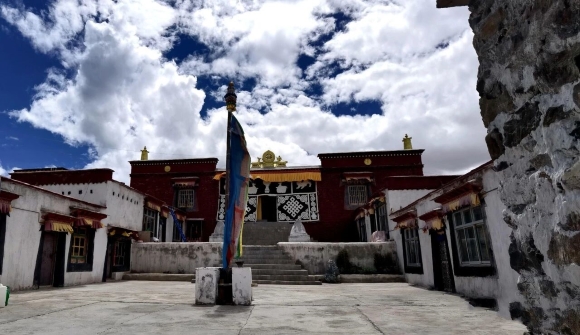
Langna Monastery
Self-Driving/Chartering Route: Scenic Spot Checklist
Twin Lakes Viewing Platform: Overlook Lake Manasarovar and Lhanag-tso to capture the panoramic view of the “sacred and mysterious twin lakes”.
Chugo Monastery: Stay for 30 minutes to take the iconic photo of Mount Kailash and the sacred lake together.
Guochu Monastery Cliff: Climb up for a bird’s-eye view of the lake and experience the stunning sight of “water as smooth as a mirror”.
Foot of Qiwu Monastery: Get up close to watch brown-headed gulls playing on the lake and spot Tibetan gazelles.
Qupu Hot Spring: If time permits, spend an hour soaking in the hot springs to relieve driving fatigue.
Seasonal Highlights of Lake Manasarovar Kora
May: Off-Peak Kora, Serene & Crowd-Free
Highlights: After the scenic area opens on April 25, the lake ice melts and the grasslands start to green up. With very few tourists, you can enjoy the tranquil beauty of the sacred lake in solitude. Sea of clouds often appear in the early morning, making it perfect for travelers who prefer quietness.
Notes: Nighttime temperatures drop below 0℃, so pack a thick down jacket and a windproof jacket. Some homestays and restaurants have just opened, with limited options—confirm bookings in advance by phone.
June–August: Lush & Vibrant, Rich Religious Atmosphere
Highlights: The grasslands are covered in lush greenery, with wildflowers blooming in all colors. Daytime temperatures peak at around 15℃, making it ideal for hiking. This is the peak season for pilgrims; joining the kora crowds lets you experience the strong religious atmosphere, and various religious activities are held at monasteries along the way.
Notes: July–August is the rainy season, with short afternoon showers. Carry waterproof gear and non-slip hiking shoes to avoid slipping on muddy roads. Accommodation and car rentals are in high demand—book 1–2 months in advance.
September–Mid-October: Clear Autumn Skies, Perfect for Photography
Highlights: The sky is a cloudless deep blue, with the highest visibility of the year. The grasslands turn golden, creating a striking color contrast with the deep blue lake and snow-capped mountains—every snapshot is a stunning photo without the need for filters. Fewer tourists than in summer and stable weather with little rain make for a comfortable trip.
Notes: Temperature differences between day and night are significant, with cold mornings and evenings. Pack thermal underwear and a thick coat. Sporadic snow may cover some sections after mid-October; self-drivers should carry snow chains, and hikers need to watch out for icy roads.
Non-Recommended Period: December–April (Next Year)
The scenic area is closed during this period, with the lake completely frozen and the loop road covered in snow. Extreme weather such as snowstorms and cold snaps are frequent, making travel extremely risky. Most monasteries and homestays are shut down, with limited supplies available. This period is only suitable for professional plateau adventurers with rich winter expedition experience.
Essential Gear List for Lake Manasarovar Kora
Clothing Gear
Core Clothing: Waterproof and windproof jacket, thick down jacket (fill power 600+), quick-drying thermal underwear, durable quick-drying pants, 3–4 pairs of wool socks, non-slip waterproof hiking boots (must-have for hiking).
Accessories: Wide-brimmed sun hat, warm gloves, windproof scarf, UV400 sunglasses, SPF50+ sun-protective clothing.
Hiking-Exclusive: Trekking poles (to reduce knee pressure), knee pads, waterproof backpack cover, headlamp (for early starts or emergency use at night).
Altitude Sickness & Medical Gear
Medications: Take Rhodiola rosea one week in advance to aid acclimatization. Carry Gaoyuan’an (for relieving altitude sickness symptoms), cold medicine, gastrointestinal medicine, motion sickness pills, band-aids, and painkillers.
Other Supplies: Portable oxygen cylinders (1–2 per person, for emergency use only—avoid dependency), glucose oral liquid (for quick energy replenishment), wet wipes, quick-drying towel.
Daily & Electronic Gear
Daily Supplies: High-calorie snacks (chocolate, beef jerky, energy bars), 2–3 liters of drinking water per day, garbage bags, insulated water bottle.
Electronic Gear: Power bank (20,000 mAh or higher), camera with spare batteries, waterproof phone case, copy of border pass (required at checkpoints along the way).
Document Preparation
Required Documents: ID card, border pass (free to apply at place of household registration; about 100 CNY to apply via agency in Lhasa).
Additional Documents for Foreign Tourists: Tibet Travel Permit and Alien’s Travel Permit, which can only be applied for through authorized travel agencies.
Lake Manasarovar Kora Safety Tips & Pitfall Avoidance
Altitude Sickness Prevention
Prior Acclimatization: Stay in Lhasa for 5–7 days, then proceed to Xigazê, and finally to Ngari, to acclimatize to increasing altitudes gradually.
Hiking Taboos: Avoid running or jumping; maintain a steady pace and rest for 10 minutes every hour. Drink plenty of warm water and avoid alcohol and smoking.
Emergency Handling: If experiencing severe symptoms such as persistent vomiting or difficulty breathing, stop the trip immediately and seek medical help at Darchen Town or Pulan County Hospital—both have oxygen supply points.
Safety Precautions
Hiking Safety: Do not deviate from the main route; some sections have risks of mudslides and falling rocks. Hike in groups as much as possible.
Driving Safety: Keep speed below 40 km/h on gravel roads and avoid swamps. Fill up the fuel tank before departure, as gas stations are scarce along the way.
Weather Alert: Check the weather forecast before departure and avoid extreme weather. Carry a fully charged power bank to ensure phone connectivity.
Customs & Environmental Protection
Respect Local Beliefs: Circle the lake clockwise only. Do not step on prayer flags or mani stones. Remove hats and sunglasses when entering monasteries; do not take photos of Buddha statues or pilgrims without permission.
Environmental Protection: Do not litter—take all garbage with you. Do not pick flowers or plants, and do not swim in the lake.
Wildlife Interaction: Do not feed Tibetan wild asses or brown-headed gulls; maintain a safe distance to avoid disturbing them.
Frequently Asked Questions About Lake Manasarovar Kora
Can I hike around the lake if I have poor physical fitness?
Absolutely. If you do not exercise regularly, do not force yourself to hike 20–30 kilometers per day. Extend the trip to 5–6 days, limiting daily hiking distance to under 15 kilometers, slow down your pace, and rest more often. You can also hire a local porter to carry your luggage—porters not only help with gear but also know the routes and local conditions well, charging about 200 CNY per day, which significantly reduces hiking burden. Additionally, if you feel exhausted during the hike, contact a vehicle at nearby supply stations to switch to self-driving/chartering for the remaining journey.
What are the catering and accommodation conditions like at supply stations along the way?
Supply stations for hikers are mainly located at monasteries and small villages. Catering consists of simple Tibetan meals, such as zanba, butter tea, barley cakes, noodles, and potato stewed with yak meat. The food is light but filling, costing 20–30 CNY per person per meal, which meets basic energy needs. However, food options are limited—bring pickles or chili sauce for extra flavor. For accommodation, monastery stays are mostly shared dormitories with bedding and hot water, basic in hygiene, costing 50–80 CNY per night. Homestays in villages offer better conditions with standard rooms and private bathrooms, priced at 150–200 CNY per night. Rooms are in high demand during peak season—book in advance through local innkeepers or travel agencies.
What documents do foreign tourists need to prepare for lake-kora, and is the application process complicated?
Foreign tourists must prepare the Tibet Travel Permit and Alien’s Travel Permit, which cannot be applied for individually and must be processed through authorized travel agencies. The application process is not complicated: prepare materials including a copy of passport bio-page, visa copy, travel itinerary, and personal photos 1–2 months in advance, submit them to the travel agency, which will apply to the Tibet Autonomous Region Tourism Bureau. The processing time is about 7–10 working days, with fees ranging from 500–1,000 CNY per person depending on itinerary length. In addition, foreign tourists need to apply for a border pass, which can be handled by the travel agency for approximately 100 CNY per person. You must travel with the agency’s arranged vehicle and guide and cannot travel independently; checkpoints along the way will strictly inspect documents.
Is there mobile phone signal during the lake-kora trip? How to seek help in case of emergencies?
Main sections of the route (e.g., Visitor Center to Chugo Monastery, Qiwu Monastery to Visitor Center) have coverage from China Mobile and China Unicom, allowing normal calls and WeChat usage, but signal strength is unstable. Some remote sections (e.g., near Nyingguo Monastery Ruins, deep grasslands in the southern section) have no signal, which are blind spots. Download offline maps of the Lake Manasarovar loop before departure, and inform relatives or friends of your route and expected return time. In case of emergencies (e.g., severe altitude sickness, vehicle breakdown, getting lost), first seek help at nearby monasteries or villages—local residents and monks are very hospitable. You can also use a satellite phone (if available) to contact the outside world. Hospitals and police stations in Darchen Town and Pulan County have rescue capabilities—save emergency contact numbers in advance.
What should I note when encountering pilgrims during the lake-kora trip?
When encountering pilgrims, first and foremost, respect their religious beliefs and customs and do not interrupt their rituals. Always ask for permission before taking photos—many pilgrims dislike being photographed by strangers; politely refrain if they refuse. Do not crowd around or point at them; pass by quietly at a proper distance. If you wish to chat with them, be courteous and use simple greetings, avoiding sensitive religious questions. In addition, most pilgrims circle the lake on foot while prostrating, moving at a slow pace – self-drivers should be careful to avoid them and do not honk the horn to urge them.
Is the Lake Manasarovar Kora Worth It?
If you are looking for more than a quick sightseeing stop, the Lake Manasarovar Kora offers a rare chance to experience both Tibetan spirituality and untouched high-altitude landscapes.
Hiking around the lake is ideal for travelers who want a slower, more immersive journey, while driving or taking a private vehicle suits those with limited time who still want to see the full circuit. Either way, completing the clockwise kora is a meaningful and memorable experience.
With proper preparation, the journey is far more accessible than it may seem. For many travelers, the most lasting memory is not the distance covered, but the quiet moment by the lake, facing the sacred mountains in complete stillness.