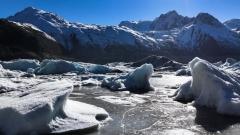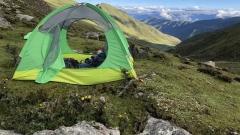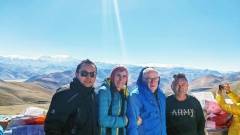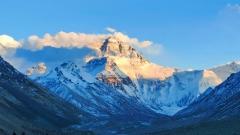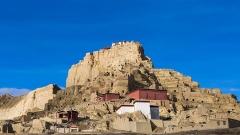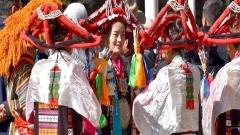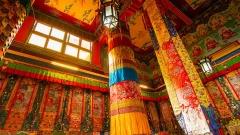

As the top of Tibet’s four holy lakes, Lake Manasarovar lies at 4,588 meters above sea level, about 90 km south of Mount Kailash in Burang County, Ngari. Revered as the “Cosmic Center Lake” by Buddhism, Bon and other religions, it is China’s clearest freshwater lake. Famous for its crystal-blue waters and stunning views against sacred mountains, it is the highlight of any Ngari tour. Designed for practicality with no redundant descriptions, this guide offers precise tips on pre-trip prep, transport, accommodation, budgeting and pitfalls. Whether you want to drive around the lake, hike to its shores or explore lakeside temples for spiritual vibes, it helps you safely and comfortably enjoy the holy lake’s charm at high altitude without tedious planning.
Core Preparations Before Visiting Lake Manasarovar
Required Documents and Permits
A border pass is mandatory for entering Ngari and visiting Lake Manasarovar. It can be obtained free of charge at the public security bureau in your place of household registration, with “Ngari Prefecture, Tibet” specified in the application. If local application is inconvenient, you can entrust a Lhasa travel agency to handle it for around 50 CNY per person. All tourists must carry their ID cards at all times; multiple checkpoints are set along the way, and those without valid documents will be denied passage. Foreign tourists need to prepare additional Tibet Travel Permits and Alien Travel Permits in advance through official travel agencies to avoid itinerary disruptions.
Best Travel Seasons
The ideal travel period for Lake Manasarovar is from May to mid-October, when the climate is mild, roads are accessible, the lake remains unfrozen, and the scenery is fully visible. In June, you can see various wildflowers blooming along the lakeshore, with snowmelt from distant mountains flowing into the lake and the surrounding grasslands turning lush green. September brings picturesque autumn scenery, with a clear blue sky and the lake surface mirroring the majestic Mount Kailash—perfect for photography and sightseeing. Early October features sunny, windless days with fewer tourists, ideal for experiencing the lake’s tranquility and sacredness. From November to April of the following year, heavy snow blocks the roads, temperatures drop to -20℃, road conditions are dangerous, and most accommodations close, so travel is not recommended.
Altitude Sickness Prevention and Response
Lake Manasarovar and its surrounding areas have an average altitude of over 4,500 meters, so the risk of altitude sickness is relatively high. Thorough preparations are a must. It is recommended to rest in Lhasa for at least 2–3 days to acclimatize to the 3,650-meter altitude before heading to Ngari, and make short stops in Shigatse, Saga and other places along the way to gradually adapt to higher elevations. Take anti-altitude sickness medications such as Rhodiola rosea one week before departure. After arrival, avoid strenuous exercise and overeating, drink plenty of warm water to replenish fluids, and stick to a light, easily digestible highland diet. Carry portable medical oxygen tanks (available for purchase in major towns in Lhasa and Ngari). If severe symptoms such as headache, chest tightness or vomiting occur, seek medical attention at the nearest township health center immediately, or arrange transportation to lower-altitude areas.
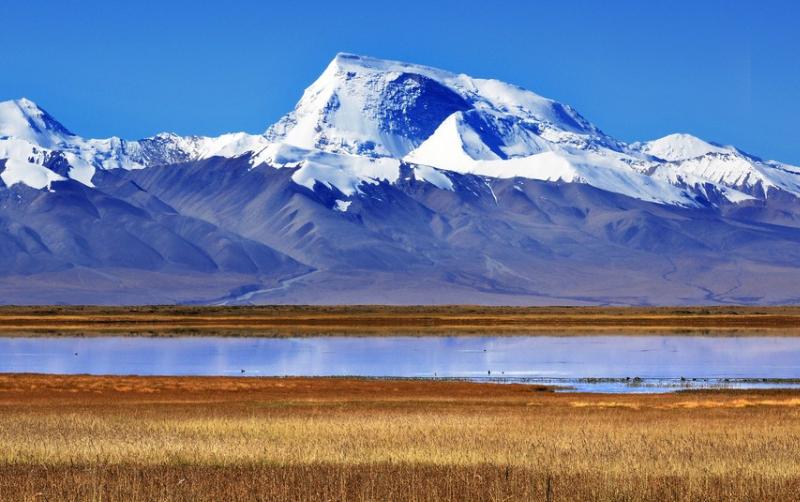
Lake Manasarovar
Must-Visit Highlights of Lake Manasarovar
Scenic Spots Around Lake Manasarovar
Lake Manasarovar has a circumference of about 90 kilometers, dotted with distinctive viewing spots that showcase the lake’s beauty from different angles.
Juqu Monastery Viewing Platform: The best spot to enjoy a panoramic view of the holy lake. Perched on a hillside on the lake’s western shore at an altitude of about 4,600 meters, the viewing platform is located just outside the monastery’s main hall. Standing here, you can take in the entire expanse of Lake Manasarovar’s azure waters, which change colors with the light—shifting from pale blue at dawn to deep sapphire at noon and golden red at dusk. In the distance, the snow-capped peaks of Mount Kailash and Mount Namunani are clearly visible, forming a breathtaking picture with the shimmering lake surface. It is the perfect vantage point for sunrise and sunset photography. It is advisable to arrive around 6 a.m., when the lake is as calm as a mirror, reflecting the sacred mountains perfectly, and there are few tourists, allowing you to savor the magnificent scenery in peace.
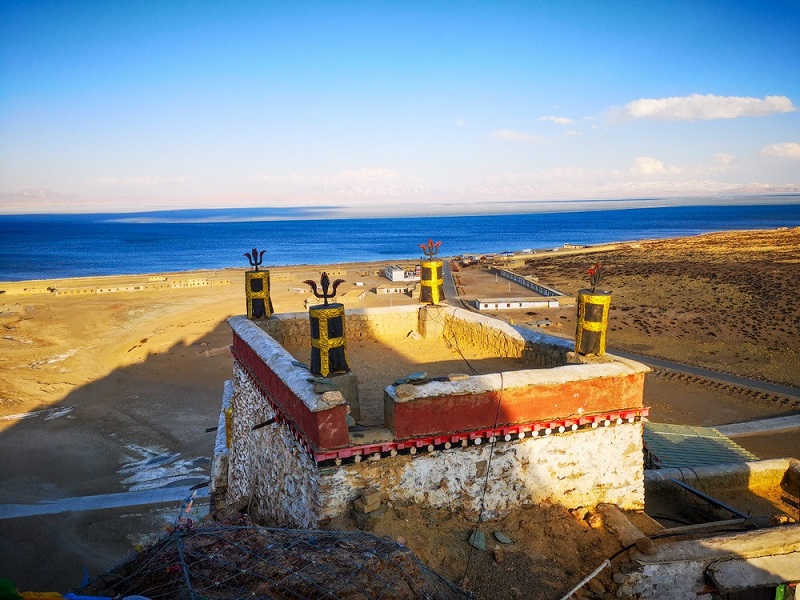
Juqu Monastery
South Shore Waterfront Beach: One of the few areas where visitors can get close to the lake water. The shore is covered with smooth pebbles, and the lake water is crystal clear with a visibility of up to 14 meters, making the stones underwater clearly distinguishable. Many Tibetan pilgrims come here to collect water for blessings, believing that the holy lake’s water can wash away troubles of the body and mind. Tourists can experience the ritual of washing hands and face with the lake water, but remember never to swim in the lake or litter, to respect local religious customs. Nomad tents are scattered along the beach, providing a place to rest and soak up the natural atmosphere of the plateau.
Grassland Along the Northern Ring Road: The northern section of the ring road adjoins a vast plateau meadow. In summer, the meadow is covered with purple Pedicularis and yellow buttercups, with herds of cattle and sheep wandering on the grass. Special parking areas are set along the road; a few minutes’ walk from the parking lot will take you to the lakeshore. With unobstructed views, this spot is ideal for taking “person-in-scene” photos, or sitting quietly to listen to the sound of waves lapping the shore and feel the tranquility of the plateau.
Lakeside Temples and Religious Culture Experience
Scattered around Lake Manasarovar are several time-honored temples, each carrying profound religious culture and serving as a window to understand Tibetan beliefs.
Chugo Monastery: Located on the eastern shore of the lake, this important Karma Kagyu monastery has a history of nearly a thousand years. Built on a cliff facing the holy lake and sacred mountains, it boasts a commanding location. The monastery houses a large collection of precious cultural relics, including Ming Dynasty thangkas, Qing Dynasty bronze Buddha statues, and stupas holding the relics of ancient eminent monks. Every morning, the monks hold morning prayers, and the sound of chanting echoes through the valleys and over the lake, creating a solemn and sacred atmosphere. Visitors can tour the monastery but must abide by the rules: no shorts or mini-skirts, remove hats before entering the main hall, do not touch Buddha statues or ritual instruments without permission, and always ask the monks for consent before taking photos.
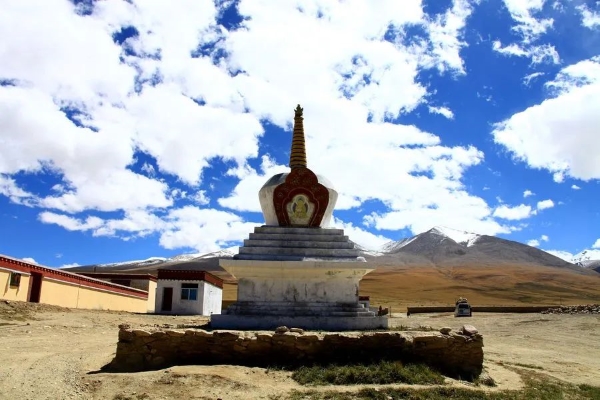
Chugo Monastery
Zhire Monastery: About 15 kilometers from Lake Manasarovar, it is located at the starting point of the Mount Kailash circumambulation route, and is the best place to view the sacred mountain and lake together. Though small in size, the monastery features unique architecture, with its white-walled and red-roofed monk quarters standing out against the blue sky. Standing in the monastery courtyard, you can see the majestic snow-capped peak of Mount Kailash directly ahead, and the lake surface of Lake Manasarovar to the right, forming a stunning picture. Every summer, a large number of pilgrims come here to worship before starting their circumambulation journey. Tourists can hike on the hillsides around the monastery to enjoy the panoramic view of the sacred mountain and lake, and feel the strong religious atmosphere.
Giu Monastery: Adjacent to Juqu Monastery, it is smaller in scale and tucked behind a hillside, offering a quiet retreat. Most of the monastery’s monks are skilled at thangka painting, and a small exhibition hall in the monastery displays their works—vibrant in color and exquisite in detail. Interested tourists can purchase these works as souvenirs, with prices ranging from several hundred to several thousand CNY, depending on the size and craftsmanship of the pieces.
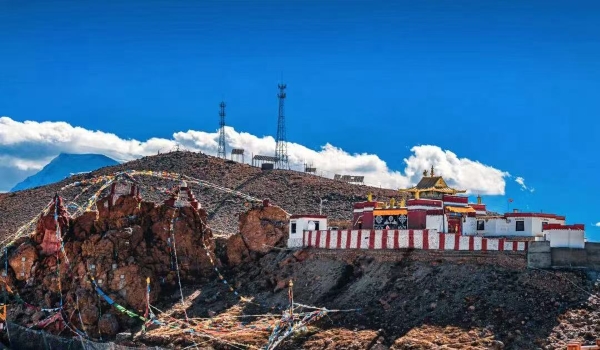
Giu Monastery
Transportation Guide to Lake Manasarovar
External Transportation: Two Ways to Reach Lake Manasarovar
- Self-driving or Chartered Car:The most flexible way to travel to Lake Manasarovar. Depart from Lhasa and drive west along National Highway 219, passing through Shigatse, Lhatse, Saga, Zhongba and other places. The entire journey is about 1,200 kilometers, taking 3–4 days by car. It is recommended to choose a high-performance off-road vehicle, as some sections of the road in Ngari are in poor condition—mostly washboard and gravel roads. Especially the section between Saga and Zhongba is prone to bumpiness, which may scratch the chassis of regular sedans. Chartered car fees range from 1,500–2,000 CNY per day; carpooling is available, with a per capita cost of 300–500 CNY per day. The advantage of chartering a car is that drivers are familiar with road conditions and can also act as guides, recommending off-the-beaten-path attractions along the way.
- Bus + Local Chartered Car: A budget-friendly option for travelers on a tight budget. Lhasa West Suburb Passenger Station operates one daily bus to Shiquanhe in Ngari, with a ticket price of around 600 CNY per person and a travel time of approximately 24 hours, with stops in Saga, Zhongba and other locations. Upon arriving in Shiquanhe, transfer to a local minivan to Lake Manasarovar, which costs about 150 CNY per person and takes around 4 hours. The downside of this option is the long travel time and fixed bus schedules, offering little flexibility; it is advisable to check the bus timetable in advance.
Lake Circumnavigation Options
- Self-driving Around the Lake: The most recommended method, allowing you to stop and take photos at any time. The ring road is approximately 90 kilometers long, mostly paved with asphalt, with some gravel sections easily navigable by off-road vehicles and SUVs. Circling the entire lake takes about 3–4 hours. It is recommended to depart from Juqu Monastery in the morning and drive counterclockwise, passing through the viewing platform, waterfront beach, grassland and other attractions in sequence, and returning to Juqu Monastery just in time for sunset photography in the evening.
- Local Chartered Car for Lake Circumnavigation: For those without a self-driving vehicle, chartered cars (usually off-road vehicles) are available for hire near villages or accommodations around Juqu Monastery. The cost ranges from 500–800 CNY per car, accommodating 4–5 people, with a per capita cost of 100–200 CNY. Drivers are local Tibetans, familiar with every viewing spot around the lake, and can share local legends and stories, offering excellent value for money.
- Biking Around the Lake:Suitable for physically fit travelers; bicycles can be rented at local accommodations for about 50 CNY per day. However, cycling at high altitudes consumes significant physical energy and may trigger altitude sickness, so it is recommended to cycle in segments—for example, only the 20-kilometer stretch from the south shore waterfront beach to the northern grassland—and never push beyond your limits.
Accommodation Guide to Lake Manasarovar
Accommodations around Lake Manasarovar are mainly concentrated in villages near Juqu Monastery and Burang County Town. While choices are limited, they can meet basic travel needs.
- Homestays Near Juqu Monastery: The closest option to the holy lake, convenient for watching sunrise and sunset. Most homestays are family-run guesthouses operated by local Tibetans, offering simple standard rooms with hot water and electric blankets; some have shared bathrooms, with prices ranging from 150–300 CNY per night. Holy Lake Inn comes highly recommended—the courtyard offers unobstructed views of the holy lake and sacred mountains, and the host is warm and welcoming. In the evening, guests can gather around the stove to chat and share travel stories.
- Hotels in Burang County Town: Offering relatively better facilities, with air conditioning and private bathrooms, these are suitable for travelers with higher accommodation requirements. Burang Hotel is a well-established hotel in the county town, boasting complete facilities and clean rooms, with prices ranging from 200–400 CNY per night. It is located close to Khojarnath Monastery and the border trade market, making travel convenient.
Accommodation Tips: Book 1–2 months in advance during peak season (May–October). All accommodations provide hot water, but water pressure is low—avoid long showers to prevent catching a cold, which could lead to altitude sickness. Some homestays do not provide toiletries, so it is recommended that travelers bring their own.
Budget and Pitfall Avoidance Guide to Lake Manasarovar
Budget Reference (Based on a 3-Day, 2-Night Itinerary)
- Transportation Costs: Round-trip chartered car from Lhasa to Lake Manasarovar: approximately 1,500–2,000 CNY per person; Bus + local chartered car: approximately 1,000–1,500 CNY per person.
- Accommodation Costs: Two nights at a homestay near Juqu Monastery: approximately 300–600 CNY per person; Two nights at a hotel in Burang County Town: approximately 400–800 CNY per person.
- Entrance Fees: Lake Manasarovar, Lhanag-tso and Juqu Monastery: free of charge; Chugo Monastery: 20 CNY per person; Khojarnath Monastery: 30 CNY per person.
- Other Expenses: Oxygen tank: 50–100 CNY per tank; Border pass agency fee: 50 CNY per person; Souvenir purchases: approximately 200–500 CNY.
Total Budget: Approximately 1,870–3,380 CNY per person, adjustable based on personal spending preferences.
Pitfall Avoidance Tips
- Entrance Fee Pitfalls: Lake Manasarovaritself is free—do not fall for scalpers along the road claiming to “take you into the scenic area”. The ring road is open to free travel. Entrance fees for some monasteries are negotiable; for example, group discounts are available for Chugo Monastery when purchasing tickets as a group.
- Shopping Pitfalls: When buying souvenirs near the lake or monasteries, especially thangkas and Tibetan silver jewelry, be careful to distinguish genuine products from fakes. It is recommended to buy from regular stores and ask for receipts. Do not purchase wildlife products such as Tibetan antelope horns, as this is illegal.
- Altitude Sickness Pitfalls: Do not believe the myth that “drinking butter tea can prevent altitude sickness”—butter tea can only alleviate symptoms, not prevent them. Thorough pre-trip preparations and carrying oxygen tanks are still essential. Do not push through severe altitude sickness symptoms; seek medical help or descend to lower altitudes immediately.
- Cultural Etiquette Pitfalls: Do not disturb local Tibetan pilgrims during religious activities such as lake circumambulation or worship; always ask for permission before taking photographs. Do not step on prayer flags or touch stones on mani piles to respect local customs and traditions.
Lake Manasarovar Travel: A Soul-Purifying Plateau Journey
Lake Manasarovar is not just a destination, but a profound convergence of landscape, belief, and extreme altitude. With proper permits, gradual acclimatization, and realistic transport and lodging plans, travelers can experience the lake in comfort and safety. Whether you choose to circle the lake, walk quietly along its shore, or explore nearby monasteries, preparation is what transforms a challenging journey into a meaningful one. Travel slowly, respect local customs, and Lake Manasarovar will reveal its true depth far beyond what photos can show.