
Are you planning a Tibet trip but unsure of your budget? In fact, proper planning lets you have a fulfilling, unforgettable experience while controlling expenses. The key is to know the main cost components in advance – transport to and from Tibet, local travel, accommodation, tickets and catering – and master proven money-saving methods. Based on 2026 conditions, this article breaks down these core expenses in detail and provides actionable money-saving suggestions, such as combining transport options, taking off-season discounts and choosing reliable travel services, helping you make wise planning decisions from the start and get the most value for your budget.
Ways to Save on Transportation Costs
Transportation is usually the biggest expense of a Tibet trip, and the cost can be significantly reduced with flexible arrangements.
Long-Distance Transportation to and from Tibet: Combine Flights and Trains
Flying directly to Lhasa from major domestic cities is the fastest way, but the airfare is also the highest. A common money-saving method is to adopt a “flight plus train” combination. For example, take a flight to Xining or Lanzhou first, then transfer to a sleeper train on the Qinghai-Tibet Railway to Lhasa. This not only saves part of the transportation cost (especially during the tourist peak season) but also allows you to experience the unique scenery of the Qinghai-Tibet Railway and let your body gradually adapt to the rising altitude during the trip. It is recommended to pay close attention to airfare discount information and accurately master the pre-sale time of train tickets.
Local Transportation in Tibet: Choose Carpooling
Scenic spots in Tibet are far apart from each other, and local transportation is mainly by chartered car. For tourists traveling alone or with a group, joining a regular carpool small group is a highly cost-effective choice. A car usually carries 4 to 6 people, and the average shared fare is much lower than chartering a car alone, while being more flexible than large tour groups. Some local travel agencies, such as China Dragon Travel, offer such carpool services that include all fees for the driver and the vehicle.
Choose Travel Time Flexibly to Reduce Transportation Costs
The summer vacation in July and August and the National Day holiday in early October are the absolute peak tourist seasons in Tibet, when the prices of air and train tickets to and from Tibet reach their highest. If time permits, traveling in May, June or September usually allows you to enjoy more favorable ticket prices and fewer tourists. Transportation and accommodation costs are the lowest in winter (from November to March of the next year), but you need to consider that some scenic spots may be closed due to weather conditions.
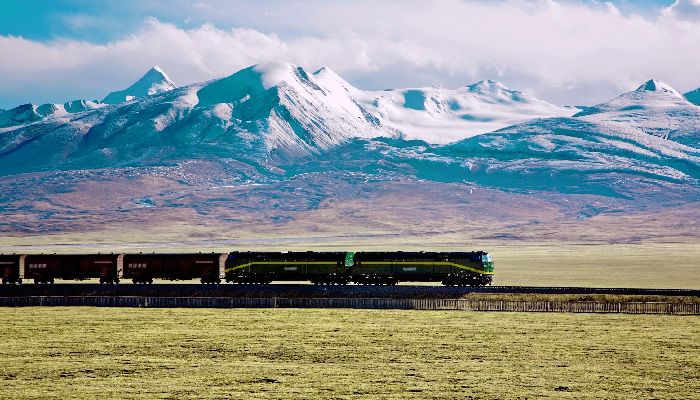
Qinghai-Tibet Railway Train
Ways to Save on Accommodation Costs
Reasonable accommodation arrangement is the key to balancing travel comfort and budget.
Adopt a Mixed Accommodation Strategy
There is no need to stay in high-end hotels for the entire trip. It is recommended to choose a comfortable hotel with oxygen supply equipment and a location close to the urban area for the first day or two after arriving in Lhasa to ensure a good rest and adapt to the plateau environment. For the rest of the trip, you can choose more affordable business hotels or characteristic local inns according to the actual situation. This combination helps control the overall accommodation expenses.
Compare Prices and Book Through Different Channels
Booking hotels in advance through online travel platforms is a common practice. A small tip is to choose a hotel within walking distance to the core areas of the Potala Palace or Barkhor Street but not directly facing the scenic spots, as the prices are often more advantageous. In addition, some qualified local travel agencies can get contract prices for some hotels due to long-term cooperation, which is especially useful when rooms are in short supply during the peak season, so you can consult and compare before booking.
Take Advantage of Off-Season Price Benefits
As mentioned above, winter is the off-season for tourism in Tibet, and the prices of many hotels will drop by 50% or even more compared with the peak season. For travelers with a strict budget, this is the best time to significantly reduce accommodation costs.
Ways to Save on Ticket and Catering Costs
Scenic Spot Tickets: Book in Advance and Pay Attention to Preferential Policies
Popular scenic spots such as the Potala Palace and the Jokhang Temple implement capacity limit management, and tickets are in short supply during the peak season. Booking in advance through reliable channels is a necessary measure to ensure a smooth visit. Be sure to understand the official ticket policies: for example, the Tibet Autonomous Region usually launches a “free admission” policy for many A-level scenic spots including the Potala Palace in winter (approximately from November 1 to March 15 of the next year). In addition, the ticket price of the Potala Palace in the off-season (approximately from November to April of the next year) is about half of that in the peak season. Holders of valid student ID cards, military ID cards and other certificates may also enjoy preferential treatment.
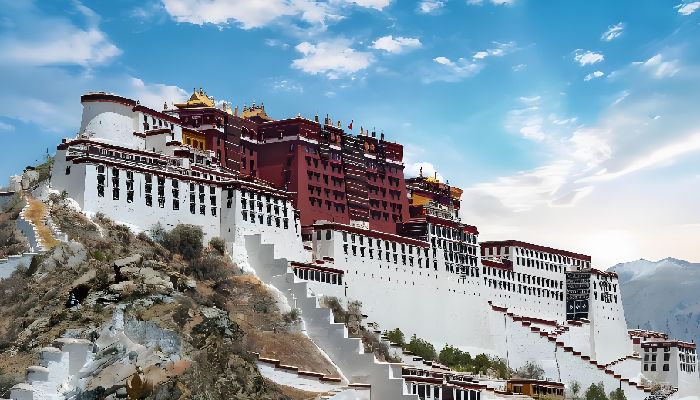
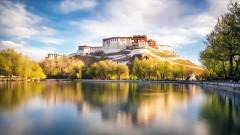
Potala Palace
Daily Catering: Experience Local Cuisine
To taste authentic Tibetan food, you don’t have to go to elaborately decorated restaurants near scenic spots. You can try walking into sweet tea houses or small restaurants frequented by locals in the alleys around Barkhor Street. A bowl of Tibetan noodles and a pot of Tibetan sweet tea are affordable and a great way to experience the local daily life. You can also ask your guide or driver to recommend the fairly-priced restaurants they often go to.
Avoid Unnecessary Consumption
When taking photos with yaks, Tibetan mastiffs and other animals for photo opportunities near scenic spots or on the road, be sure to clearly confirm and negotiate the price before shooting to avoid disputes afterwards. When buying souvenirs in places such as Barkhor Street, appropriate bargaining is common, but you need to be extremely cautious with so-called “antiques” or “jewelry” with high prices.
Cost Comparison and Selection of Different Travel Modes
Choosing between joining a tour group, carpooling or traveling on your own directly determines your spending pattern.
Be Cautious of Tour Groups with Excessively Low Quotes
Some tour groups on the market with quotes far lower than the reasonable market range may have hidden costs. Such groups often make up for the costs by arranging a large number of shopping stops, lowering accommodation and vehicle standards, and compressing the actual travel time. When choosing, be sure to read the contract terms carefully.
How to Judge a Reasonable Travel Quote
A clear and transparent travel plan should clearly list: the specific type of vehicle used, the name or exact star rating of the accommodation hotel, the list of gate tickets for scenic spots included in the cost, and whether there are shopping arrangements (a “no-shopping tour” should be clearly written into the contract). The itinerary itself should also be arranged in a relaxed and moderate way, instead of being on the road all the time.
Choose the Appropriate Mode According to Your Own Situation
- For tourists with a limited budget and strong adaptability, choosing a reputable “no-shopping” shared group is an effective way to control costs.
- For family tourists, the middle-aged and the elderly, or tourists with higher requirements for travel comfort, although the daily average cost per person of a premium small group may be higher, its advantages in vehicle comfort, accommodation guarantee, tour guide service and travel safety can improve the overall travel experience and efficiency, reduce unnecessary troubles, and is also a cost-effective choice in the long run.
Other Practical Pre-Trip Preparations and Money-Saving Suggestions
Purchase Special Travel Insurance
Due to the special plateau environment in Tibet, it is recommended to purchase a travel insurance that covers the treatment of acute altitude sickness and emergency medical evacuation. Although this seems like an extra expense, it can avoid bearing high medical transportation costs in case of an emergency.
Prepare an Appropriate Amount of Cash
Although mobile payment is very popular in major towns such as Lhasa, using small-denomination cash is more convenient and reliable in some remote areas, small stalls or when paying tips.
Pre-Trip Essential Items List
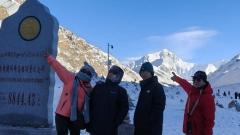
- Documents: In addition to basic documents such as ID cards, if you plan to visit border areas such as Everest Base Camp and Ngari, you need to apply for a free border pass in advance at the public security bureau of your household registration place.
- Clothing and Protection: The climate on the plateau is changeable with a large temperature difference between day and night. It is necessary to prepare a windproof jacket, a fleece jacket, a hat, sunglasses and high-SPF sunscreen lotion.
- Daily Necessities: You can prepare glucose powder and chocolate for quick energy replenishment, and carry painkillers such as ibuprofen to relieve possible headaches. The effect of traditional health products such as rhodiola rosea varies from person to person and needs to be taken in advance.
Common Questions About Altitude Sickness and Travel Planning
Q: How to deal with altitude sickness?
A: Altitude sickness is a concern for many tourists. The most effective preventive methods are: slow down all activities immediately after arriving in Tibet, avoid strenuous exercise, ensure adequate rest, and drink plenty of warm water. Try to avoid bathing and washing your hair in the first two days after arrival to prevent catching a cold. Keep a calm mind and avoid excessive tension and anxiety, which in itself helps the body adapt. Choosing a travel route with a gradual altitude increase from low to high can provide valuable adaptation time for the body.
Q: How many days are generally needed for a trip to Tibet?
A: Considering the adaptation to the plateau environment and the distance between scenic spots, a trip covering Lhasa and the main surrounding scenic spots usually takes 8 to 12 days. This allows for a relatively leisurely tour without excessive fatigue or increased risk of altitude sickness due to a rushed itinerary. If you only travel in Lhasa and its suburbs, 5 to 7 days are sufficient.
Q: How far in advance should I start preparing?
A: It is recommended to start planning and consulting at least 2 to 3 months in advance. This leaves you enough time to compare and book air and train tickets, ensure that the documents required for entering Tibet (such as the Tibet Travel Permit for Taiwan tourists) can be properly processed through a travel agency, and book the desired hotel and tour group seats. If traveling during the peak season, you need to start preparing even earlier.
Core Tips for Cost-Effective Travel in Tibet
In a word, achieving a cost-effective Tibet trip lies in sufficient information preparation and rational consumption decisions. It is not about pursuing the absolute lowest price, but making the most of your budget through advance understanding, comparison and planning to obtain a safe, smooth and fulfilling travel experience.
The entire planning process can follow a clear train of thought: first determine the travel time and total budget, then prioritize arranging and locking in the long-distance transportation to and from Tibet, then select a cost-effective combination of local transportation and accommodation according to the itinerary, book tickets for popular scenic spots in advance, and finally integrate these links by choosing a reliable travel service provider to ensure a smooth trip.
When you entrust the complex transportation connections, accommodation bookings and route planning to institutions with rich local operation experience such as China Dragon Travel, you not only save potential time and monetary costs of price comparison, but also gain a guarantee for the reliability of the trip, thus being able to focus more on the travel experience itself. It is hoped that this cost analysis and suggestions based on practical experience can provide practical and effective help for your Tibet trip in 2026.